Tracking your child’s growth can be one of the most rewarding yet challenging aspects of parenting. A Height Weight Chart With Age is an essential tool that can help you monitor your child’s development over time. This resource provides a straightforward way to compare your child’s height and weight against standardized growth charts, allowing you to see how they measure up against their peers. If you are a new parent or have several kids, this chart is invaluable for understanding their growth patterns.
Understanding the Height Weight Chart
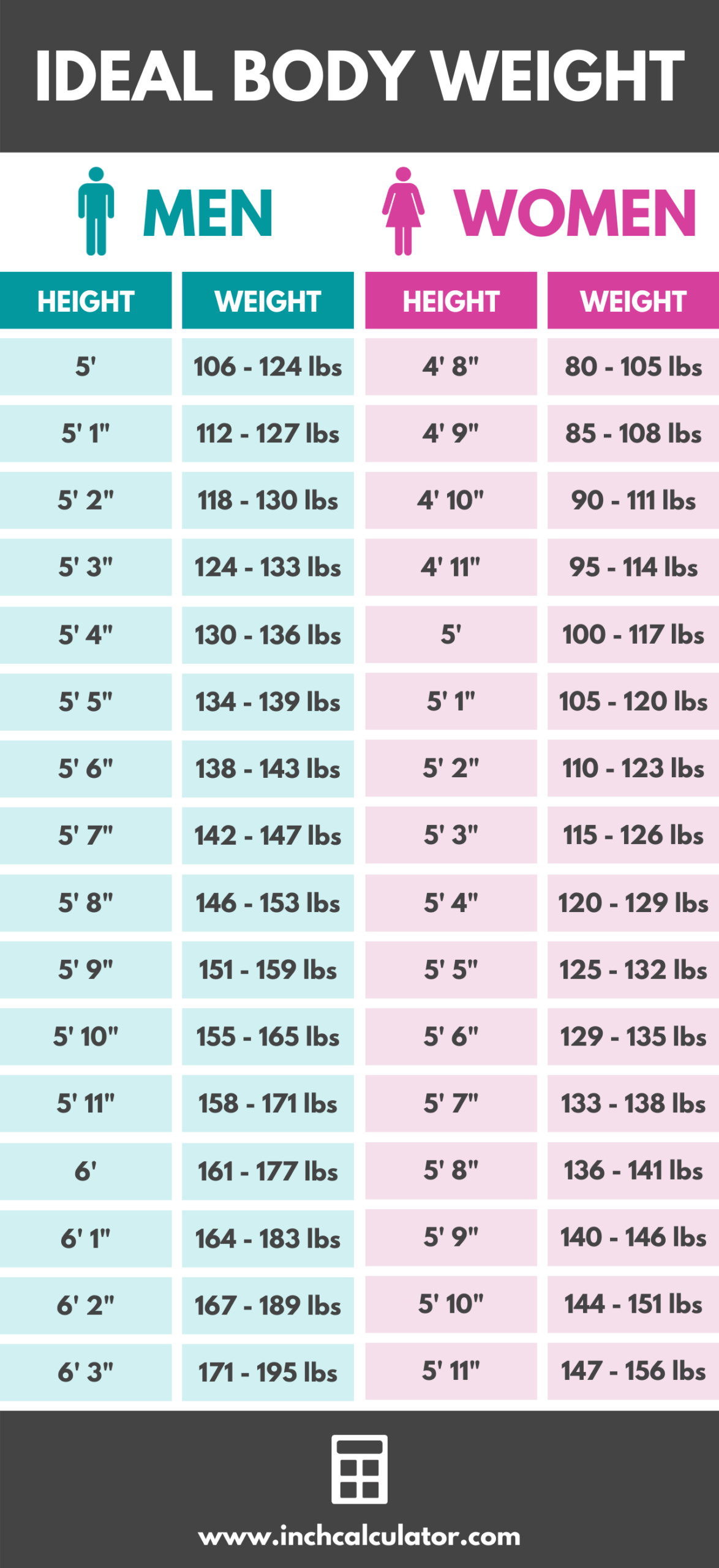
A Height Weight Chart typically displays the height and weight ranges for children at various ages. These charts are usually formatted as tables or graphs, where you can find corresponding height and weight measurements for different age groups. In most cases, the chart will be divided by gender, as boys and girls can have different growth trajectories.
What Information Does It Include?
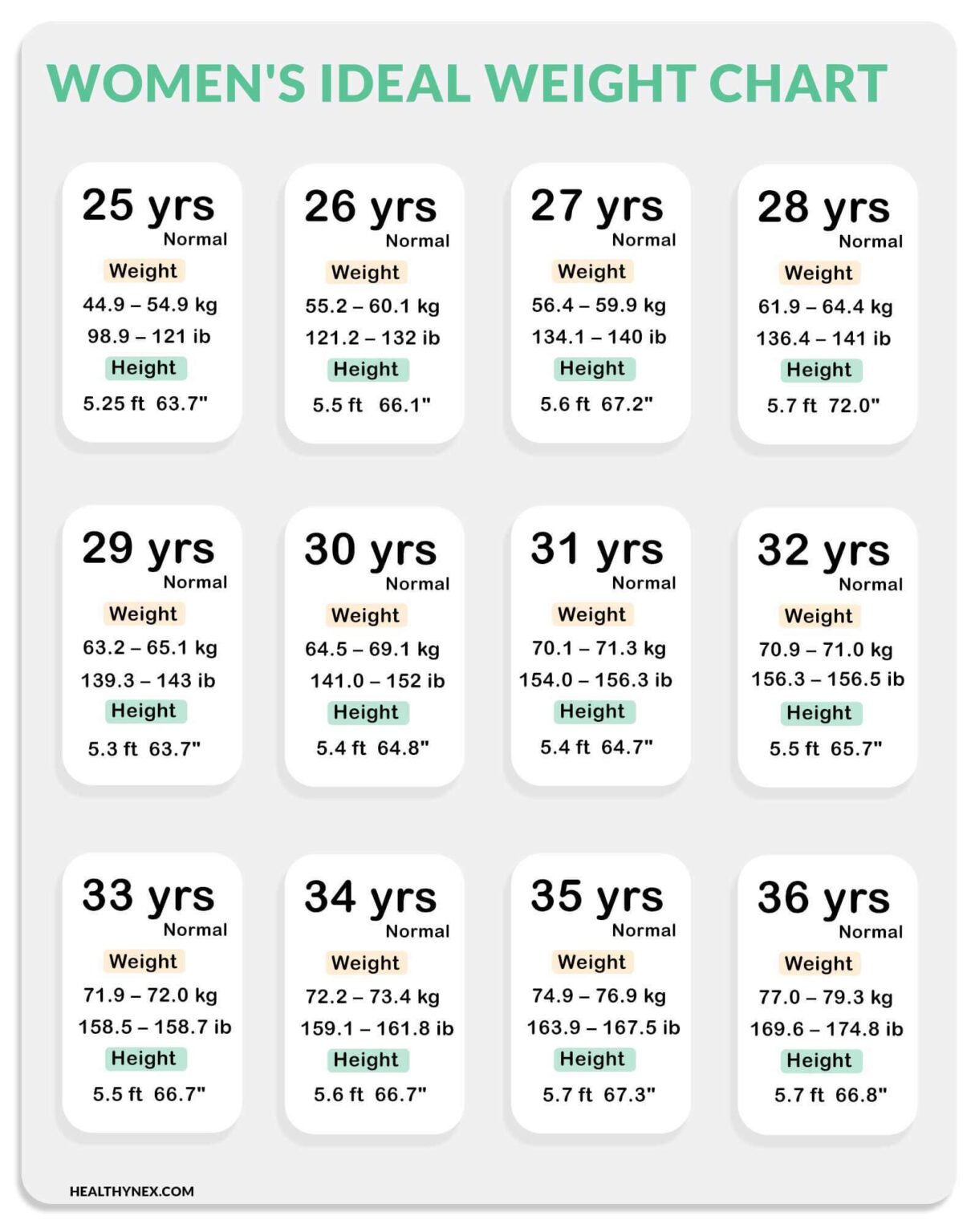
When you download a Height Weight Chart With Age, you can expect to see:
- Age Ranges: Usually listed in months or years.
- Height Measurements: Typically in inches or centimeters.
- Weight Measurements: Usually in pounds or kilograms.
- Percentiles: Indicating how your child compares to others.
This information helps you quickly determine if your child’s growth is within a healthy range. Understanding these details can also guide discussions with your pediatrician.
How to Use the Chart Effectively
Using the Height Weight Chart is simple, but there are a few steps to ensure you’re doing it correctly. First, make sure you have accurate measurements of your child’s height and weight. It’s best to measure height in the morning when your child is standing straight, as they may be slightly shorter later in the day. Weigh them using a reliable scale.
Filling in the Chart
- Locate the Age: Find your child’s age on the chart.
- Record Height: Move horizontally across the chart to find the corresponding height measurement.
- Record Weight: Move vertically down from the height measurement to locate the appropriate weight range.
- Check Percentiles: This will help you understand where your child stands compared to others.
It’s a good idea to keep a record of these measurements over time to see how your child grows. Regularly updating the chart can help you spot any concerning trends early on.
When to Consult a Pediatrician
While the Height Weight Chart is a fantastic tool, it’s crucial to remember that it’s just one piece of the puzzle. Every child is unique, and growth patterns can vary widely. If your child’s measurements fall significantly below or above the recommended percentiles, it may be time to consult your pediatrician. They can offer insights and advice tailored to your child’s specific needs.
Signs to Look Out For
- Consistent Low Percentiles: If your child consistently falls below the 5th percentile for height or weight.
- Rapid Changes: If your child experiences a sudden drop or rise in percentile rank.
- Developmental Concerns: If you’re worried about any aspects of your child’s development, such as physical activity or nutrition.
Your pediatrician can provide guidance on whether further evaluation is necessary and recommend interventions if needed.
Where to Find Printable Resources
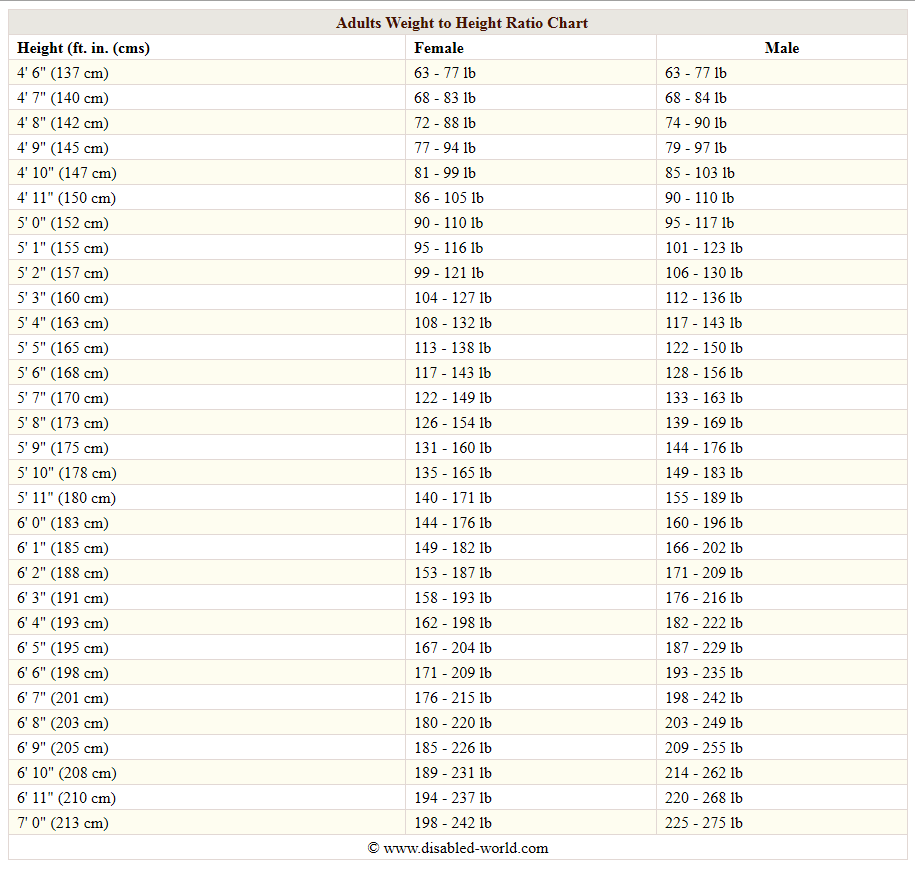
You can find many printable resources online for Height Weight Charts. Many websites offer free downloadable charts in PDF format, making it easy to print and use at home. Look for charts that are up-to-date and based on the latest growth standards from reputable health organizations.
Tips for Printing
- Choose the Right Paper: Use heavier cardstock if you plan to laminate the chart for durability.
- Check Print Settings: Ensure your printer settings are adjusted for clarity, especially if you’re printing in color.
- Portrait vs. Landscape: Portrait layout usually works best for most charts, making it easier to read and use.
Having a physical copy of the chart at home can serve as a constant reminder to keep track of your child’s growth and development.
Using a Height Weight Chart With Age is not just about numbers; it’s about understanding your child’s health and development. By regularly measuring and tracking their growth, you can engage more meaningfully in their health journey. This resource empowers parents to make informed decisions concerning their child’s well-being.
