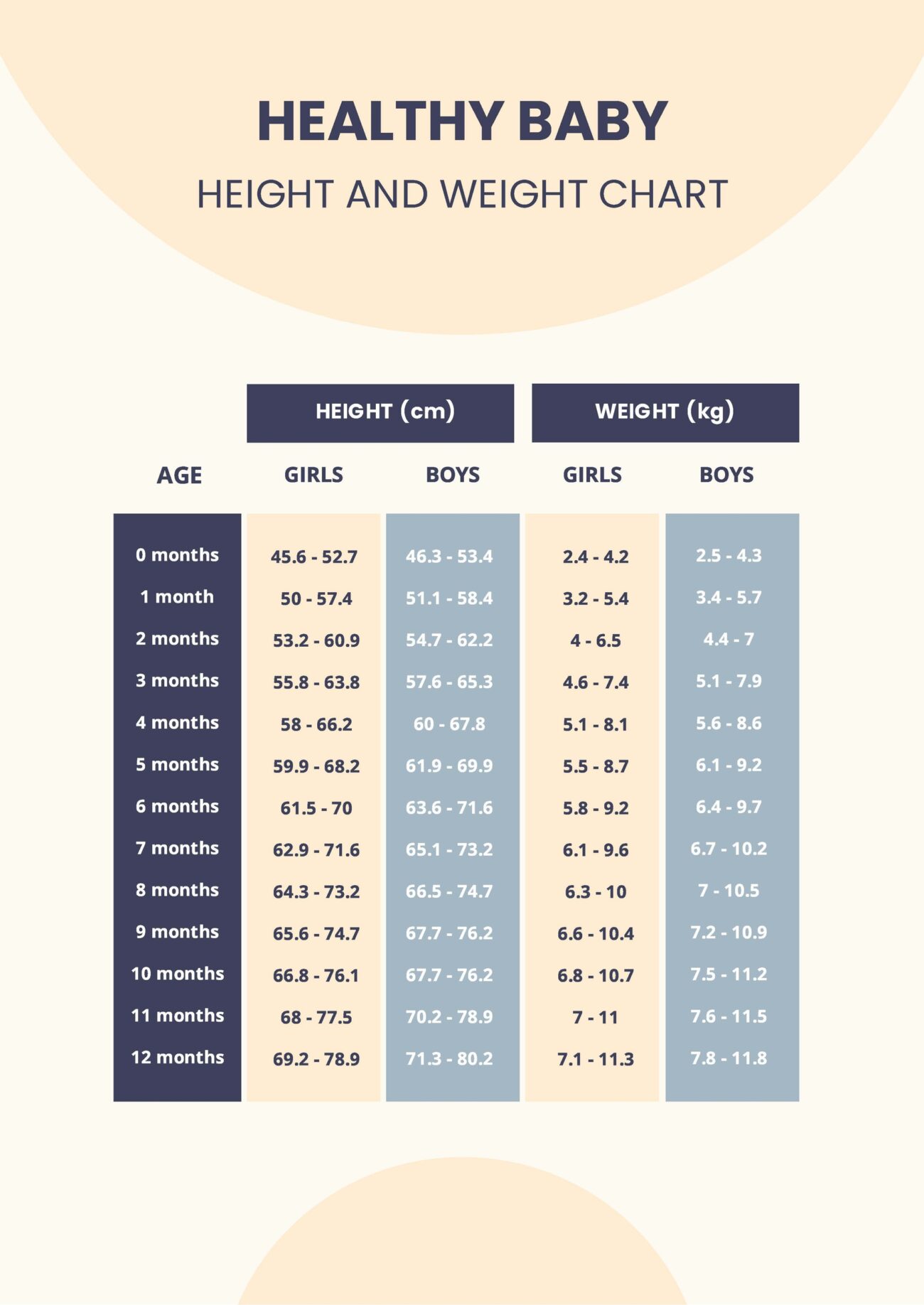
Infant growth is one of the most exciting and crucial aspects of parenthood, and a Height And Weight Chart For Infants is an essential tool to help you monitor your baby’s development. These charts provide a clear visual representation of average growth patterns, making it easier for you to see how your little one is progressing in comparison to national averages. Understanding where your baby stands can be reassuring and informative, helping you address any concerns with your pediatrician.
What Is a Height And Weight Chart For Infants?
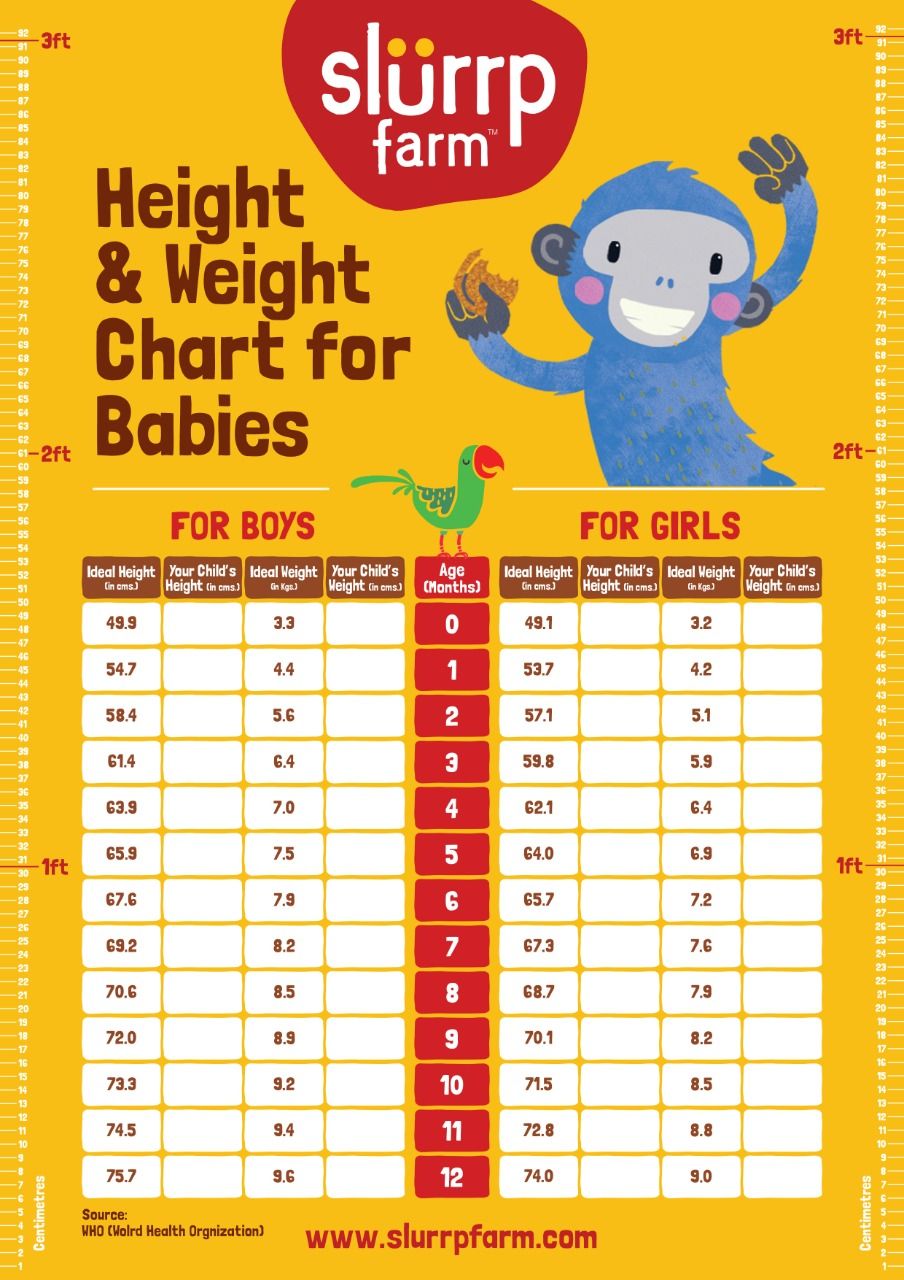
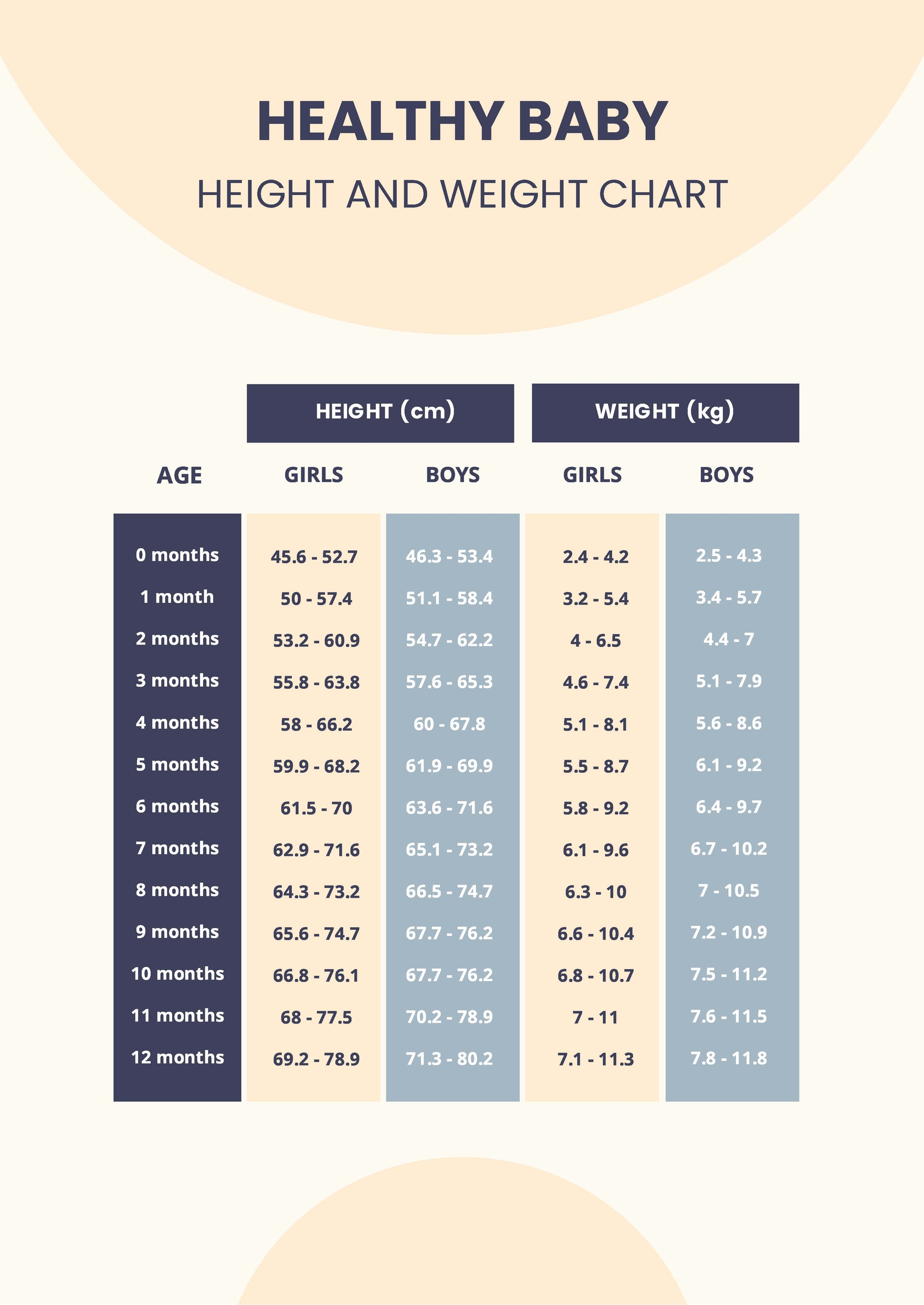
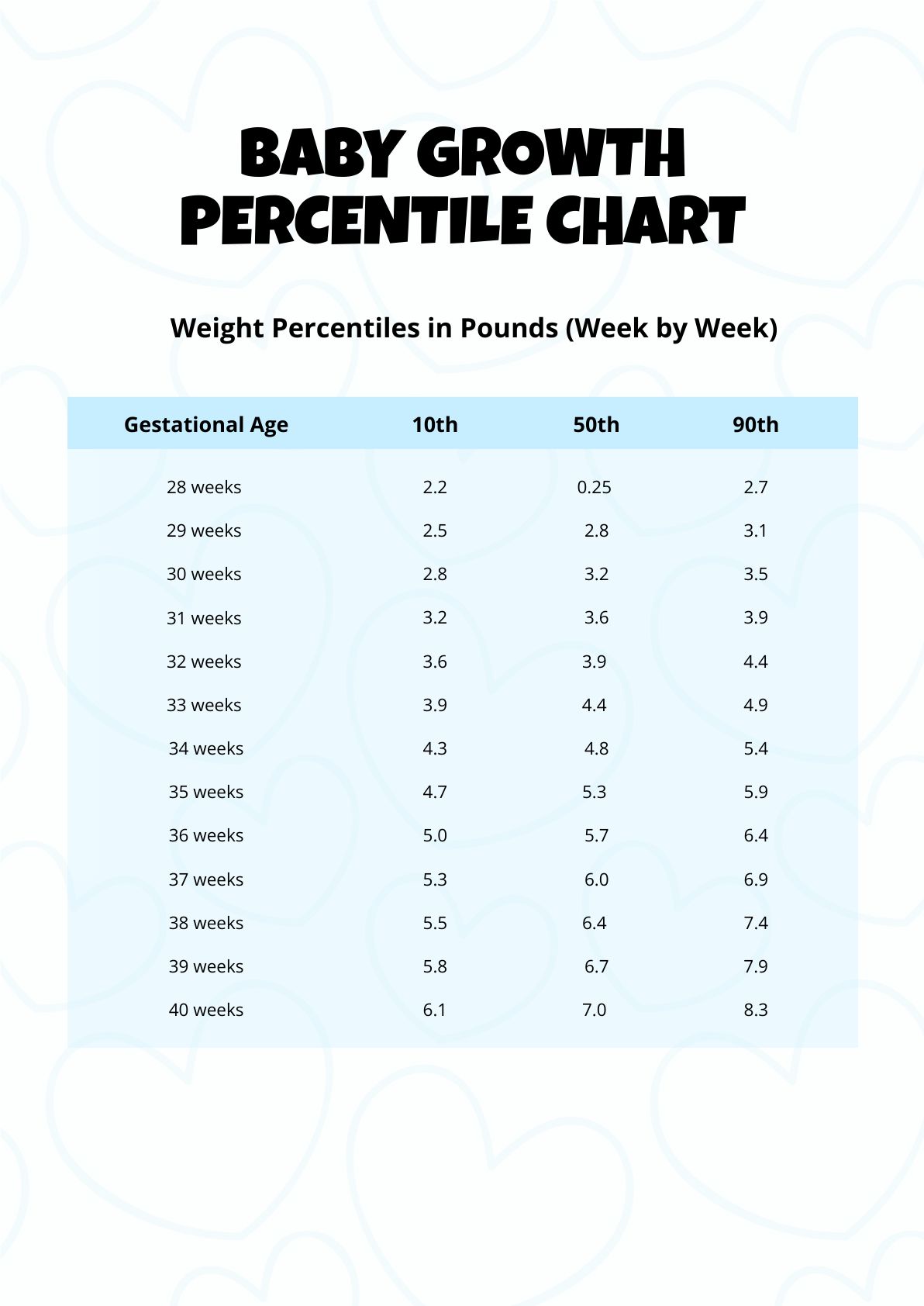
A height and weight chart is a graphical representation that outlines the average height and weight of infants at various ages. These charts are typically based on data collected from a large population of infants, and they provide a standard benchmark for growth. The charts usually display percentiles, which indicate how your baby’s measurements compare to those of other infants. For example, if your baby is in the 50th percentile for weight, it means that they weigh more than 50% of infants their age.
When you download a printable height and weight chart, you’ll typically find sections for entering your baby’s age, height, and weight. This information can help you visualize their growth over time and ensure they are developing at a healthy rate.
How to Read a Height And Weight Chart
Reading a height and weight chart might seem daunting at first, but it’s quite straightforward once you get the hang of it. Here’s a step-by-step guide to help you understand how to use it effectively:
- Locate the Age: Find your baby’s age on the horizontal axis of the chart. This will usually be marked in months.
- Plot the Measurements: Use a ruler or a straight edge to plot your baby’s height and weight on the chart. You’ll find height on one vertical axis and weight on the other.
- Identify the Percentiles: The chart will have lines indicating different percentiles (often ranging from the 5th to the 95th). If your baby’s measurements fall between two lines, you can determine their percentile by estimating where they fall.
- Track Changes Over Time: As you update the chart with new measurements, you can see how your baby’s growth trajectory changes. This is important for identifying any potential issues early on.
Importance of Monitoring Growth
Monitoring your baby’s growth using a height and weight chart is vital for several reasons:
- Health Indicators: Consistent tracking can help identify any health issues early. If there are significant deviations from the average growth patterns, it may warrant a discussion with your pediatrician.
- Feeding Adjustments: If your baby is consistently below or above the average percentiles, it may indicate that you need to adjust their feeding routine or consult with a healthcare professional about their nutrition.
- Developmental Milestones: Growth is just one aspect of your baby’s development. However, tracking it can help you correlate physical growth with other developmental milestones, such as crawling or walking.
Where to Find Printable Height And Weight Charts
There are numerous online resources where you can find printable height and weight charts for infants. Many pediatric health organizations offer free downloads that are easy to print and use at home. When searching for a chart, look for:
- PDF Formats: These are usually the easiest to print and maintain formatting.
- Age Range: Ensure the chart covers the age range of your baby, typically from birth to 24 months.
- User-Friendly Design: A well-designed chart will be easy to read and use, with clear markings for height and weight percentiles.
Tips for Using Your Height And Weight Chart
To make the most of your height and weight chart, keep these practical tips in mind:
- Use Regularly: Measure your baby’s height and weight regularly (every month or as recommended by your pediatrician) to keep an accurate record of their growth.
- Store the Chart: Keep the printed chart in a safe place, like a baby book or a folder, so you can easily refer back to it over time.
- Consult Healthcare Providers: If your baby’s growth seems unusual, don’t hesitate to consult your healthcare provider. They can offer insights and recommendations based on your baby’s specific situation.
- Involve Family: Make it a fun activity! Involve other family members by sharing updates on your baby’s growth milestones. It can be a great way to keep everyone in the loop.
By actively engaging with a height and weight chart for infants, you’ll not only track your baby’s growth but also foster a deeper understanding of their health and development. This tool can be a source of joy and reassurance in your parenting journey.
As a concrete tip, consider printing your height and weight chart in portrait layout on cardstock. This format is sturdy for frequent use and will hold up well if you decide to laminate it for durability. Happy tracking!
