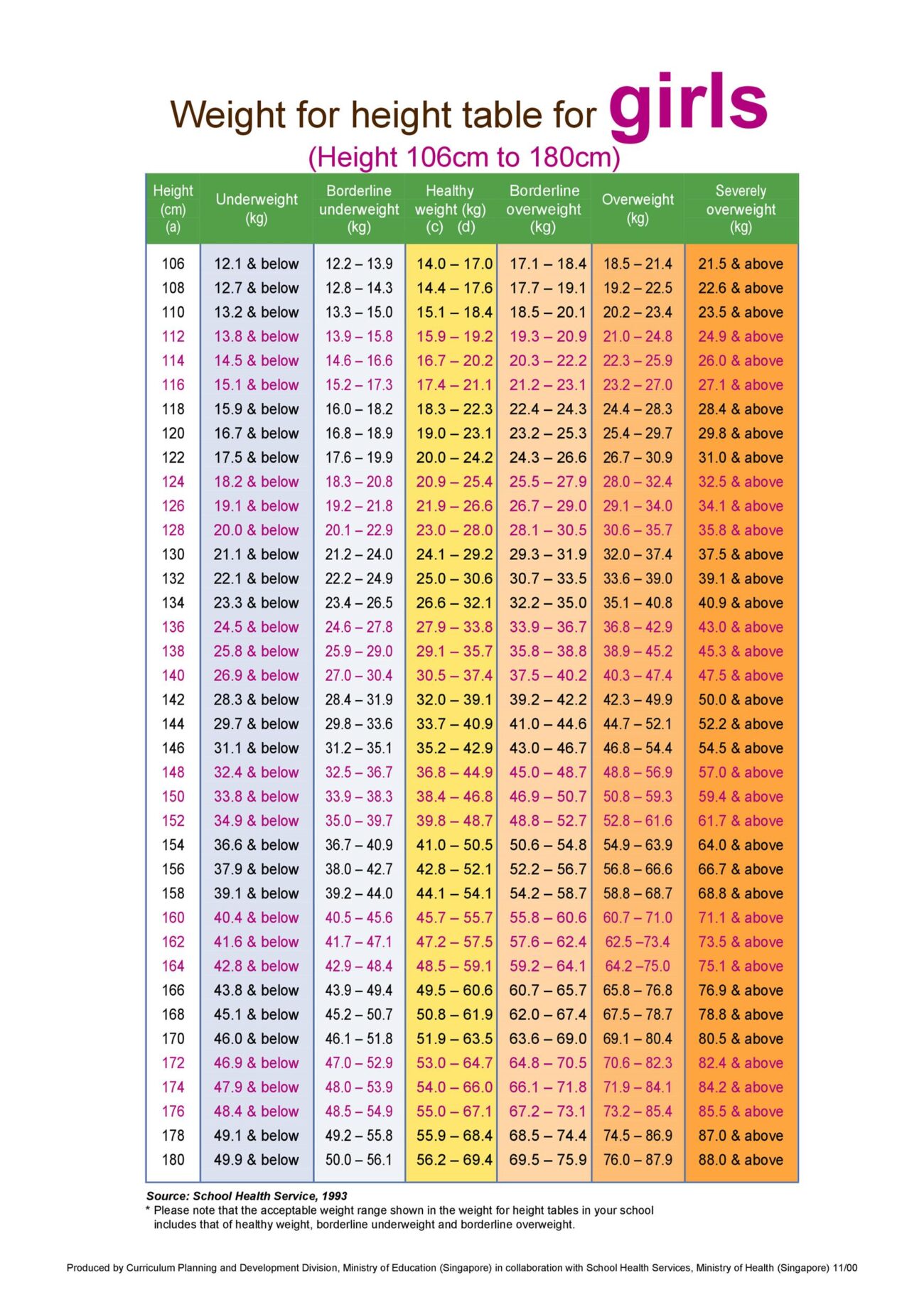
Understanding weight can be a delicate topic, especially for parents focused on health and well-being. The Normal Weight For Women Chart serves as a valuable tool to gauge healthy weight ranges based on various factors like height and body type. This printable resource can help you easily track and manage your health or your family’s wellness. In this article, I’ll walk you through how to read this chart, its layout, and practical tips for using it effectively.
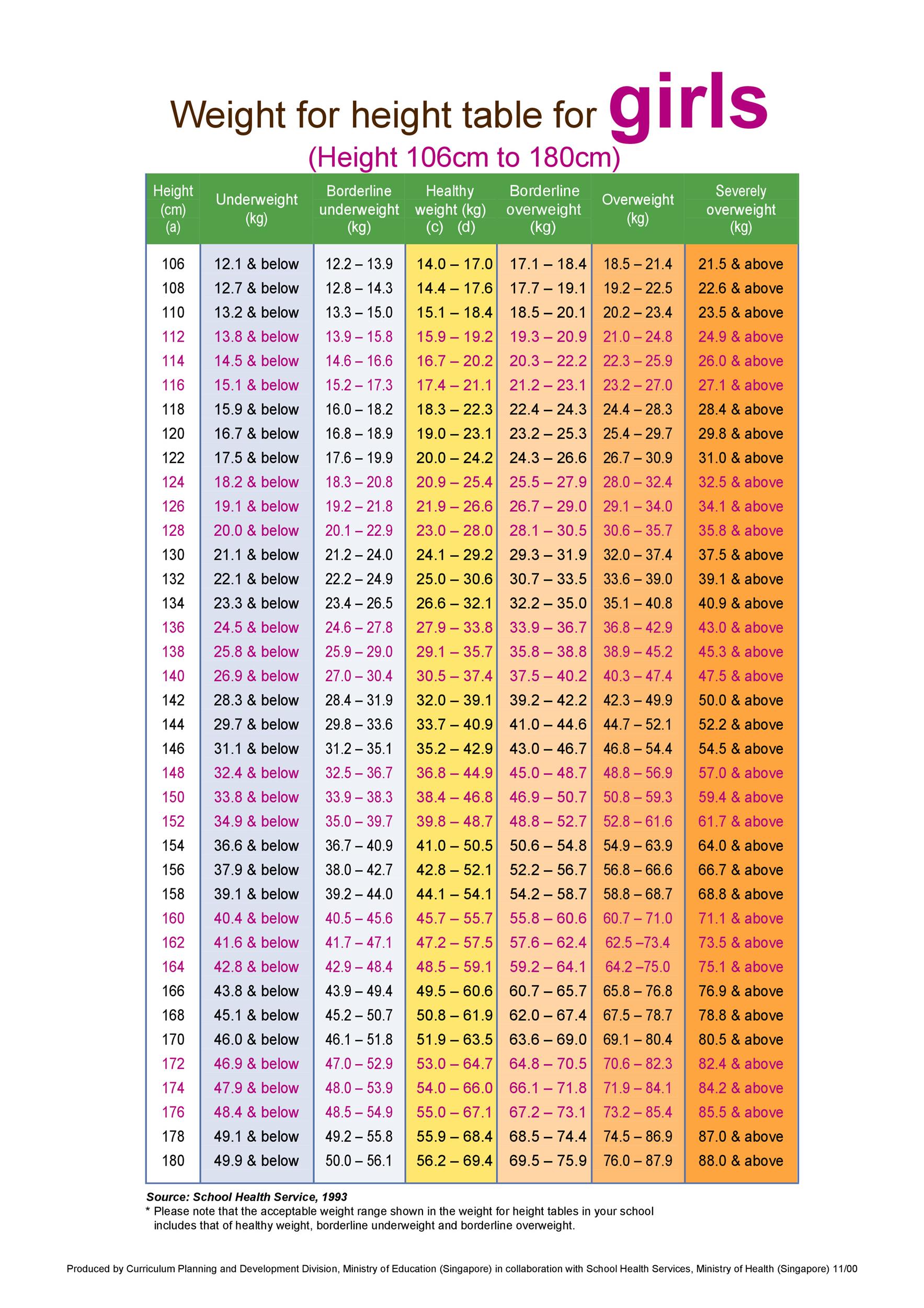
What Is the Normal Weight For Women Chart?
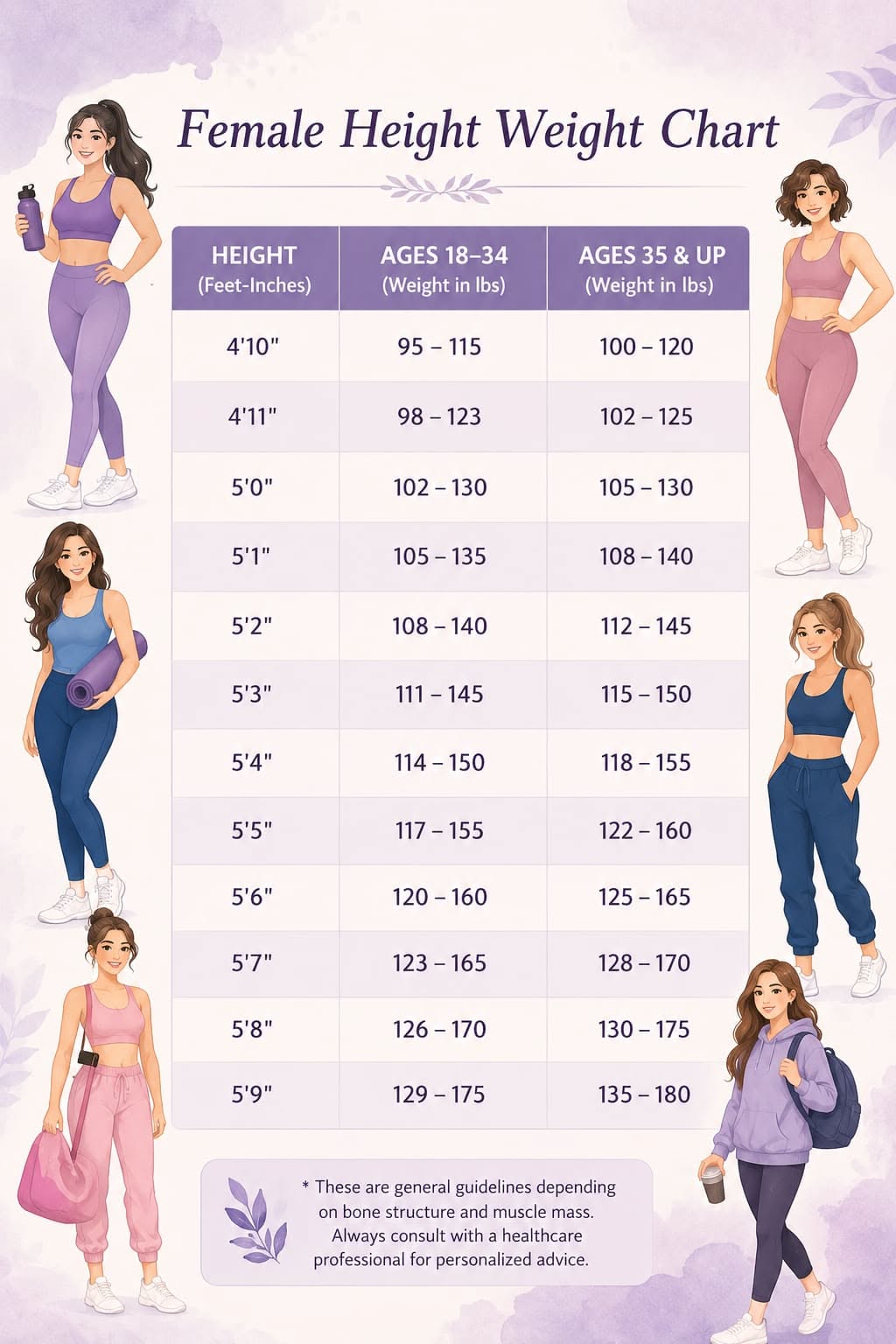
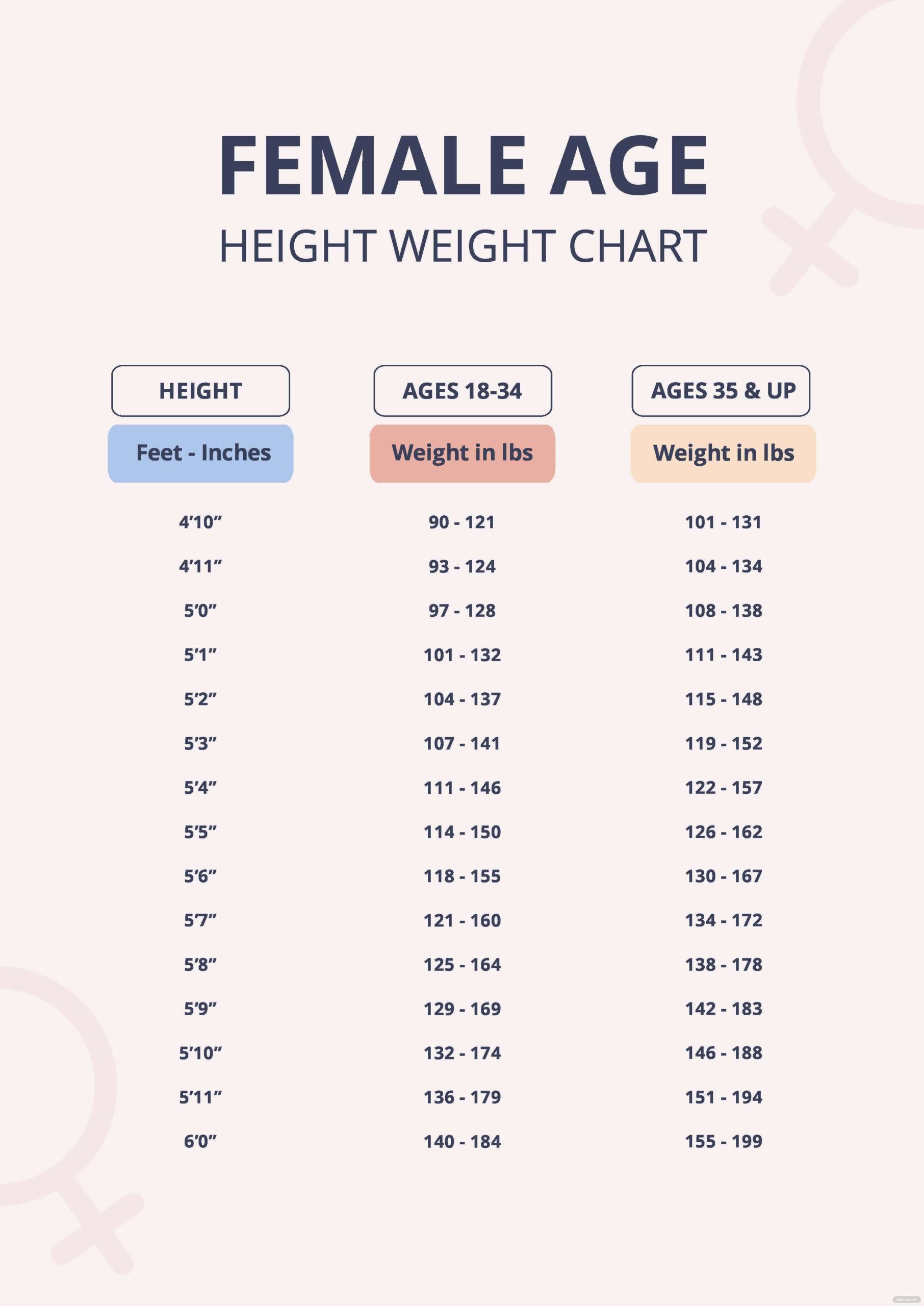
The Normal Weight For Women Chart is designed to help you understand the ideal weight ranges for women based on height. The chart typically lists heights in inches alongside corresponding weight ranges that are considered healthy. This is particularly useful for parents who want to guide their daughters or themselves in maintaining a healthy weight.
When you look at the chart, you’ll notice it’s broken down into easy-to-read sections. Each height has a range of weights that fall into the “normal” category. This organization makes it straightforward to find relevant information quickly—just locate your height, and you can see the recommended weight range right next to it.
How to Read the Normal Weight For Women Chart
Reading the Normal Weight For Women Chart is simple, but there are a few nuances to keep in mind. The first step is to find your height listed in the left column. Next, read across to find the weight range associated with that height.
For example, if you are 5 feet 4 inches tall, the chart might show a healthy weight range of 110-145 pounds. It’s essential to remember that these numbers are not rigid rules but rather guidelines. Many factors, including muscle mass, bone density, and overall body composition, play a role in what a healthy weight looks like for each individual.
Factors Influencing Healthy Weight
There are several factors that can influence what is considered a healthy weight for women, and they can vary significantly from person to person. Here are a few key elements to consider:
- Body Composition: Muscle weighs more than fat, so someone who is very fit may weigh more than someone with a higher body fat percentage, even if they are the same height.
- Age: As women age, their metabolism may slow down, affecting weight distribution and maintenance.
- Genetics: Family history can influence body shape, size, and where weight is distributed.
Understanding these nuances can help you or your loved ones set realistic and healthy weight goals.
Practical Uses for the Normal Weight For Women Chart
Now that you know how to read the chart, let’s discuss some practical applications. Here are a few scenarios where this chart can be particularly useful:
- Establishing Healthy Goals: If you’re looking to lose or gain weight, this chart can serve as a baseline to help you set realistic targets.
- Family Health Discussions: Use the chart during family health discussions to promote awareness about healthy weight ranges. This can be especially valuable for encouraging healthy habits in children and teenagers.
- Tracking Progress: If you or a family member is on a weight management journey, print the chart and keep it handy. Mark progress directly on the chart as you move closer to your goals.
- Consulting Healthcare Professionals: This chart can be a useful tool to bring to doctor’s appointments. It provides a visual reference for discussions about health, nutrition, and fitness.
Best Practices for Printing the Normal Weight For Women Chart
When it comes to printing your Normal Weight For Women Chart, there are a few best practices to ensure it serves you well:
- Paper Type: Use a heavier paper, like cardstock, if you plan to keep the chart for a long time. This will make it more durable and easier to reference.
- Print Settings: Always print in portrait orientation to maintain the chart’s layout. Adjust your printer settings for high quality to ensure clarity, especially for any small text.
- Display Location: Hang the chart in a place where it’s easily visible, such as the refrigerator door or a family bulletin board. This will remind everyone to stay mindful of healthy weight ranges.
- Laminating: If you want to keep the chart in good condition, consider laminating it. This makes it easy to write on with dry-erase markers, allowing you to track weight changes over time.
