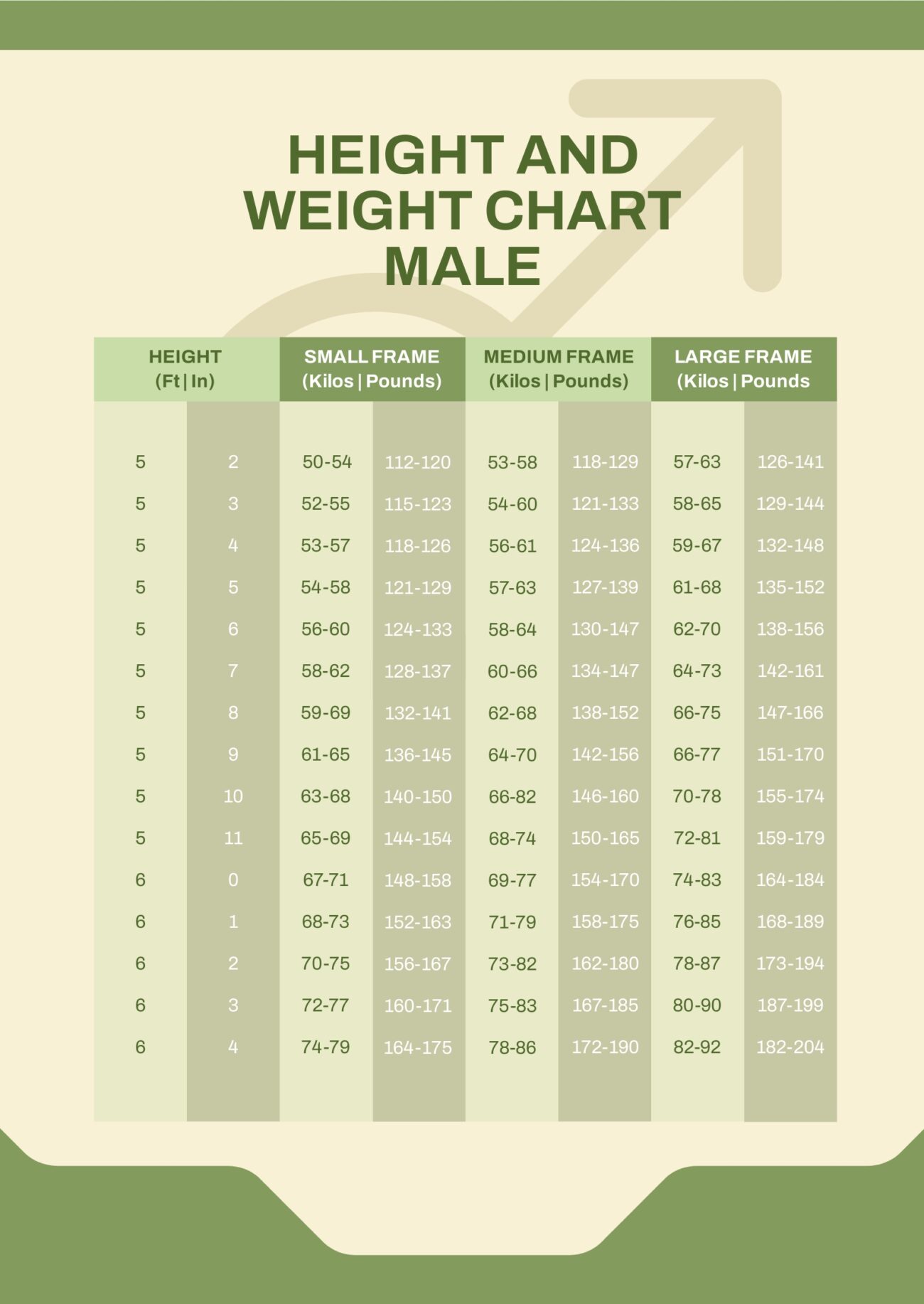
Understanding your child’s growth is essential for their overall health and development. A Men’s Height Weight Ratio Chart serves as a valuable tool for parents who want to monitor their child’s growth and ensure they are within a healthy range. This chart provides a clear visual representation of the relationship between height and weight, helping you make informed decisions about nutrition and lifestyle.
What is the Men’s Height Weight Ratio Chart?
The Men’s Height Weight Ratio Chart is a graphical representation that compares a child’s height to their weight. It typically includes a range of height and weight combinations to show what is considered healthy for boys of different ages. By using this chart, parents can easily determine whether their child is underweight, at a healthy weight, or overweight.
This chart is particularly useful for tracking growth during critical developmental years. It takes into account the natural variations in growth patterns among boys, making it a practical resource for parents and caregivers.
How to Read the Men’s Height Weight Ratio Chart
Reading the Men’s Height Weight Ratio Chart is straightforward. The chart usually has height listed vertically and weight listed horizontally. Here’s how to interpret the chart:
- Locate Height: Find your child’s height on the vertical axis.
- Locate Weight: Move horizontally to the corresponding weight on the horizontal axis.
- Assess Ratios: The area where the two points intersect will indicate whether your child’s weight is within a healthy range for their height. There are often shaded areas or lines indicating the underweight, healthy, and overweight ranges.
Common Mistakes When Using the Chart
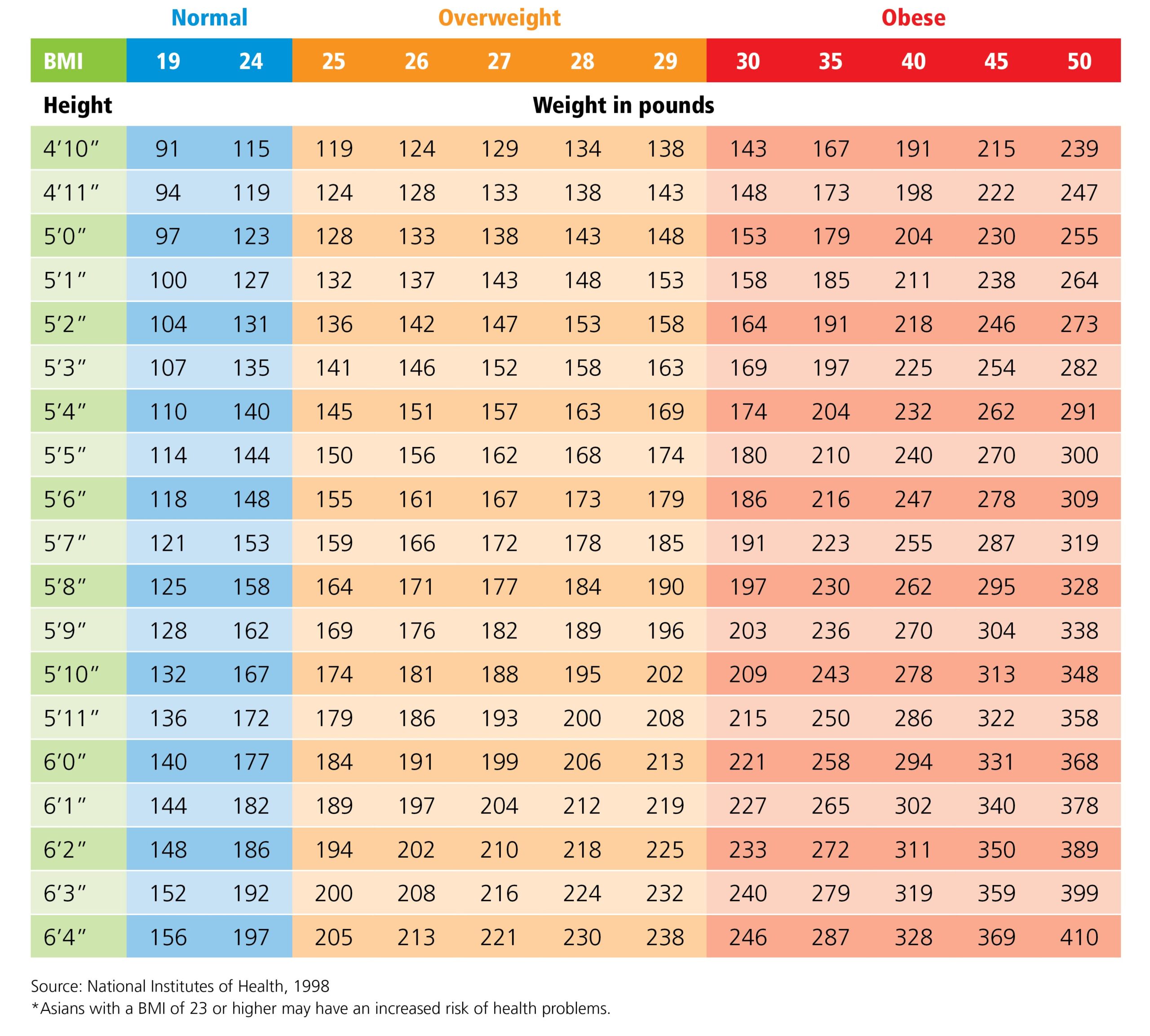
When using the Men’s Height Weight Ratio Chart, be mindful of these common pitfalls:
- Using the Wrong Age Group: Ensure you are referencing the correct age range for your child, as growth patterns can vary widely.
- Ignoring Growth Patterns: Children grow at different rates. It’s more important to look for trends over time rather than focusing on a single measurement.
- Not Considering Other Factors: Factors such as muscle mass, bone density, and overall health play a significant role in determining whether a child is at a healthy weight. Always consult with a healthcare professional for a comprehensive assessment.
Integrating the Chart Into Your Routine
Using the Men’s Height Weight Ratio Chart can be an effective way to keep track of your child’s growth. Here are some practical tips for integrating this resource into your routine:
- Regular Measurements: Measure your child’s height and weight every few months to track their growth accurately. This can be particularly helpful during annual check-ups.
- Document Changes: Keep a growth journal where you can record your child’s height and weight measurements along with notes about their diet and physical activities. This documentation can help you and your healthcare provider assess growth trends more effectively.
- Discuss with Healthcare Providers: Bring the chart along to pediatric appointments. Discuss any concerns you may have about your child’s growth or weight with a healthcare provider, who can provide personalized advice.
Printable Version of the Chart
Having a printable version of the Men’s Height Weight Ratio Chart can make it even easier to use. You can download and print this chart, allowing you to keep a physical copy on hand for quick reference. This can be especially useful during health discussions or while filling out school forms that require height and weight information.
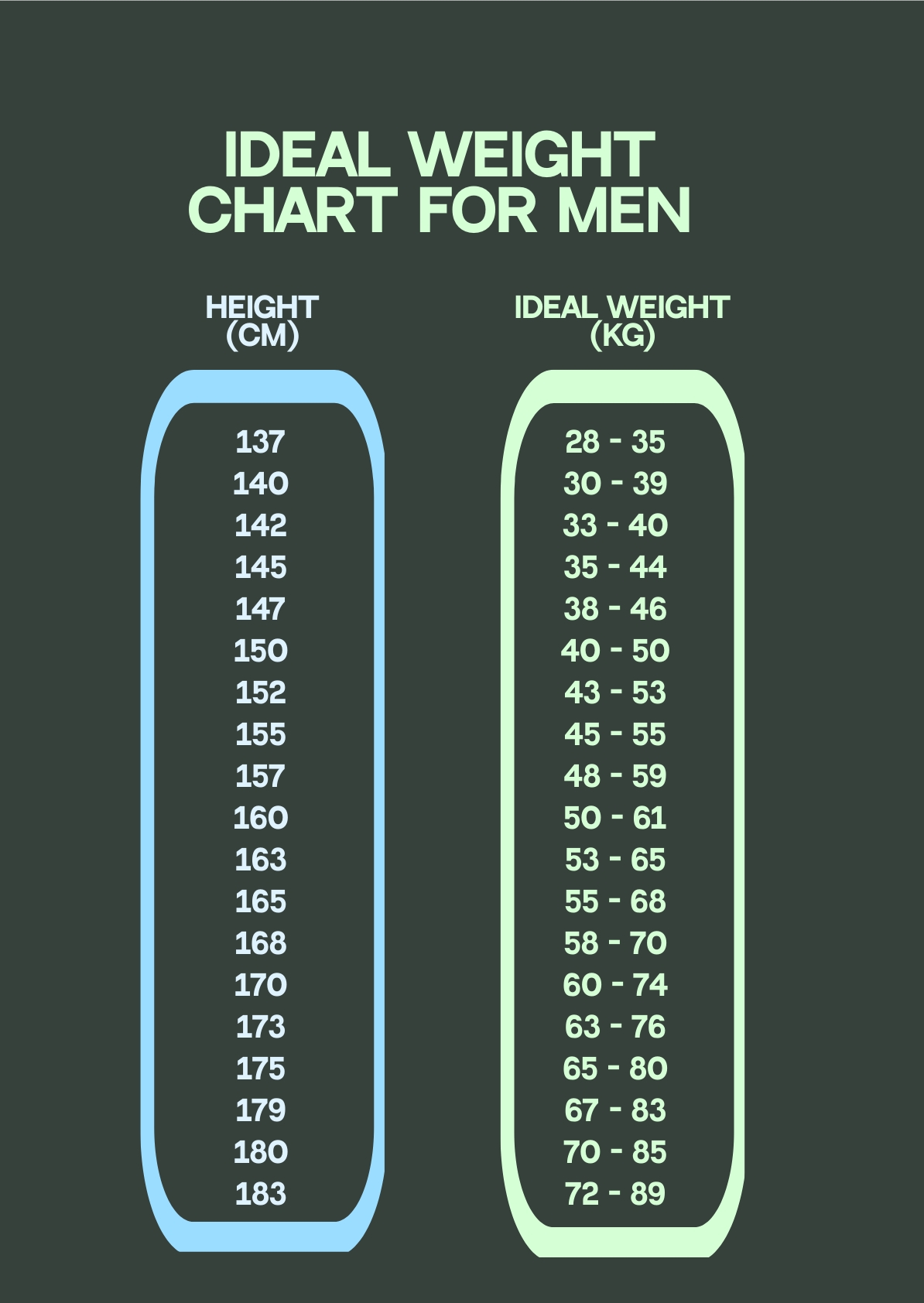
Where to Access the Men’s Height Weight Ratio Chart
You can find the Men’s Height Weight Ratio Chart available for download on many health and educational websites. Look for reputable sources that provide accurate and updated versions. Ensure that the chart you are using is suitable for the specific age range you need.
When downloading, check the format to ensure it’s easy to print. PDF files are usually the best option, as they maintain their formatting across different devices and printers.
