A Men’s Height And Weight Chart can be a crucial tool for anyone looking to track their fitness progress or maintain a healthy lifestyle. Typically formatted as a simple table, this chart allows you to easily compare your height and weight against standard ranges, helping you to understand where you stand in relation to healthy metrics. If you are planning to lose weight, gain muscle, or just want to stay on track, this resource is easy to use and highly effective.
Understanding the Layout of the Chart
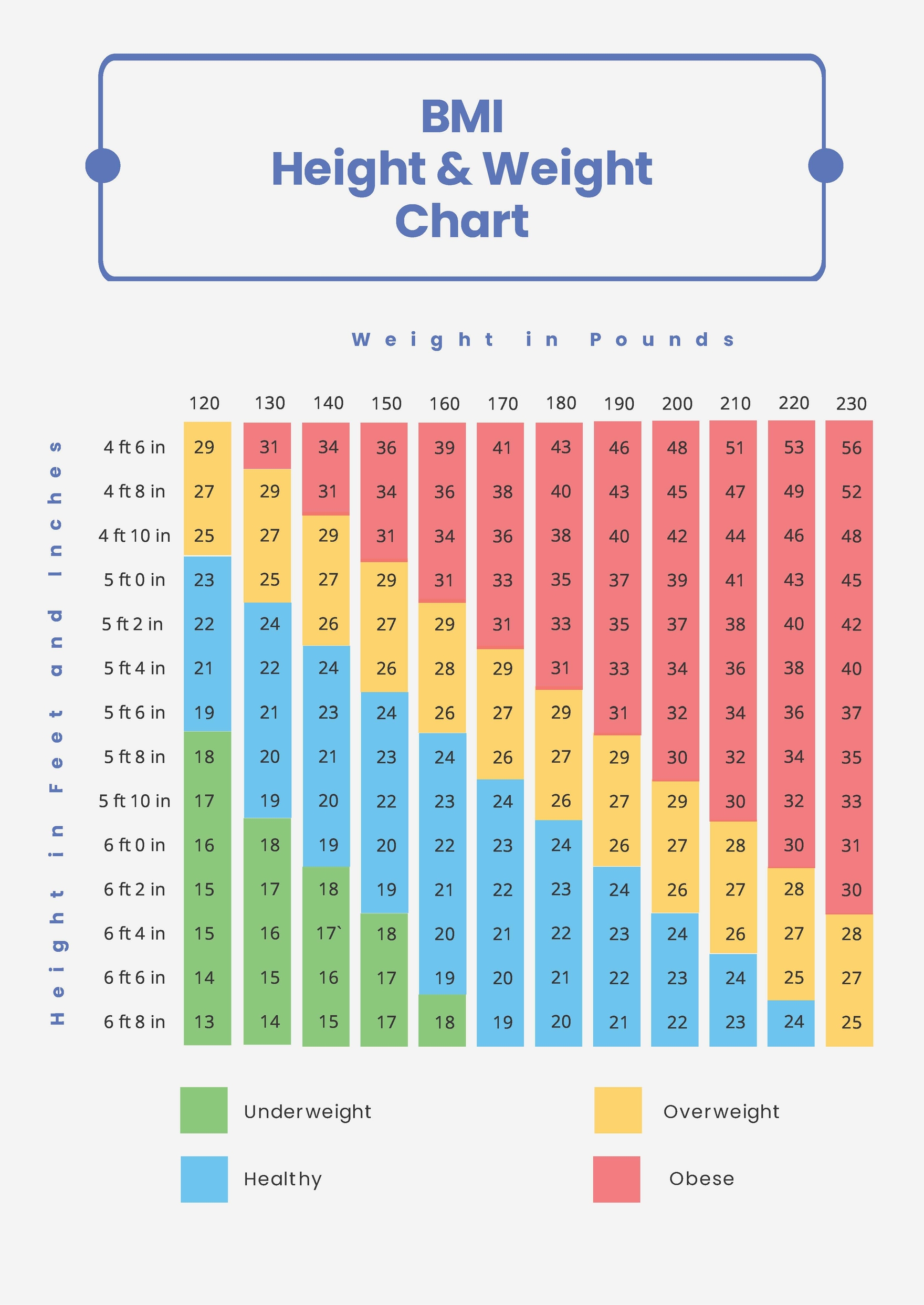
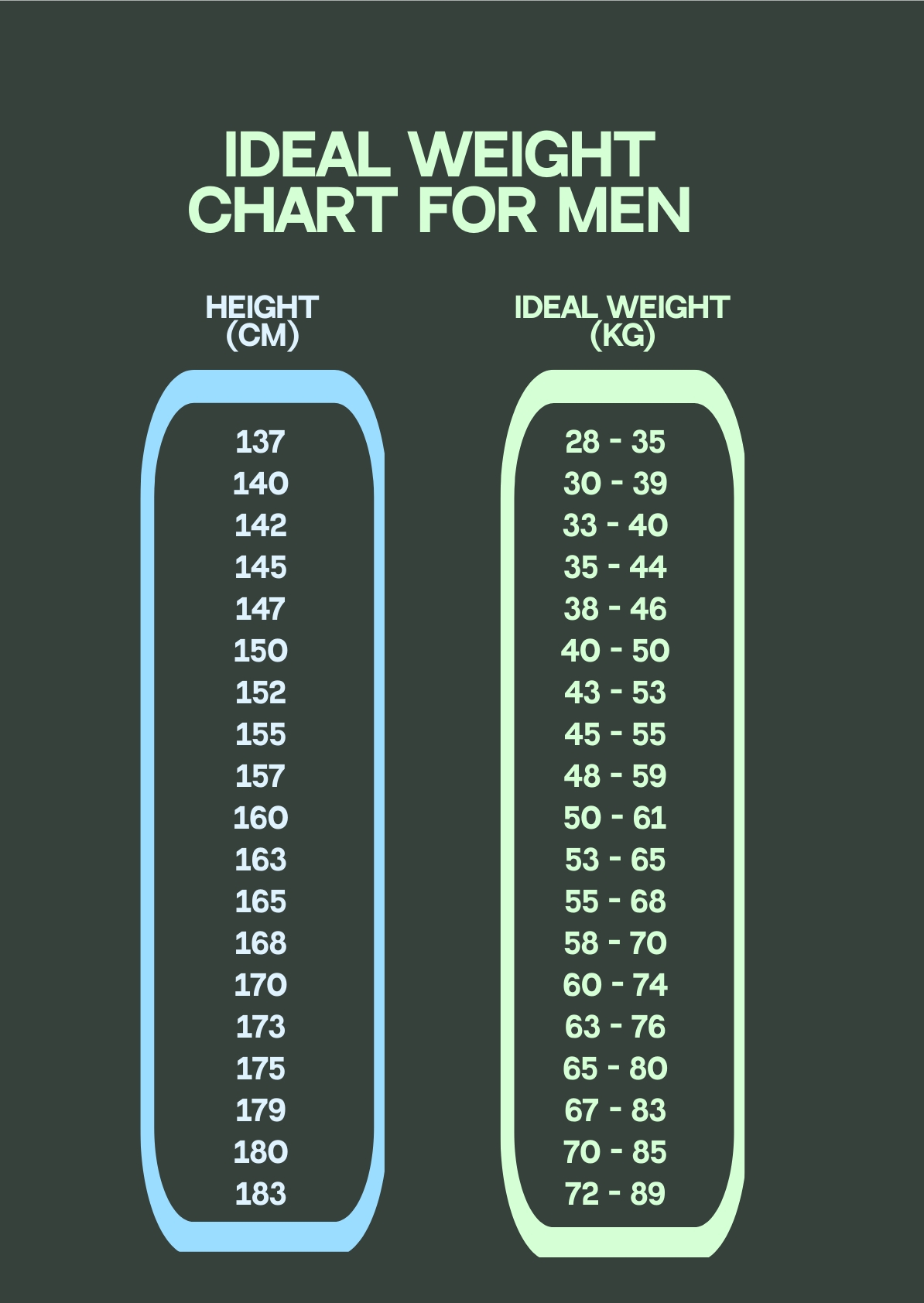
The Men’s Height And Weight Chart is generally organized in a straightforward table format. It usually features height listed in inches or centimeters on one side and corresponding weight ranges on the other. The layout helps you quickly identify your ideal weight based on your height.
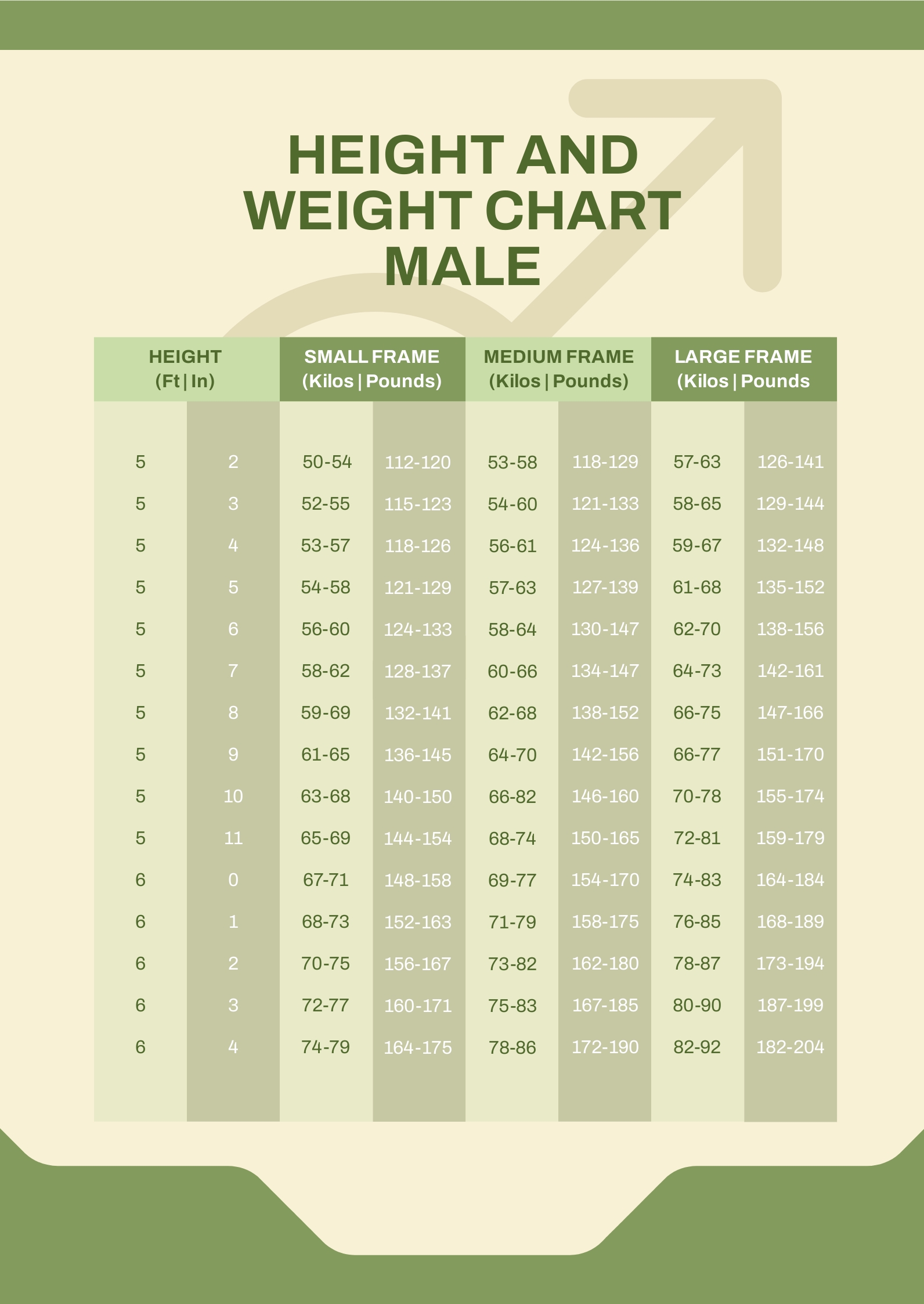
You’ll typically find height increments in one column and weight increments in another. This allows for easy cross-referencing. For example, if you’re 5’10”, you can look across to see the recommended weight range for that height. This quick reference is valuable for those managing their weight for health or fitness reasons.
How to Use the Chart Effectively
Using the Men’s Height And Weight Chart is simple but requires a few preparatory steps. First, measure your height accurately. It’s best to do this in the morning when your body is fully extended. Next, weigh yourself using a reliable scale. Make sure to do this under consistent conditions, such as after waking up and before eating.
Once you have your measurements, locate your height on the chart. From there, you will be able to see the recommended weight range. It’s essential to remember that these ranges are guidelines and can vary based on muscle mass, body composition, and other factors.
To fill in your chart, you might consider tracking your weight weekly or bi-weekly. This could be a straightforward column where you note your current weight over time, allowing you to see trends and adjust your diet or exercise accordingly.
Incorporating the Chart Into Your Routine
Integrating the Men’s Height And Weight Chart into your daily or weekly routine can be beneficial. Here are a few practical suggestions:
- Weekly Check-Ins: Set aside time each week to weigh yourself and update the chart. Consistency is key to tracking your progress.
- Goal Setting: Use the chart to set realistic weight goals. If you’re aiming to lose weight, note your starting weight and target weight, and use the chart to see how close you are to your goal.
- Pair with Other Resources: Consider pairing the chart with a fitness tracker or diet planner. This gives you a more comprehensive view of your health and fitness journey.
Additional Features of the Chart
While the basic Men’s Height And Weight Chart is straightforward, some versions may include additional features. For instance, you might find areas to record body fat percentage, waist circumference, or other health metrics. This information can give you a more rounded view of your health beyond just weight.
If you’re looking for a printable version, make sure to download a PDF format. This format is generally more printer-friendly and helps avoid scaling issues commonly found with image files. You can print it on standard letter-sized paper (8.5” x 11”) or even A4 for international users.
