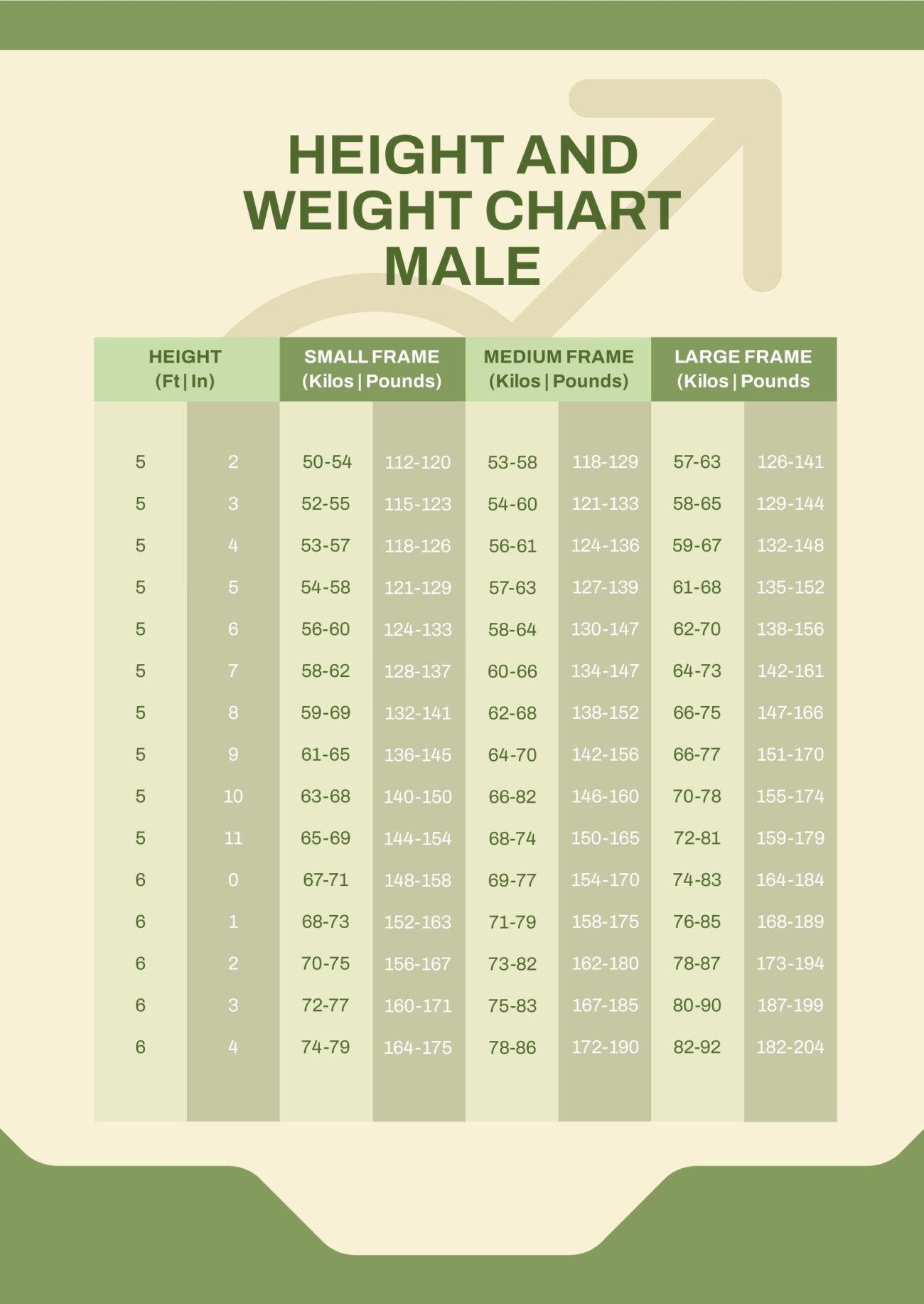
Tracking your child’s growth can sometimes feel overwhelming, but using a Normal Weight Chart By Height can simplify the process. It provides a quick reference to help you understand whether your child is within a healthy weight range based on their height. This chart is particularly useful for parents like us who want to ensure our children are developing properly. Let’s explore how to read and utilize this resource effectively, so you can confidently track your child’s progress.
Understanding the Normal Weight Chart By Height
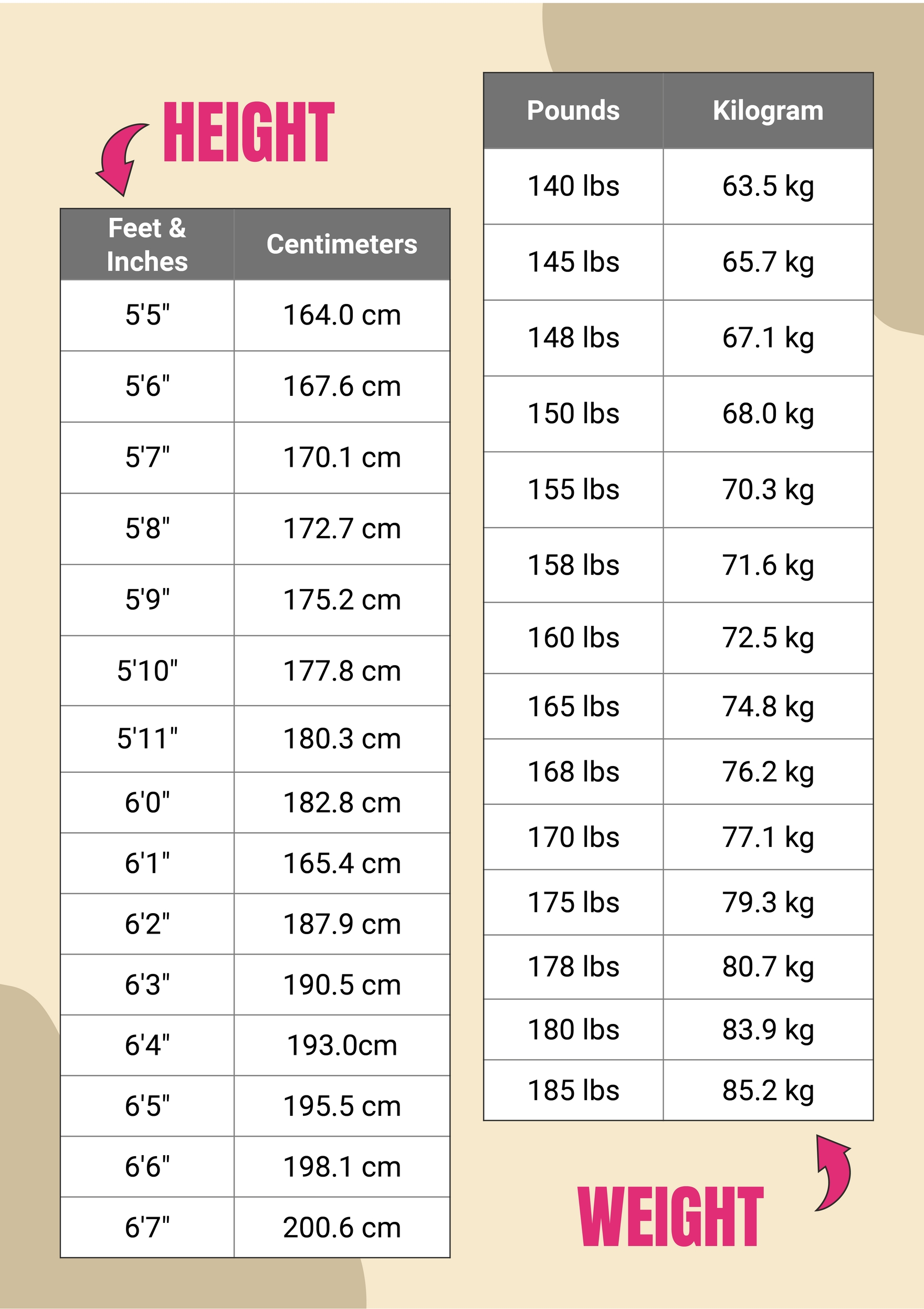
A Normal Weight Chart By Height typically lists height ranges alongside corresponding weight ranges that are considered healthy. These charts are often based on data from health organizations and can vary slightly depending on the source. Generally, they include measurements for children and adults, which can be helpful for parents monitoring their children’s growth over time.
When you look at the chart, you’ll notice that it is divided by age groups, which is crucial. Children grow at different rates, and what’s normal for a toddler may not be the same for a pre-teen. In addition to height and weight, some charts also indicate Body Mass Index (BMI) ranges, which can provide further insight into whether a child is underweight, normal weight, overweight, or obese.
How to Use the Chart Effectively
To use the Normal Weight Chart By Height, start by measuring your child’s height accurately. You can do this by having them stand straight against a wall, ensuring their heels, back, and head are touching the wall. Use a flat object, like a book, to mark their height. Next, weigh your child using a reliable scale. It’s best to do this when they are in minimal clothing for the most accurate reading.
Once you have both measurements, locate your child’s height on the chart. From there, you can see the corresponding weight range. If your child’s weight falls within this range, that’s a good sign of healthy growth. If it’s outside the range, it may be worth discussing with your pediatrician. They can provide guidance tailored specifically to your child’s needs.
Common Mistakes to Avoid
When using the Normal Weight Chart By Height, there are a few common mistakes that you should be aware of:
- Not Considering Growth Patterns: Each child grows at their own pace. It’s essential to track their progress over time rather than fixating on a single measurement.
- Ignoring Other Health Indicators: Weight and height are just two aspects of a child’s health. Factors such as diet, activity level, and overall development should also be considered.
- Using the Chart Incorrectly: Ensure you are using the correct chart for your child’s age group. Using an adult chart for a child can lead to misinterpretation.
- Focusing Solely on Numbers: Remember, every child is unique. The chart is a tool, not the final word on health. Focus on your child’s overall well-being and development.
Where to Keep and Use the Chart
Once you’ve downloaded or printed the Normal Weight Chart By Height, consider where to keep it for easy access. Here are a few ideas:
- In the Child’s Health Folder: If you maintain a folder for your child’s health records, this chart can be a valuable addition. It allows you to keep track of growth alongside vaccination records and medical history.
- On the Fridge: A visible spot like the refrigerator can serve as a reminder to check in on your child’s growth regularly.
- In a Planner: If you use a family planner or calendar, consider noting your child’s growth milestones along with their height and weight measurements for a more comprehensive record.
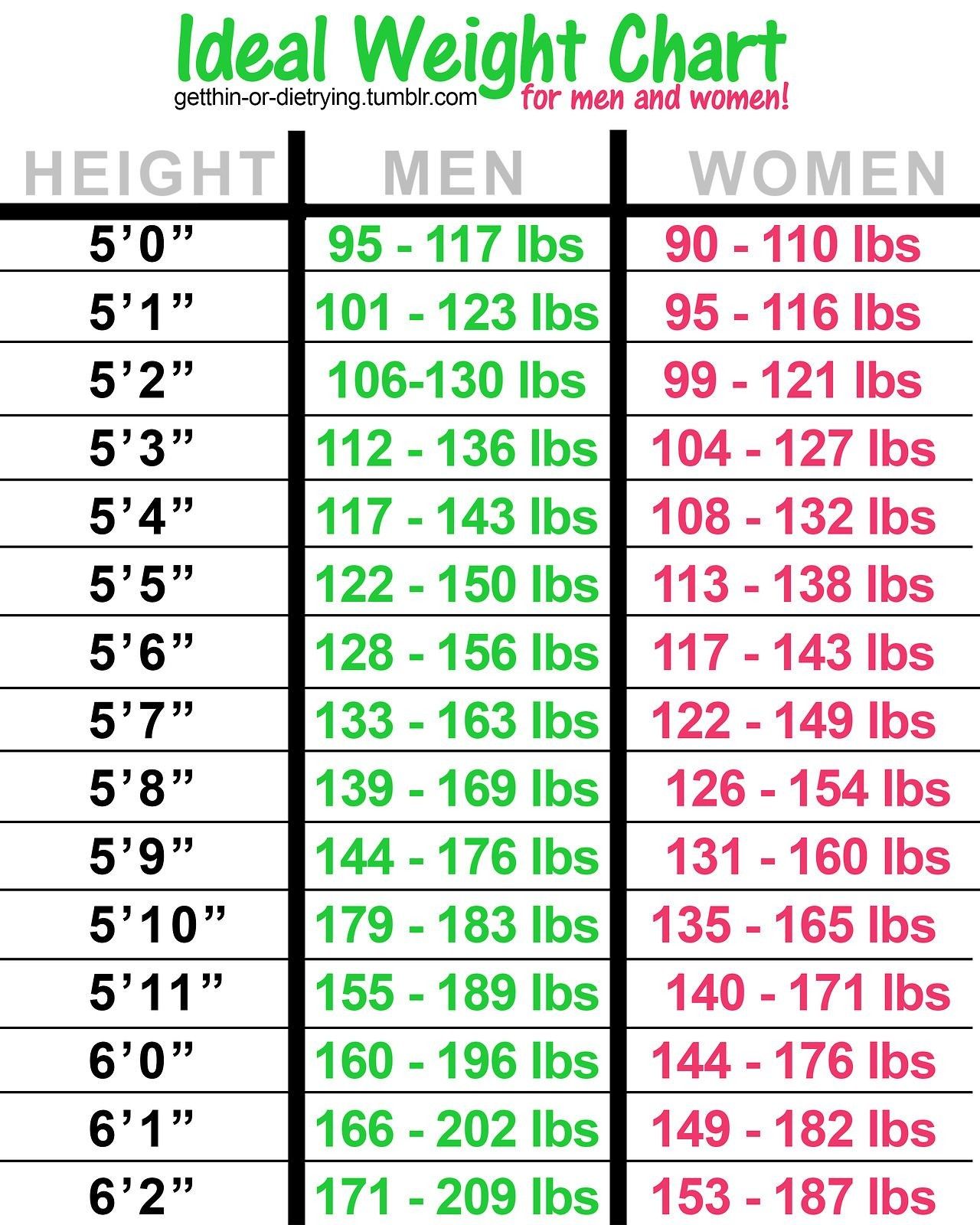
Tips for Encouraging Healthy Growth
As you navigate your child’s growth journey, here are some tips to encourage healthy habits:
- Promote Balanced Nutrition: Ensure your child has access to a variety of healthy foods. Incorporate fruits, vegetables, whole grains, and lean proteins into their meals.
- Encourage Physical Activity: Regular exercise is crucial for healthy growth. Find fun activities that your child enjoys, whether it’s biking, dancing, or playing sports.
- Set a Routine: Children thrive on routine. Establish consistent meal and activity times to help them understand the importance of health.
- Consult Your Pediatrician: Regular check-ups can provide reassurance and professional guidance tailored to your child’s individual needs.
Using a Normal Weight Chart By Height can be a practical way to track your child’s growth, but it’s essential to remember that it’s just one piece of the puzzle. By actively engaging with your child’s health and development, you can ensure they are on the right track. Make it a habit to check their measurements regularly, and don’t hesitate to consult with healthcare professionals if you have any concerns.
For a quick start, print out the chart today and keep it handy for your next doctor’s visit!
