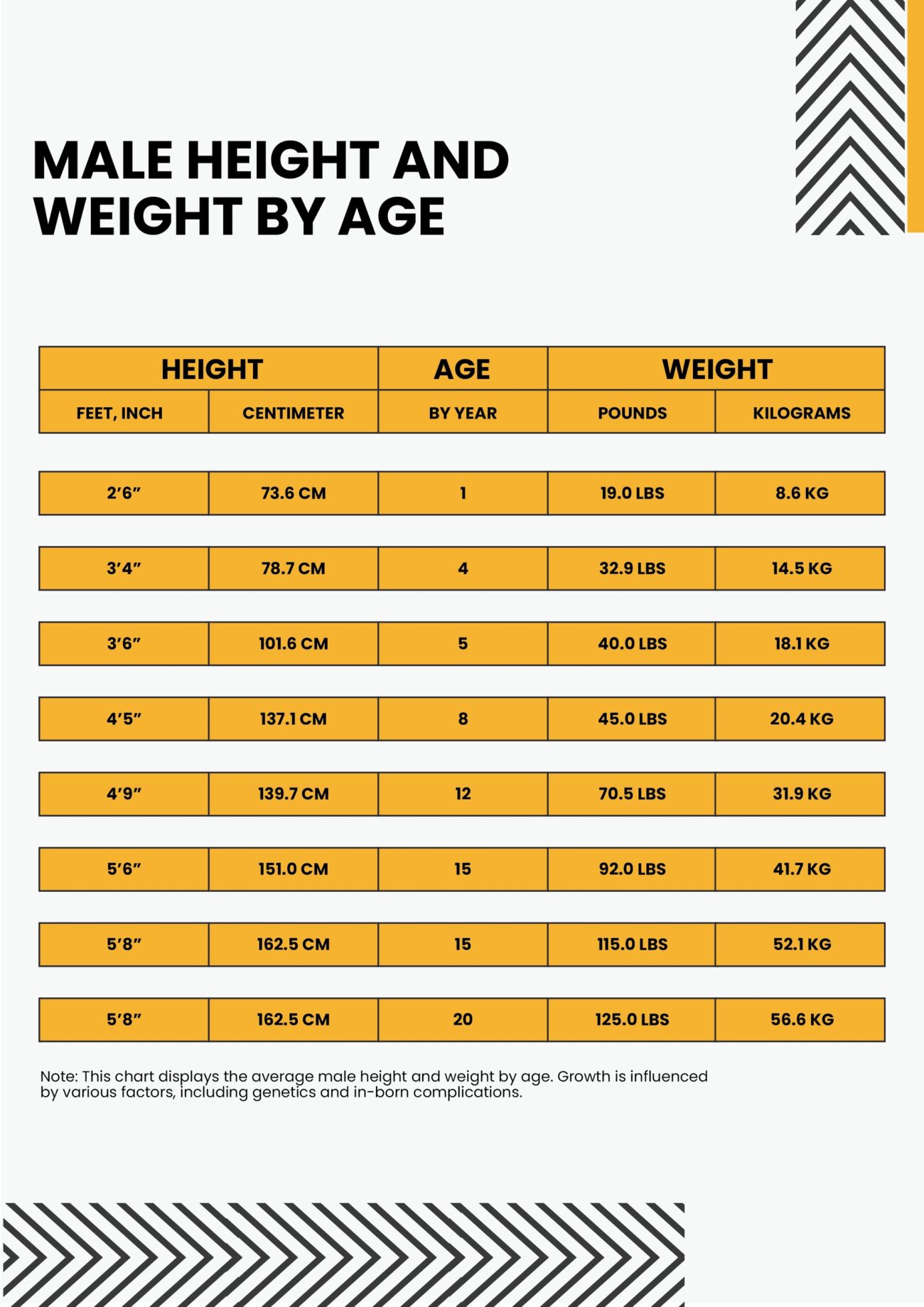
Understanding the Male Weight Chart By Height can be a crucial tool for those looking to manage their weight effectively. This chart provides a clear visual representation of the ideal weight range for men based on their height. By using this chart, you can easily track your progress towards your fitness goals, whether you are aiming to lose weight, gain muscle, or maintain a healthy lifestyle.
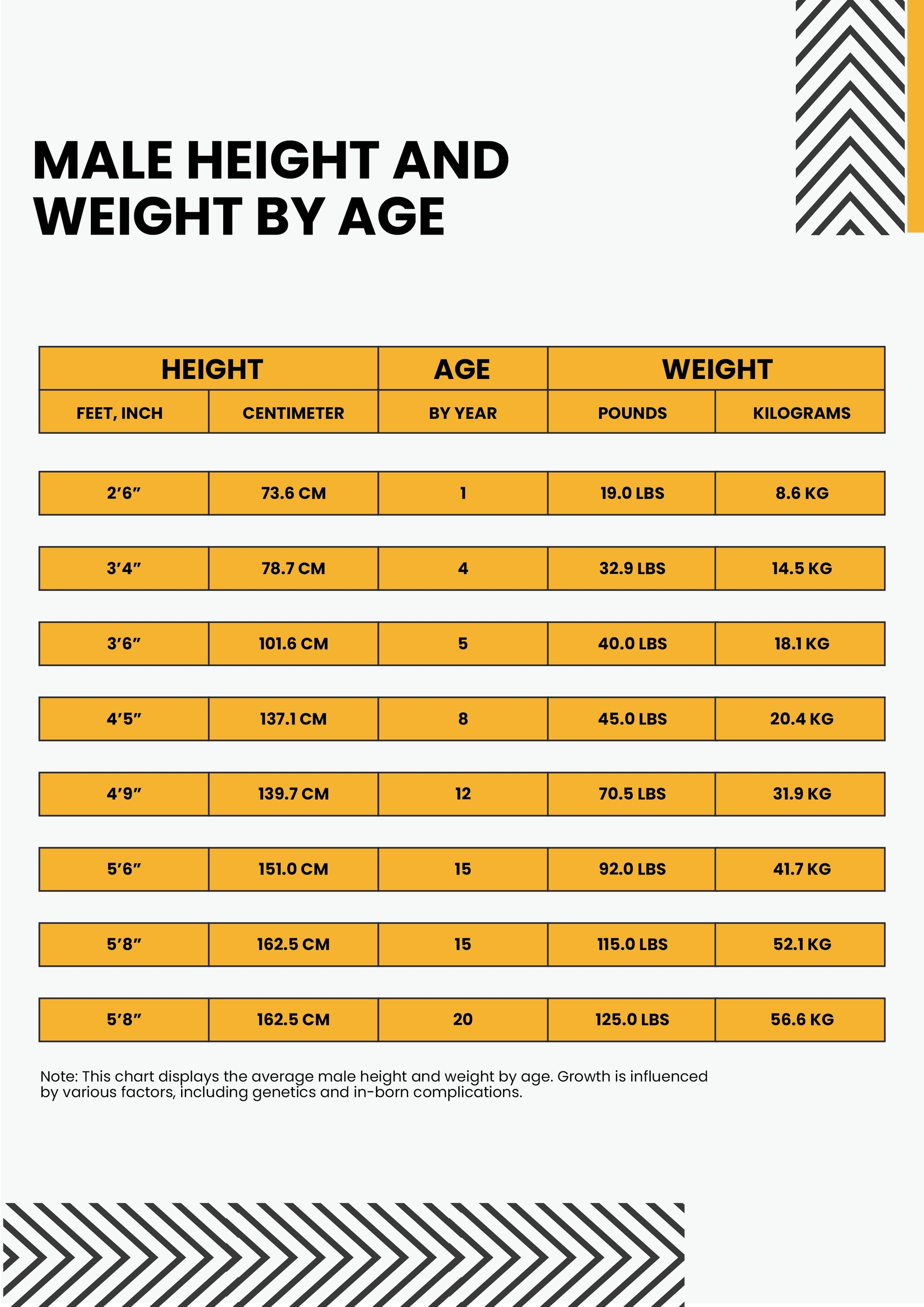
How to Read the Male Weight Chart
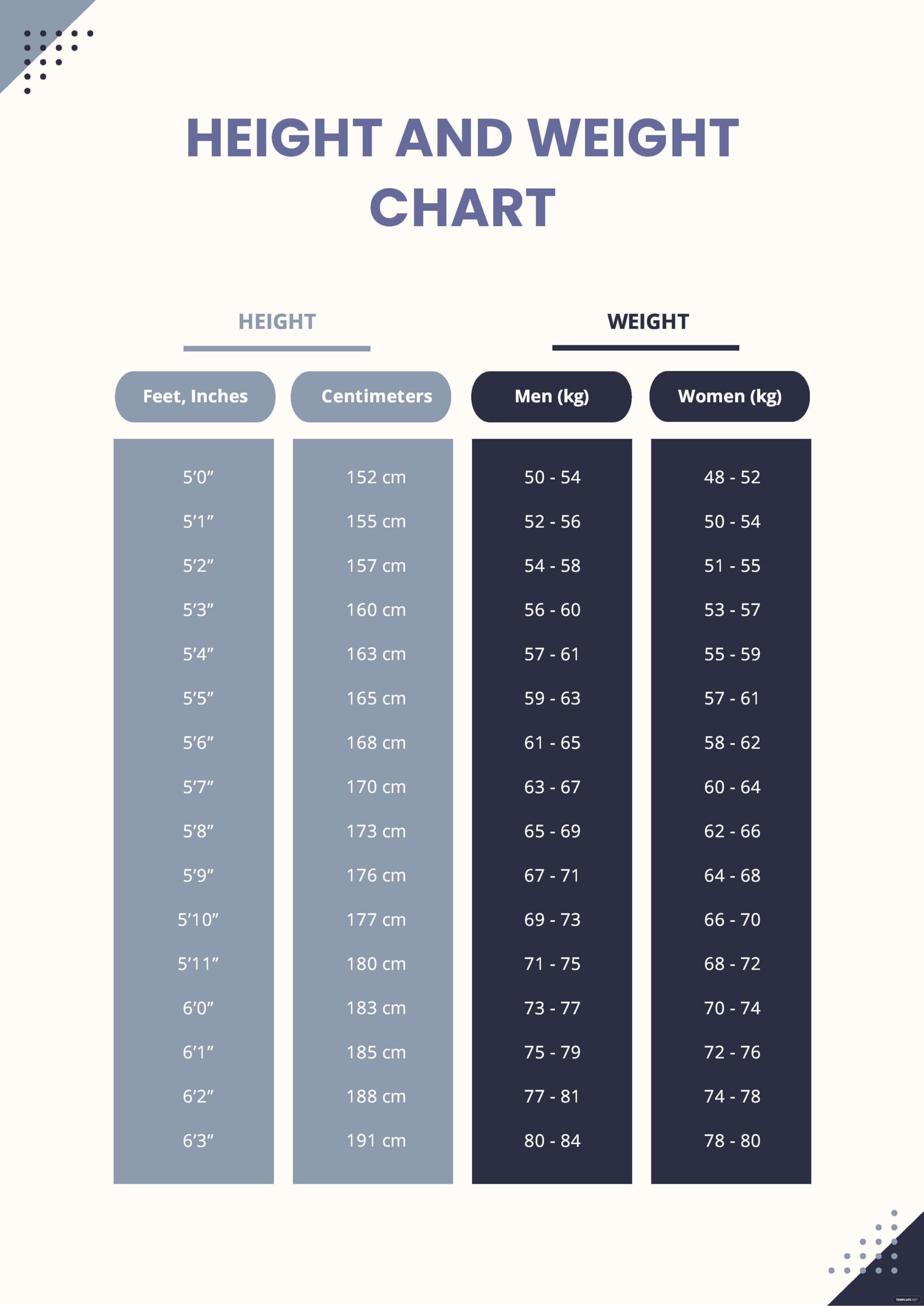
Reading the Male Weight Chart By Height is simple and straightforward. The chart typically lists heights in feet and inches on one axis and corresponding weight ranges on the other. Here’s how to effectively use it:
- Identify Your Height: Locate your height in the left column of the chart. It’s essential to be accurate, as even a small difference can shift your ideal weight range.
- Find Your Weight Range: Once you’ve identified your height, look across the row to see the range of weights that are considered healthy. These ranges often reflect the Body Mass Index (BMI) classifications, which categorize weight into underweight, normal, overweight, and obese.
- Tracking Your Progress: You can print the chart and keep it somewhere accessible, such as on your fridge or in your fitness journal. As you track your weight over time, you can see how it aligns with the recommended ranges.
Why Use a Weight Chart?
Using a Male Weight Chart By Height can help you understand where you stand in terms of healthy weight. Here are some practical reasons to incorporate this resource into your routine:
- Goal Setting: Knowing your ideal weight range helps set realistic fitness goals. Instead of arbitrary numbers, you have a targeted range to work towards.
- Progress Monitoring: Regularly checking your weight against the chart allows you to see if you are on track with your weight management plan. This can be particularly motivating during your fitness journey.
- Health Awareness: The chart can help raise awareness of the health implications of being underweight or overweight. It encourages individuals to maintain a healthy weight for overall well-being.
Where to Download and Print
You can find various versions of the Male Weight Chart By Height available for download online. Here are some tips on how to select and use the right one:
- PDF Format: Look for charts in PDF format. They are easier to print without worrying about reformatting issues that image files sometimes have.
- Check for Updates: Ensure you are using the most current version of the chart, as recommendations can change based on new health guidelines.
- Print Settings: When printing, use a standard letter size (8.5×11 inches) for easy visibility. Portrait layout tends to work better for most home printers. If you’re planning to laminate the chart for durability, consider using cardstock for a sturdier feel.
Common Mistakes to Avoid
While using the Male Weight Chart By Height can be highly beneficial, there are some common pitfalls to avoid:
- Not Considering Muscle Mass: If you’re an athlete or someone who lifts weights regularly, remember that muscle weighs more than fat. The chart might not accurately reflect your ideal weight if you have a higher muscle mass.
- Ignoring Other Health Factors: Weight is just one aspect of health. Factors like diet, exercise, and overall lifestyle should also be considered when assessing your health.
- Setting Unrealistic Goals: It can be discouraging if you set a target weight that is at the extreme end of the healthy range. Focus on gradual changes and celebrate small victories along the way.
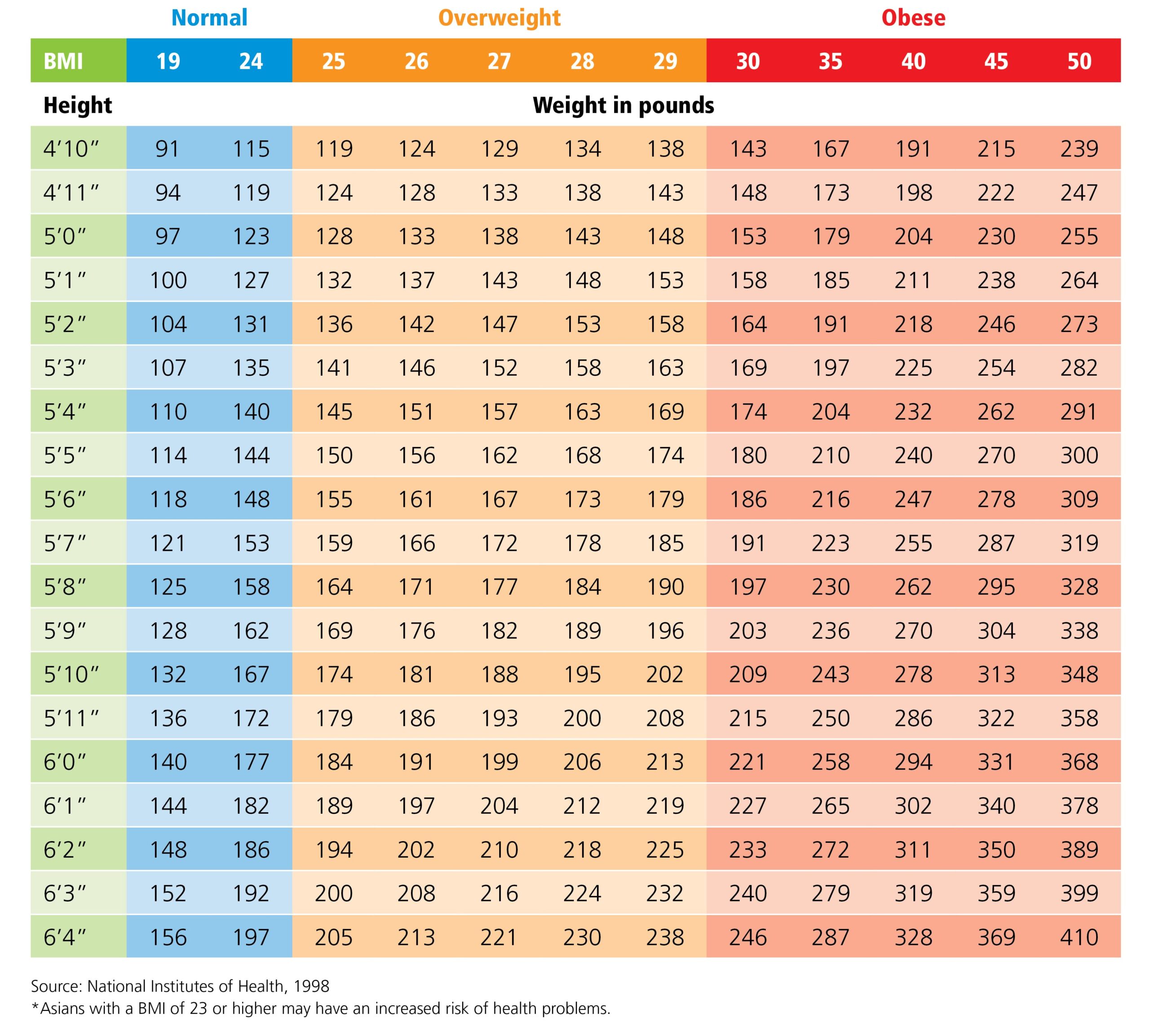
Integrating the Chart Into Your Routine
To make the most of the Male Weight Chart By Height, consider incorporating it into your regular health and fitness routine:
- Weekly Check-Ins: Set a specific day each week to check your weight and see how it compares to the chart. This can help you stay accountable and motivated.
- Pair with a Food Diary: Keep a food diary alongside the chart. Documenting what you eat can provide insights into how your diet impacts your weight and can help you make necessary adjustments.
- Consult with a Professional: If you’re unsure about your weight goals or how to interpret the chart, consider consulting with a healthcare provider or a nutritionist. They can provide personalized advice based on your health profile.
Tracking your weight using the Male Weight Chart By Height is a practical way to stay on top of your health goals. By understanding how to effectively utilize this resource, you can make informed decisions about your fitness journey. Remember, it’s always beneficial to take a holistic approach to health, focusing not just on numbers, but on overall well-being.
