Tracking weight can be a crucial part of maintaining a healthy lifestyle, yet many families struggle with how to interpret weight data effectively. A Weight Chart For Men And Women can help you visualize where you or your family members fall on the weight spectrum. This resource is not just a chart; it’s a practical tool that can guide your weight management and wellness journey. In this article, I’ll guide you through how to use this chart effectively and why it matters.
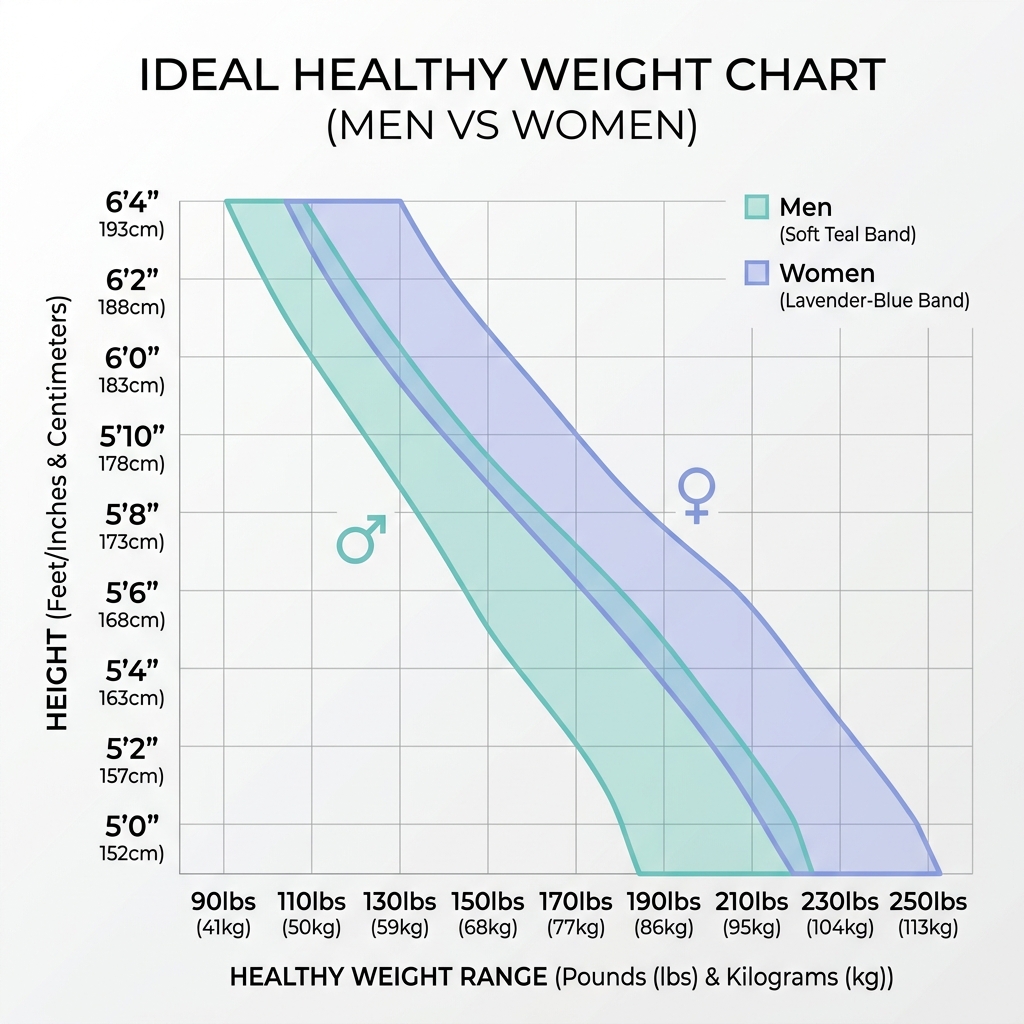
Understanding the Weight Chart
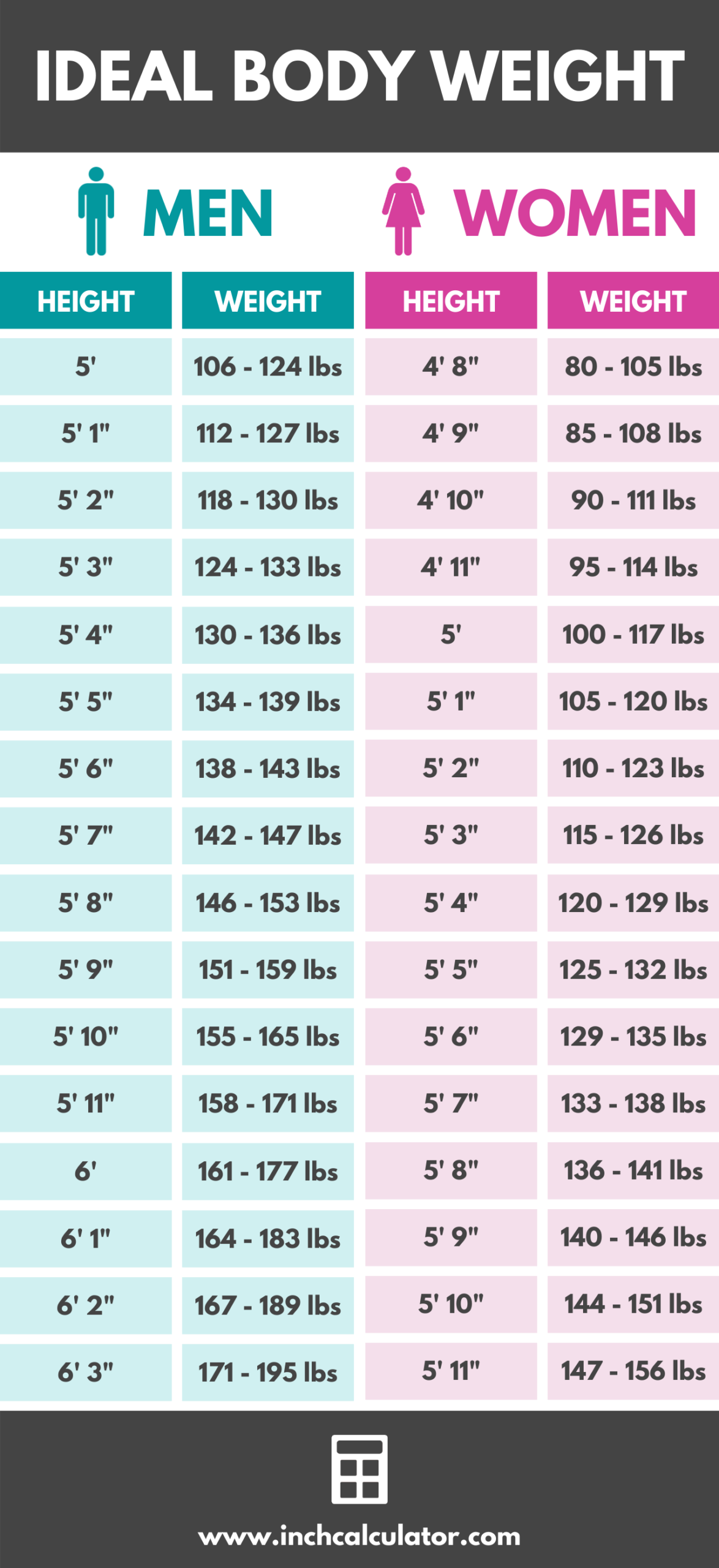
Before diving into how to use the chart, it’s essential to understand what information it provides. Typically, a weight chart includes height and weight ranges for both men and women. It is often categorized by age groups, which can help you assess whether a particular weight is considered healthy based on one’s height.
The primary purpose of this chart is to offer a quick reference for determining healthy weight ranges. It can help you identify if you or your family members fall within a healthy weight range, are underweight, or are overweight. This information can be valuable for planning nutrition, exercise, and lifestyle changes.
How to Read the Weight Chart
Reading a weight chart might seem straightforward, but there are a few nuances to keep in mind. Here’s a step-by-step guide:
- Identify Height: Start by finding the height of the individual in question on the left side of the chart. This is usually listed in inches or centimeters.
- Locate Weight Ranges: Move horizontally across the chart to find the corresponding weight ranges. Each weight listed will represent a point on the spectrum from underweight to overweight.
- Consider Age and Gender: Remember that weight standards can differ based on age and gender. Make sure you are using the correct section of the chart that corresponds to the individual’s age and gender.
- Assess BMI: Although the weight chart offers a quick reference, it’s also helpful to calculate the Body Mass Index (BMI) for a more comprehensive understanding. BMI considers both height and weight and can help clarify whether a weight is healthy.
- Track Changes Over Time: If you’re using this chart over an extended period, consider noting down the weights in a separate tracking sheet. This will help you visualize progress and make informed decisions about health changes.
Using the Weight Chart in Daily Life
Integrating the weight chart into your daily life can be incredibly beneficial. Here are a few practical ways to do so:
- Family Health Checks: Use the chart during family health check-ups. It can help you and your children understand where you stand and encourage healthy habits together.
- Meal Planning: If you find that someone in your family is underweight or overweight, you can use this information to adjust meal planning. Aim for balanced meals that fit within a healthy weight range.
- Fitness Goals: If you’re trying to reach a specific fitness goal, the chart can serve as a motivational tool. Set targets based on the weight ranges and track your progress alongside your fitness routine.
- Discuss with Healthcare Providers: When visiting a doctor or nutritionist, bring the weight chart along. It can serve as a great conversation starter about health goals and strategies.
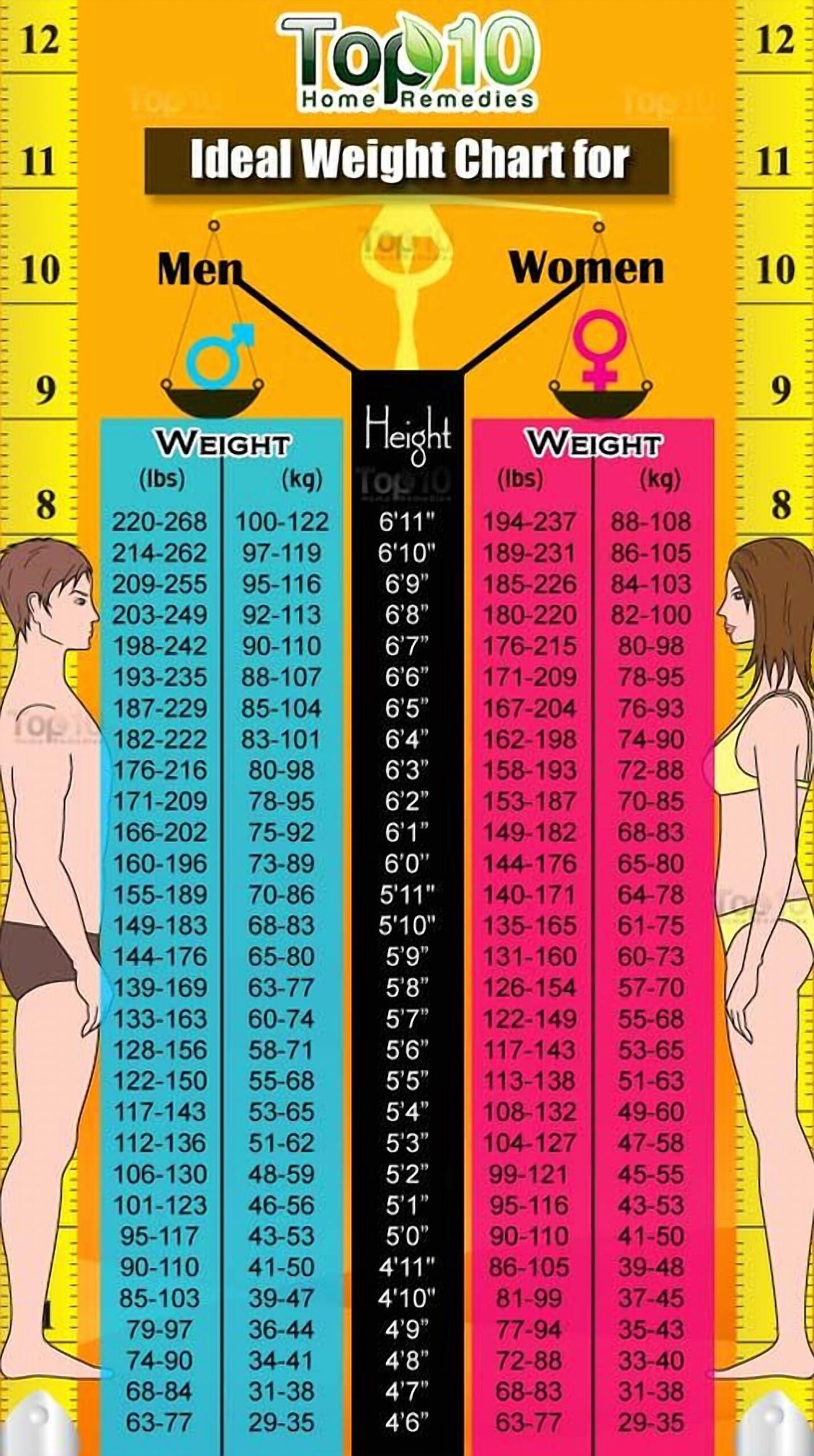
Tips for Downloading and Printing the Weight Chart
When you’re ready to download the Weight Chart For Men And Women, follow these steps to ensure you get the best results:
- Choose the Right Format: Look for a PDF version if available. PDFs typically maintain formatting better than image files.
- Select Paper Size: Most charts are designed for standard paper sizes like A4 or Letter. Make sure your printer is set to the correct size before printing.
- Print Quality: Use a good quality printer to ensure that all text is clear and easy to read. If you plan to use this chart frequently, consider printing it on cardstock for durability.
- Laminating Options: If you want your chart to last longer, think about laminating it. This will help protect it from wear and tear, especially in a busy household.
- Placement: Once printed, place the chart in a visible area, like on the refrigerator or a family bulletin board. This will serve as a constant reminder to check in with your health goals.
