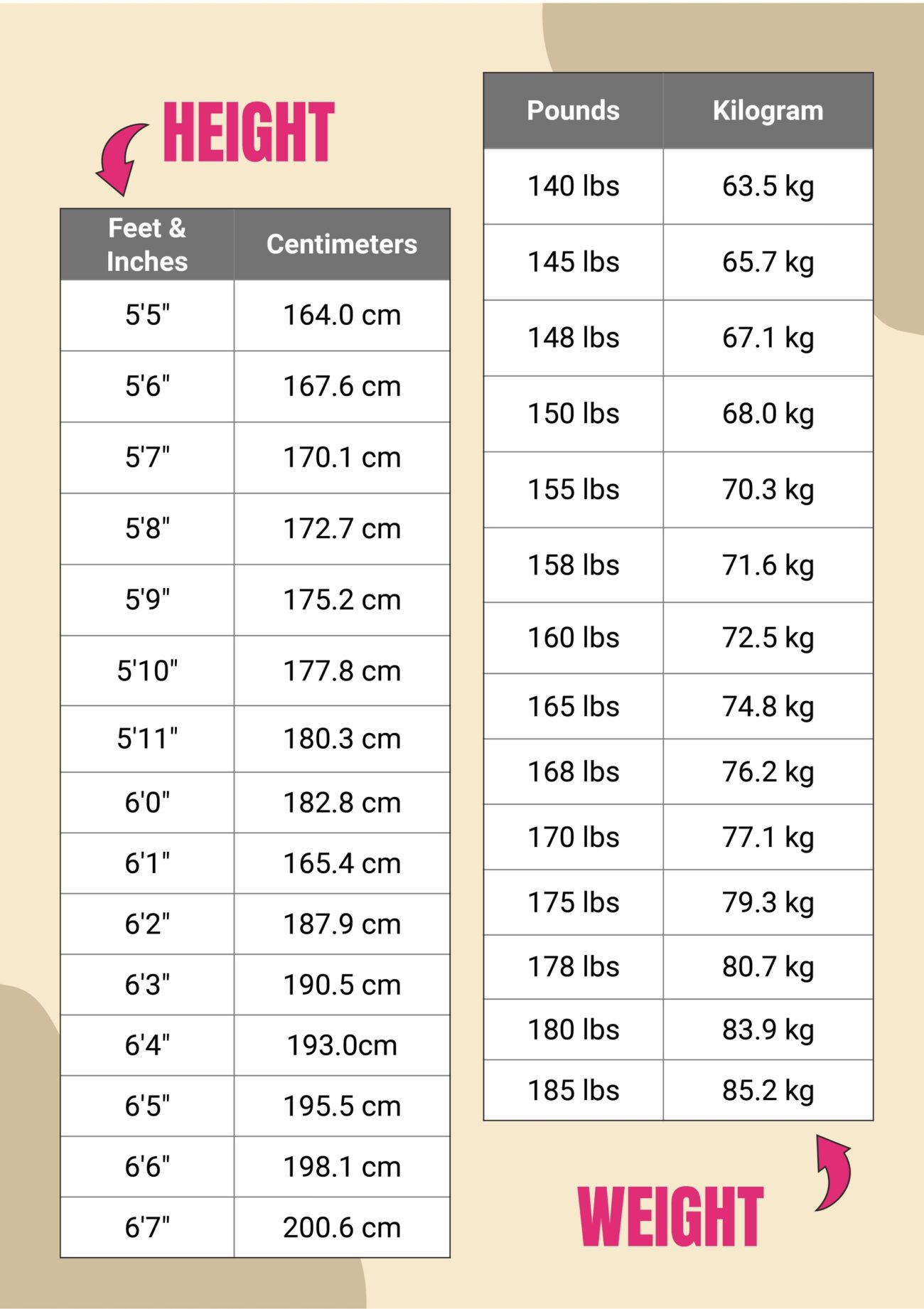
Tracking your weight in relation to your height is crucial for maintaining a healthy lifestyle. The Chart Of Weight According To Height serves as a handy tool for parents, teachers, and health-conscious individuals to easily assess whether a person is within a healthy weight range. This chart can help you monitor growth patterns in children or maintain your own health goals.
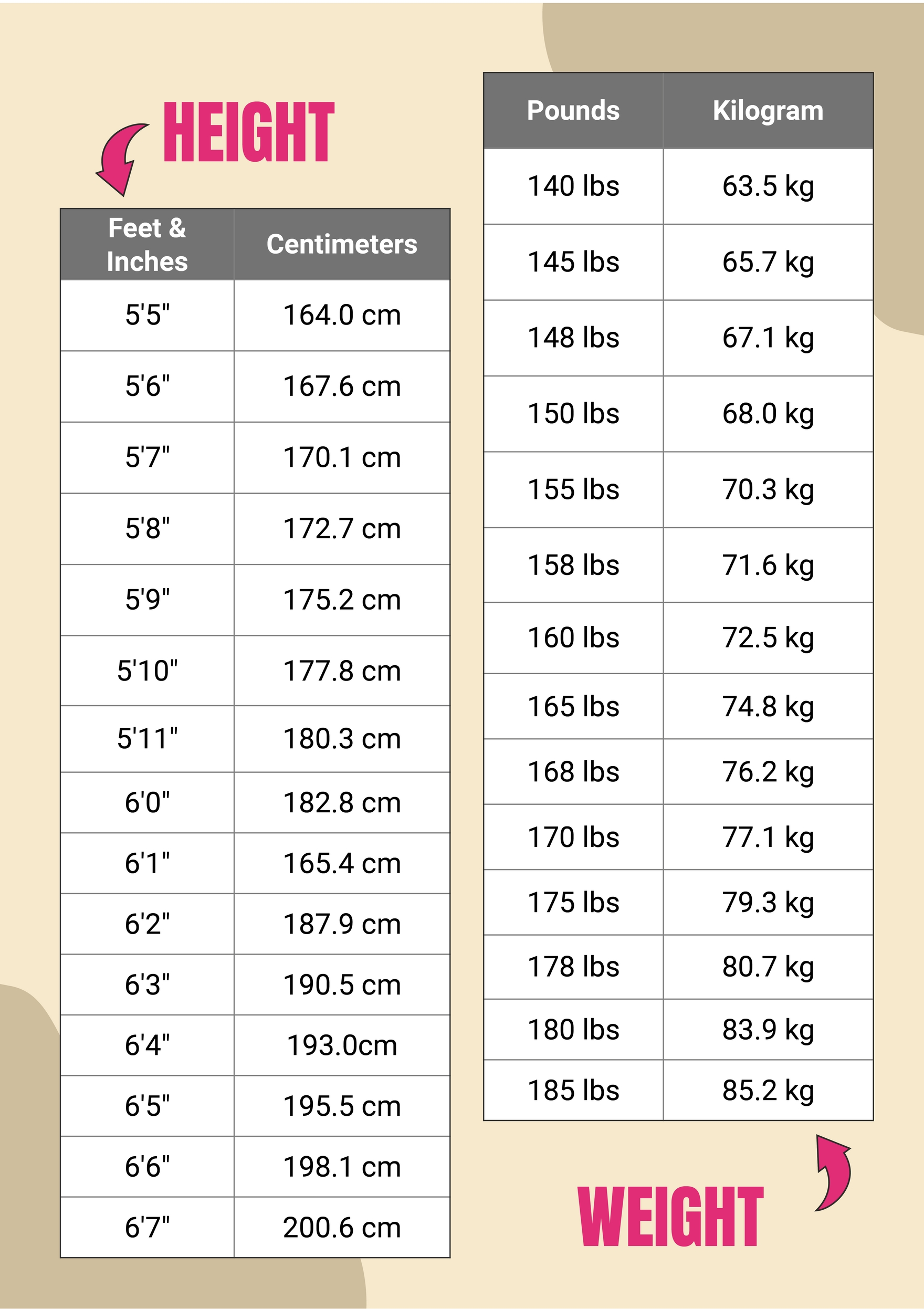
What is the Chart of Weight According to Height?
The Chart Of Weight According To Height is a visual representation that shows how weight correlates with height. This chart typically includes different weight categories, such as underweight, normal weight, overweight, and obese, based on height measurements. It helps individuals and caregivers understand if a person’s weight falls within a healthy range for their specific height.
By using this chart, you can quickly assess whether children are growing appropriately or if adults are maintaining a healthy weight. It’s especially useful during school check-ups or wellness visits to track growth over time.
How to Read the Chart
Understanding how to read the Chart Of Weight According To Height is simple. Here’s a step-by-step guide:
- Find the Height: Locate the height of the individual on the vertical axis of the chart.
- Identify the Weight Range: Move horizontally across the row corresponding to that height to find the recommended weight range.
- Check Weight Categories: Look for color-coded sections or labels that indicate whether the weight is underweight, normal, overweight, or obese.
For instance, if a child is 4 feet 5 inches tall, you would find that height on the chart and see the corresponding weight ranges. This gives you a clear visual on whether the weight is appropriate for that height.
When to Use the Chart
The Chart Of Weight According To Height is useful in several scenarios:
- For Parents: Regularly check your child’s weight against their height to ensure they are growing properly. This is especially important during growth spurts, which are common in childhood and adolescence.
- For Health Professionals: Use the chart during routine check-ups to discuss weight and growth with parents and patients. It can serve as a helpful visual aid in explaining health concerns.
- For Personal Use: If you’re an adult looking to maintain or reach a healthy weight, this chart can guide your fitness and dietary choices.
Ideal Uses for the Chart
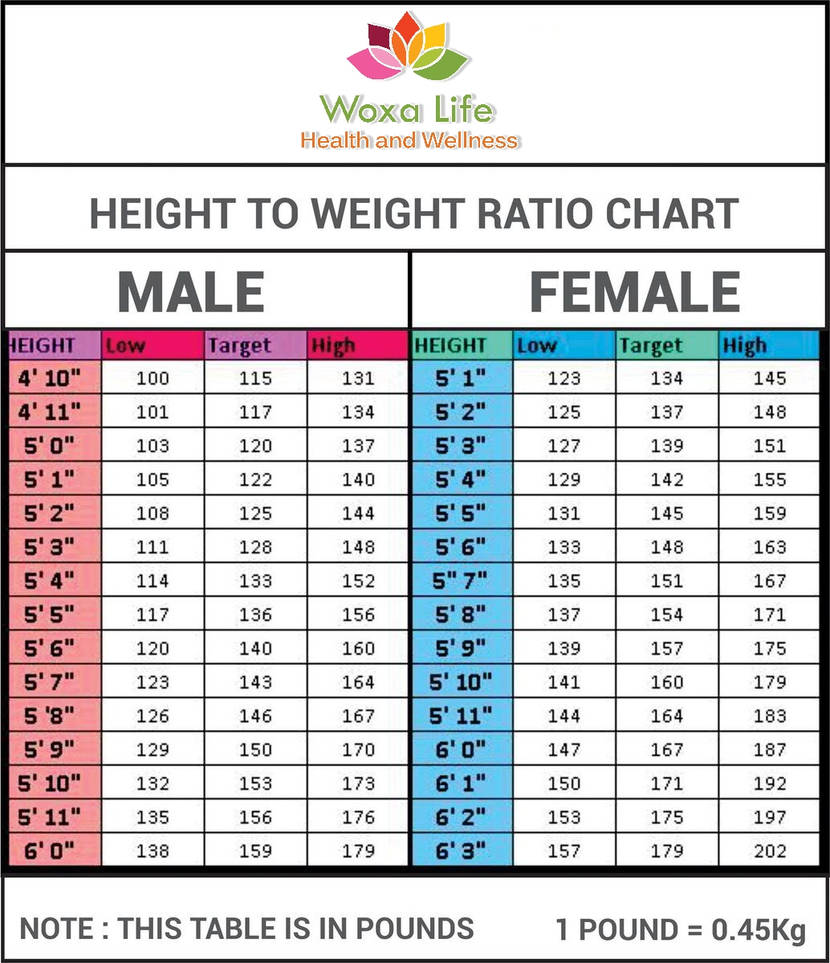
- School Health Assessments: Many schools conduct health screenings, and this chart can help assess student health.
- Fitness Goals: If you’re working on personal fitness goals, regularly referring to this chart can help you stay on track.
How to Fill in the Chart
To make the most of the Chart Of Weight According To Height, consider filling it out for personal tracking. Here’s how:
- Download the Chart: Get a printable version from a trusted resource. Ensure it’s clear and easy to read.
- Record Measurements: Measure height accurately, preferably in bare feet. Weigh the individual on a scale.
- Fill in the Chart: Mark the corresponding weight and height on the chart. This creates a visual reference for future assessments.
Presentation Quality Matters
When printing your chart, consider using high-quality paper, such as cardstock, to ensure durability. This is particularly important if you plan to display it in a common area, like the kitchen or bathroom. Using a color printer can also enhance readability, especially if your chart includes color-coded weight categories.
Adapting the Chart for Personal Use
You can adapt the Chart Of Weight According To Height to suit your needs:
- Create a Growth Tracker: For children, consider adding a section to note dates and corresponding weights. Over time, this can show growth trends.
- Set Health Goals: Use the chart as a baseline for setting personal health goals. Adjust your diet and exercise routine based on the insights it provides.
- Share with Health Professionals: If you’re working with a nutritionist or doctor, bring your filled-out chart to appointments for a more informed discussion about health.
By personalizing the chart, you not only make it more relevant but also ensure that it serves as an effective tool in your health management toolkit.
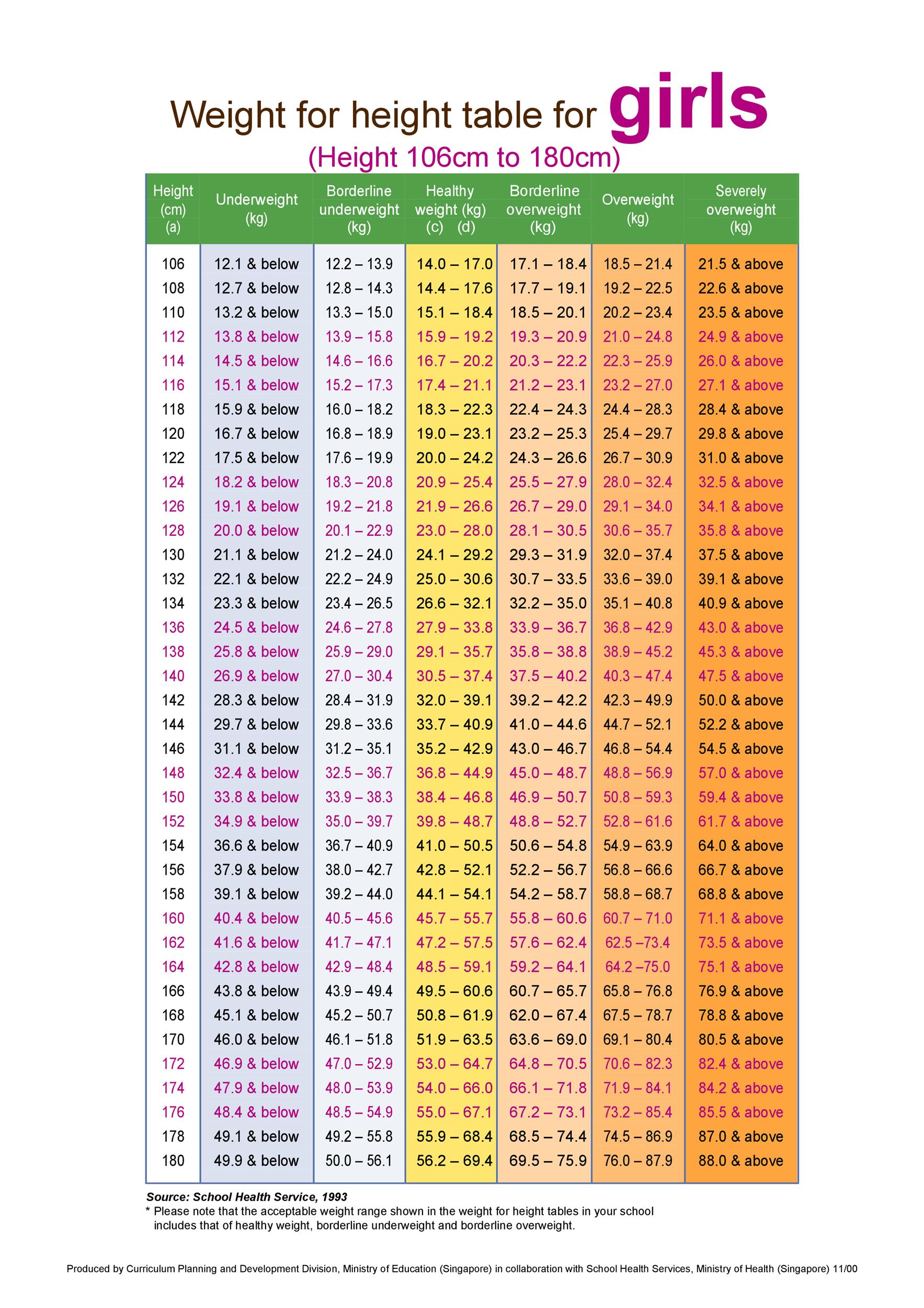
Next Steps With Your Chart
Now that you understand the importance and functionality of the Chart Of Weight According To Height, it’s time to take action:
- Download a Reliable Version: Look for a comprehensive chart that suits your family’s needs.
- Regularly Update: Make it a habit to revisit and update the chart every few months, especially for growing children.
- Educate Others: Share this resource with family members or friends who might also benefit from tracking their weight and height.
This simple yet effective tool can be a game-changer in maintaining health and wellness. By using the Chart Of Weight According To Height, you can foster a better understanding of your health and that of your loved ones.
