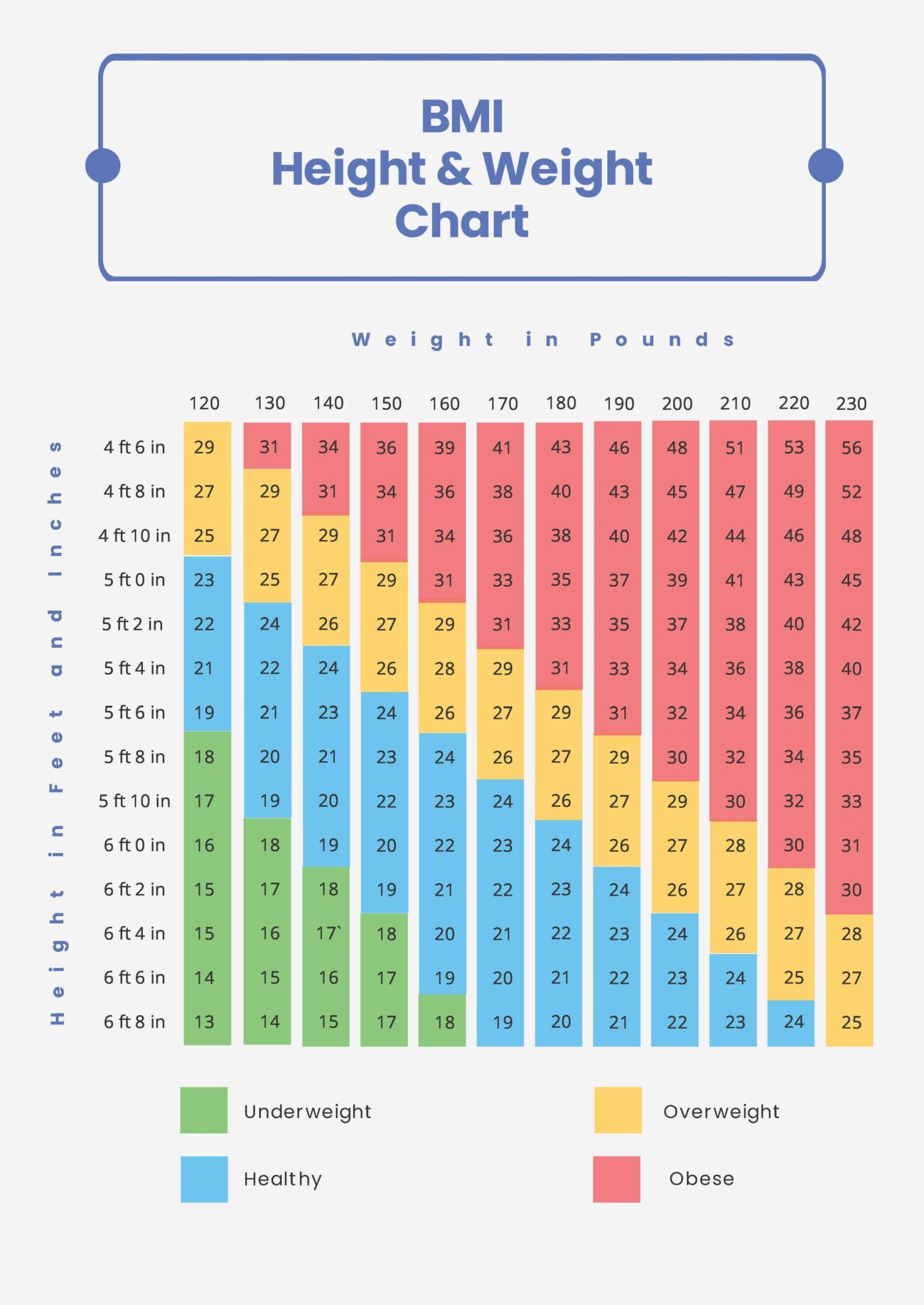
When it comes to monitoring your child’s growth, a Chart For Weight And Height is an essential tool. This resource not only provides a visual representation of how your child is developing but also allows you to track their progress over time. Understanding the layout and how to effectively use this chart can help you identify any potential health concerns early on.
Understanding the Layout of the Chart
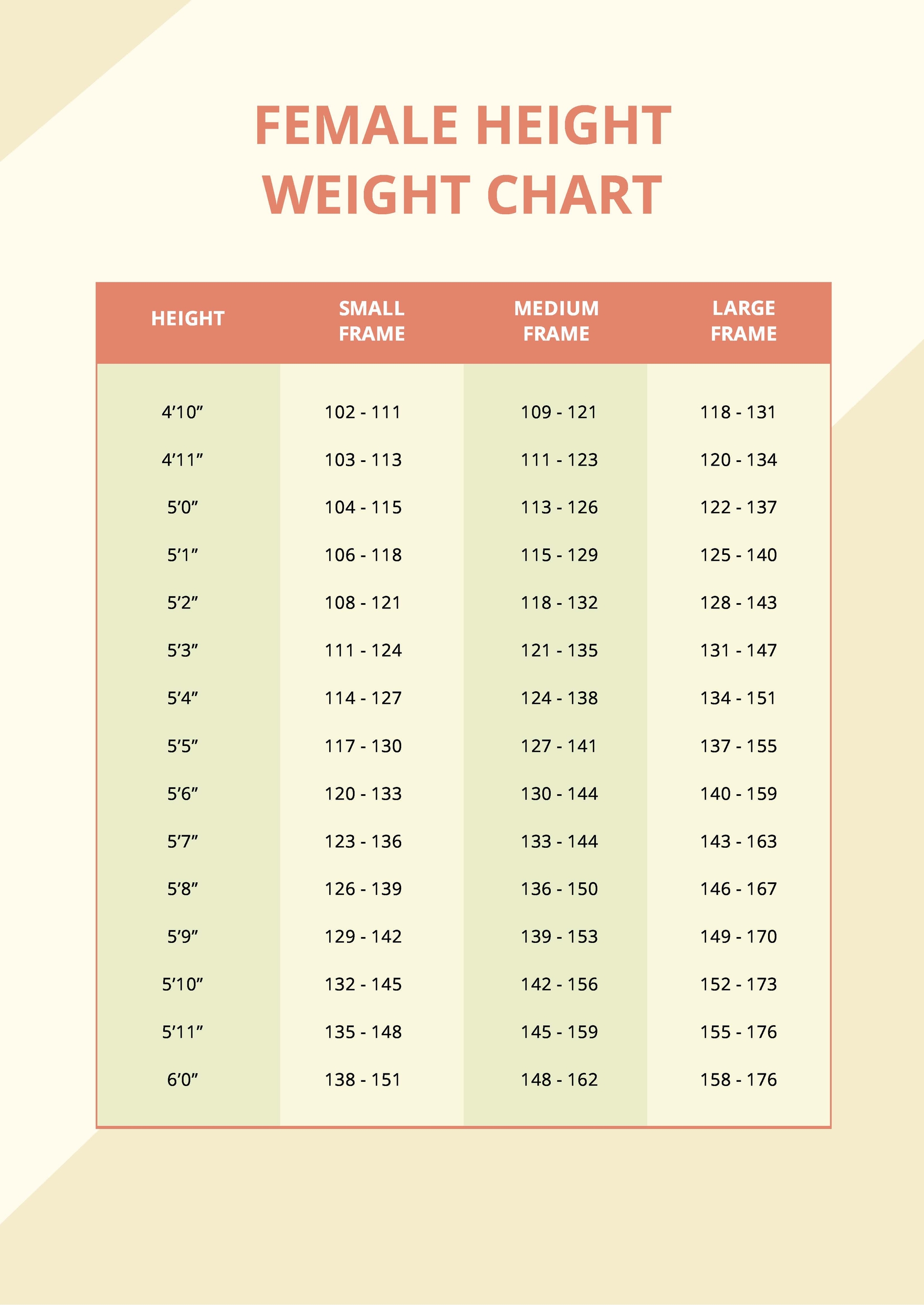
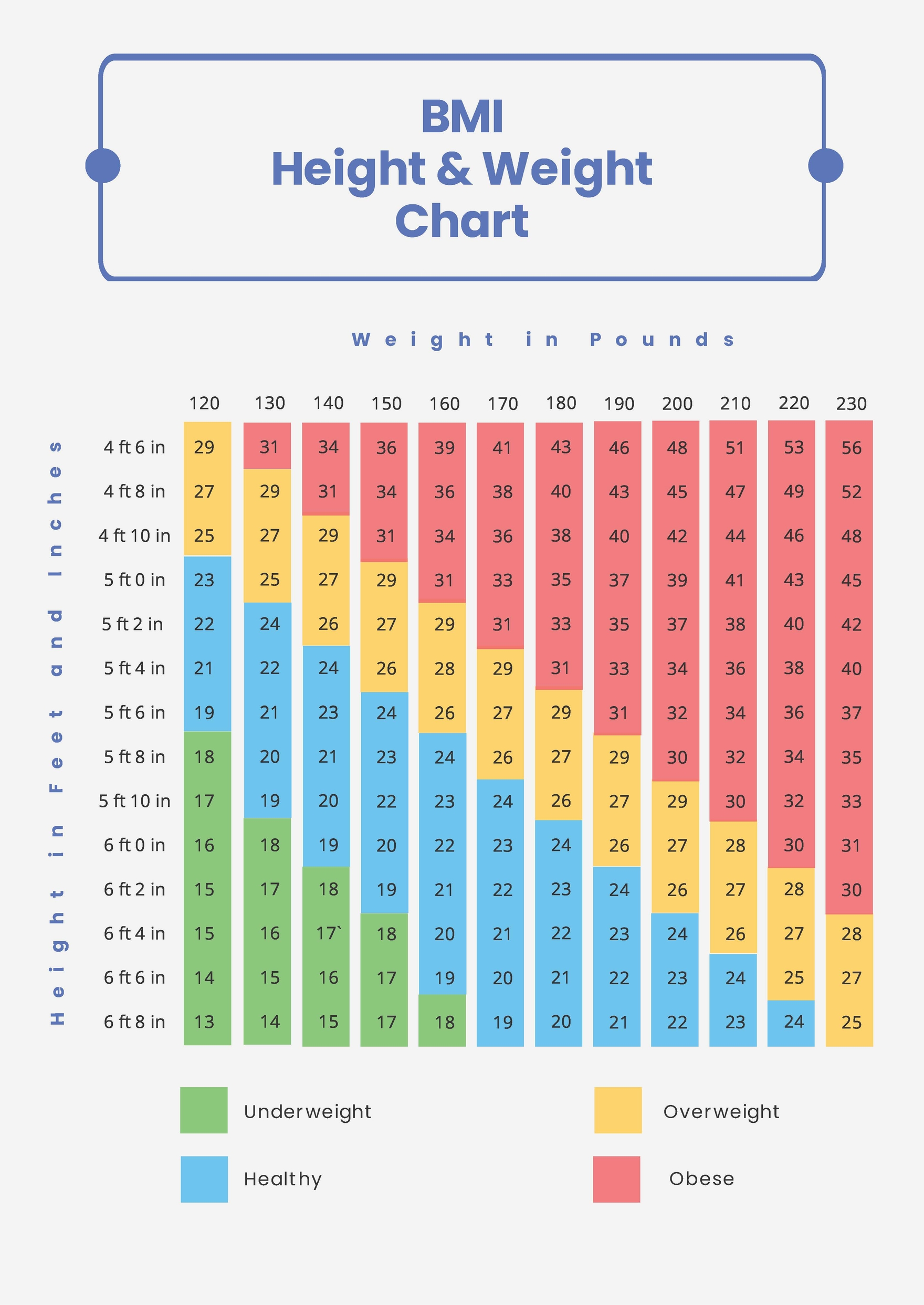
A typical weight and height chart is designed with two axes: one for height and one for weight. The vertical axis usually represents height, measured in inches or centimeters, while the horizontal axis represents weight, typically in pounds or kilograms. The chart is divided into percentiles, which can help you see how your child’s growth compares to others of the same age and gender.
The percentiles on the chart are crucial. For example, if your child falls at the 50th percentile for height, it means they are taller than 50% of their peers. This visual representation can help you quickly assess their growth patterns.
You may also notice that some charts include different lines for boys and girls due to the differences in growth patterns. It’s beneficial to choose a chart appropriate for your child’s gender to get the most accurate representation of their growth.
Filling in the Chart: Digital Vs. Printed
When it comes to filling out the chart, you have two main options: digital or printed. If you prefer a digital experience, many weight and height charts are available as fillable PDFs. This allows you to enter information directly on your device, which can be convenient for tracking growth over time.
However, there’s something satisfying about using a printed version. Filling it in by hand can make the process feel more personal and tangible. When printing, consider using a heavier paper, like cardstock, to ensure durability, especially if you plan on keeping the chart for several years. Portrait layout tends to work better for most home printers and gives you ample space to write.
Regardless of the method you choose, ensure that you regularly update the chart with your child’s measurements. This practice not only keeps you informed about their growth but can also be a fun way to engage with them about their health.
Practical Uses for the Chart
Using a Chart For Weight And Height can serve multiple purposes beyond just tracking growth. It can be a helpful conversation starter during pediatric visits, allowing you to discuss any concerns with your child’s doctor. You can also use the chart to set health goals, whether that’s aiming for a healthy weight or encouraging physical activity.
For parents, this chart is a great way to visualize growth spurts. You might notice periods where your child grows taller rapidly, followed by phases of increased weight gain. Understanding these patterns can help you anticipate changes in their wardrobe needs or dietary requirements.
Additionally, consider keeping a separate chart for each child if you have multiple children. This way, you can compare their growth patterns without confusion and celebrate their milestones together.
Tips for Effective Use
To get the most out of your Chart For Weight And Height, here are some practical tips:
- Regular Updates: Measure your child’s height and weight at regular intervals, such as every six months. This frequency helps you catch any unusual growth patterns early.
- Consistency: Always measure your child under similar conditions. For height, ensure they are standing straight against a wall, and for weight, use the same scale each time.
- Engagement: Involve your child in the process. Let them help measure their height or weigh themselves. This can foster a sense of responsibility regarding their health.
- Review with Professionals: Bring the chart to your child’s doctor visits. It provides a clear visual aid for discussions about their health and development.
By following these tips, you can ensure that your Chart For Weight And Height remains an accurate and valuable resource for tracking your child’s growth.
The Importance of Growth Tracking
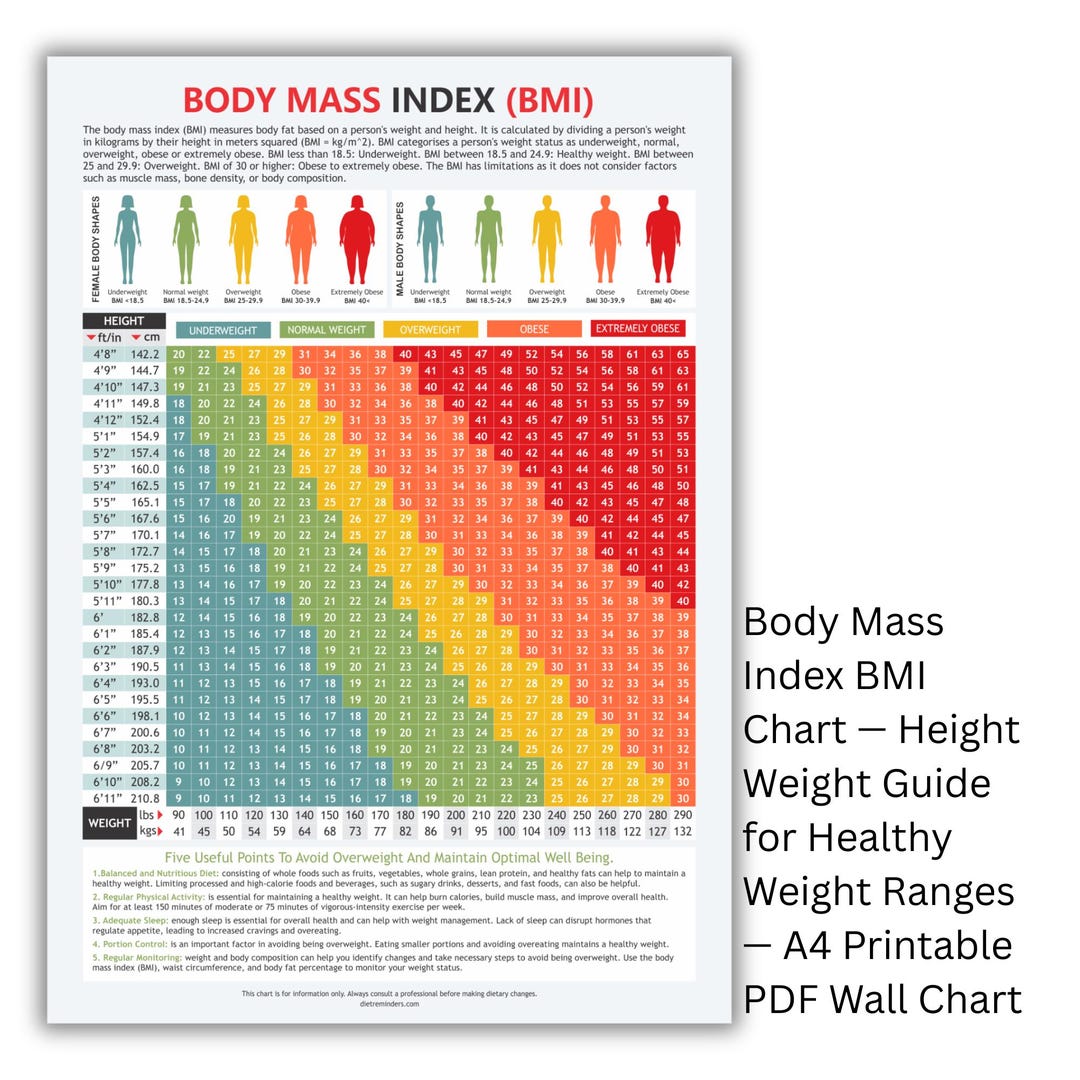
Tracking growth with a Chart For Weight And Height is not just about numbers; it’s about understanding your child’s health journey. Monitoring their growth can help you make informed decisions about their nutrition and physical activity, ensuring they lead a healthy lifestyle.
Each chart serves as a record of their development, capturing milestones that you will cherish. It can also help you recognize when things seem off and prompt you to seek advice from healthcare professionals.
A notable detail to remember is that growth patterns can vary significantly; some children may grow steadily, while others may have bursts of growth. Understanding these variations can help you maintain a healthy perspective on your child’s development, helping you support them in their growth journey.
