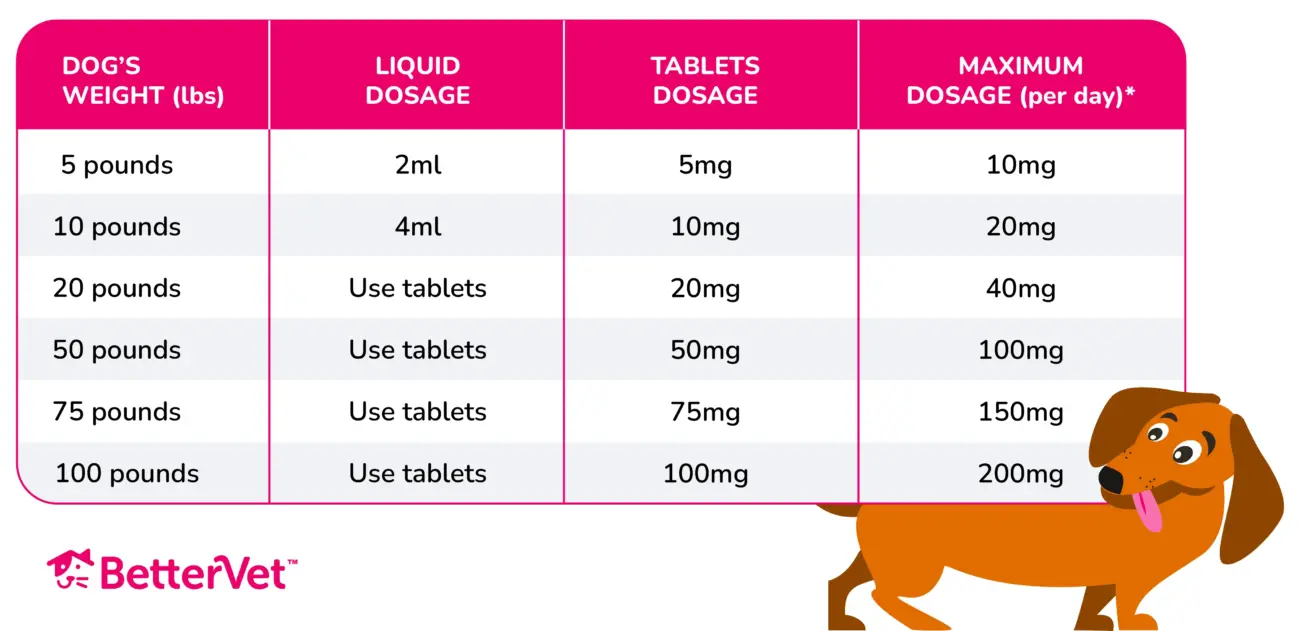
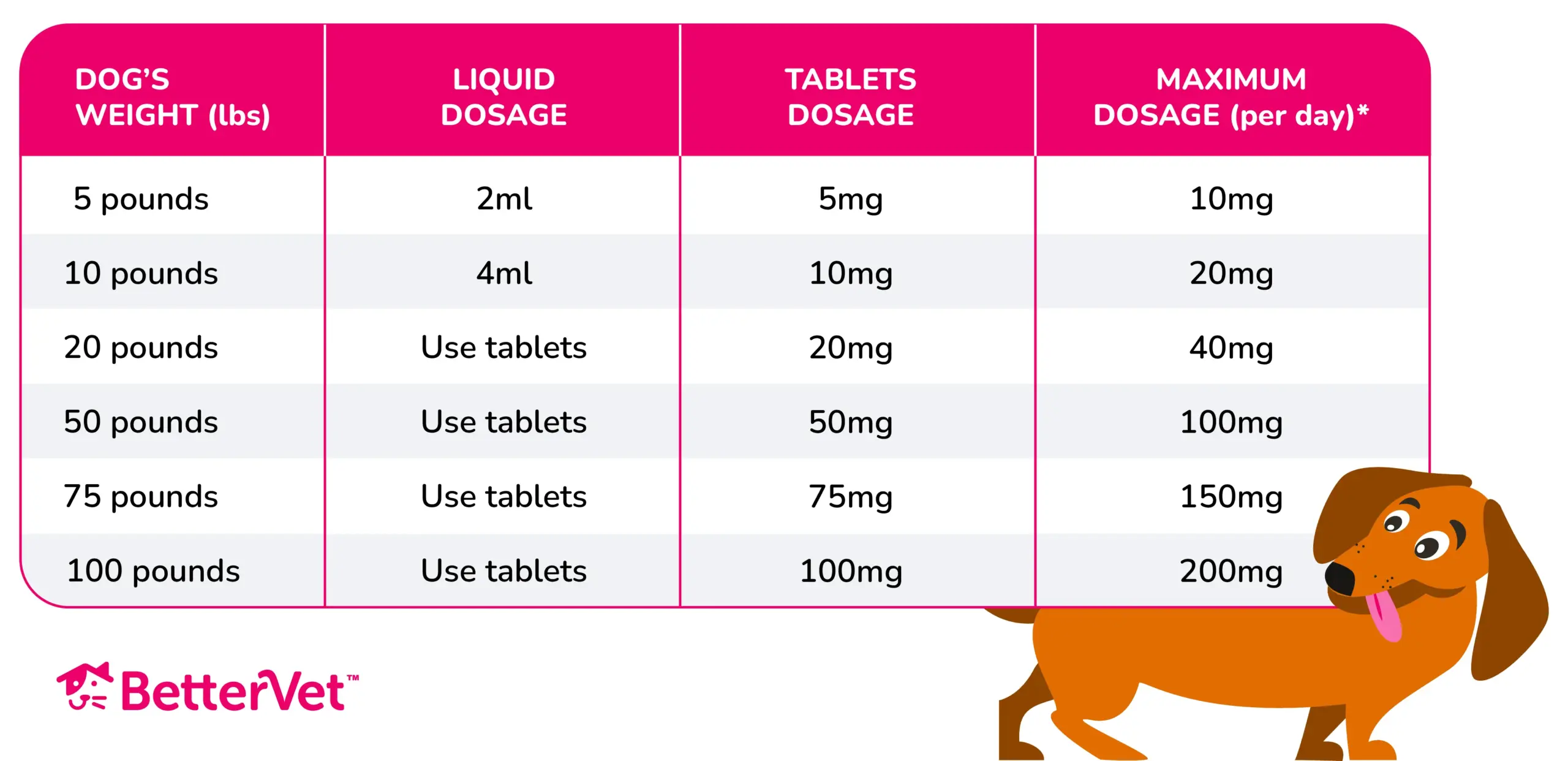
When it comes to giving your dog medication, especially something like Lorazepam, understanding the appropriate dosage is essential for their safety and well-being. The Lorazepam Dog Dosage Chart By Weight provides pet owners with a handy reference to ensure that they are administering the correct amount of medication based on their dog’s weight. This chart is a practical tool for anyone who wants to ensure their furry friend gets the right treatment without the risk of overdosing or underdosing.
Understanding Lorazepam for Dogs
Lorazepam is a medication commonly prescribed to help dogs manage anxiety or seizures. It belongs to the benzodiazepine class of drugs, which work by calming the nervous system. While it can be incredibly effective, it’s crucial to use it under the guidance of a veterinarian. This is where the Lorazepam Dog Dosage Chart By Weight comes into play, allowing you to find the right dosage based on your dog’s specific weight.
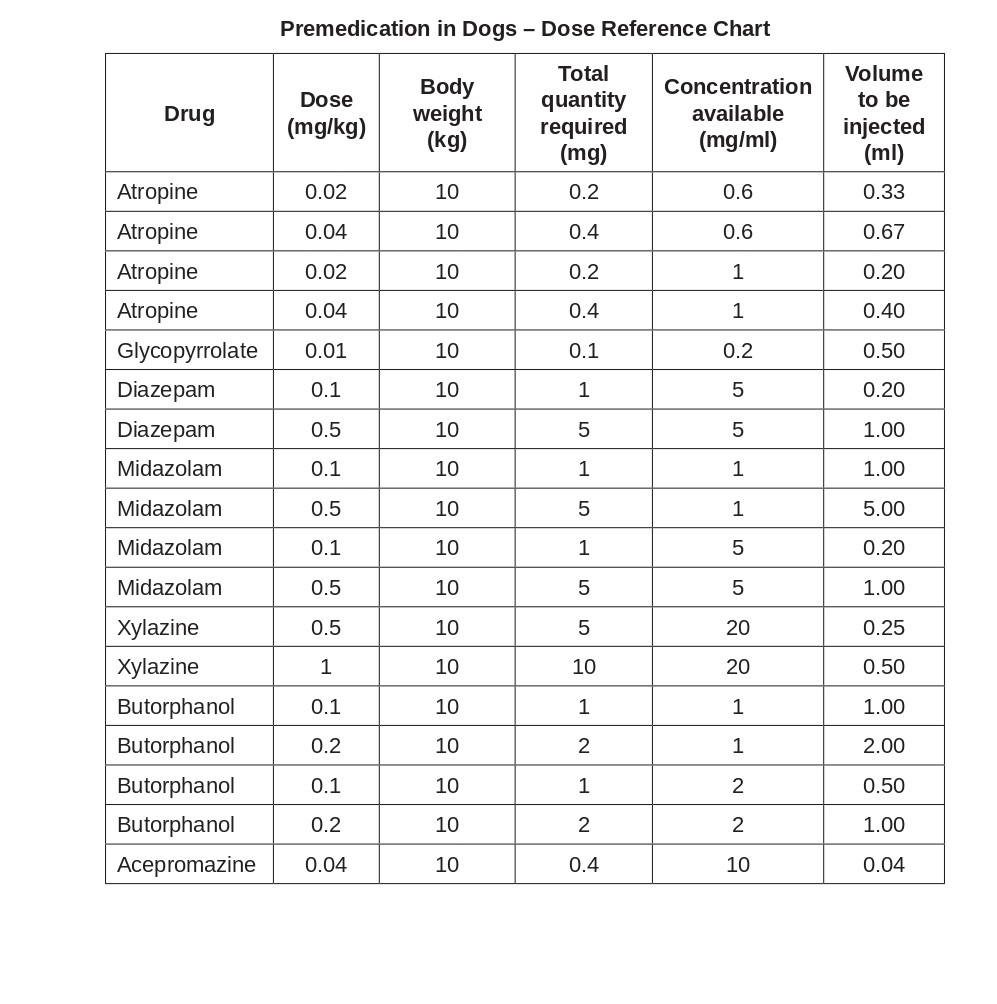
Dogs are not all the same size, and their weight will significantly influence how much medication they need. For instance, a small dog may require a much lower dosage than a large breed. This chart will typically indicate dosages in milligrams (mg) per kilogram (kg) of body weight, making it easier to calculate how much Lorazepam your dog should receive.
How to Use the Lorazepam Dosage Chart
Using the Lorazepam Dog Dosage Chart By Weight is straightforward. Here’s how you can effectively use this resource:
- Weigh Your Dog: Start by accurately weighing your dog. You can use a bathroom scale for smaller dogs or a pet scale for larger ones. Ensure that the weight is measured in kilograms for compatibility with the chart.
- Find the Dosage: Locate your dog’s weight on the chart. The dosage will be listed next to their weight, typically indicating the recommended amount of Lorazepam in mg.
- Calculate the Total Dosage: If your dog’s weight falls between two listed weights, you may need to perform a simple calculation. For example, if the chart suggests 0.1 mg per kg and your dog weighs 10 kg, then the total dosage would be 1 mg.
- Administer the Medication: Always double-check with your veterinarian before giving any medication. They might have specific instructions on how to administer Lorazepam, including whether it should be given with food or on an empty stomach.
Safety Precautions to Consider
While using the Lorazepam Dog Dosage Chart By Weight is a vital step in ensuring your dog’s safety, there are additional precautions you should take:
- Consult Your Veterinarian: Before starting any medication, have a thorough discussion with your vet about Lorazepam’s potential side effects and interactions with other medications your dog may be taking.
- Monitor Your Dog: After administering Lorazepam, keep an eye on your dog for any unusual behavior. Side effects can include drowsiness, confusion, or changes in appetite.
- Adjust for Special Conditions: If your dog has underlying health issues, the dosage may need to be adjusted. Always keep your veterinarian in the loop regarding your dog’s health status.
When to Use Lorazepam for Dogs
Understanding when to use Lorazepam is just as important as knowing the correct dosage. This medication is typically prescribed for:
- Anxiety Disorders: If your dog exhibits signs of anxiety during thunderstorms, fireworks, or separation anxiety, Lorazepam may be recommended to calm them down.
- Seizures: In some cases, veterinarians may prescribe this medication as part of a treatment plan for dogs suffering from seizures.
- Pre-surgery Sedation: Lorazepam can also be used to help sedate dogs before surgical procedures, making the process less stressful for both the pet and the owner.
Make sure to follow your veterinarian’s instructions closely when using Lorazepam, especially in stressful situations.
Downloading and Printing Your Dosage Chart
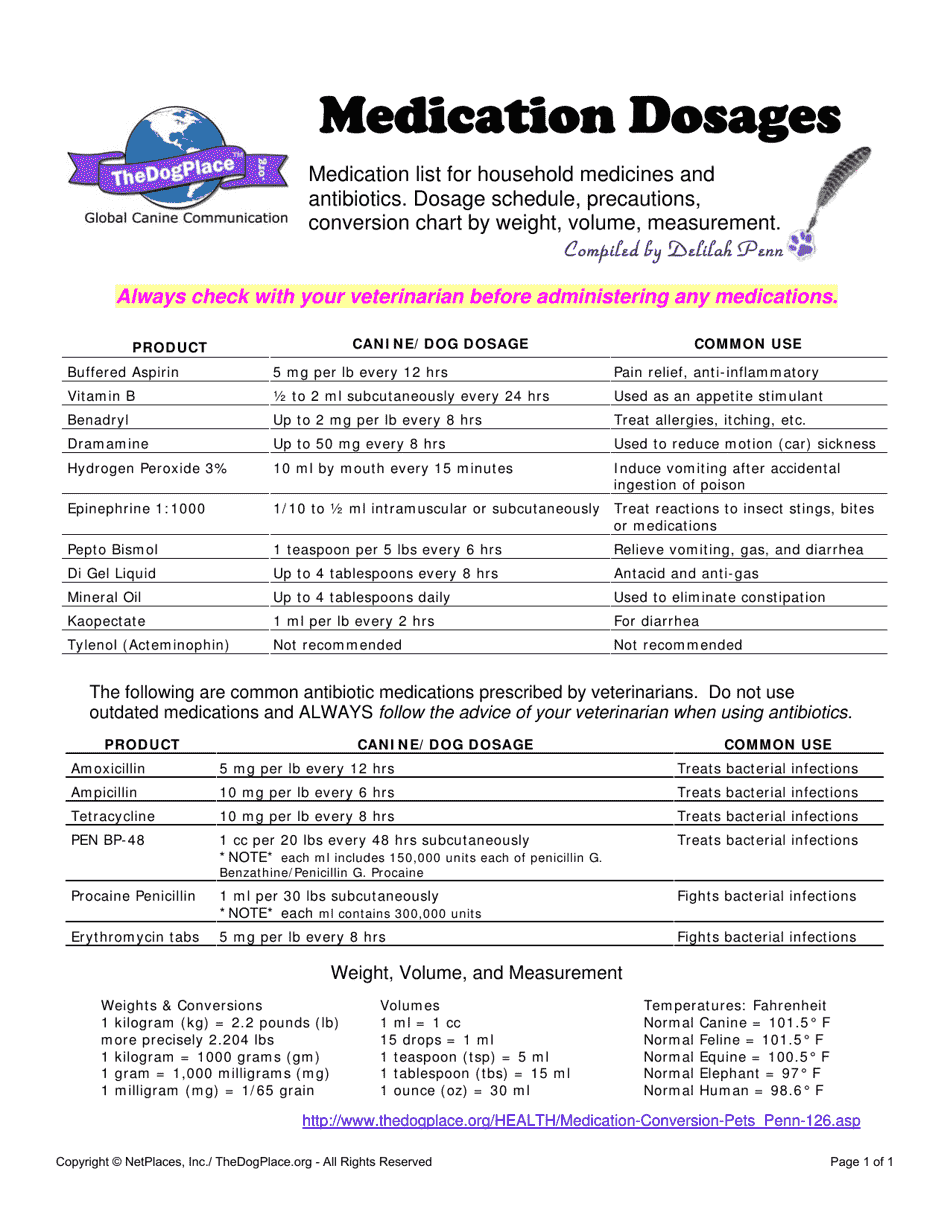
To make the most of the Lorazepam Dog Dosage Chart By Weight, you can easily download and print it for quick reference. Here are some tips for printing:
- Choose the Right Paper: For durability, consider printing on cardstock. This will prevent the chart from tearing easily or becoming damaged during handling.
- Select the Proper Size: A standard 8.5 x 11-inch paper works best for most home printers. This size is easy to store and can be placed in a binder for organization.
- Print in Portrait Mode: Most dosage charts are designed for a vertical layout, so be sure to use portrait mode in your printer settings.
- Keep It Accessible: Once printed, place the chart in a location where you can easily refer to it when administering medication, such as near your dog’s food or in your medicine cabinet.
By having this chart readily available, you can ensure that you never need to second-guess the proper Lorazepam dosage for your dog again.
