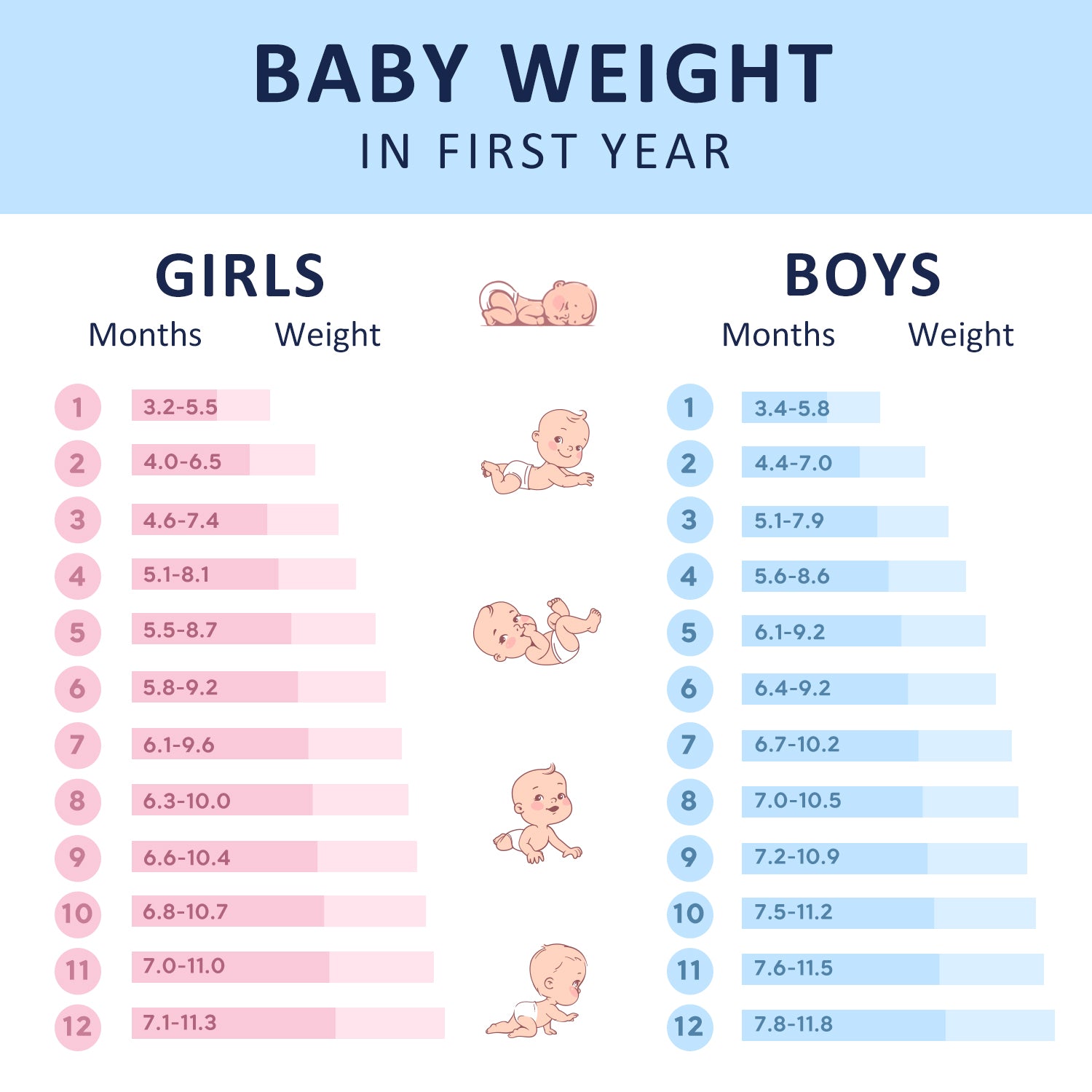
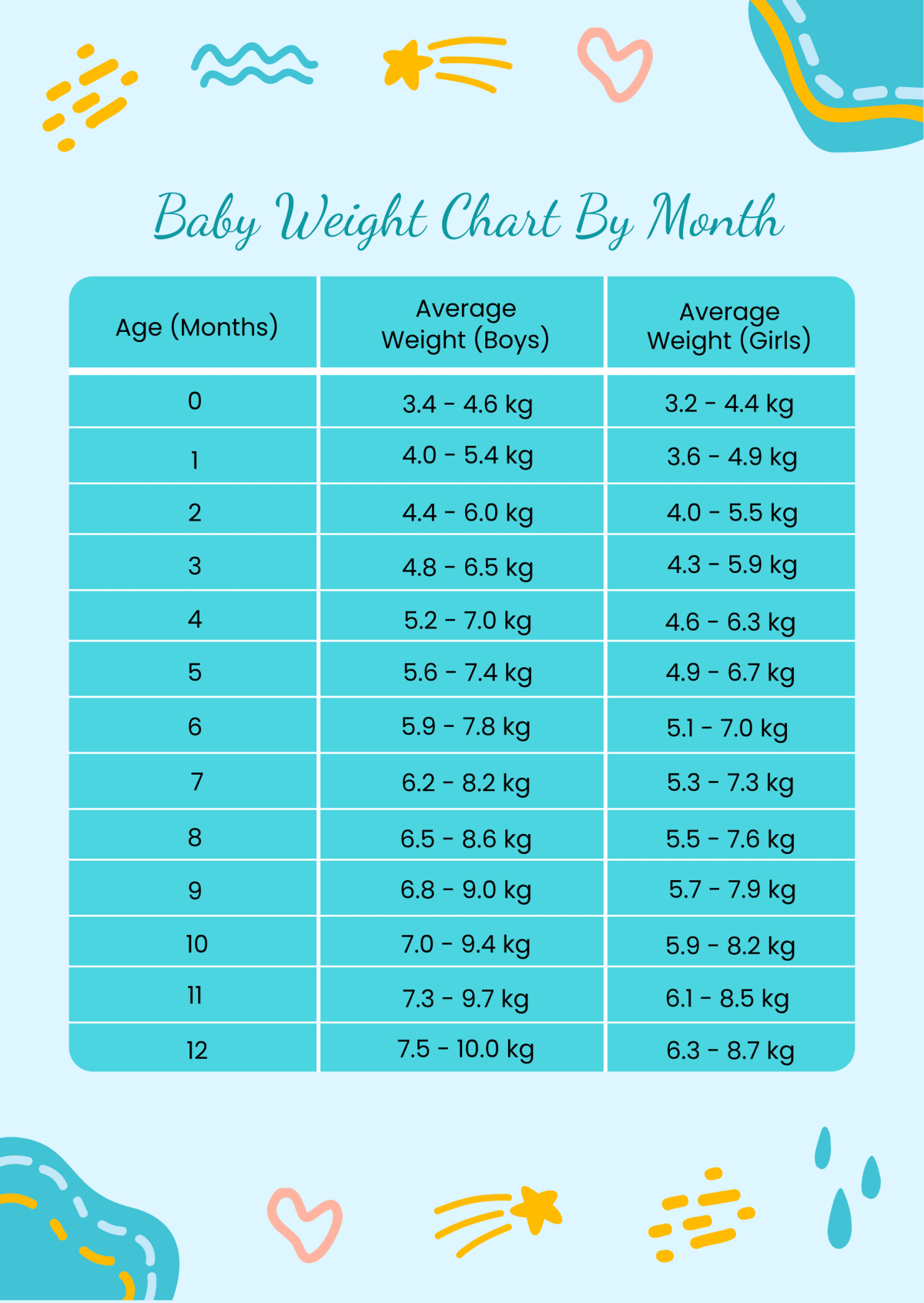
As a parent, keeping track of your baby’s growth can feel overwhelming at times. The 10 Month Old Baby Weight Chart is a crucial tool that allows you to visualize your child’s growth pattern, ensuring they are developing at a healthy rate. This chart serves as a simple yet effective way to monitor your baby’s weight against standardized growth percentiles, helping you identify any potential concerns early on.
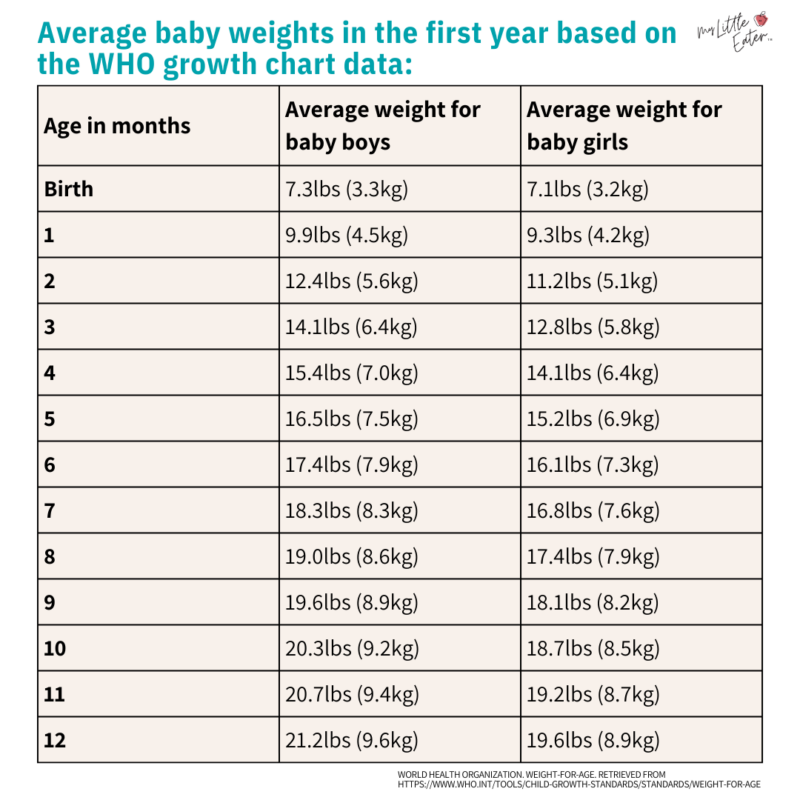
Understanding the 10 Month Old Baby Weight Chart
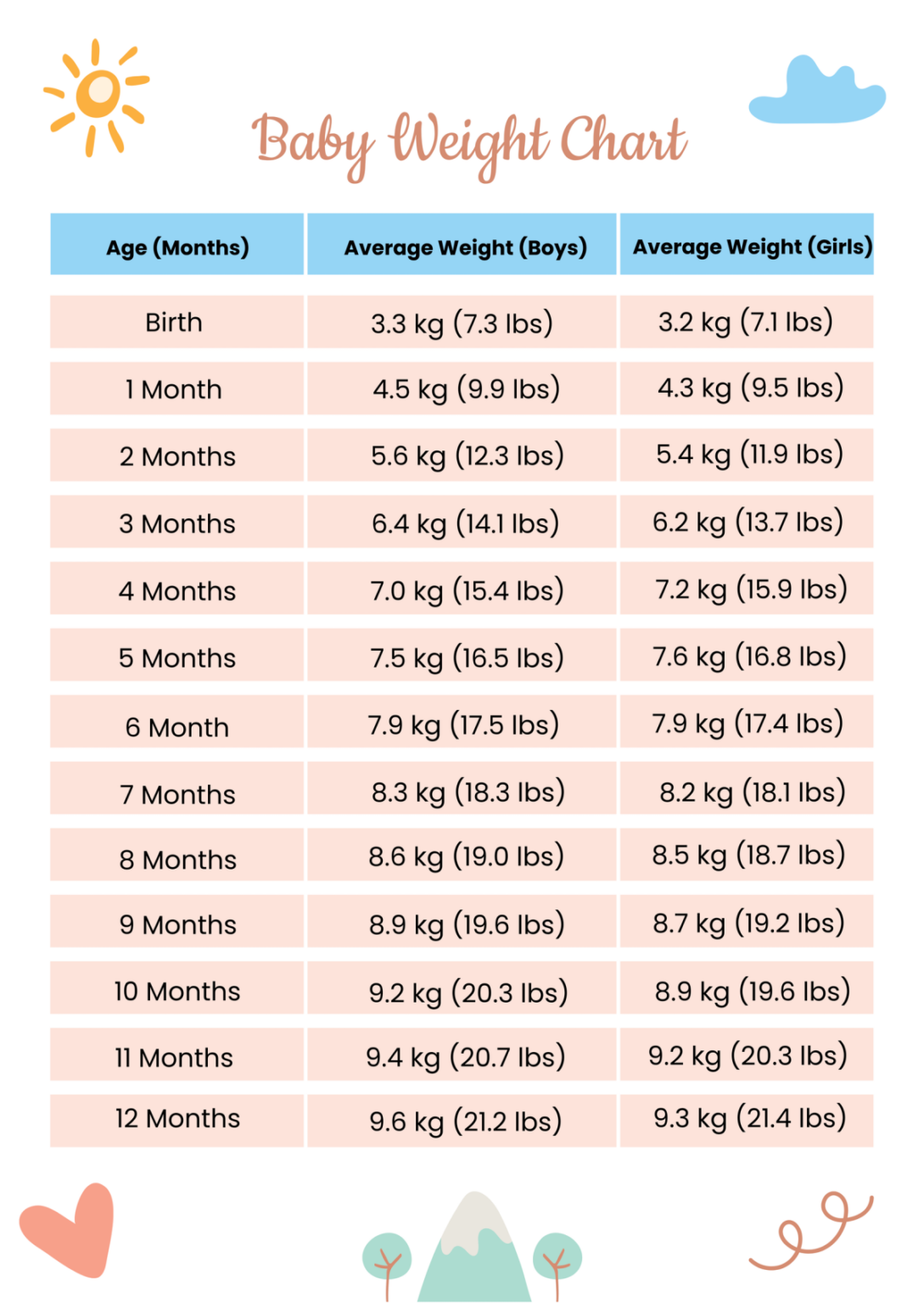
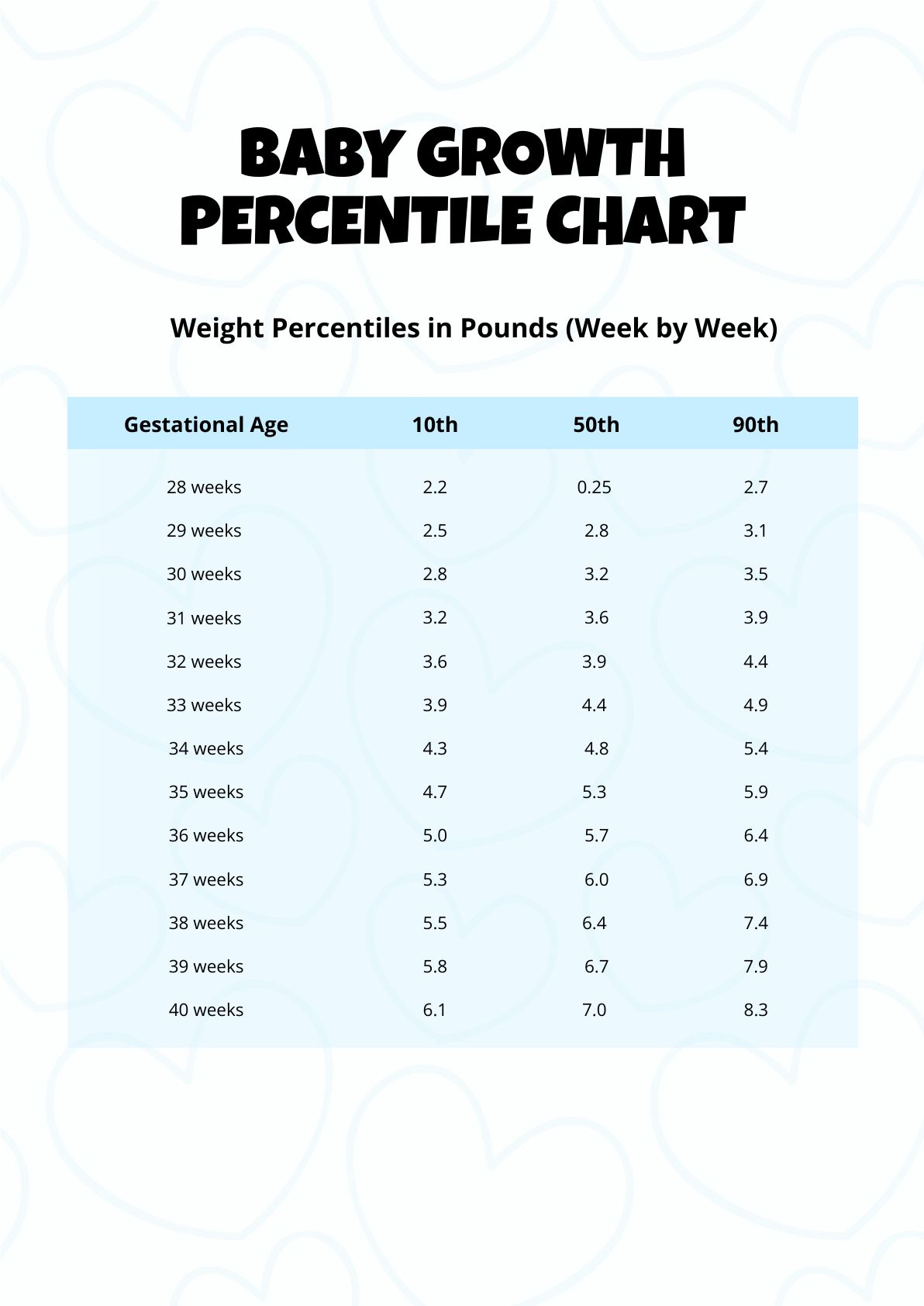
The 10 Month Old Baby Weight Chart is designed to provide a clear visual representation of your baby’s weight in relation to others of the same age. This chart typically includes a range of weights for both boys and girls, reflecting the average growth patterns observed in infants.
You’ll notice that these charts are divided into percentiles, which represent how your baby compares to a larger population. For example, if your baby falls in the 50th percentile, it means they weigh as much as or more than 50% of babies their age. This visual layout helps you quickly assess whether your child is on track with their growth.
How to Read the Weight Chart
Reading the chart is straightforward. You’ll find two separate sections for boys and girls, reflecting the differences in growth patterns. Here’s how to interpret the information:
- Locate Your Baby’s Age: The horizontal axis usually lists months, so find the “10 months” mark.
- Check the Weight Range: The vertical axis will show the weight in pounds or kilograms.
- Find the Percentile Lines: These lines will help you see where your baby’s weight falls.
When using the chart, it’s important to remember that individual growth can vary widely. Some babies may be on the higher end of the scale, while others may fall lower. What’s critical is the trend over time rather than a single measurement.
How to Use the Weight Chart in Your Routine
Incorporating the 10 Month Old Baby Weight Chart into your routine can help you stay organized and informed. Here’s how you can effectively use it:
- Regular Weigh-Ins: Weigh your baby regularly—ideally monthly—and record their weight.
- Update the Chart: Mark their weight on the chart to visualize any changes over time.
- Consult Your Pediatrician: Bring the chart to your pediatric appointments. Discuss any concerns you might have about your baby’s growth trajectory.
By making this a routine, you’ll not only stay informed about your baby’s health but also develop a deeper understanding of their individual growth patterns.
Importance of Accurate Measurements
Accurate weight measurements are key to using the 10 Month Old Baby Weight Chart effectively. You’ll want to ensure that you’re weighing your baby correctly. Here are some practical tips:
- Use a Reliable Scale: Digital baby scales are often the most accurate. Ensure that the scale is calibrated correctly before weighing.
- Weigh in the Morning: For consistency, weigh your baby in the morning before their first feeding.
- Keep it Consistent: Always weigh your baby in the same outfit or without clothes to avoid discrepancies caused by clothing weight.
Maintaining accuracy in your measurements will ensure that the data you input into the weight chart is reliable, giving you a true picture of your baby’s growth.
When to Seek Advice
While the 10 Month Old Baby Weight Chart is a helpful resource, it’s essential to know when to seek help from professionals. If you notice any significant changes in your baby’s weight—either a sudden drop or an unexpected increase—it’s advisable to consult your pediatrician.
Additionally, if your baby isn’t following their growth curve or if you have concerns about their feeding habits, don’t hesitate to reach out. Early intervention can make a significant difference in addressing any potential health issues.
The 10 Month Old Baby Weight Chart is an invaluable tool for monitoring your child’s growth. Remember to keep it handy, regularly update it, and consult your pediatrician for any concerns.
One detail that often gets overlooked is the importance of setting a consistent weigh-in schedule, ideally at the same time of day each month, to track your baby’s growth accurately.
10 Month Old Baby Weight Chart Gallery