Samantha was sitting at her kitchen table, reviewing her family’s insurance policies when she stumbled upon a document labeled “Life Insurance Height Weight Chart.” She had heard about such charts before, but never really understood their importance. As she glanced through the numbers, she realized that having a clear understanding of this chart could help her make informed decisions regarding life insurance for herself and her family. This resource can play a significant role in determining coverage eligibility and premium rates, especially as a family navigates the complexities of insurance planning.
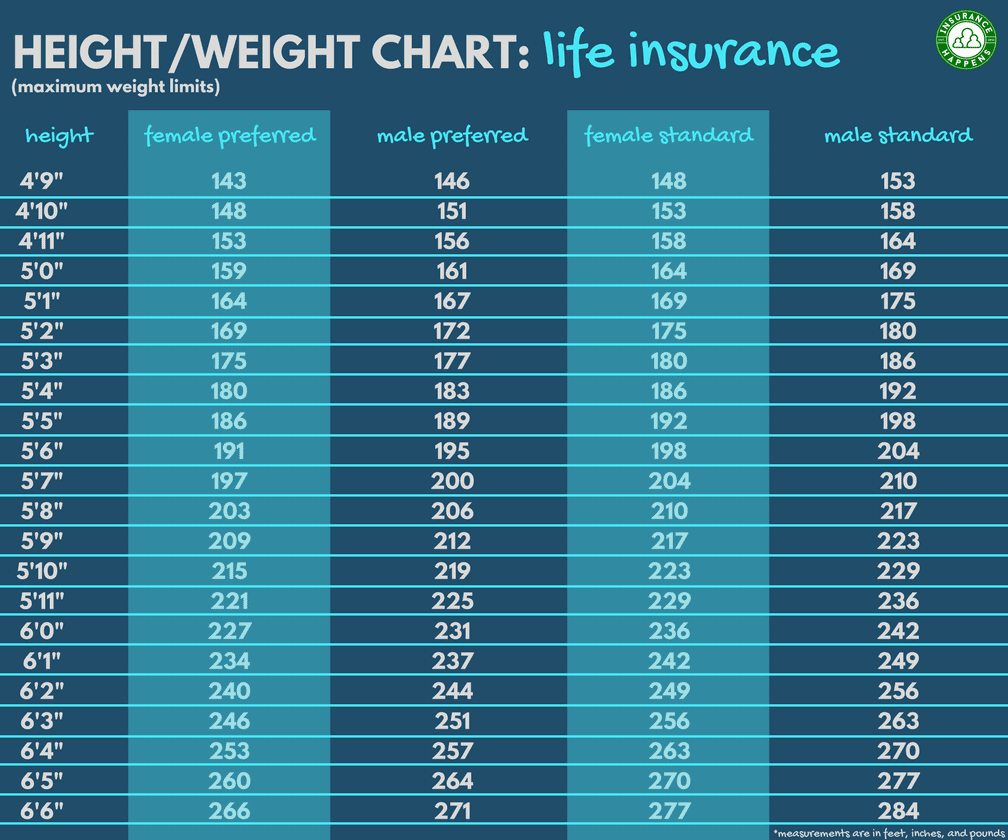
Understanding the Life Insurance Height Weight Chart
The Life Insurance Height Weight Chart is essentially a guideline that helps individuals determine whether their weight is within an acceptable range for their height when applying for life insurance. Insurance companies use this information to assess risk and set premium rates. If you or your family members are considering life insurance, understanding this chart is crucial.
Using this chart, you can find various weight ranges associated with different heights, which can help you identify if you fall within a standard, preferred, or substandard range. This is particularly useful when you’re planning to secure a life insurance policy, as your health metrics can significantly impact the type of coverage you qualify for and how much you’ll pay.
How to Use the Life Insurance Height Weight Chart
Using the Life Insurance Height Weight Chart is straightforward, but it does require some attention to detail. Here’s a simple step-by-step guide on how you can effectively utilize this resource in your home or homeschool setting:
- Measure Height Accurately: Start by measuring your height without shoes. Make sure to stand straight against a wall for the most accurate measurement.
- Find Your Weight: Weigh yourself on a standard scale. It’s best to do this in the morning before eating for the most consistent results.
- Locate Your Height on the Chart: Once you have your height and weight, refer to the Life Insurance Height Weight Chart. Find your height in the left column.
- Check the Corresponding Weight Range: Move across the row to see the range of weights that are considered acceptable for that height. This will typically include categories such as “Preferred,” “Standard,” and “Substandard.”
- Understand the Implications: If your weight falls within the preferred range, you may qualify for lower premiums. If you’re in the substandard range, it may lead to higher premiums or additional health assessments.
Practical Applications of the Chart in Daily Life
Integrating the Life Insurance Height Weight Chart into your daily routine can yield several benefits, especially for families looking to secure their financial future. Here are some practical applications:
Health Awareness
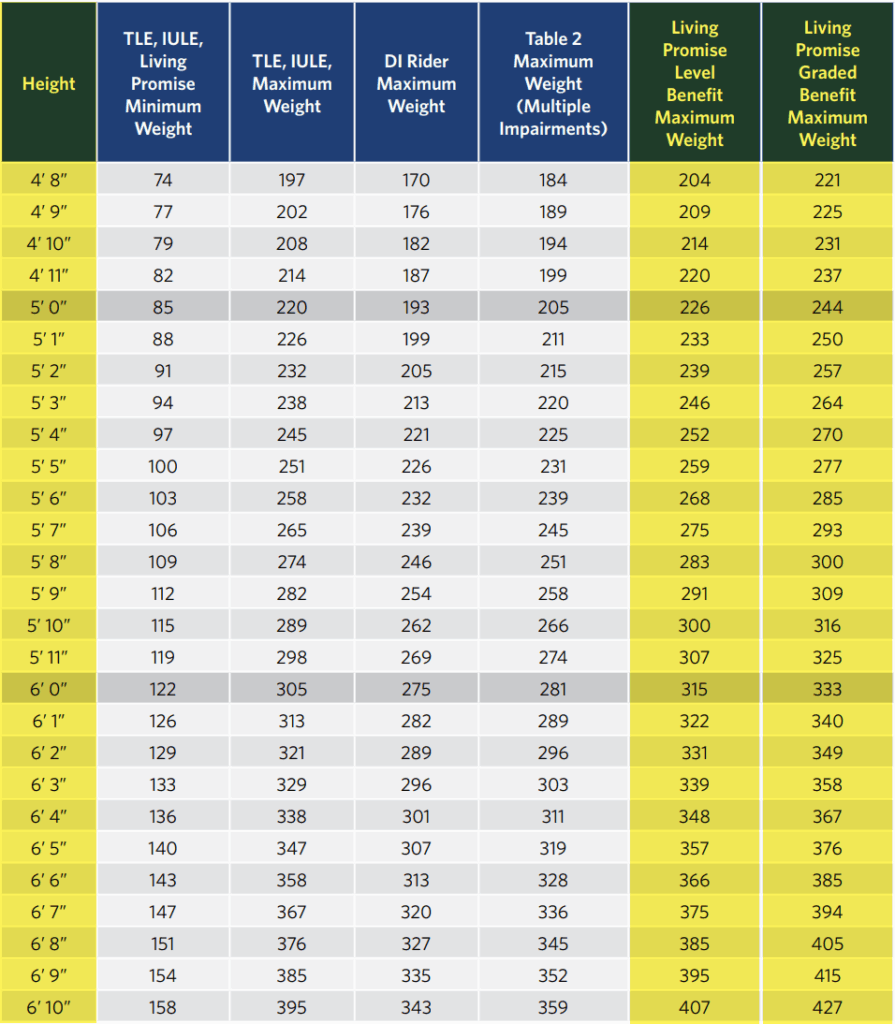
Using this chart can encourage healthier lifestyle choices. By recognizing where you stand in terms of weight and height, you might feel motivated to engage in regular exercise or improve your diet. Set goals with your family to achieve or maintain a healthy weight, using the chart as a benchmark.
Insurance Planning
When planning for life insurance, knowing your height and weight can save you time and money. Rather than applying blindly and facing potential rejections or higher premiums later on, you can use the chart to gauge your eligibility before applying. This is particularly useful if you’re looking to secure coverage for a spouse or child.
Educational Resource
For parents and caregivers, this chart can serve as an educational tool to teach children about health and wellness. Discussing the importance of maintaining a healthy weight relative to height can foster an understanding of nutrition and physical activity from an early age.
Tips for Maintaining a Healthy Weight
While the Life Insurance Height Weight Chart is a great resource, maintaining a healthy weight involves more than just numbers. Here are some practical tips to consider:
- Regular Exercise: Aim for at least 30 minutes of moderate exercise most days of the week. Activities can include walking, biking, swimming, or even family sports days.
- Balanced Diet: Focus on a diet rich in fruits, vegetables, whole grains, and lean proteins. Reducing processed foods and sugary drinks can also help maintain a healthy weight.
- Hydration: Drinking plenty of water aids metabolism and can help control hunger. Encourage your family to replace sugary drinks with water.
- Sleep Well: Lack of sleep can affect hormones that regulate appetite. Ensuring everyone gets enough rest is crucial for maintaining a healthy weight.
- Set Realistic Goals: Whether it’s for yourself or your family, setting achievable health goals can keep motivation high. Celebrate small victories together to make the journey enjoyable.
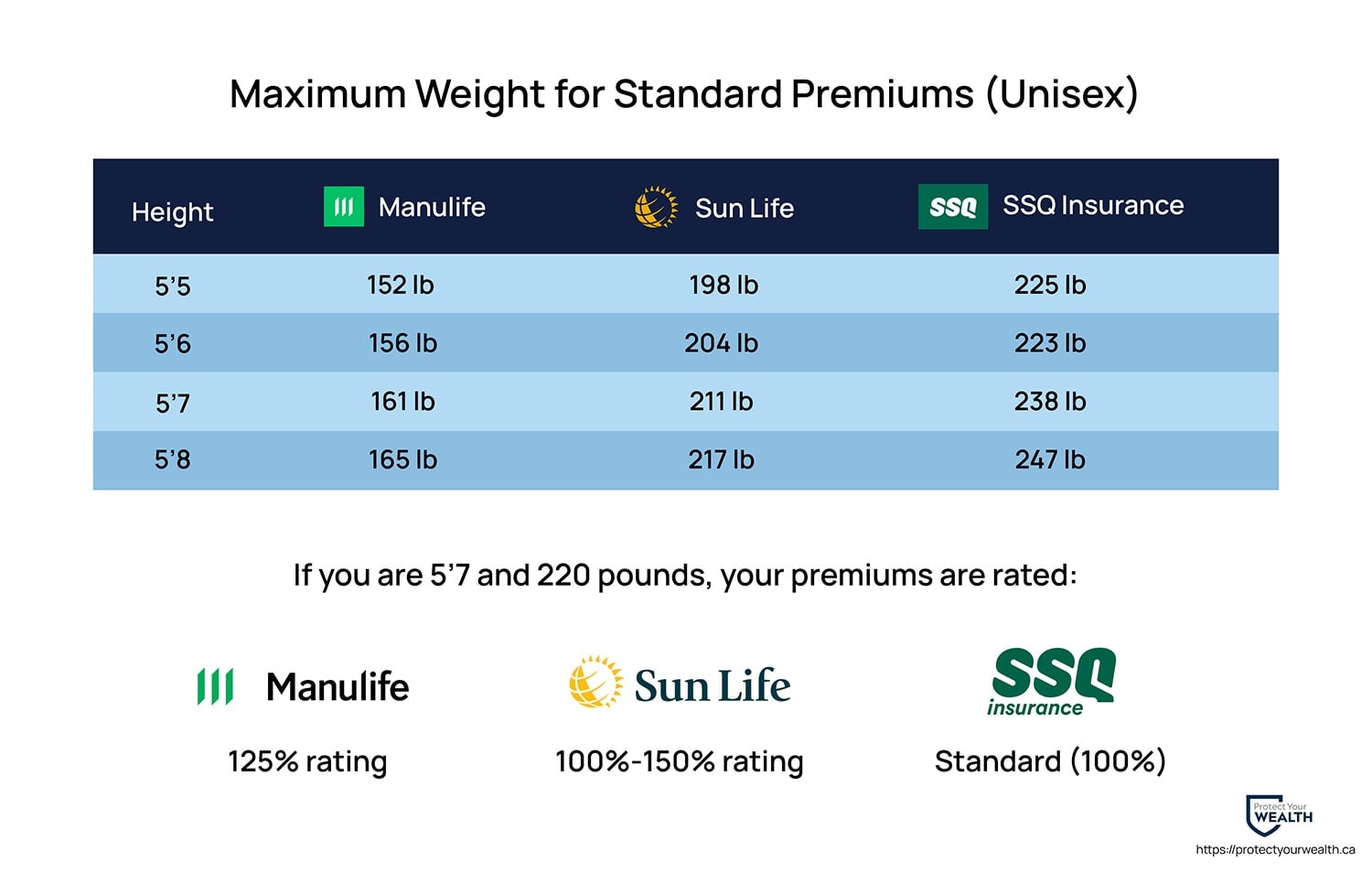
When to Revisit the Life Insurance Height Weight Chart
It’s important to recognize that weight can fluctuate over time due to various factors such as age, lifestyle changes, or health conditions. Here are a few instances when you should revisit the Life Insurance Height Weight Chart:
- Before a New Insurance Application: If you’re considering a new life insurance policy, checking the chart again can help you prepare.
- Weight Changes: If you or any family member has lost or gained significant weight, it’s wise to check how this affects your standing on the chart.
- Annual Health Checkups: Make it a habit to review the chart during your annual health checkups. This can help you stay informed about your health metrics.
Using the Life Insurance Height Weight Chart can empower you and your family to make informed decisions regarding health and insurance coverage. Whether you’re navigating these waters for the first time or revisiting them, understanding how to interpret this chart effectively can lead to better planning and organization of your family’s health goals.
