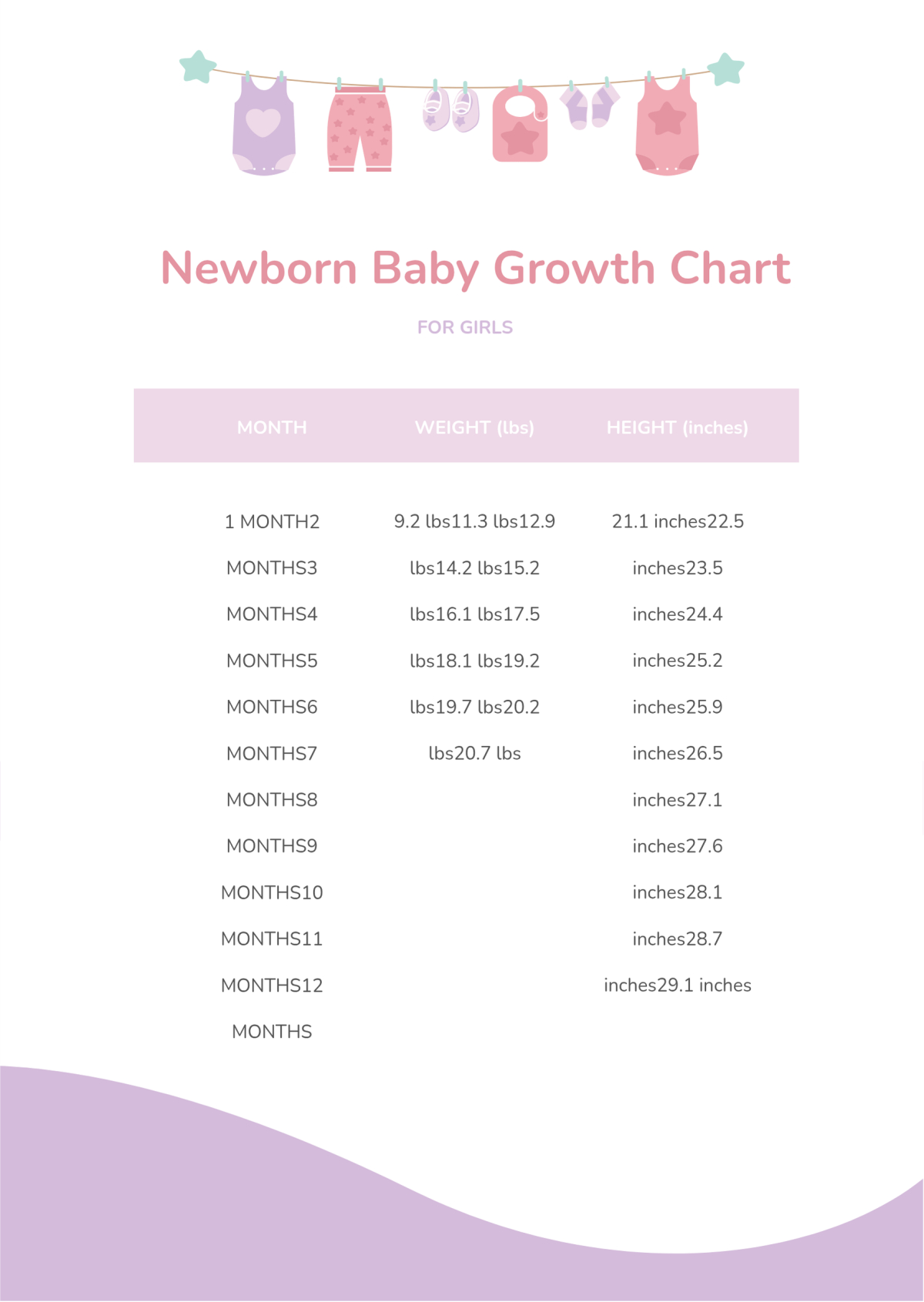
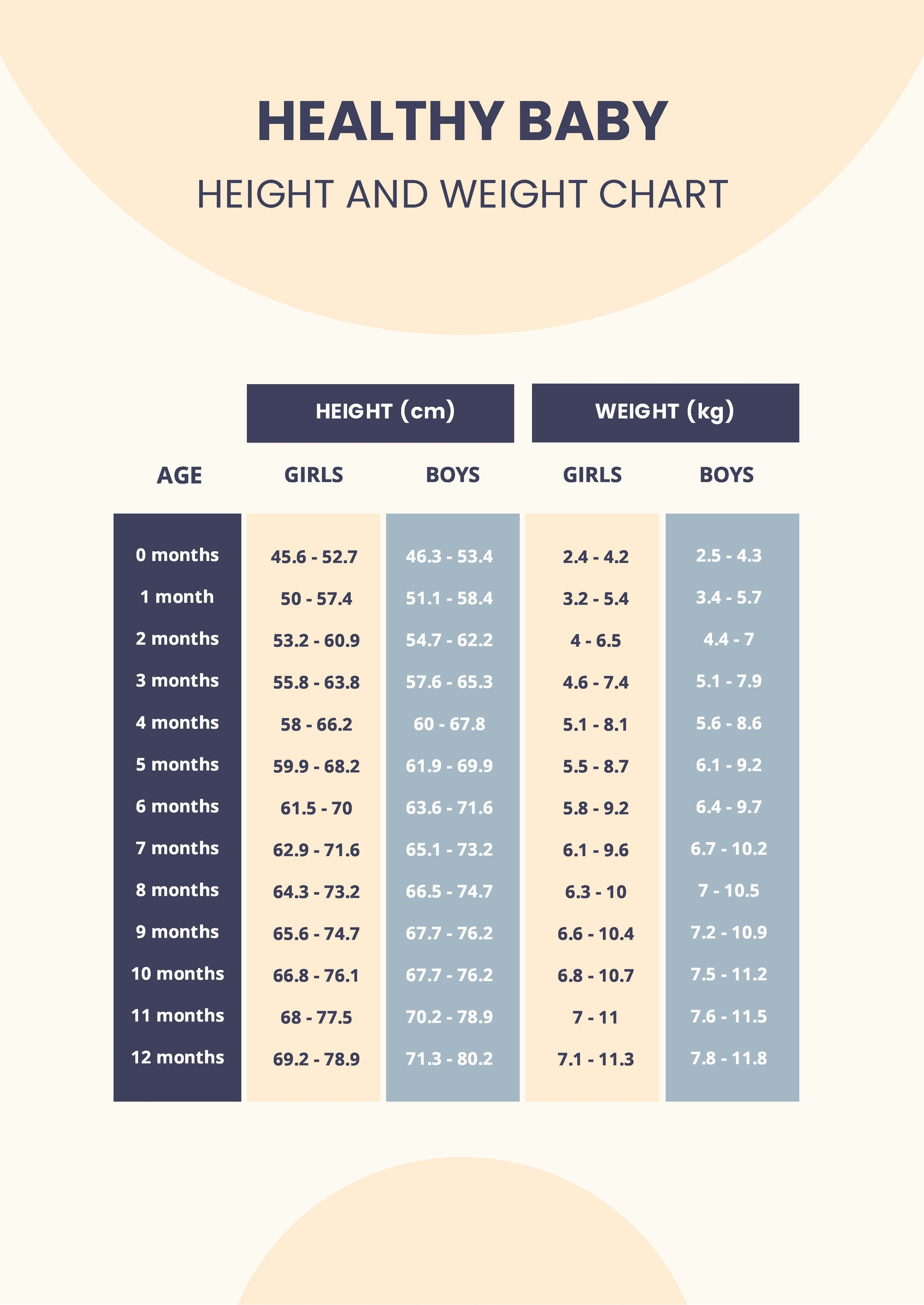
Tracking your baby’s growth can be both exciting and a bit nerve-wracking. You might be wondering if your little one is on the right track, especially when it comes to weight. The 10 Month Old Baby Girl Weight Chart serves as an essential tool for parents looking to monitor their baby girl’s growth patterns and ensure she’s developing healthily. This chart provides benchmarks and insights into how your baby’s weight compares with others at the same age.
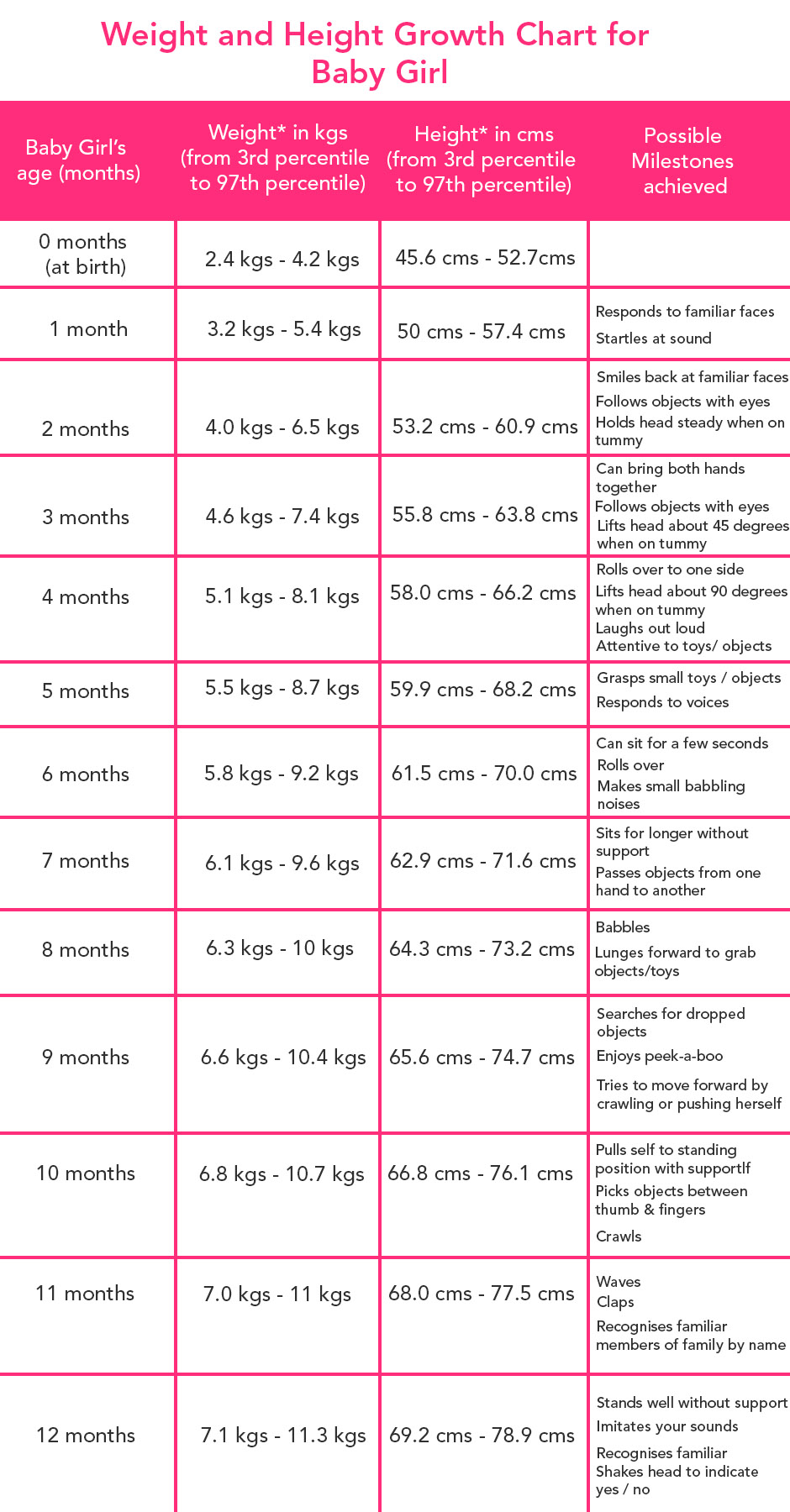
Understanding the 10 Month Old Baby Girl Weight Chart
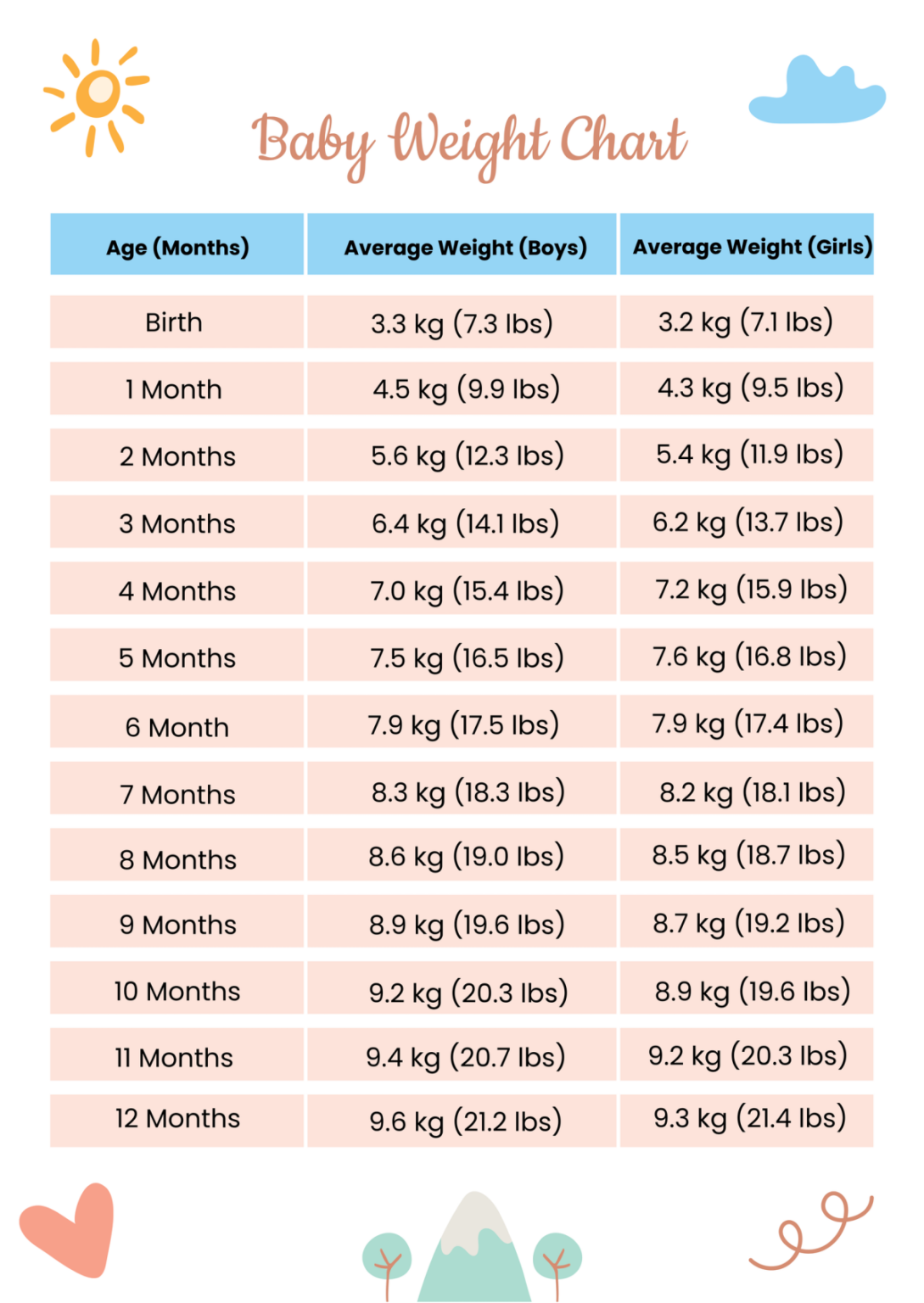
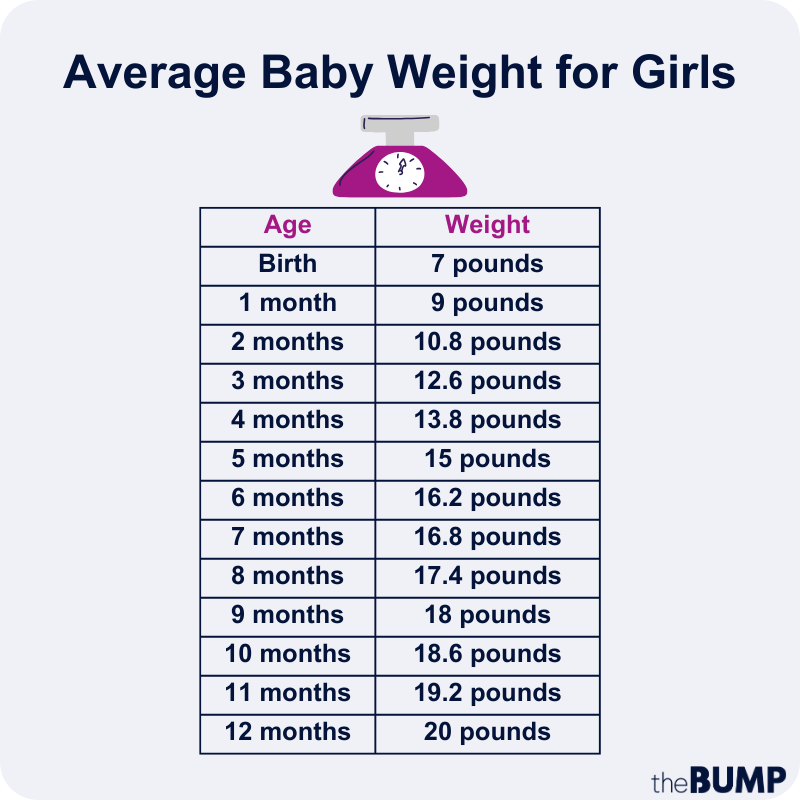
The weight chart for a 10-month-old baby girl typically includes a range of weights that are considered normal. According to growth standards set by health organizations, the average weight for a 10-month-old baby girl is around 17.5 pounds (7.9 kg) to 22 pounds (10 kg). This range can provide a useful guideline, but it’s important to remember that every child is unique.
When you look at the chart, you will see percentiles that indicate how your baby compares to others. For instance, if your baby is in the 50th percentile, it means that half of the babies her age weigh less and half weigh more. This percentile system helps you understand where your child stands in relation to her peers.
How to Use the Weight Chart Effectively
To make the most out of the 10 Month Old Baby Girl Weight Chart, follow these practical steps:
- Regular Weigh-Ins: Weigh your baby regularly (at least once a month) using a reliable scale. This could be at home or during pediatric visits.
- Record the Data: Keep a log of her weight and the corresponding date. This will help you see trends over time.
- Locate the Percentile: Once you have her weight, find it on the chart to see which percentile she falls into. This will give you a clearer picture of her growth.
- Consult with Your Pediatrician: If you have concerns about her weight—whether it’s too low or too high—discuss these with your healthcare provider. They can provide insights tailored to your baby’s overall health.
Factors Influencing Baby Girl Weight
Several factors can affect your baby girl’s weight, and understanding these can help you interpret the chart more accurately:
- Genetics: Family history plays a role in determining height and weight. If you or your partner were smaller or larger babies, your child might follow suit.
- Diet and Nutrition: What your baby eats during this stage can significantly impact her weight. A balanced diet rich in fruits, vegetables, grains, and proteins is crucial.
- Physical Activity: As babies grow, they become more active. Crawling and eventually walking can influence weight gain.
- Health Conditions: Certain medical issues can affect growth. If there are any concerns, a pediatrician should be consulted.
Presentation and Printing of the Chart
When you download and print the 10 Month Old Baby Girl Weight Chart, consider the following details for optimal use:
- Paper Type: Use a heavier paper like cardstock for durability, especially if you plan to keep it in a baby book or a growth journal.
- Size and Orientation: Most charts will be in standard letter size (8.5″ x 11″). Portrait orientation often works best for easy viewing.
- Color vs. Black and White: A color print can be more visually appealing, but if you’re looking to save on ink, a black-and-white version will still be effective.
- Storage: Once printed, consider placing it in a plastic sleeve or a binder to keep it safe and accessible.
When to Update the Chart
As your baby girl continues to grow, it’s important to keep the weight chart updated. Here’s how often you should check in:
- Monthly Updates: Weigh her at least once a month and plot her weight on the chart to visualize her growth over time.
- After Pediatric Visits: If your doctor measures her weight during a visit, update your chart accordingly.
- When You Notice Changes: If you see any significant changes in her weight or eating habits, make a note of it on the chart.
Additional Resources for Growth Tracking
Besides the 10 Month Old Baby Girl Weight Chart, you may want to explore other resources to support your baby’s growth journey:
- Growth Tracking Apps: Consider using a mobile app to log her weight and compare it with growth standards. Many apps provide visual graphs and reminders for regular weigh-ins.
- Nutrition Guides: Look for printable resources that offer guidelines on the types of foods and portion sizes appropriate for her age.
- Developmental Milestone Charts: These can help you understand what physical and cognitive skills to expect from your baby as she approaches her first birthday.
Tracking your baby’s growth is an ongoing journey filled with learning and adjustments. The 10 Month Old Baby Girl Weight Chart is a valuable resource to help you stay informed and proactive about your child’s development. Remember, every baby grows at her own pace, and the key is to ensure she is healthy and thriving.
10 Month Old Baby Girl Weight Chart Gallery