Understanding how your height and weight affect life insurance can be crucial when selecting a policy. For many insurance providers, these factors play a significant role in determining premiums and coverage options. A Life Insurance Height And Weight Chart can be a handy tool, allowing you to quickly assess where you fall within the acceptable ranges for various insurance plans. This guide will help you navigate the ins and outs of using this chart effectively.
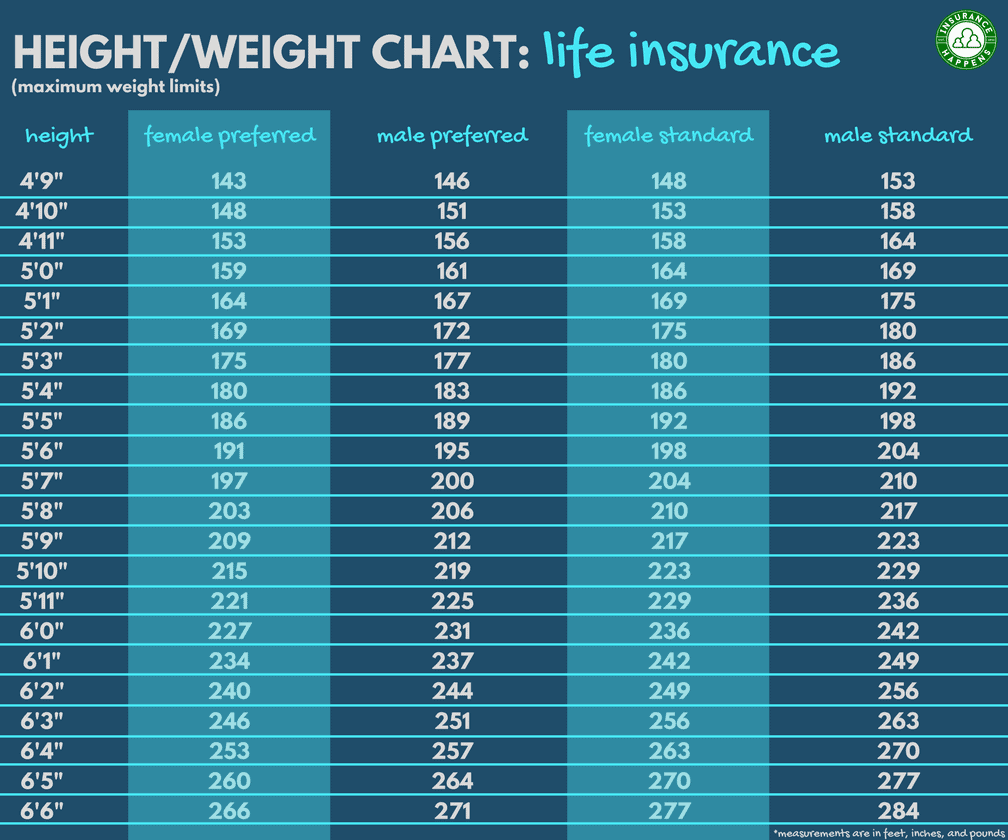
What is a Life Insurance Height And Weight Chart?
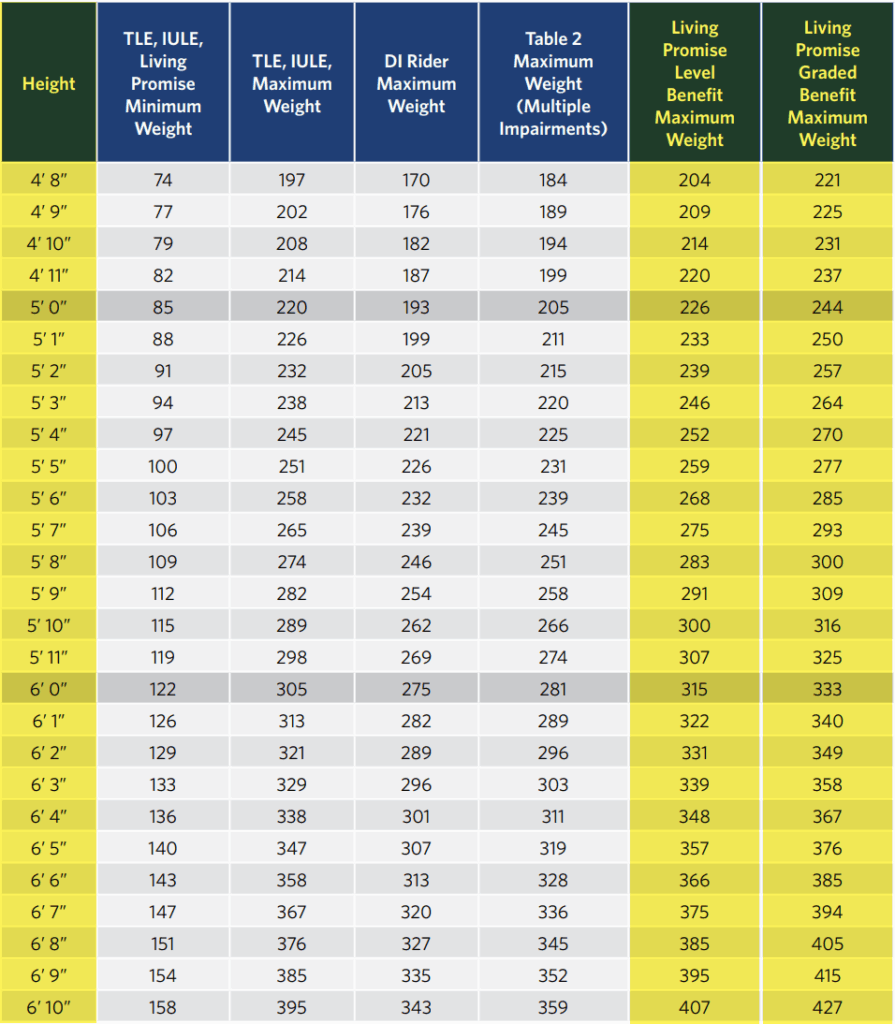
A Life Insurance Height And Weight Chart is a resource used by insurers to determine the risk associated with providing life insurance coverage to an individual. Typically, these charts categorize height and weight into ranges that correspond to different classifications, such as “preferred,” “standard,” or “substandard.” Understanding where you fit on this chart can give you insight into what your life insurance premiums might look like.
The chart is often based on Body Mass Index (BMI) calculations, which consider both height and weight to assess whether an individual is underweight, normal weight, overweight, or obese. Most insurance companies will refer to these classifications when evaluating your application.
How to Use the Height And Weight Chart
Using the Life Insurance Height And Weight Chart is straightforward. Here’s how you can effectively utilize it:
- Locate Your Height: Find your height on the left column of the chart.
- Match Your Weight: Move across the row to find your weight. The intersection of your height and weight will indicate your BMI classification.
- Understand the Classifications: Each classification will show whether you fall into a preferred, standard, or substandard category.
For example, if you’re a woman who is 5’5″ and weighs 150 pounds, you might fall into the “standard” category. This means your insurance premiums will likely be at a baseline level, as you are considered an average risk.
Why Height and Weight Matter for Life Insurance
Insurance companies assess risk to determine how likely it is that they’ll have to pay out a claim. Height and weight are key indicators of health and longevity. If you are classified as overweight or obese, you may face higher premiums due to the increased risk of health conditions such as heart disease or diabetes.
Conversely, if you fall into the “preferred” category, you may receive lower premiums. This is because insurers view individuals in this category as being healthier and less likely to file claims.
Factors Influencing Your Premiums Beyond Height and Weight
While height and weight are important, they are not the only factors that affect your life insurance premiums. Here are some other considerations:
- Age: Older individuals generally pay higher premiums because they are more likely to pass away within the policy term.
- Health History: Pre-existing conditions, smoking status, and family medical history can all impact your risk classification.
- Lifestyle Choices: Engaging in risky activities, such as skydiving or scuba diving, can lead to higher premiums.
- Occupation: Jobs that are considered hazardous may also lead to increased premiums.
Printable Life Insurance Height And Weight Chart
If you’re looking for a convenient way to access a Life Insurance Height And Weight Chart, consider downloading a printable version. This can be particularly useful for quick reference during discussions with your insurance agent or while comparing different policies.
When selecting a printable version, ensure that it is clear and easy to read. A PDF format usually works best for printing, as it maintains the layout and ensures that all details are visible. You might also want to print on cardstock for durability if you plan to use it regularly.
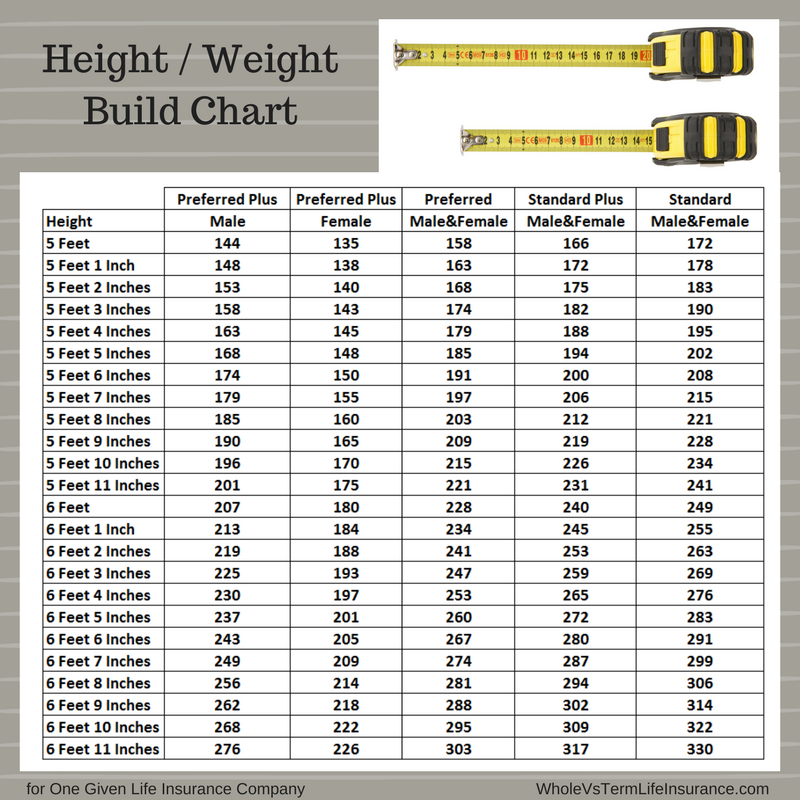
How to Interpret Your Results
Once you’ve used the Life Insurance Height And Weight Chart, understanding the implications of your results is essential. Here’s what to do next:
- Contact Insurers: If you find you fall into a higher risk category, reach out to different insurers to compare quotes. Each company has its own underwriting criteria, and you might find better rates elsewhere.
- Consider Lifestyle Changes: If you’re on the border of a classification, it might be worth considering lifestyle changes. This could involve losing weight, increasing physical activity, or quitting smoking. These changes could potentially lead to lower premiums in the future.
- Reassess Regularly: If you have significant changes in your weight or overall health, it’s a good idea to reassess your life insurance needs. Regularly updating your information with your insurer can help you maintain the best rates.
