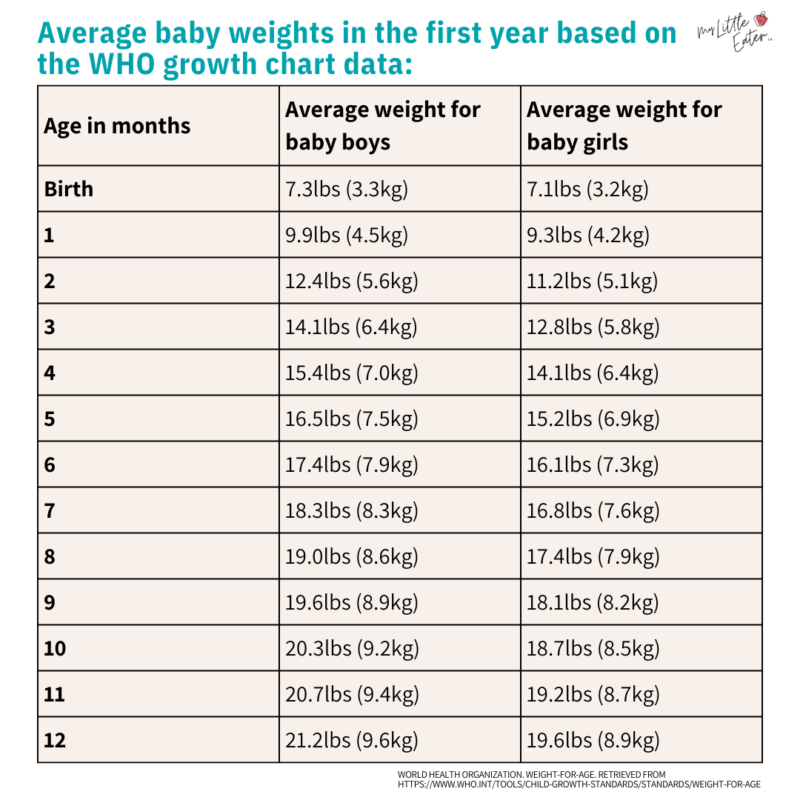
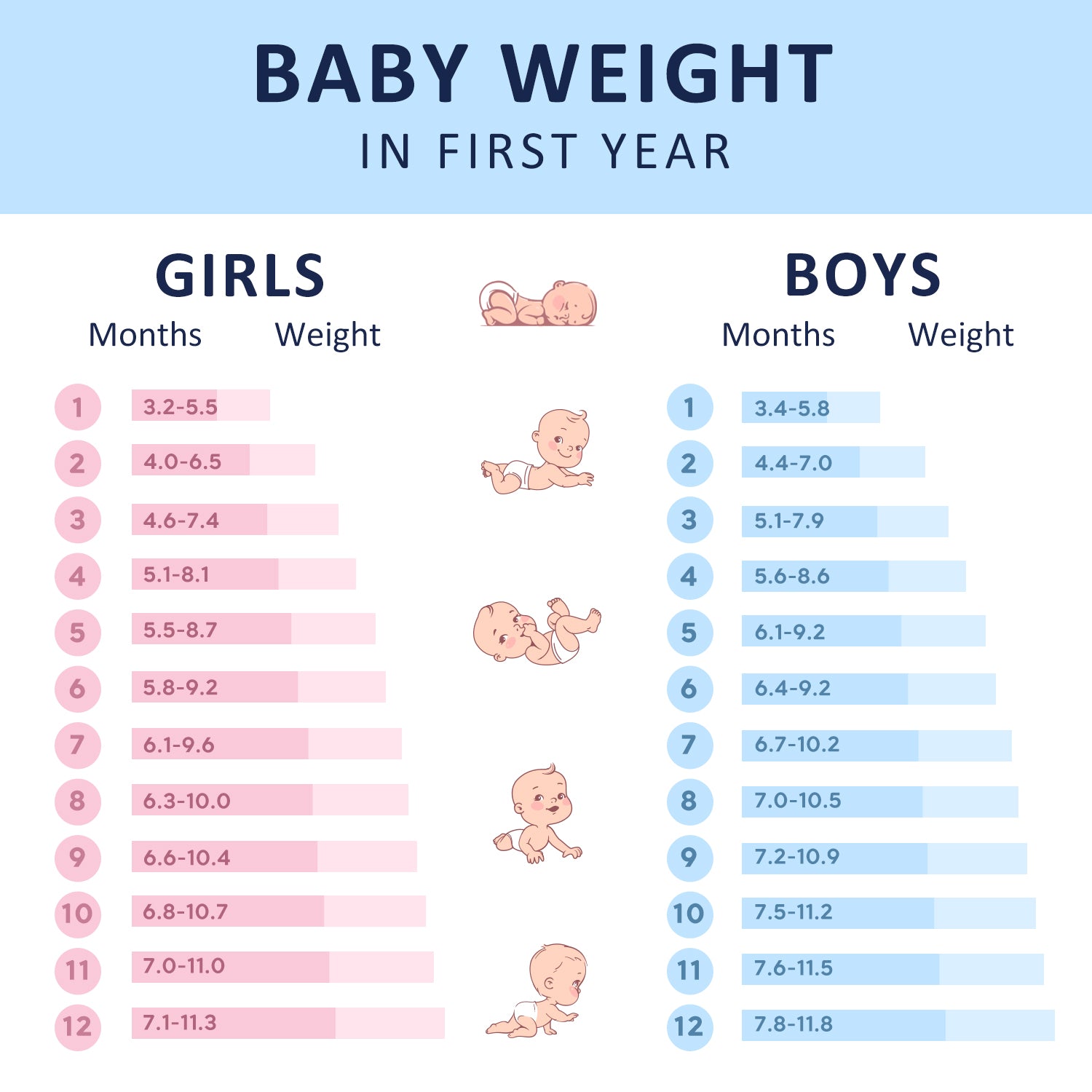
When it comes to tracking your little one’s growth, the 10 Month Old Baby Boy Weight Chart is an essential tool for parents. This chart helps you monitor your baby boy’s weight against standard growth curves, ensuring he’s developing healthily. Knowing where your baby stands in terms of weight can provide peace of mind and help identify any potential issues early on.
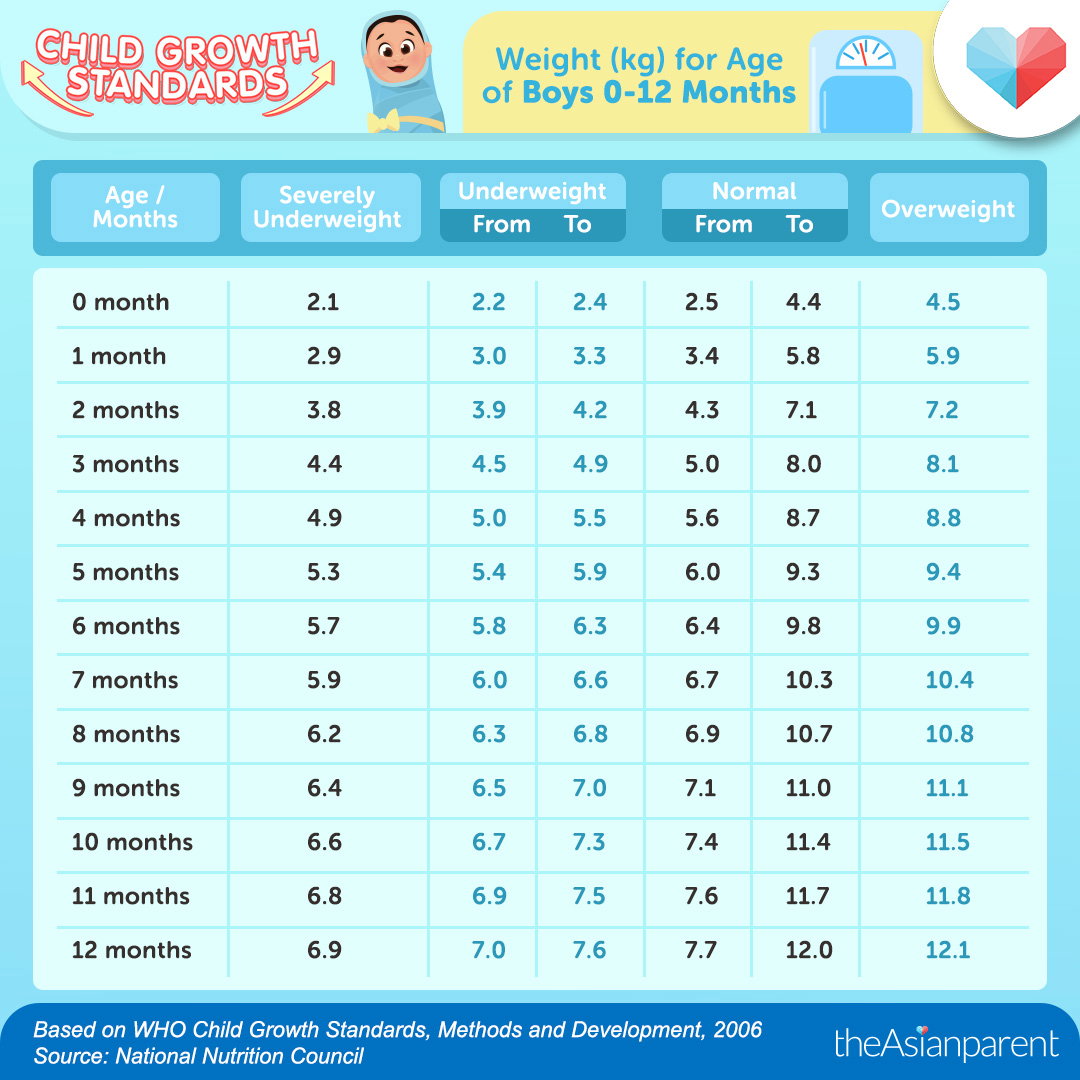
Understanding the 10 Month Old Baby Boy Weight Chart
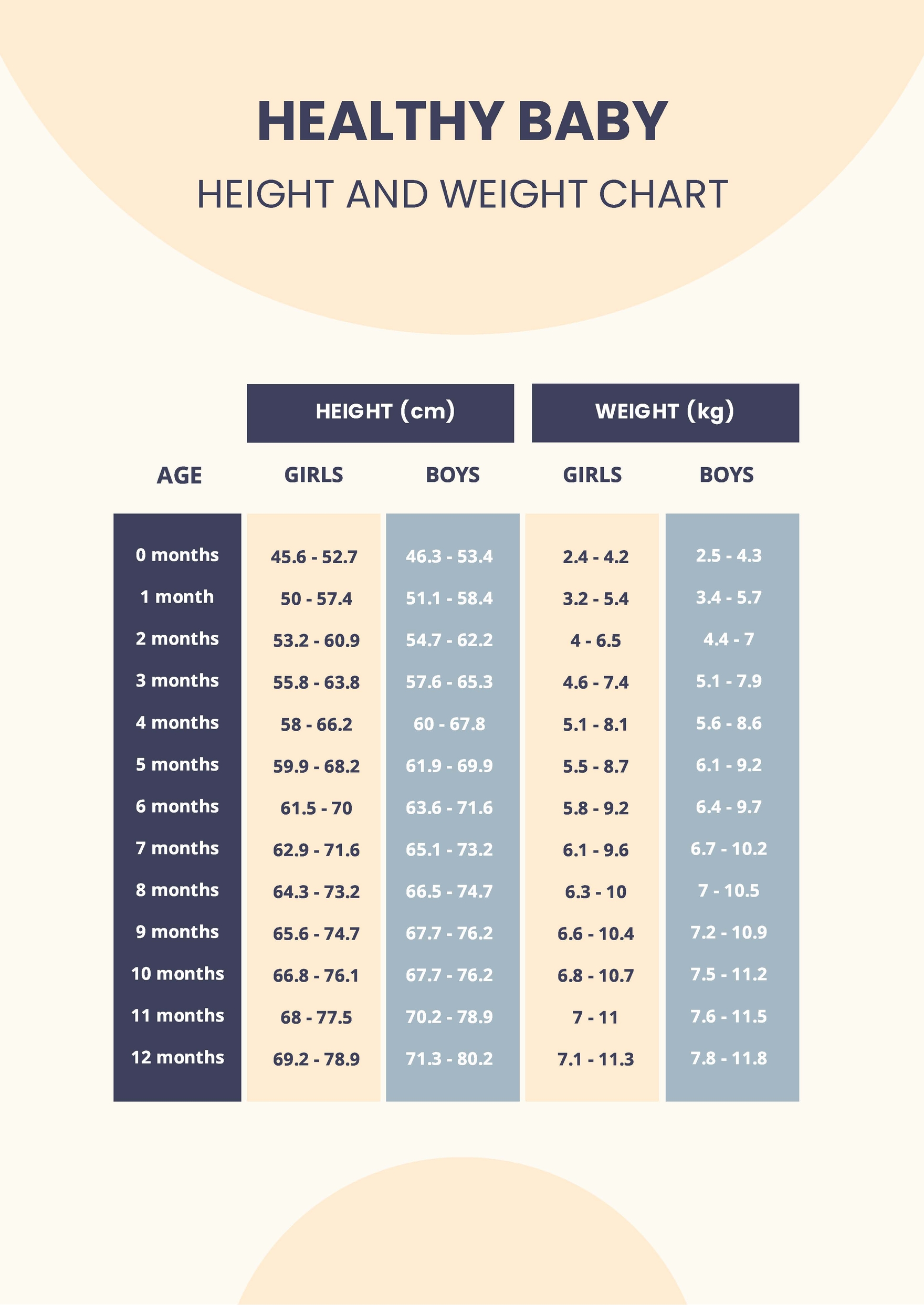
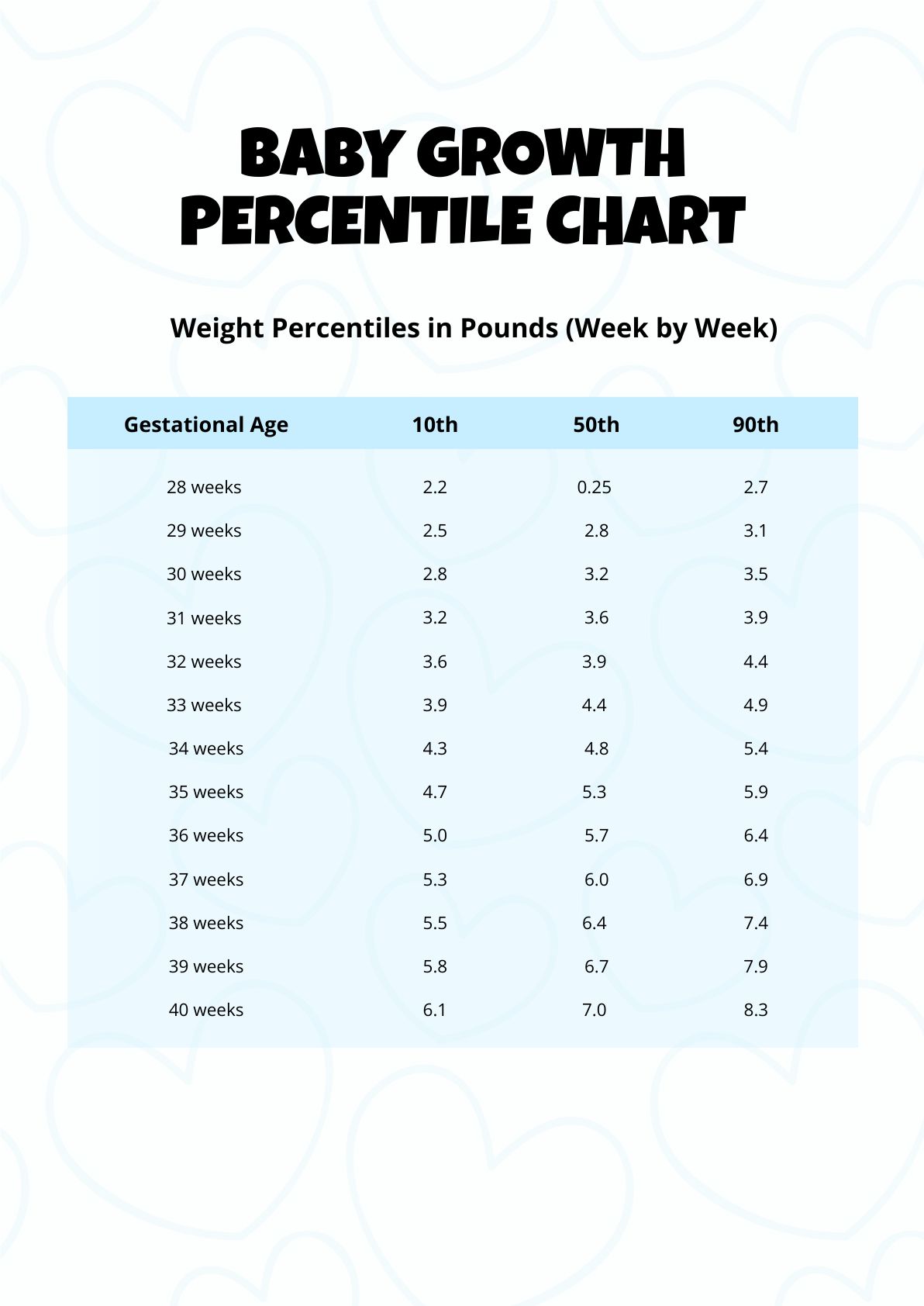
The weight chart for a 10-month-old baby boy typically displays a range of weights corresponding to various percentiles. These percentiles indicate how your baby’s weight compares to others of the same age. For instance, a baby in the 50th percentile weighs more than 50% of other babies his age. It’s important to remember that every baby is unique, and growth patterns can vary widely.
Most 10-month-old baby boys weigh between 16 to 24 pounds, but this range can differ based on genetics, diet, and overall health. The chart allows you to visualize where your baby falls within this range, helping you track his growth over time.
How to Use the Weight Chart Effectively
Using the 10 Month Old Baby Boy Weight Chart is straightforward and can be made part of your routine:
- Regular Weigh-Ins: Weigh your baby at regular intervals, ideally on the same scale to ensure accuracy. Most parents find it easiest to do this during pediatrician visits.
- Record the Weight: Write down your baby’s weight and the date. You can use a simple notebook or a dedicated growth tracker app for convenience.
- Find the Percentile: Locate your baby’s weight on the chart. The vertical axis typically shows weight, while the horizontal axis shows age. Follow the lines to see where your baby falls.
- Monitor Trends: Instead of focusing on a single measurement, look at the trends over time. Is your baby gaining weight steadily? Are there significant drops or spikes? This can be more telling than a single point on the chart.
- Consult Your Pediatrician: If you notice any concerning trends, such as consistent weight loss or stagnation, it’s best to consult your pediatrician for advice tailored to your baby’s specific needs.
Common Mistakes to Avoid
While using the 10 Month Old Baby Boy Weight Chart, there are some common pitfalls to be aware of:
- Infrequent Weigh-Ins: Weighing your baby only during check-ups can lead to missed trends. Regular monitoring provides a clearer picture of growth.
- Ignoring Other Growth Indicators: Weight is just one aspect of growth. Consider your baby’s length and head circumference, as well as developmental milestones like crawling or standing.
- Comparing to Others: Every baby grows at his own pace. While it’s helpful to know general percentiles, avoid comparing your baby to others, as this can lead to unnecessary worry.
- Misreading the Chart: Familiarize yourself with how to read the chart properly. Each line represents a different percentile, and understanding this is crucial for accurate interpretation.
Printable Resource for Tracking Growth
To make tracking even easier, consider downloading a printable version of the 10 Month Old Baby Boy Weight Chart. This resource typically comes in a PDF format, which you can print out and keep handy. Here’s how to best utilize it:
- Keep It Visible: Hang it on your fridge or in your baby’s room as a constant reminder to track growth.
- Fill It Out Regularly: Each time you weigh your baby, update the chart. This creates a visual history of growth that can be shared with healthcare providers.
- Use Color Coding: If you enjoy a little DIY, you can color code the percentiles. This makes it visually appealing and easier to read at a glance.
- Add Personal Notes: Include any notes about your baby’s feeding habits, health issues, or milestones achieved during the month. This context can be valuable for discussions with your pediatrician.
Importance of Growth Monitoring
Monitoring growth through the 10 Month Old Baby Boy Weight Chart isn’t just about numbers; it’s about ensuring your baby’s overall health and development. Regular tracking helps identify potential issues early, allowing for timely interventions if necessary. Additionally, keeping tabs on your baby’s growth can reinforce positive parenting practices, like ensuring he’s getting a balanced diet and enough playtime.
Ultimately, your baby’s weight is just one piece of the puzzle. It’s essential to consider his overall development, including physical milestones and emotional well-being. The weight chart is a tool that, when used correctly, can provide valuable insights into your baby’s growth journey.
Incorporating the 10 Month Old Baby Boy Weight Chart into your routine can simplify tracking your baby’s growth, making it a practical resource for parents. With regular updates and careful attention to trends, you can ensure that you’re doing everything possible to support your little one’s healthy development.
10 Month Old Baby Boy Weight Chart Gallery