When it comes to fishing, having the right equipment is key to success, and understanding a Jig Head Weight Size Chart can make a significant difference in your fishing experience. This chart provides a clear overview of how different weights affect your bait’s presentation and the types of fish you can target. If you are a seasoned angler or just starting, knowing the appropriate jig head weight can help you maximize your catch.
Understanding Jig Head Weights
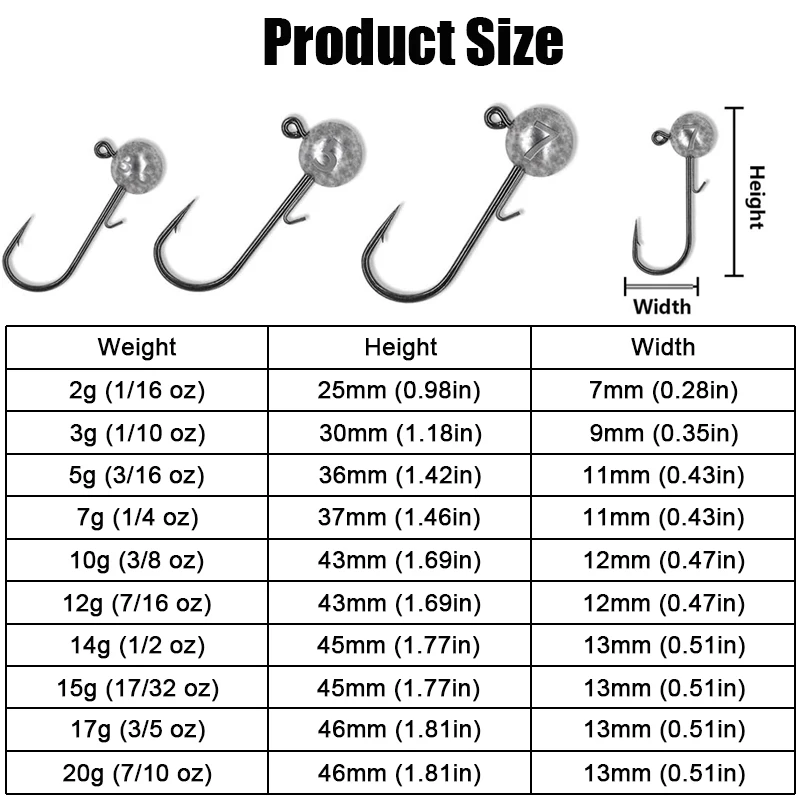
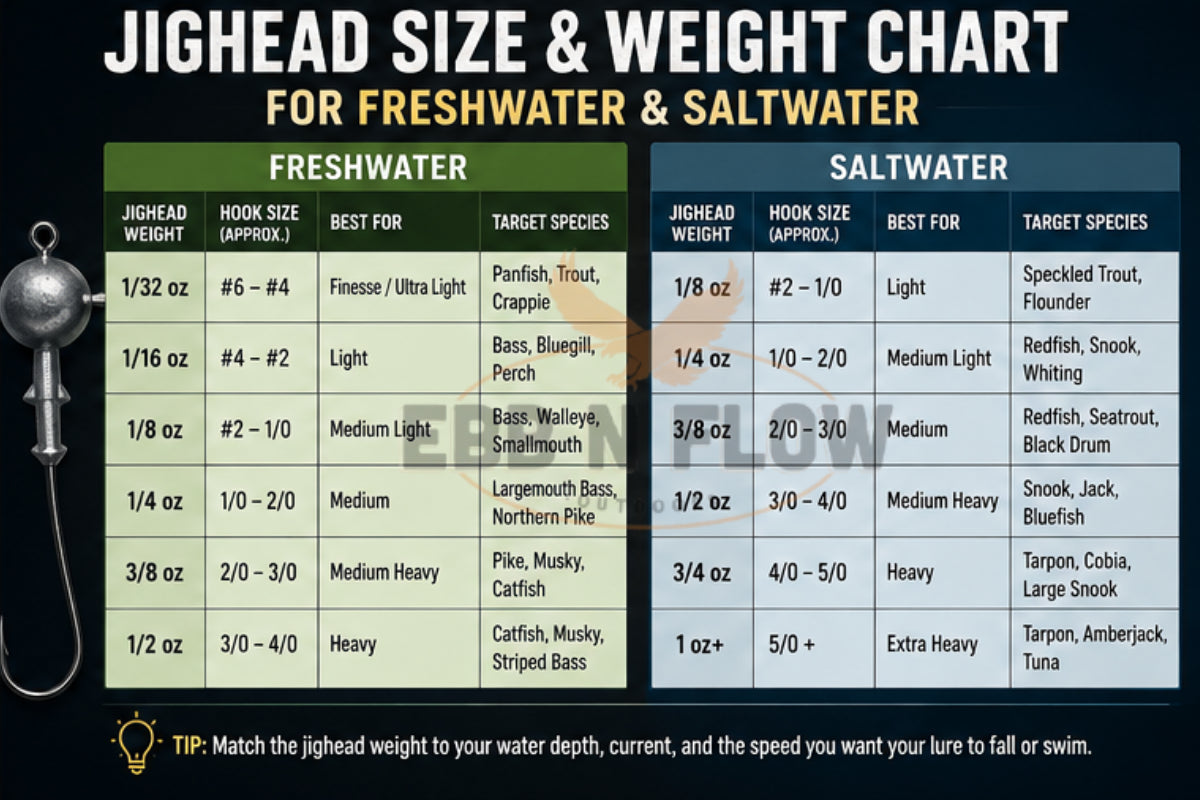
Jig head weights come in various sizes, typically ranging from 1/32 oz to 1 oz and beyond. These weights are crucial because they determine how quickly your bait sinks and how it moves through the water. A lighter jig head is ideal for shallow waters and slow currents, while a heavier head is better suited for deeper waters or faster-moving currents.
The ideal weight often depends on the type of fishing you’re doing, the depth of water, and the species of fish you’re targeting. For example, if you’re fishing for bass in shallow water, a 1/8 oz or 1/4 oz jig head might be perfect. However, if you’re targeting walleye in deeper waters, you might want to increase to a 3/8 oz or even a 1/2 oz jig head.
Using the Jig Head Weight Size Chart
A well-structured Jig Head Weight Size Chart is typically organized by weight and includes details on the best applications for each size. Here’s how to use it effectively:
- Identify Your Target Species: Different fish species respond better to certain weights. For instance, panfish often require lighter weights, while larger species like pike may necessitate heavier jigs.
- Choose Your Water Conditions: The depth and current of the water will influence your choice. In fast-moving water, heavier jigs will help maintain contact with the bottom.
- Refer to the Chart: Once you have your target species and water conditions in mind, consult the chart to find the recommended weights. A typical chart will look something like this:
- 1/32 oz: Ideal for shallow ponds or calm waters, targeting panfish.
- 1/8 oz: Great for shallow lakes or ponds, suitable for bass.
- 1/4 oz: Versatile for both shallow and medium-depth fishing.
- 3/8 oz: Best for deeper waters and currents, targeting walleye or larger bass.
- 1/2 oz and above: For deep water fishing or strong currents, targeting species like pike.
Practical Tips for Implementing Your Chart Insights
When using the Jig Head Weight Size Chart, here are a few practical tips to enhance your fishing success:
- Experiment with Different Weights: Don’t hesitate to try various weights until you find what works best for the conditions. Sometimes, even a slight increase or decrease in weight can make a significant difference.
- Consider the Bait Type: The type of bait you’re using can also impact your weight choice. For example, using live bait may require a different weight than using soft plastics.
- Adapt to Seasonal Changes: Fish behavior changes with the seasons, so adjust your weights accordingly. In colder months, fish may be less active and require lighter weights.
- Use Quality Gear: Ensure that your fishing rod and reel can handle the weight you’re using. A mismatch can lead to poor performance and lost catches.
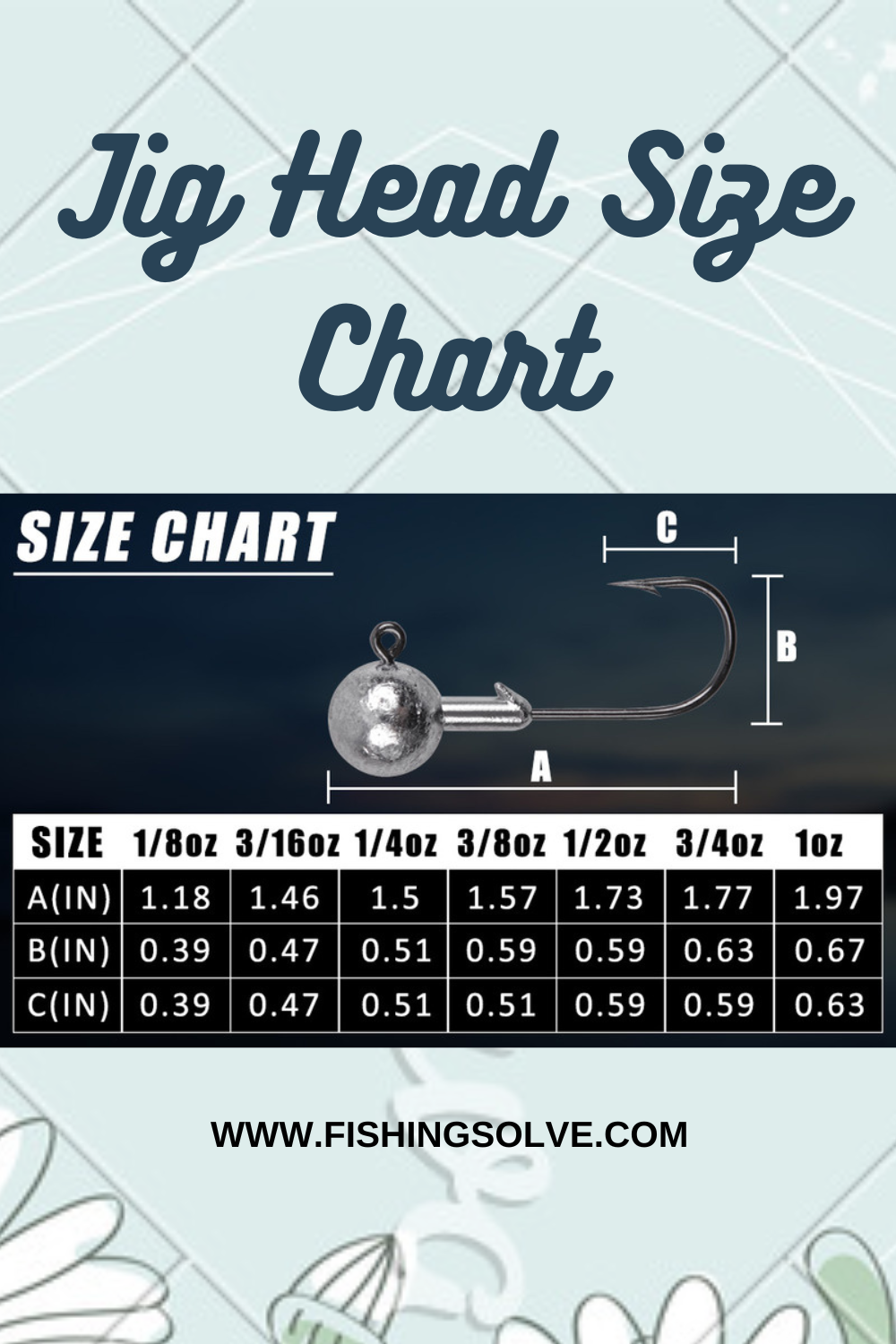
Where to Find Printable Jig Head Weight Size Charts
If you’re looking to keep a handy reference while you’re out fishing, printable Jig Head Weight Size Charts are available online. These resources are often offered in PDF format, making them easy to download and print. You can keep a copy in your tackle box or wallet for quick reference.
When searching for these charts, look for reputable fishing websites or forums where experienced anglers share their resources. This way, you can ensure the chart is accurate and useful. Some charts even come with additional tips on fishing techniques and bait selection.
