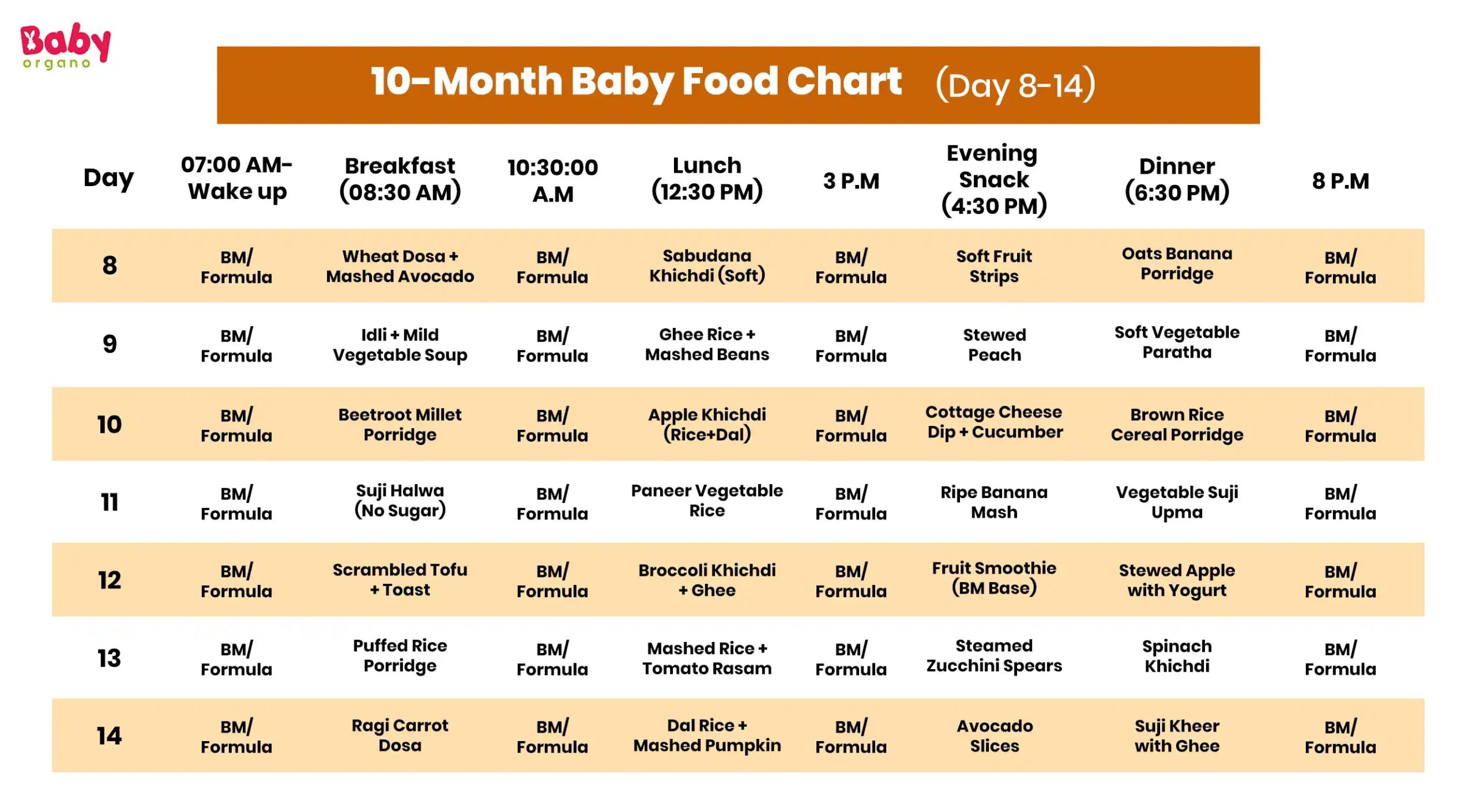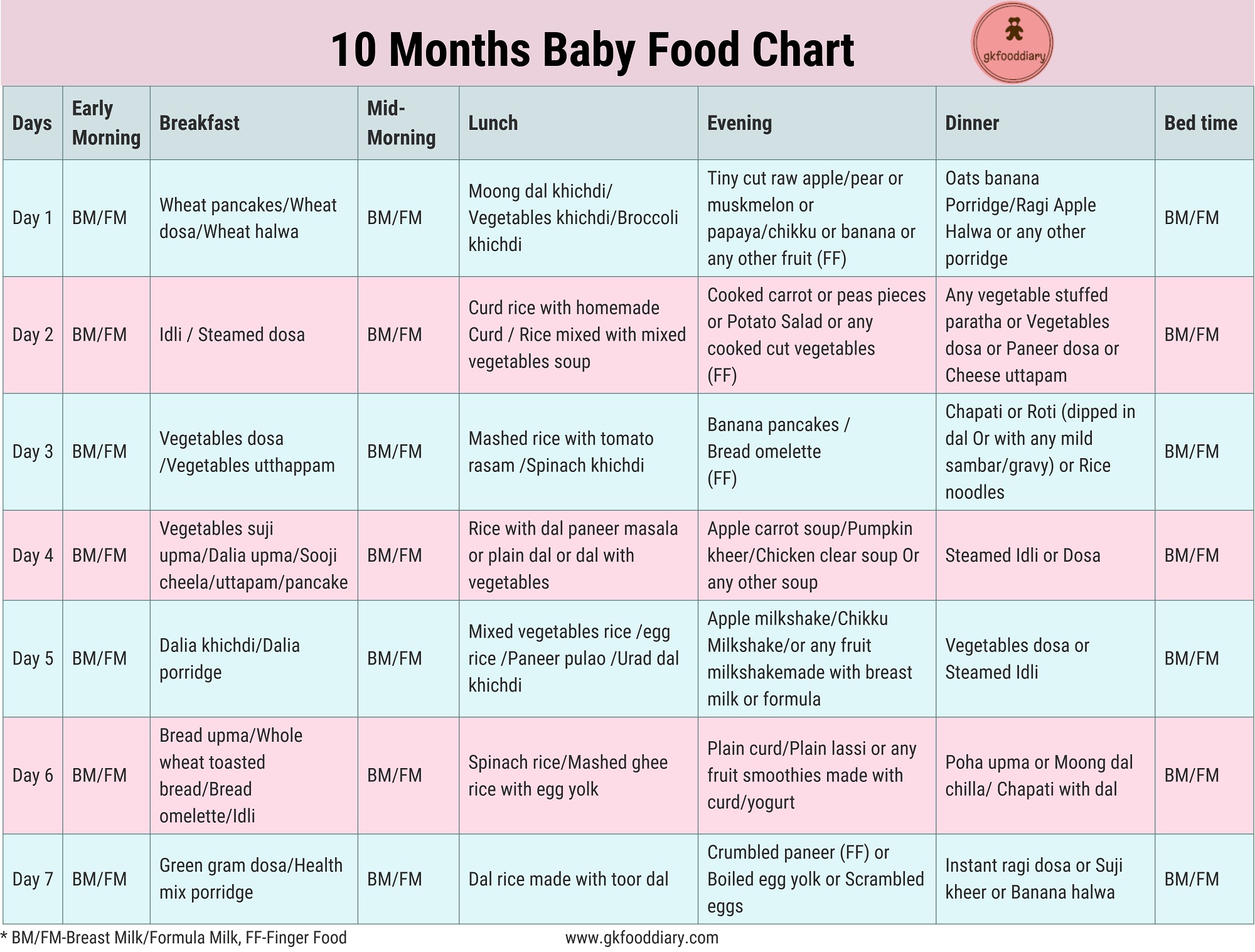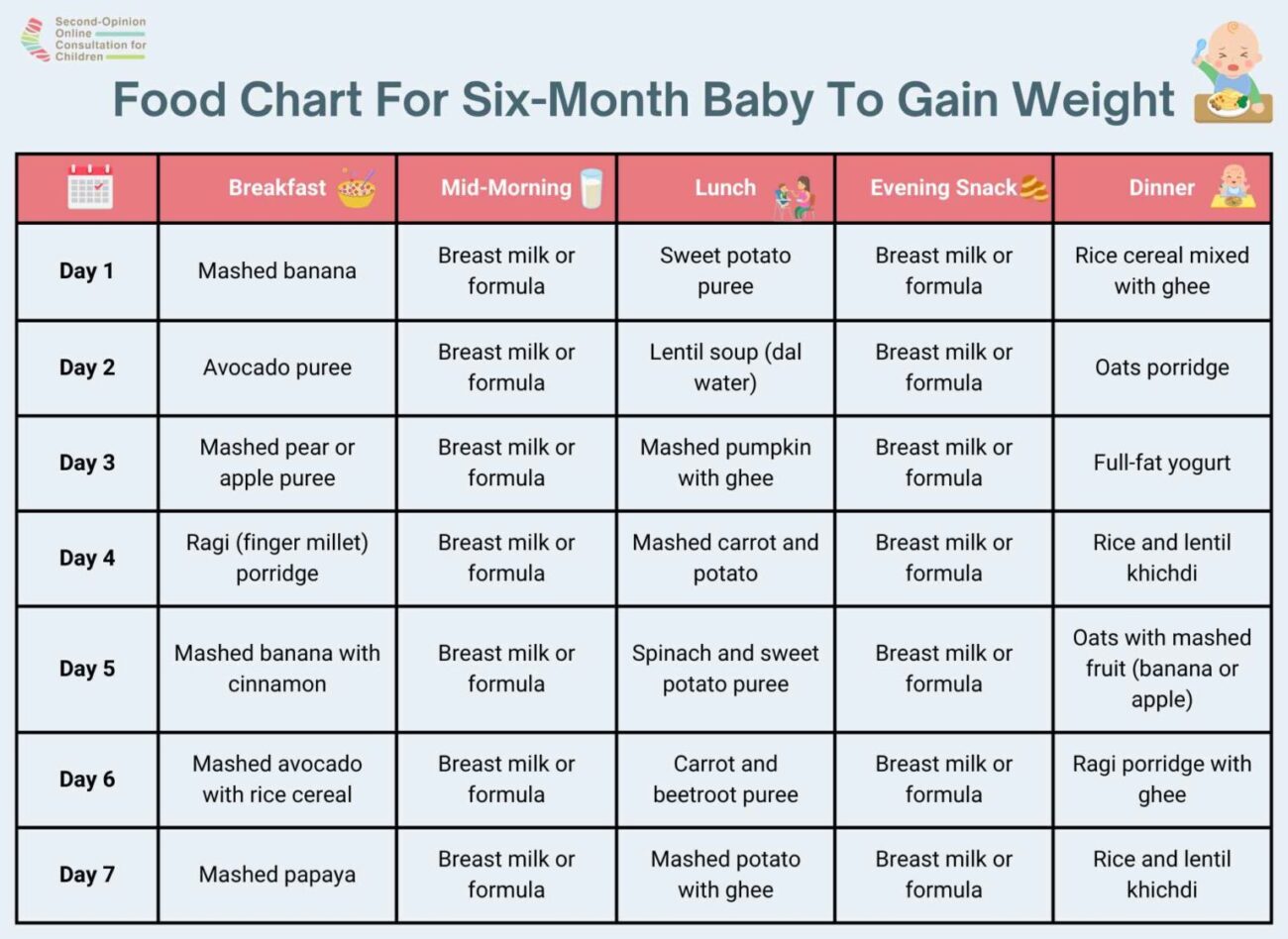
Tracking your baby’s growth is an essential part of parenting, especially when it comes to ensuring they’re getting the right nutrition. A well-organized chart can make this task much simpler. The 10 Month Baby Weight Gain Food Chart is designed to help you monitor your little one’s weight gain and food intake during this vital stage of their development. By using this chart, you can easily keep track of what your baby eats and how it contributes to their growth.
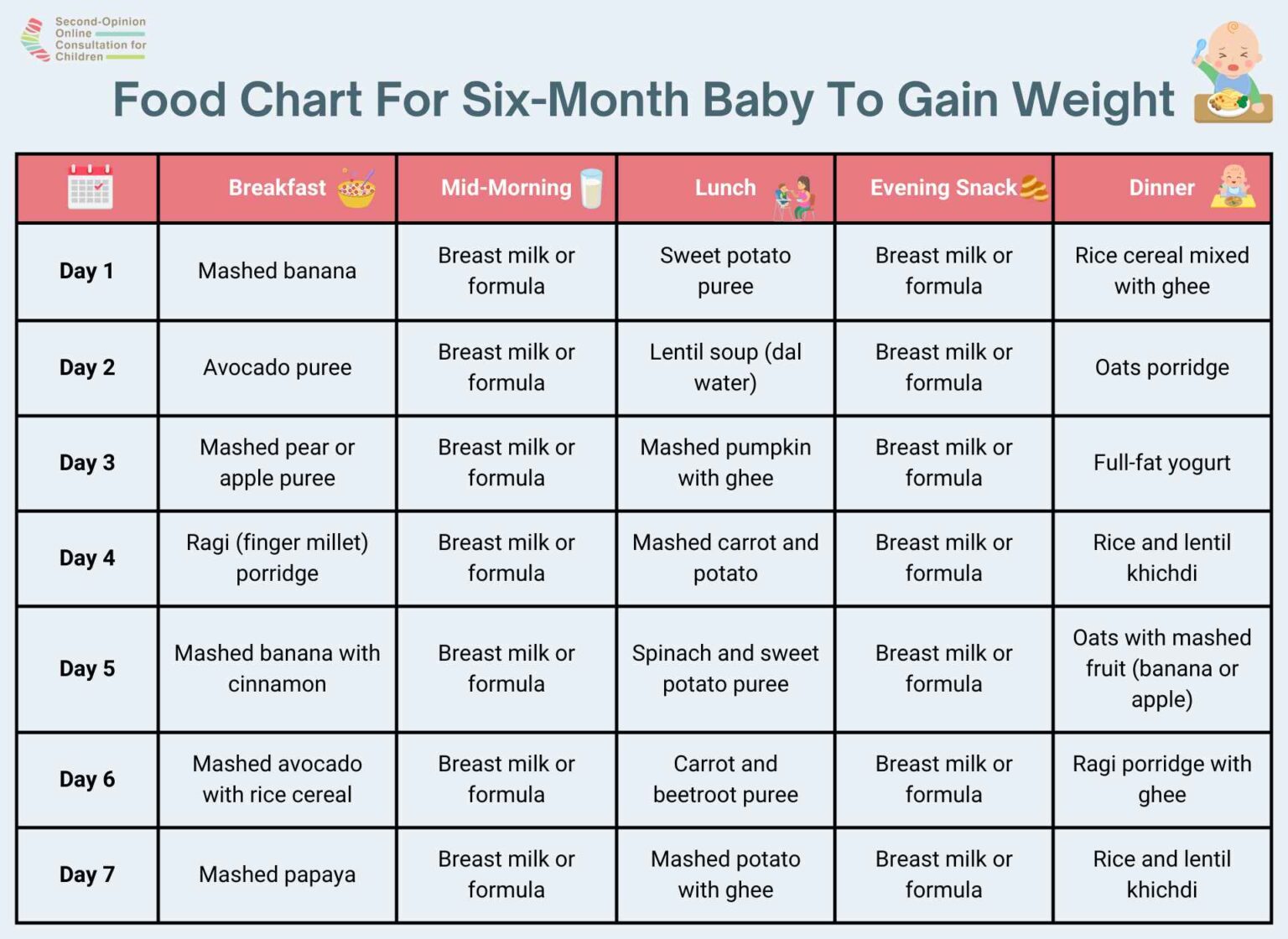
Understanding the 10 Month Baby Weight Gain Food Chart
This chart is typically structured with several key sections that provide a comprehensive overview of your baby’s dietary habits and weight progress. The layout usually includes columns for dates, types of food, portion sizes, and notes on any reactions or preferences your baby may have.
In using this chart, you start by entering the date in the first column, which lets you see the timeline of your baby’s eating habits. The next columns allow you to note the specific foods introduced, their portion sizes, and any observations about your baby’s reactions. This can be especially helpful for identifying any potential allergies or preferences.
Key Sections of the Chart
Dates
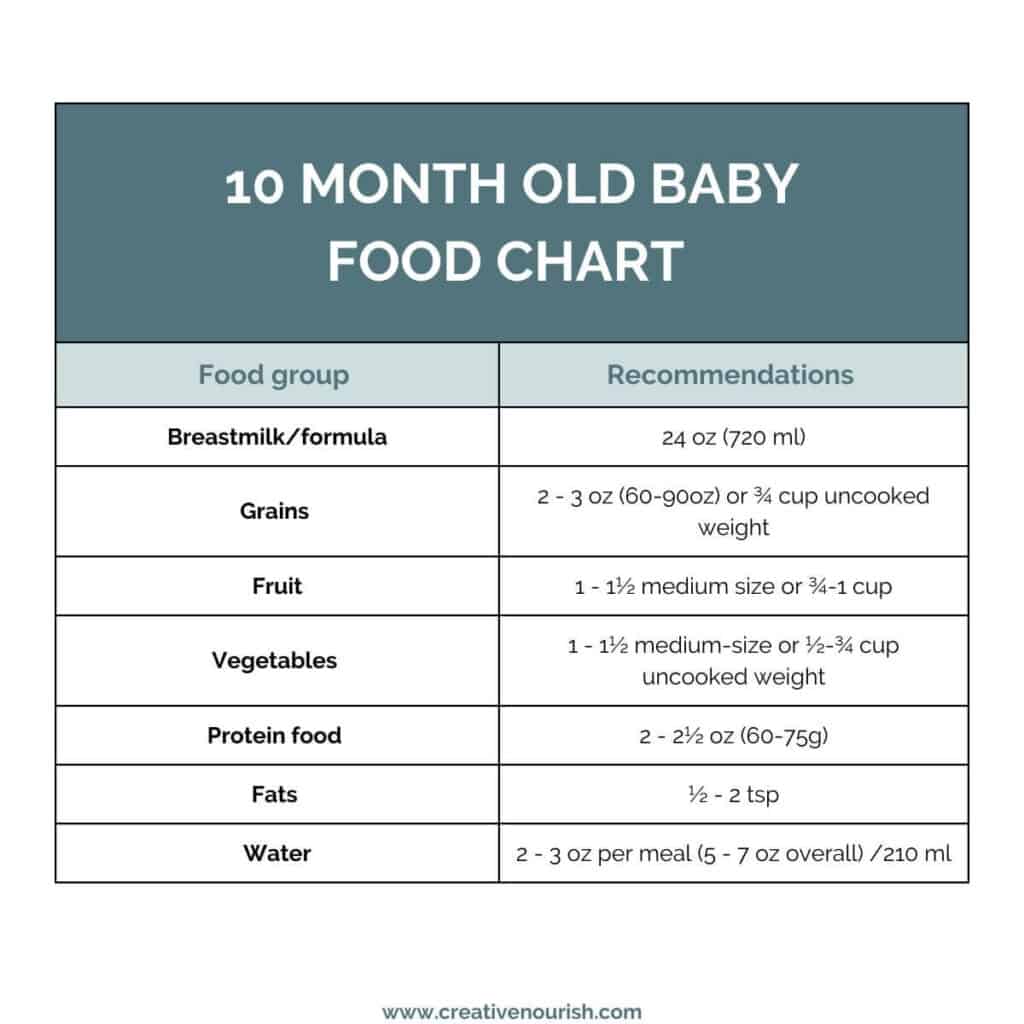
One of the most critical aspects of the chart is the date column. Recording the date each time you introduce a new food helps you correlate food intake with weight gain over time. It’s vital to keep track of these dates to notice trends, such as whether certain foods lead to a growth spurt or if your baby prefers certain flavors.
Food Types
In the food types column, you’ll list every food introduced to your baby. At 10 months, babies typically start eating a wider variety of foods, including fruits, vegetables, grains, and proteins. It’s best to introduce new foods one at a time, so you can monitor how your baby reacts and ensure they are tolerating everything well. A mix of pureed and soft finger foods is common at this stage.
Portion Sizes
This section allows you to document how much of each food your baby consumes. Portion sizes can vary widely at this age, so it’s helpful to note what seems to be appropriate for your little one. You might find that some days your baby eats more than others, which is completely normal.
Observations and Reactions
Finally, the observations column is where you can jot down any notable reactions your baby has to different foods, whether they loved it or seemed to dislike it. This is also a great space to track any digestive issues, like gas or fussiness, that may arise after trying a new food.
How to Use the Chart Effectively
To make the best use of your 10 Month Baby Weight Gain Food Chart, consider setting a routine for filling it out. You might choose to do it after each meal or at the end of the day. Consistency is key.
Before you start filling out the chart, gather all the necessary information. This includes knowing what foods you plan to introduce and their portion sizes. Having this information at hand will streamline the process and help you stay organized.
It’s also wise to keep this chart somewhere visible, like on your fridge. This way, you can easily refer to it during mealtime and ensure you’re keeping accurate records.
Printing and Organizing Your Chart
When it comes to the format, consider printing your chart in a landscape orientation. This layout usually gives you more space to write, especially if you have a lot of notes. Using a sturdy paper, like cardstock, can help if you plan to laminate it for durability.
You can also download the chart in PDF format if available, which typically avoids any reformatting issues that can occur with image files. This will ensure that you have a clean and clear document ready for use.
Tracking Weight Gain Alongside Food Intake
As you fill out the chart, it’s essential to also track your baby’s weight regularly. Most pediatricians recommend weighing your baby at each check-up, but you can also do this at home if you have a baby scale.
Make a note of your baby’s weight next to the corresponding dates on the chart. This will help you visualize how well your baby is gaining weight in relation to their food intake. If you notice any concerning trends, such as a lack of weight gain despite a healthy diet, it might be time to consult with your pediatrician.
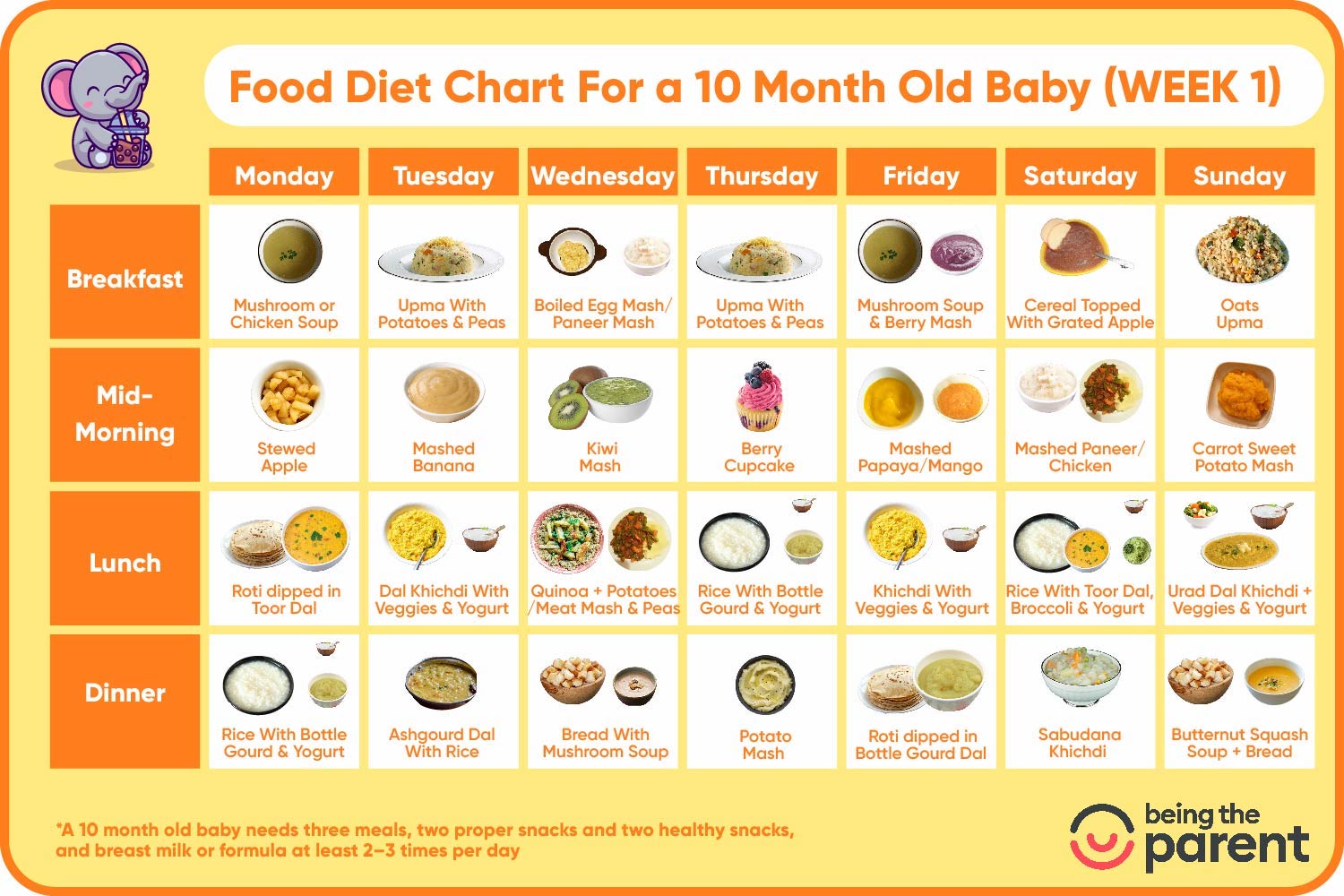
Tips for Success
- Be Consistent: Regularly update the chart to ensure you have the most accurate record of your baby’s food intake and weight gain.
- Stay Flexible: Some days your baby might eat more or less than usual, and that’s okay. Keep the chart as a guide rather than a strict rule.
- Involve Family: If your partner or other family members are involved in feeding, encourage them to update the chart as well. This can create a more comprehensive view of your baby’s eating habits.
- Use Color-Coding: Consider using colored pens or markers to signify different food groups or reactions. This visual cue can make the chart easier to read at a glance.
This structured approach to using the 10 Month Baby Weight Gain Food Chart can simplify the process of tracking your baby’s growth and nutritional needs. By making it a part of your daily routine, you’ll be well on your way to ensuring that your little one is getting the nourishment they need to thrive.
10 Month Baby Weight Gain Food Chart Gallery