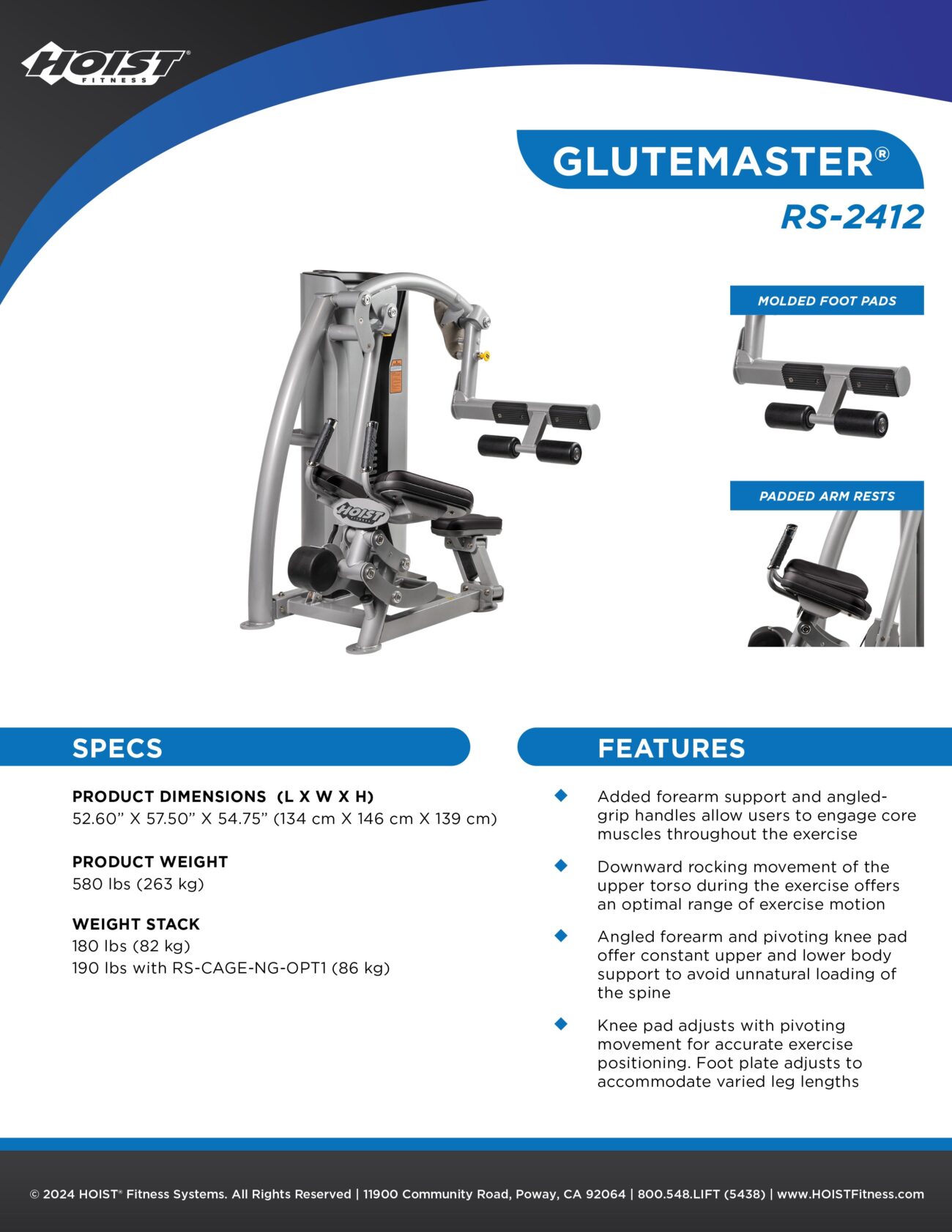
Tracking your fitness progress is essential for achieving your goals, and using a Hoist Glute Master Weight Chart can help you do just that. This chart serves as a valuable tool for anyone looking to monitor their strength training, particularly for the glutes. If you are a parent helping your child with their fitness journey or a teacher guiding students in a physical education class, having a clear weight chart at your disposal can make all the difference.
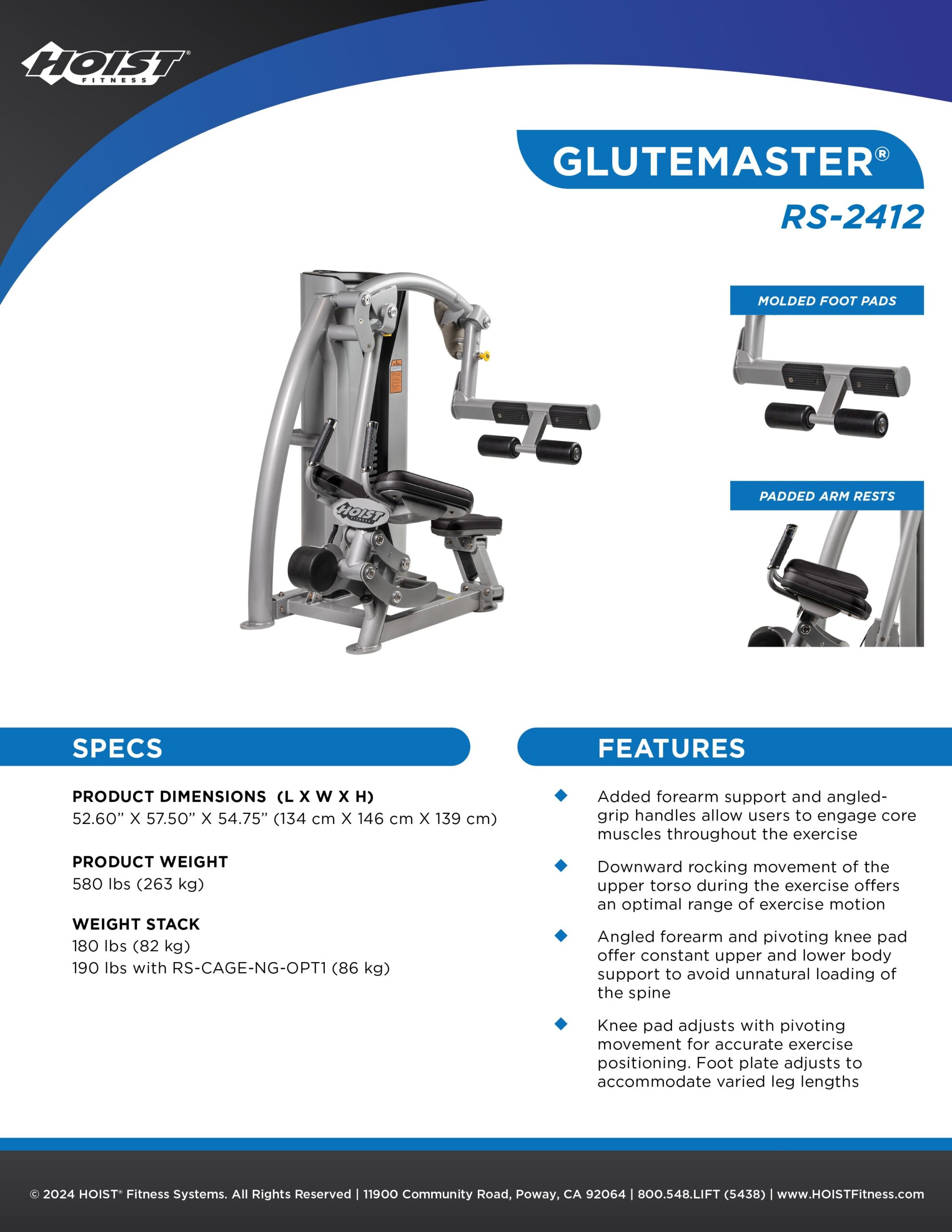
Understanding the Hoist Glute Master
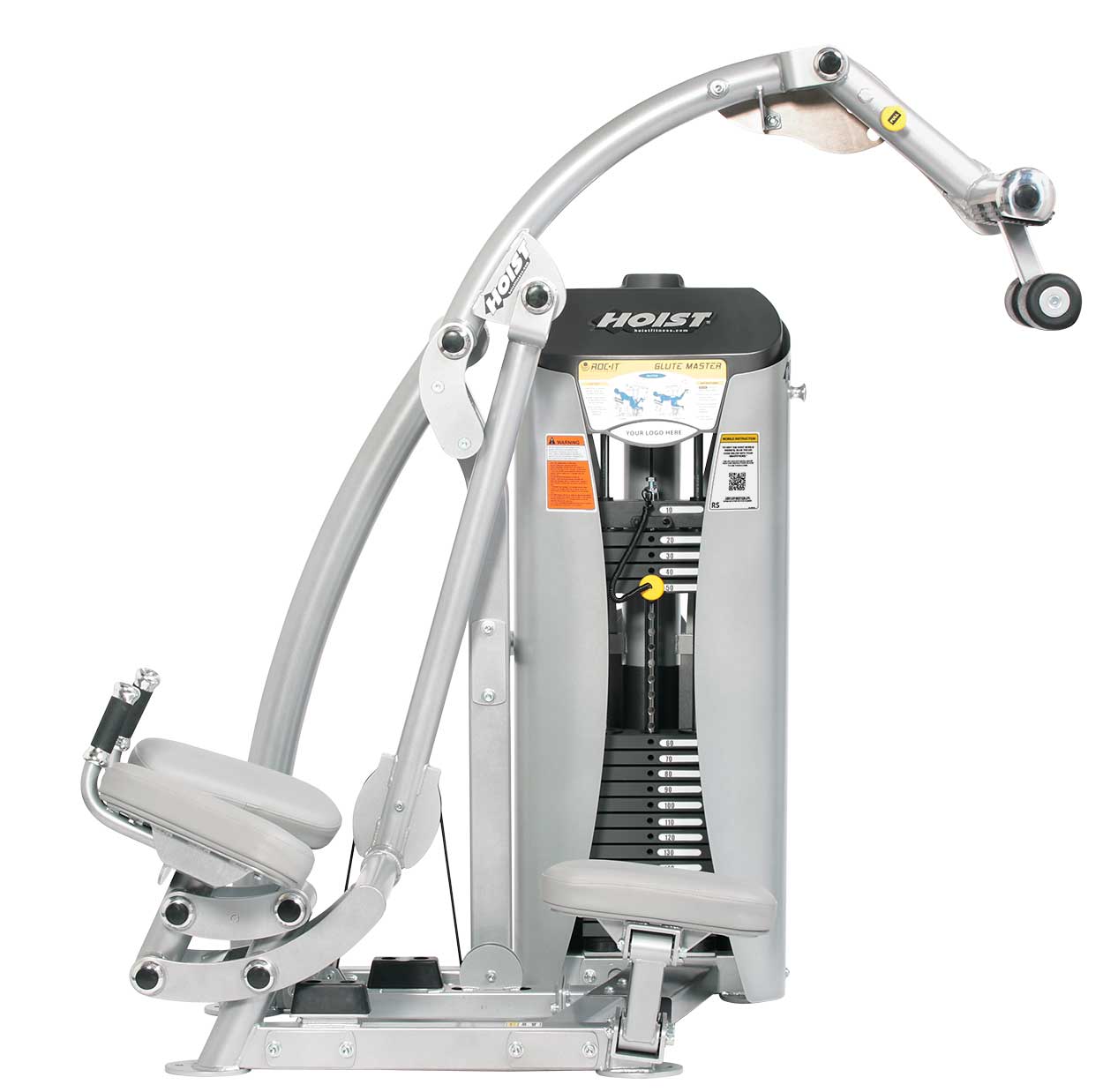
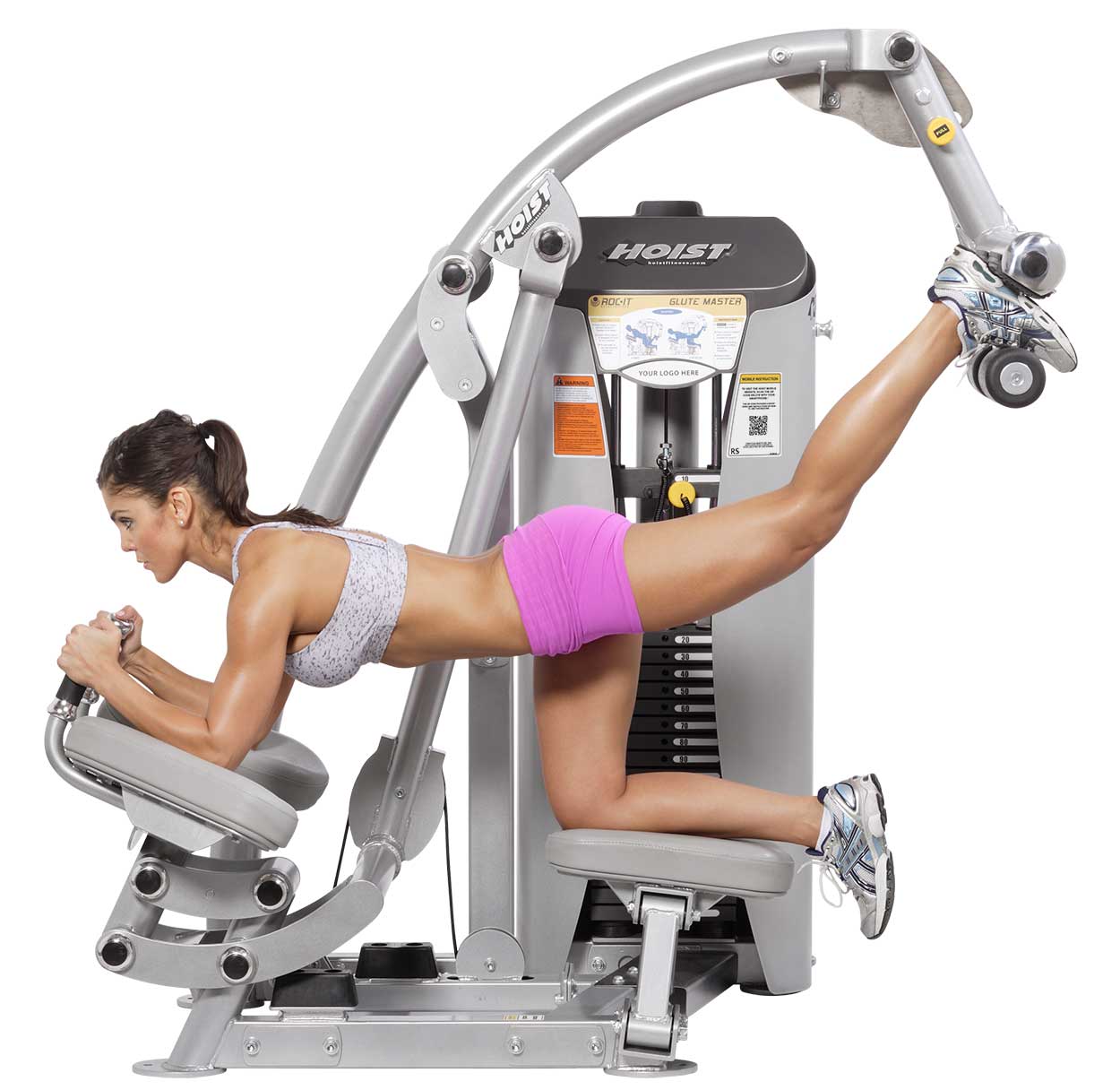
The Hoist Glute Master is a popular piece of gym equipment designed specifically to target the glute muscles. It provides an effective way to build strength and improve muscle tone in this area. When using this machine, it’s crucial to keep track of the weights lifted so you can see your progress over time. That’s where the Hoist Glute Master Weight Chart comes in handy.
This chart not only helps you keep track of the weights you use during your workouts but also encourages you to set and achieve new goals. It’s particularly useful for those who are new to strength training, as it provides a clear visual representation of your progress.
How to Use the Hoist Glute Master Weight Chart
Setting Up Your Chart
To get started, print out the Hoist Glute Master Weight Chart from a reputable source. You can find downloadable versions online, which are easy to access. Once you have your chart, it’s time to fill in the initial details.
- Date: Write down the date of your first workout.
- Weight Used: Record the weight you’re lifting on the Hoist Glute Master.
- Reps and Sets: Note how many repetitions and sets you’re completing.
By filling in this information each time you work out, you’ll have a clear record of your progress. It’s also helpful to leave space for notes, as you might want to jot down how you felt during the workout or any adjustments you made.
Tracking Your Progress
As you continue to use the Hoist Glute Master, make it a habit to update your weight chart after each session. You might find that you can lift heavier weights over time, or you may want to increase your reps. Whatever your goals are, documenting this information will motivate you to keep pushing forward.
For instance, if you started with 50 pounds and can now lift 70 pounds for the same number of reps and sets, that’s a clear indicator of your progress. Celebrate these small victories, as they play a significant role in your overall fitness journey.
Tips for Effective Use of the Weight Chart
Consistency is Key
One of the most important factors in tracking your progress with the Hoist Glute Master Weight Chart is consistency. Make it a routine to update your chart every time you work out. Consider setting a specific day or time each week for your strength training sessions. This will help you establish a habit and stay committed to your goals.
Get Creative With Your Chart
Feel free to personalize your Hoist Glute Master Weight Chart. You can add color coding to indicate different weight levels or use stickers to mark milestones. This not only makes tracking more fun but also visually engaging, which can motivate both you and anyone else using the chart.
Review and Reflect
At the end of each month, take some time to review your weight chart. Reflect on your progress and set new goals for the coming month. For example, if you’ve consistently increased your weights, consider aiming for a specific weight goal to reach by the end of the next month. This reflection will keep you focused and committed.
Incorporating the Weight Chart in a Classroom Setting
If you’re a teacher or a coach, you can utilize the Hoist Glute Master Weight Chart as part of your physical education curriculum. Here’s how to implement it in a classroom or group fitness setting.
Group Workouts
Host group workout sessions where students can use the Hoist Glute Master together. Provide each student with their own weight chart to fill out during the session. This not only encourages teamwork but also allows everyone to share their experiences and motivate one another.
Progress Tracking and Accountability
Encourage students to track their weights on the chart and share their progress with the class. This creates a sense of accountability and encourages healthy competition. You might even consider rewarding students for reaching specific milestones, such as lifting a certain weight or completing a set number of workouts.
Host Challenges
Consider organizing challenges that involve the Hoist Glute Master. For example, create a “Most Improved” challenge where students track their progress over a month. This can help foster a supportive environment and encourage everyone to strive for their best.
