Navigating life insurance can feel overwhelming, especially when it comes to understanding the various factors that affect your premiums and eligibility. One crucial aspect is the Height Weight Chart For Life Insurance, which can help you gauge whether your weight falls within an acceptable range for your height. This chart is often used by insurance companies to assess risk and determine your premium rates, making it an essential tool for anyone considering life insurance.
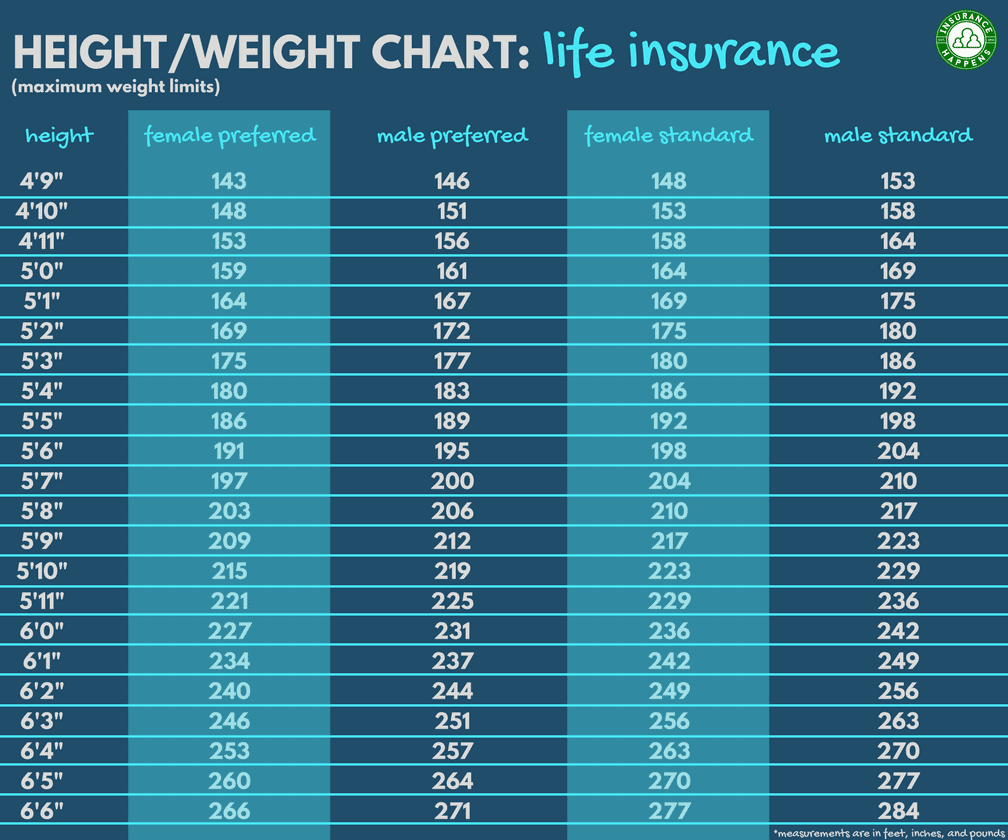
Understanding the Height Weight Chart
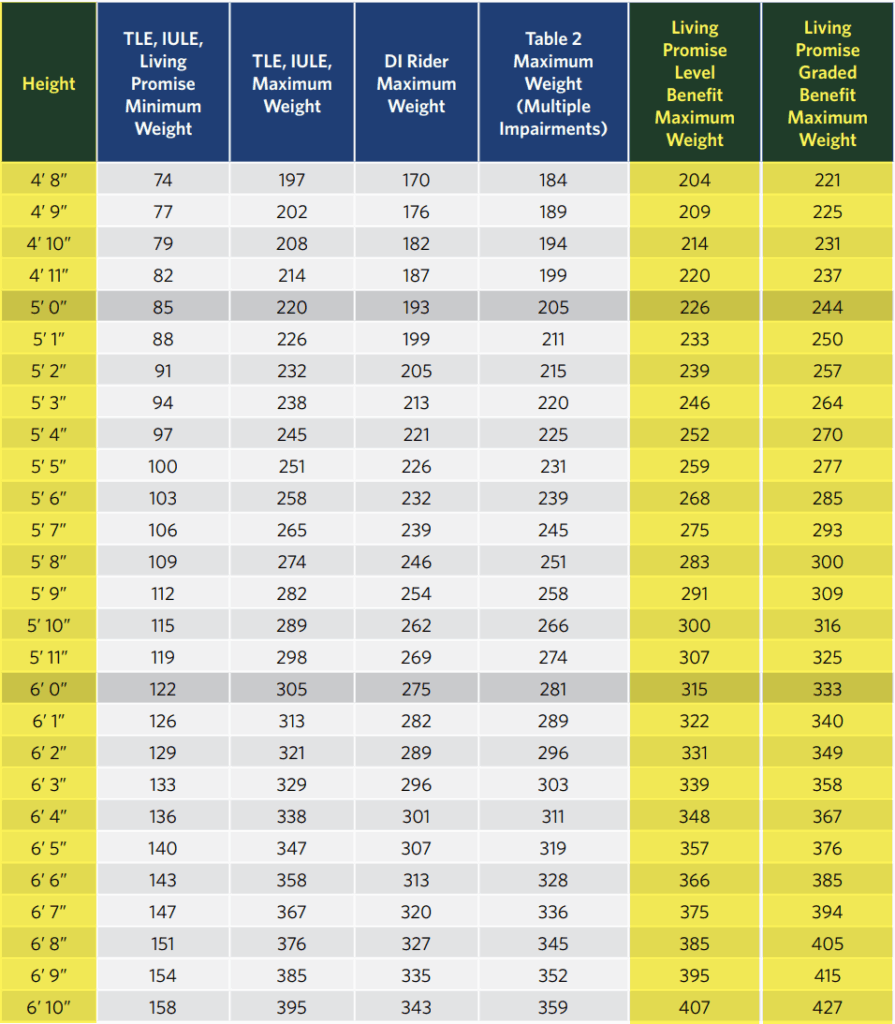
A Height Weight Chart typically presents a range of weights that correspond to various heights, helping you see where you fall on the scale. These charts are designed based on statistical data correlating weight and height to health risks. If you’re a parent looking to secure life insurance for yourself or your family, knowing how this chart works is vital.
To read a Height Weight Chart, find your height on the left side, and look across the row to see the corresponding weight range. For instance, if you’re 5’6″, your ideal weight range might be approximately 115 to 155 pounds. Being aware of these figures can help you understand where you stand and what kind of premiums you might expect.
How to Use the Height Weight Chart for Life Insurance
- Evaluate Your Current Weight
Start by weighing yourself accurately. Use a reliable scale, preferably one that you’ve used consistently. If you’re concerned about accuracy, consider weighing yourself at a doctor’s office or a gym.
- Find Your Height
Measure your height without shoes, standing straight against a wall. Note this measurement in inches or centimeters, as most charts will use one of these formats.
- Locate Your Measurements on the Chart
With your height and weight in hand, find your height on the Height Weight Chart for Life Insurance. Look across to see if your weight falls within the recommended range.
- Consult with an Insurance Agent
If you find that your weight is outside the recommended range, it’s wise to consult with an insurance agent. They can provide insights into how your weight might affect your premiums or eligibility, and suggest ways to potentially mitigate any issues.
- Consider Regular Assessments
Regularly check your weight and height, especially if you’re making lifestyle changes. This can help you stay within the desired range and avoid surprises when applying for insurance.
The Importance of Maintaining a Healthy Weight
Maintaining a healthy weight is not just about life insurance; it contributes significantly to overall health. Excess weight can lead to various health issues, including heart disease, diabetes, and hypertension. Here are some reasons why keeping track of your weight is essential:
- Improved Health Outcomes: Maintaining a healthy weight reduces the risk of chronic diseases.
- Lower Premiums: Being within the ideal weight range can help you secure lower premiums, making life insurance more affordable.
- Better Quality of Life: A healthy weight often translates to increased energy levels and improved mental health.
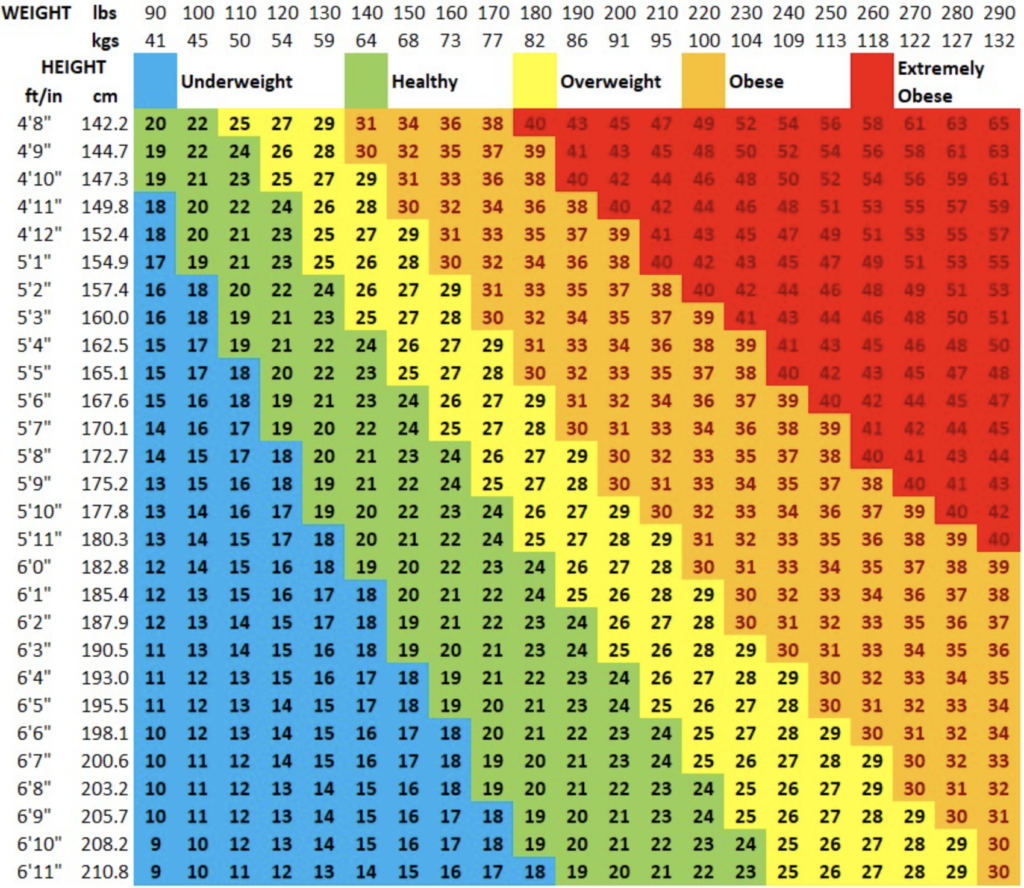
Printable Resources for Tracking Your Progress
To help you stay on track, consider downloading printable resources like weight trackers, meal planners, and exercise logs. These tools can assist you in maintaining a healthy lifestyle. Here’s how you can use them effectively:
- Weight Tracker
Create a simple weight tracker where you can log your weight weekly. This will help you visualize your progress over time.
- Meal Planner
Use a meal planner to prepare balanced meals. Planning ahead can help you avoid unhealthy choices.
- Exercise Log
Keep an exercise log to track your physical activity. This can motivate you to stay active and reach your fitness goals.
- Height Weight Chart Printout
Print a copy of the Height Weight Chart for Life Insurance and keep it in a visible place. This can serve as a daily reminder of your goals.
- Goal Setting Worksheet
Consider using a goal-setting worksheet to outline your weight management objectives. Write down short-term and long-term goals to keep yourself accountable.
