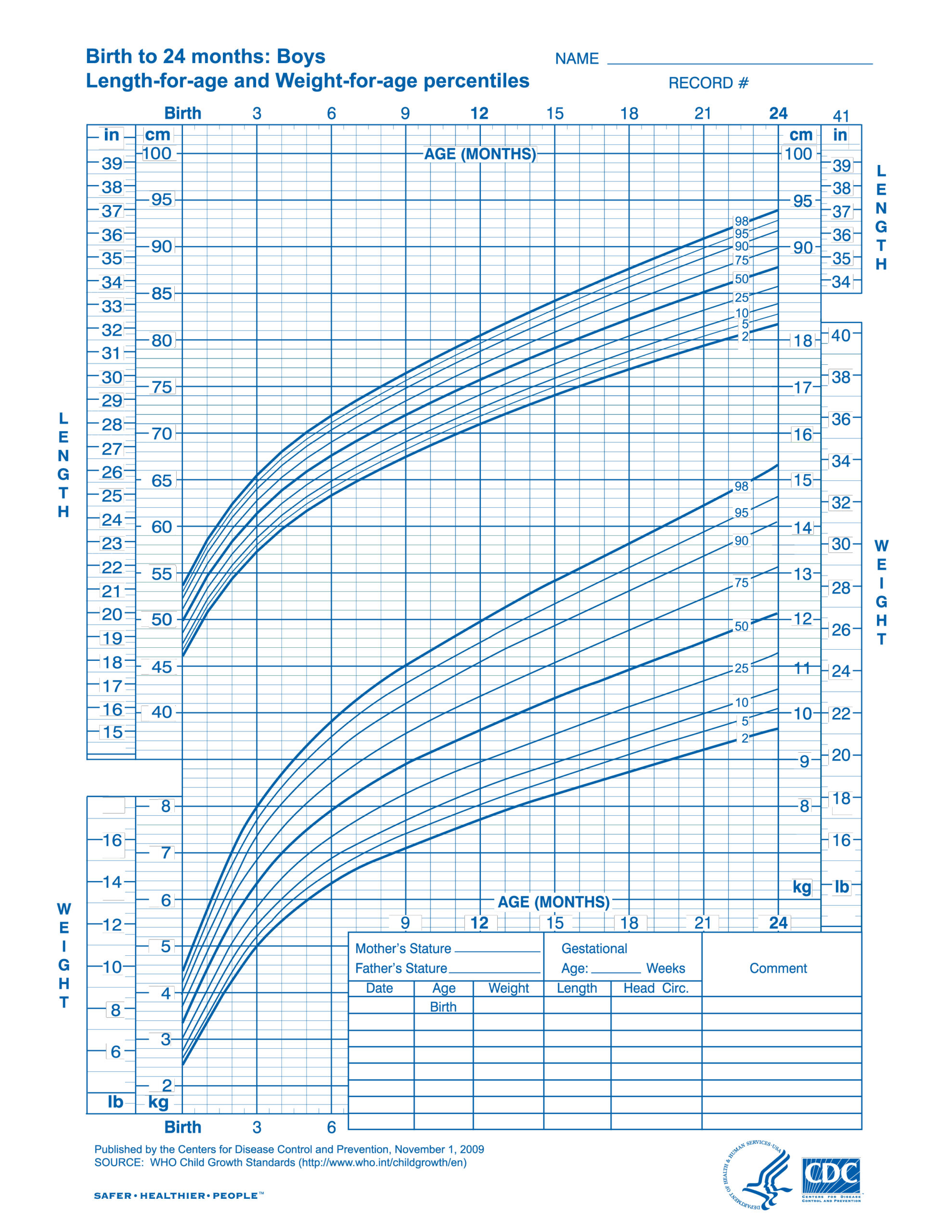
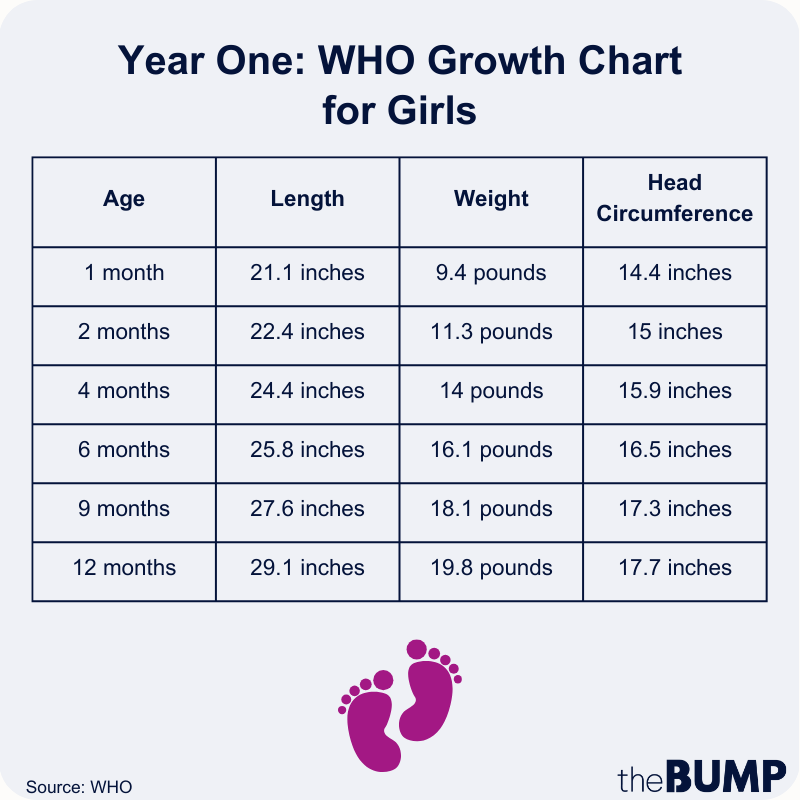
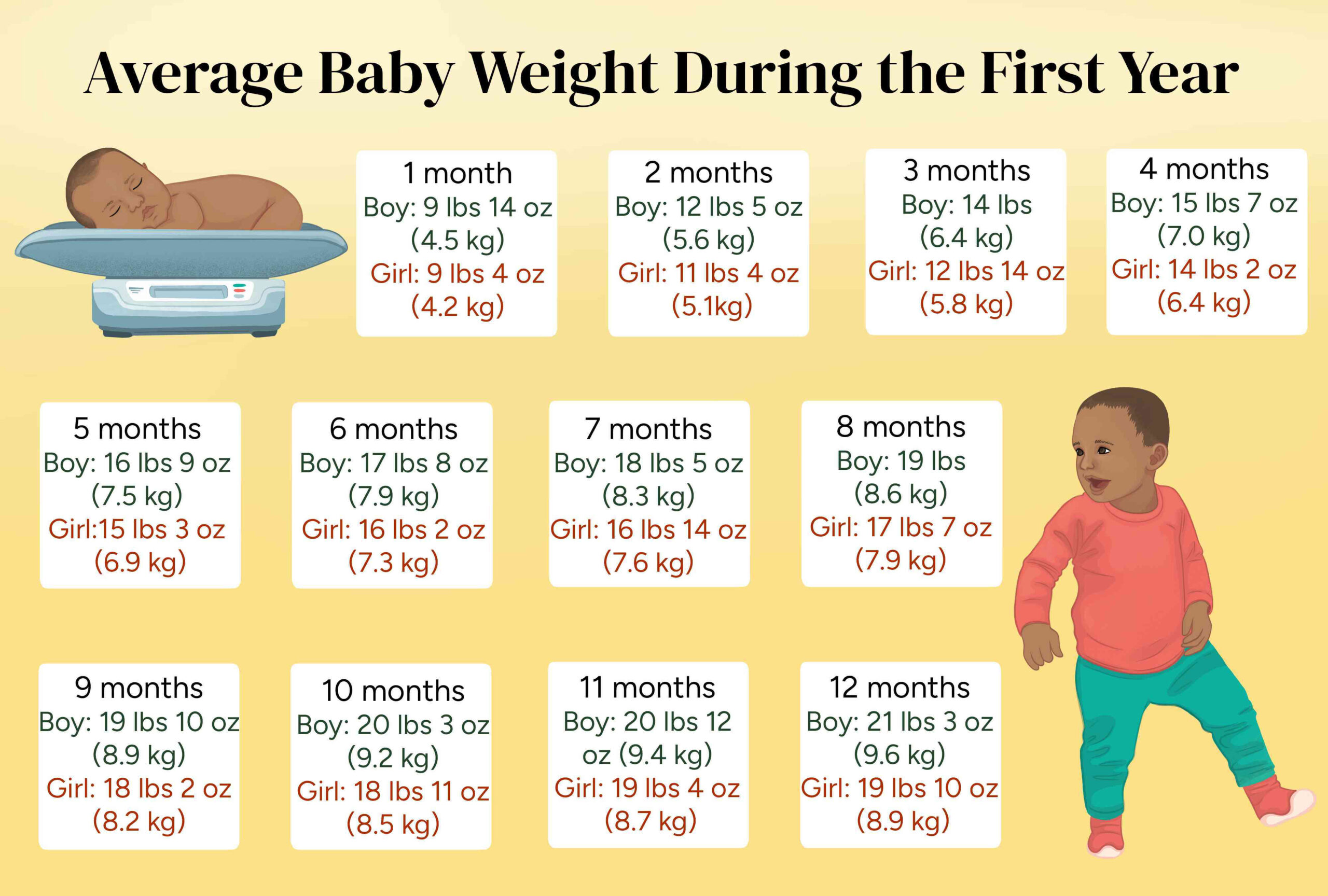
Tracking your baby’s growth can be both exciting and daunting. The 10 Month Baby Weight Chart is a helpful tool to monitor your little one’s weight and development through this crucial stage. This chart allows you to visualize weight milestones, ensuring your baby is on track for healthy growth. In this guide, I’ll explain how to read the chart, what information you need to fill it out, and how to incorporate it into your routine.
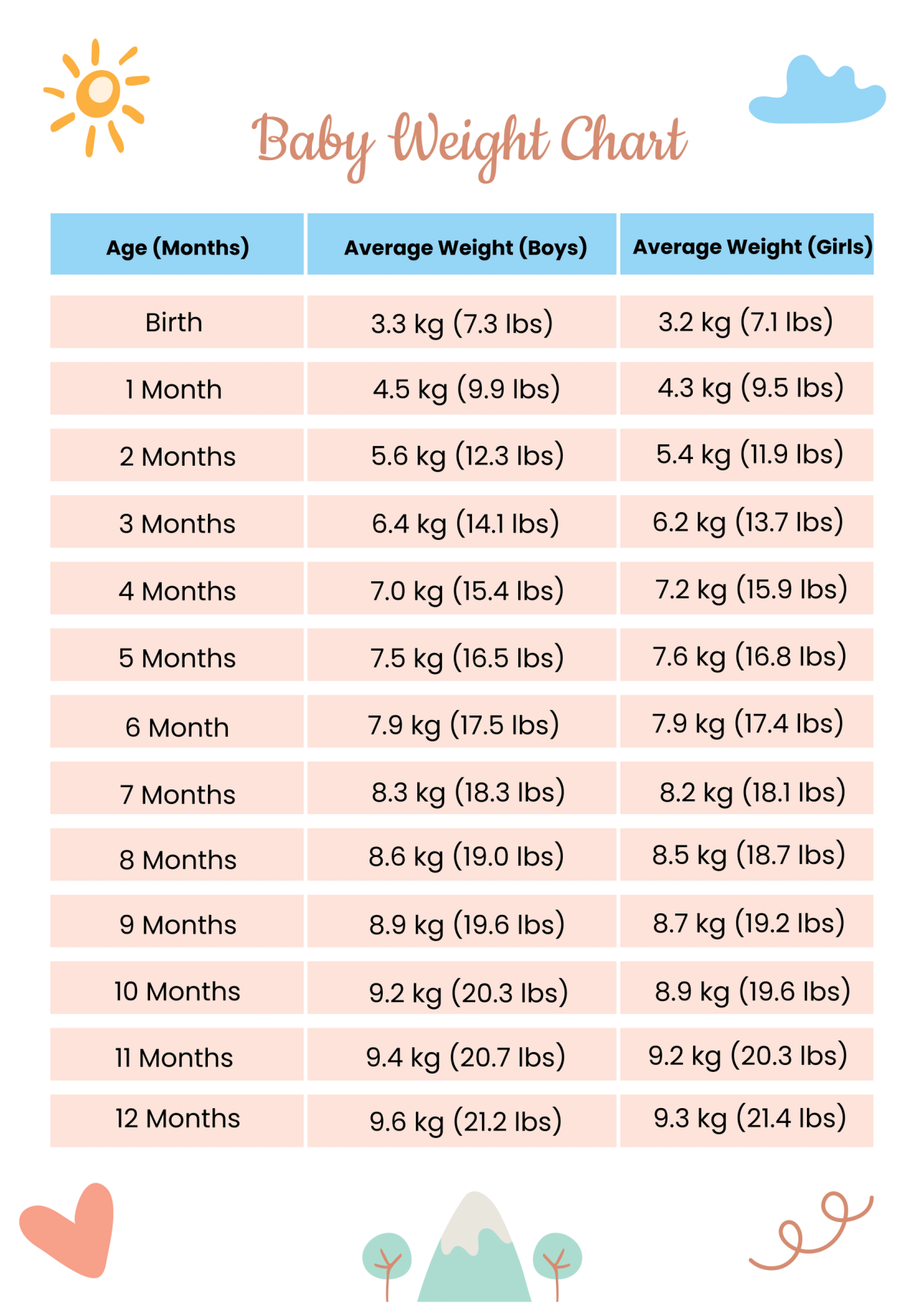
Understanding the 10 Month Baby Weight Chart
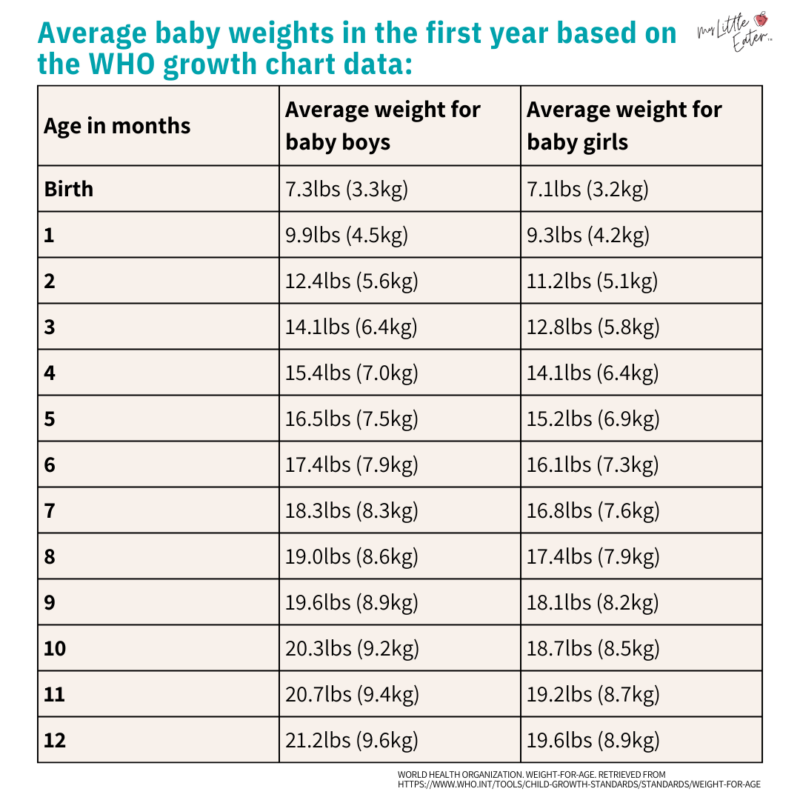
The 10 Month Baby Weight Chart displays weight ranges for babies at the 10-month mark, typically reflecting percentiles based on a large population of infants. These percentiles help parents understand where their child’s weight falls compared to others of the same age. For instance, a baby in the 50th percentile weighs more than 50% of babies their age, while a baby in the 75th percentile weighs more than 75%.
When using the chart, you’ll generally see:
- Weight in pounds or kilograms
- Percentile ranks
- Age in months
This layout helps you quickly assess whether your baby is gaining weight appropriately. It’s essential to remember that every baby is unique, and variations in growth patterns are completely normal.
Filling Out the Weight Chart
Before you start using the 10 Month Baby Weight Chart, gather the following information:
- Baby’s Age: Make sure you note the exact age of your baby in months. For a 10-month-old, you’ll be focusing on the data corresponding to that age.
- Current Weight: Weigh your baby using a reliable scale. If you can, do this at the same time each day for consistency.
- Previous Weights: If available, gather previous weight measurements to track your baby’s growth trend over time.
Once you have this information, you can fill in the chart by locating your baby’s age and marking their weight. This will help you visualize growth over the months and understand any patterns or concerns.
Interpreting the Results
When you look at the filled-out 10 Month Baby Weight Chart, consider the following:
- Weight Percentiles: Check where your baby’s weight falls on the chart. Ideally, you want them to be between the 10th and 90th percentiles, indicating healthy growth.
- Growth Trends: Look for trends in the data. Is your baby steadily gaining weight, or have there been fluctuations? Consistency is key; if you notice rapid gains or losses, it may be worth consulting your pediatrician.
- Milestones: Along with weight, consider other developmental milestones your baby should be reaching around this age, such as crawling, standing, or starting to eat solid foods.
Incorporating the Chart Into Your Routine
Using the 10 Month Baby Weight Chart can be a part of your monthly routine. Here are a few tips to make it effective:
- Weigh Regularly: Aim to weigh your baby at the same time each month. This consistency helps provide more accurate tracking.
- Document Changes: Keep a separate journal or digital record of your baby’s weights and any notes on feeding habits or health changes. This can provide valuable context if you need to discuss growth with your pediatrician.
- Compare with Milestones: Use the chart alongside developmental milestones. If your baby is meeting weight expectations but not achieving other milestones, it may be worth discussing with a healthcare provider.
Where to Download the 10 Month Baby Weight Chart
You can easily find printable versions of the 10 Month Baby Weight Chart online. Look for resources that offer high-quality PDFs for download. Some features to consider when selecting a chart include:
- Format: Ensure it’s in a commonly used format like PDF for easy printing.
- Design: Choose a chart that is clear and easy to read. A well-designed chart will help you visualize your baby’s growth without confusion.
- Additional Resources: Some charts come with additional tips on feeding and growth expectations which can be incredibly helpful.
When you download your chart, consider printing it on cardstock for durability, especially if you plan to use it over several months. This way, it can withstand any spills or wear and tear that comes with parenting.
A Practical Tip for Parents
As you monitor your baby’s growth, remember that weight is just one aspect of their overall health. Pair the 10 Month Baby Weight Chart with regular pediatric check-ups to ensure your baby is thriving in all areas. Keep an open line of communication with your healthcare provider about any concerns regarding weight, feeding, or development.
Tracking your baby’s growth can be a rewarding experience. By using the 10 Month Baby Weight Chart effectively, you’ll feel more informed and empowered in your parenting journey.
10 Month Baby Weight Chart Gallery