Tracking your baby’s growth is crucial for their health and development. Many parents find themselves wondering if their little one is on the right path. That’s where an Infant Length And Weight Chart comes in handy. This resource helps you visualize and track your infant’s growth over time, ensuring they are meeting important milestones.
Understanding the Infant Length And Weight Chart
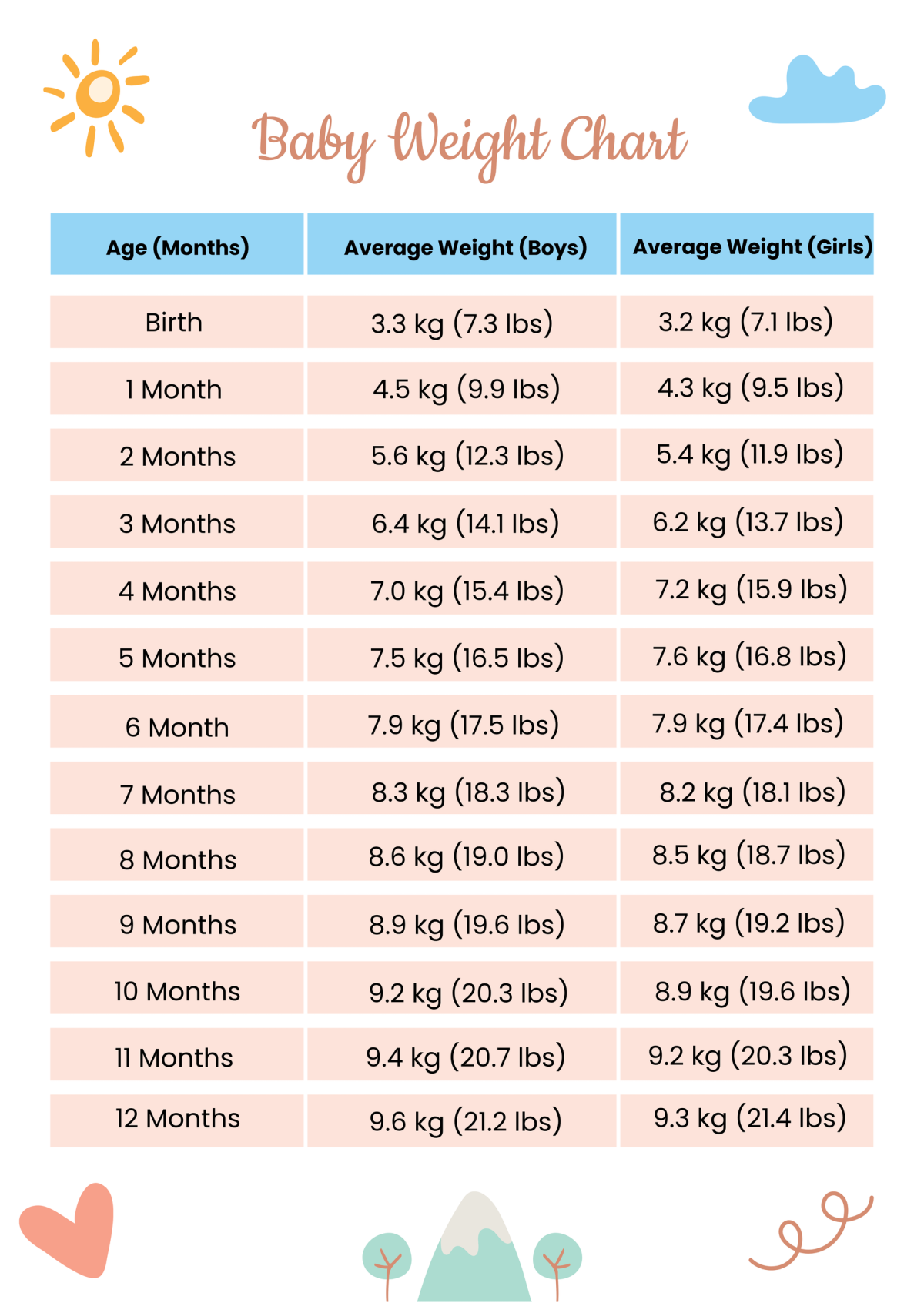
An Infant Length And Weight Chart is a tool that provides parents with a visual representation of their child’s growth patterns. It typically includes a grid where you can plot your baby’s weight and length at various ages, allowing you to see how they compare to standard growth percentiles. This chart is essential for monitoring your baby’s development and understanding their growth trajectory.
What Information Does the Chart Include?
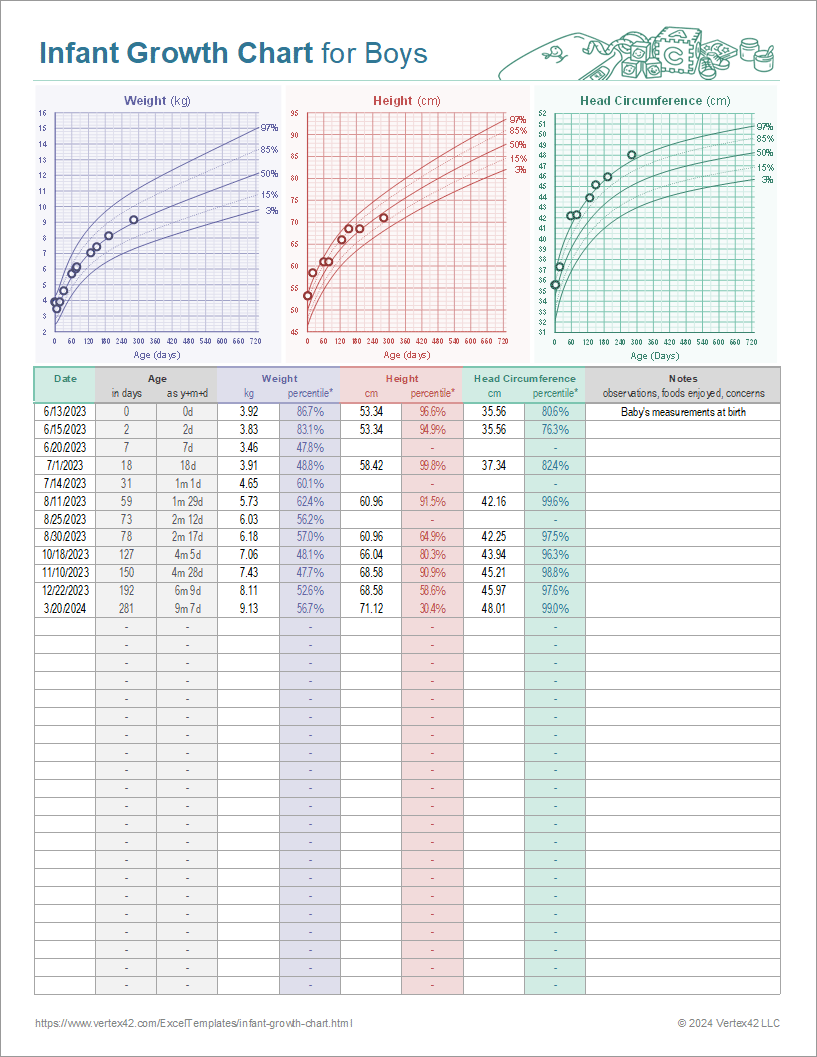
When using an Infant Length And Weight Chart, you’ll typically see:
- Age in months
- Length (height) in inches or centimeters
- Weight in pounds or kilograms
- Percentile curves (e.g., 5th, 50th, 95th percentiles)
The percentile curves show how your baby’s measurements compare to other infants of the same age and sex. For instance, if your baby is in the 75th percentile for weight, they weigh more than 75% of babies of the same age.
How to Use the Chart Effectively
Using the Infant Length And Weight Chart is straightforward. Here’s a step-by-step approach:
- Gather Your Measurements: You’ll need to measure your baby’s weight and length accurately. For length, lay your baby flat on a firm surface and measure from the top of their head to the soles of their feet. For weight, using a scale designed for infants is best.
- Record the Data: Write down your baby’s measurements along with their age. It’s helpful to do this during regular check-ups or at home monthly.
- Plot the Data: On the chart, find the age of your baby and plot the length and weight. You can use a pencil or a marker to create a small dot on the graph.
- Connect the Dots: As you continue to measure and plot over time, connect the dots to visualize the growth trend.
- Review Percentiles: Check where your baby falls on the percentile curves. This can help you understand if they are growing as expected. Remember, healthy babies come in all shapes and sizes!
Monitoring Growth Patterns
Regularly using the Infant Length And Weight Chart allows you to identify growth patterns. Here’s why that matters:
- Identify Concerns Early: If you notice a sudden drop or rise in percentiles, it could indicate a potential health issue. Consult your pediatrician if you have concerns.
- Celebrate Milestones: Watching your baby’s growth can be a source of joy. Each measurement is a reminder of how quickly they are developing.
- Adjust Feeding and Nutrition: If your baby’s growth is below expectations, it may prompt a review of their feeding schedule and nutrition.
Where to Find Printable Charts
You can find many downloadable and printable Infant Length And Weight Charts online. Look for resources that provide clear, easy-to-read formats. Some charts come in PDF format, which is convenient for printing. Here’s how to access them:
- Search Online: Use search terms like “printable infant growth chart” or “Infant Length And Weight Chart PDF.”
- Choose a Trusted Source: Opt for reputable websites, such as those from health organizations or pediatric associations.
- Download and Print: Once you find a suitable chart, download it and print it in a size that fits your needs. Portrait layout often works best for home printers.
Making the Most of Your Chart
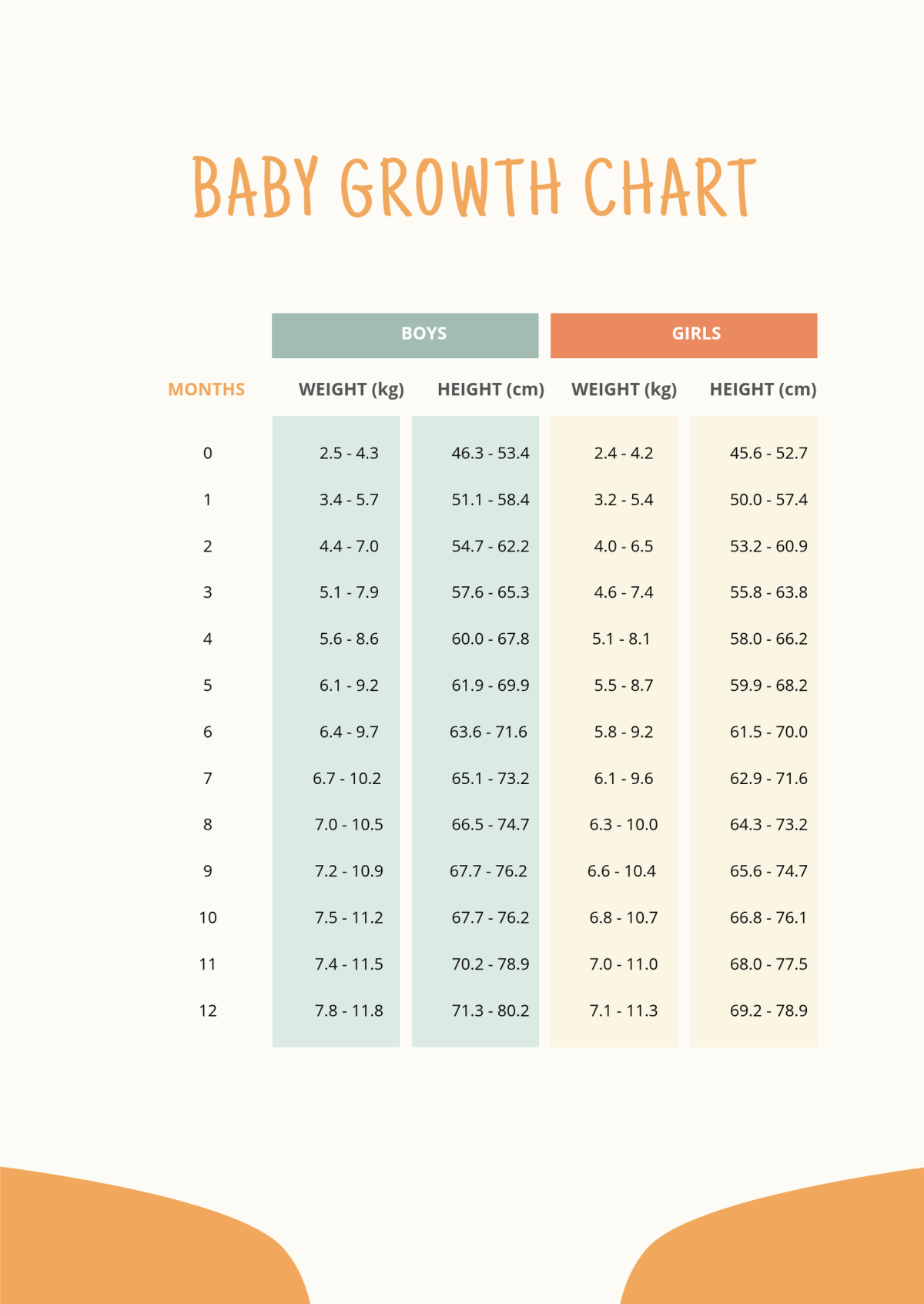
To truly benefit from using an Infant Length And Weight Chart, consider these tips:
- Keep It Accessible: Hang the chart in a place where you regularly check on your baby’s progress, such as in the nursery or on the fridge.
- Involve Caregivers: Share the chart with anyone who regularly looks after your baby, such as grandparents or babysitters. This ensures everyone is aware of the growth tracking.
- Stay Consistent: Use the same scale and measuring technique each time to ensure consistency in your data.
- Celebrate Growth: Take time to appreciate each milestone. You might even want to mark special occasions, like their first birthday, directly on the chart.
Tracking your baby’s growth with an Infant Length And Weight Chart can be an empowering experience. By actively monitoring their development, you’ll feel more confident in their health journey. Plus, it’s a wonderful way to celebrate how much they’re growing! Remember, each baby is unique, so trust your instincts and consult with your pediatrician whenever you have questions or concerns.
