Keeping track of your baby’s growth is crucial for ensuring they are developing healthily. An Infant Weight Chart In Pounds gives you a clear visual representation of your child’s weight progress over time, allowing you to monitor their growth patterns. This chart can help identify any concerns early on, making it a valuable resource for parents and caregivers.
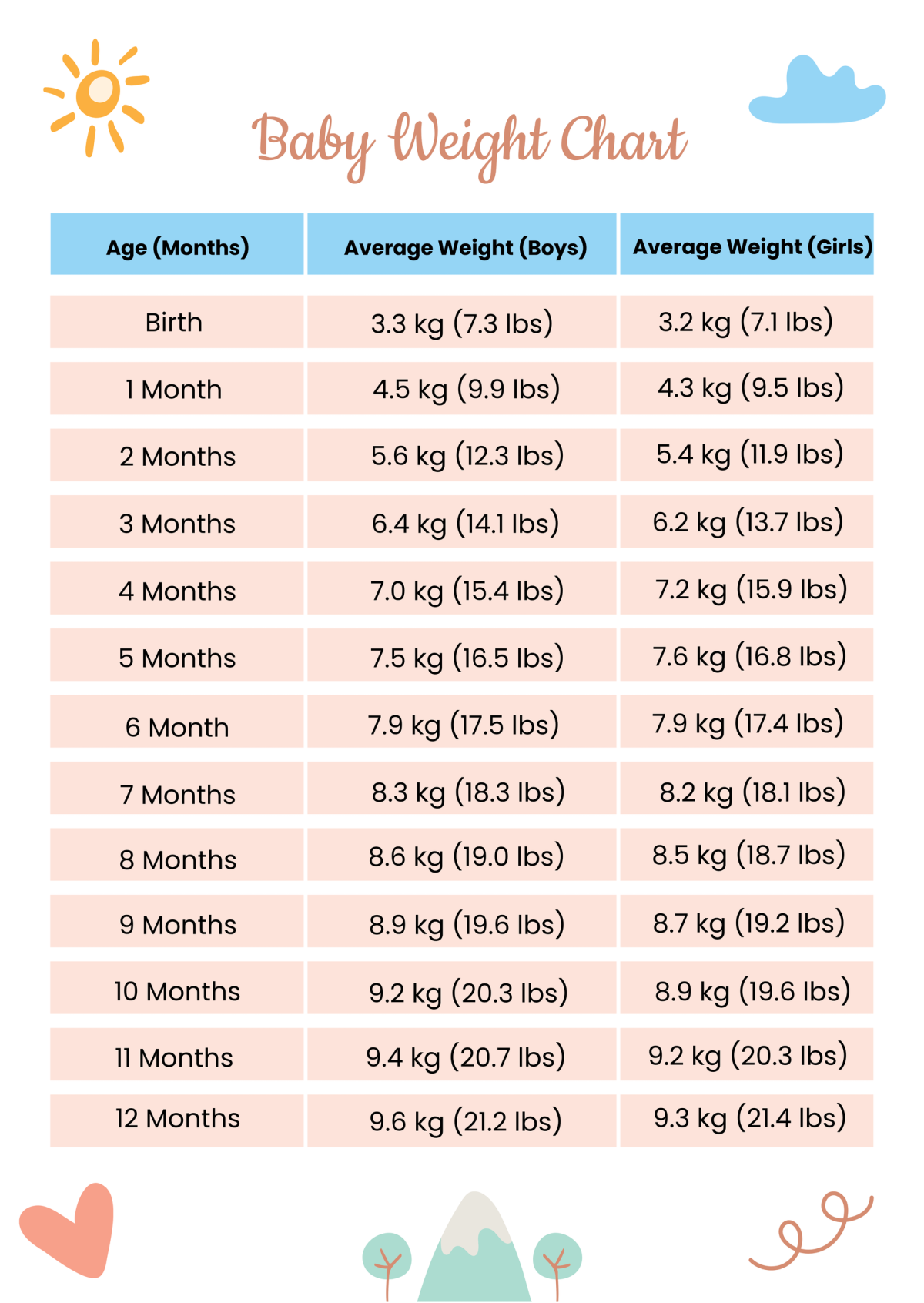
Understanding the Infant Weight Chart
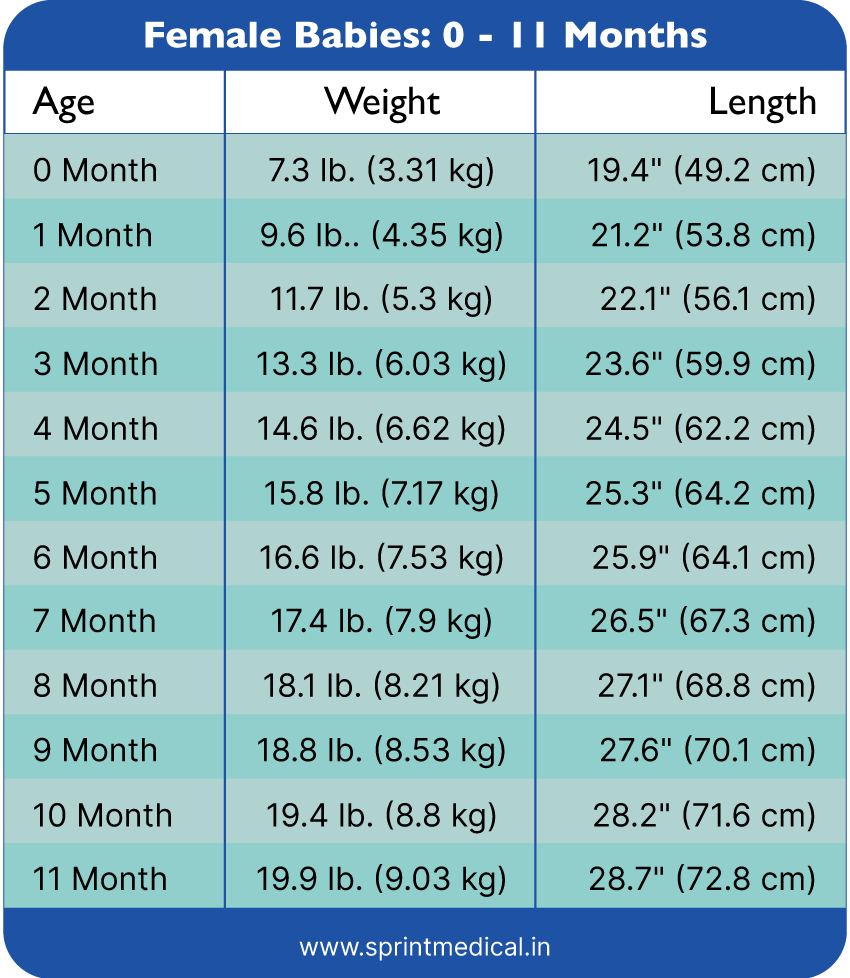
An Infant Weight Chart In Pounds typically consists of a grid that plots weight against age, allowing you to see where your child falls in relation to standard growth percentiles. The chart usually includes lines representing the 5th, 10th, 25th, 50th, 75th, 90th, and 95th percentiles. This means if your baby is in the 50th percentile for weight, they weigh more than 50% of babies their age and less than the remaining 50%.
To use the chart effectively, you’ll need to record your baby’s weight at regular intervals, which is often done during pediatrician visits. You can then plot this weight on the chart to visually track your child’s growth over time. This can help you see patterns or changes that may require attention.
How to Read and Fill Out the Chart
Filling out the Infant Weight Chart In Pounds is straightforward. Here’s how to do it:
- Collect Weight Data: Weigh your infant regularly, preferably at the same time each day or week for consistency. Use a reliable baby scale for accuracy.
- Locate the Age: On the chart, find your baby’s age in months along the bottom axis.
- Plot the Weight: Move up from the age line to find the corresponding weight on the vertical axis. Mark this point on the chart.
- Connect the Dots: As you continue to weigh your baby, connect each point to see the growth trend. Make sure to use a different color for each visit or month for clarity.
- Observe Trends: Look for patterns over time. If your baby consistently follows a percentile line, that’s usually a good sign. If they jump between percentiles or drop significantly, it may be worth discussing with your pediatrician.
When and Where to Use the Chart
You can use the Infant Weight Chart In Pounds at home or during pediatric visits. If you’re using it at home, keep it in a place where you can easily access it, such as on your refrigerator or in a baby book. During doctor visits, bring your chart along to discuss your child’s growth with the pediatrician. This can provide valuable context for any concerns or questions you may have.
For practical use, consider downloading a printable version of the chart. This allows you to fill it out easily and keep a physical copy for your records. Many websites offer free downloadable infant weight charts that you can print in various formats, like PDF or image files.
Common Mistakes to Avoid
While using the Infant Weight Chart In Pounds, there are a few common pitfalls to avoid:
- Inconsistent Measurements: Weighing your baby at different times of the day or using different scales can lead to inaccurate tracking. Stick to a routine and use the same scale for the most reliable results.
- Ignoring Percentile Changes: If your baby’s weight falls below the 10th percentile or above the 90th percentile, it’s essential to discuss this with your healthcare provider. Don’t assume that it’s just a phase.
- Neglecting Other Growth Indicators: Weight is just one aspect of growth. Pay attention to other signs such as length and head circumference, and ensure that your baby is meeting developmental milestones.
- Forgetting to Update the Chart: Make it a habit to update your chart after each weight check. This keeps the data fresh and allows you to spot trends more easily.
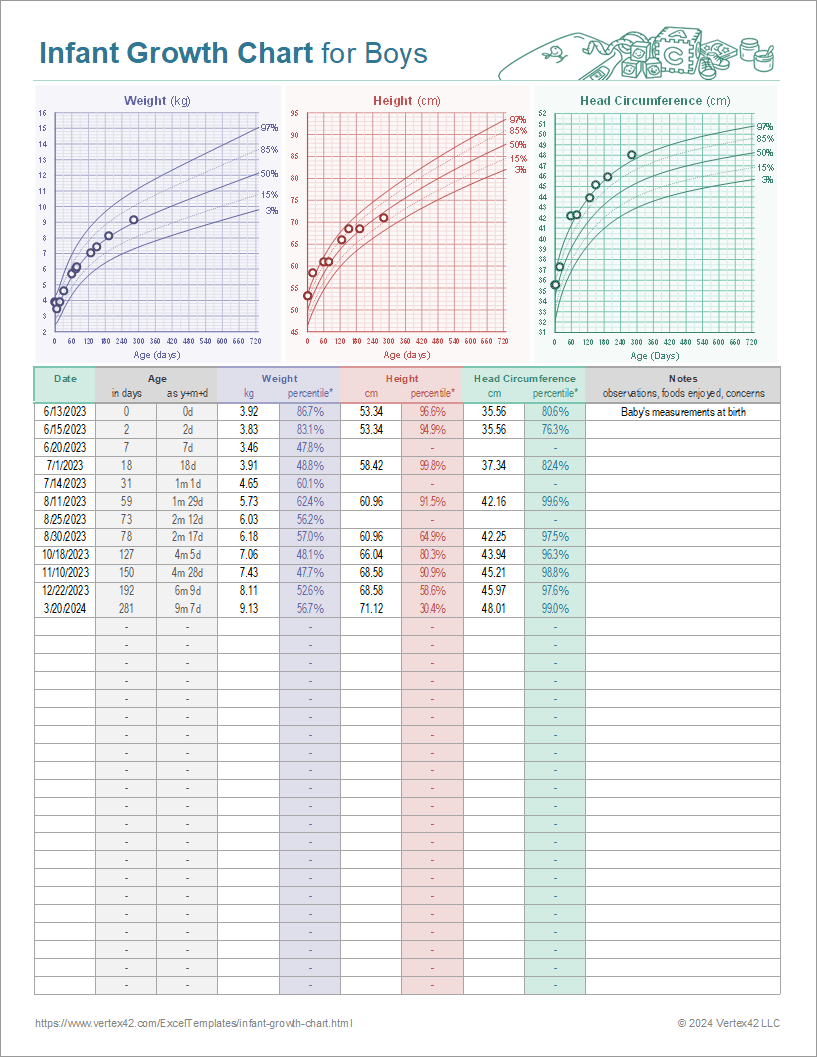
Getting Your Printable Infant Weight Chart
To download your own Infant Weight Chart In Pounds, search for reputable websites that offer baby growth tracking resources. Look for downloadable formats that suit your needs—PDFs are great for printing, while editable formats allow you to input data digitally. Many charts are customizable, so you can adjust them for your baby’s specific age range or weight limits.
Once you have your chart, print it out on quality paper. Cardstock is a great option if you want something sturdier that can handle frequent handling. Consider laminating it if you want to use a dry-erase marker for easy updates.
By utilizing an Infant Weight Chart In Pounds, you can actively participate in your child’s health journey. Regularly tracking their weight can lead to early detection of potential issues and ensure they are on the right growth path. So, grab your chart today and start monitoring your little one’s growth in a fun and engaging way!
