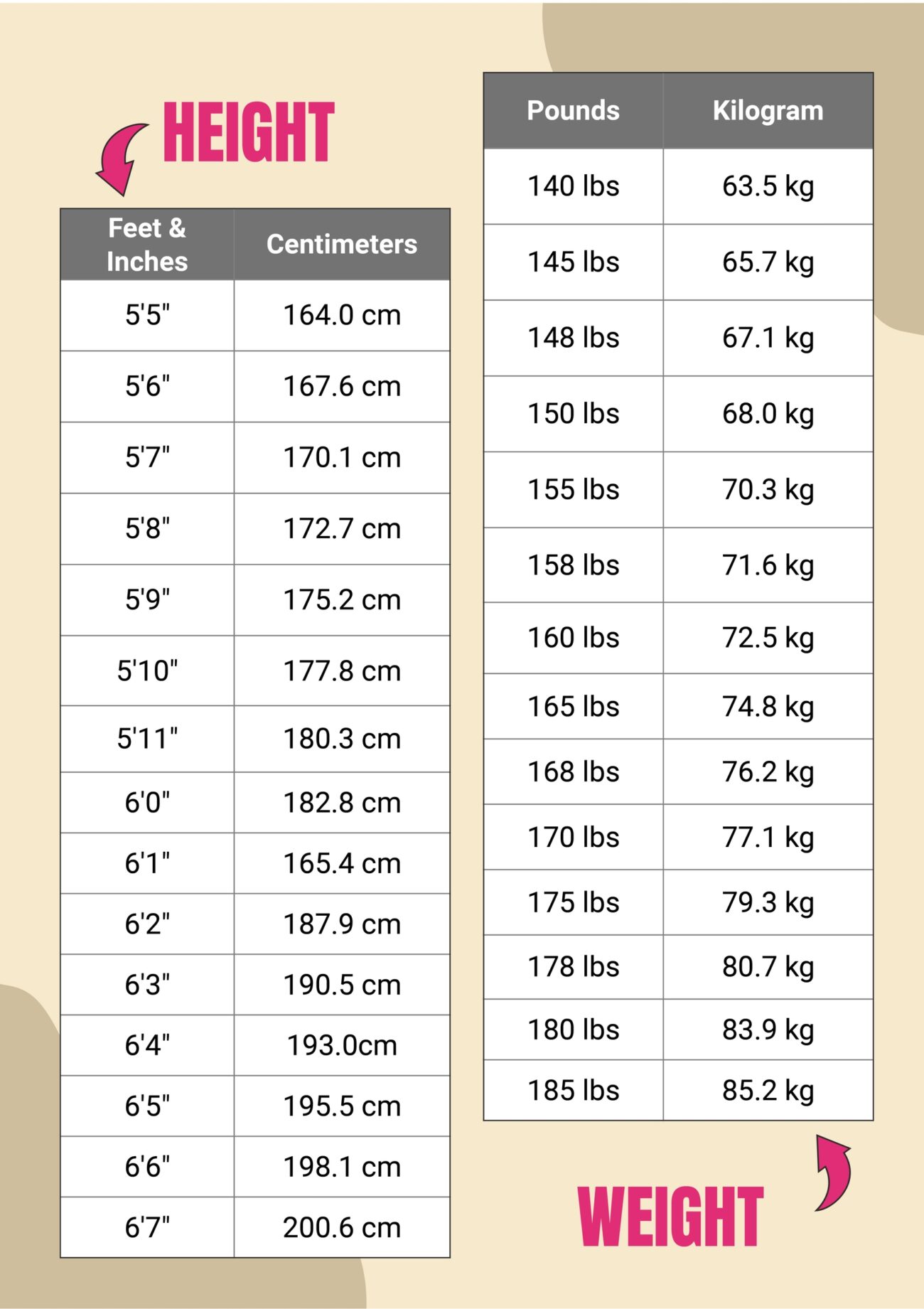
Keeping track of your child’s growth is essential for their health and well-being. A Height Weight Chart in lbs can be an invaluable tool for parents looking to monitor their child’s development over time. This resource helps you visualize whether your child is growing at a healthy rate compared to their peers, making it easier to address any concerns with your pediatrician.
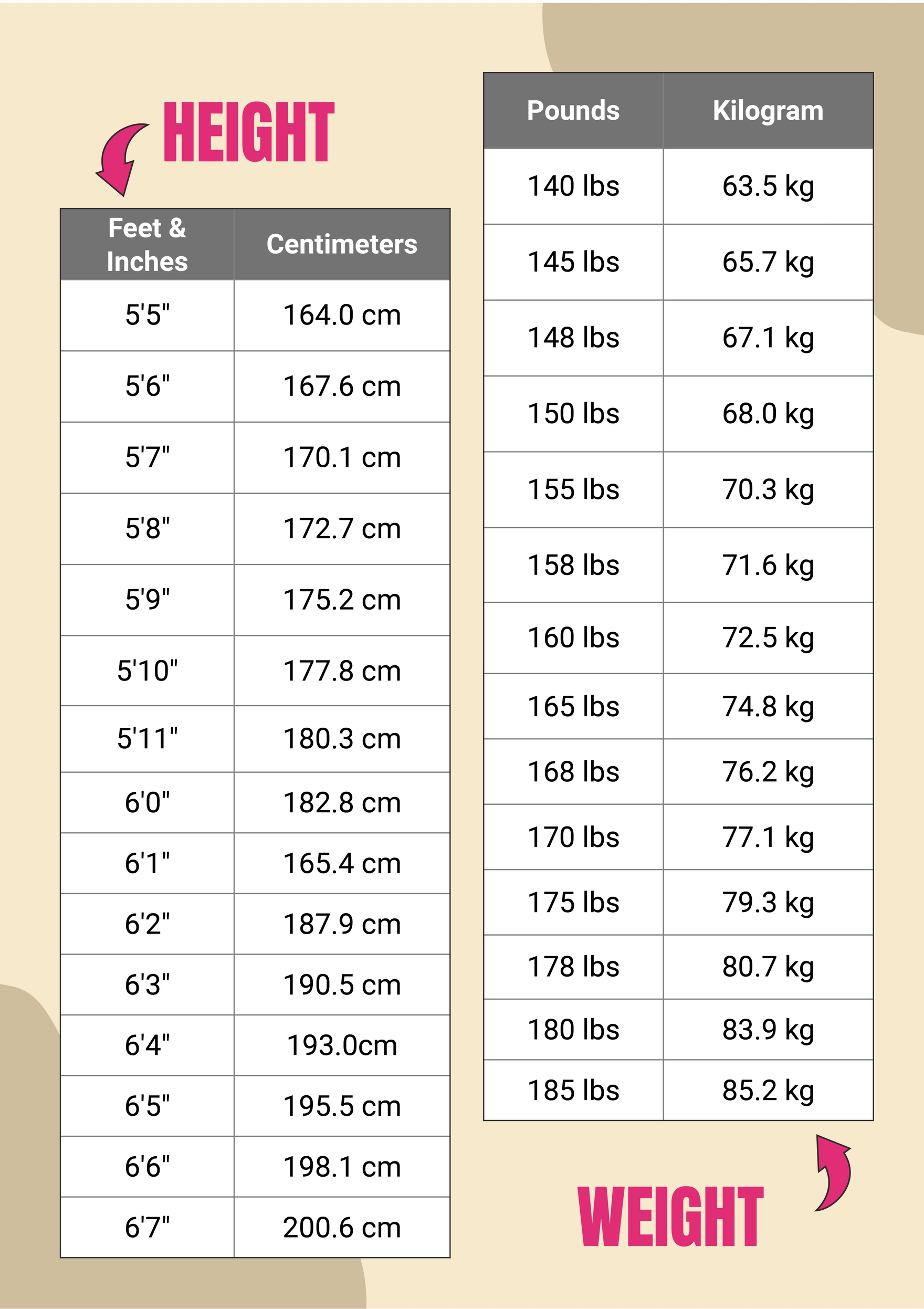
Understanding the Height Weight Chart in Lbs
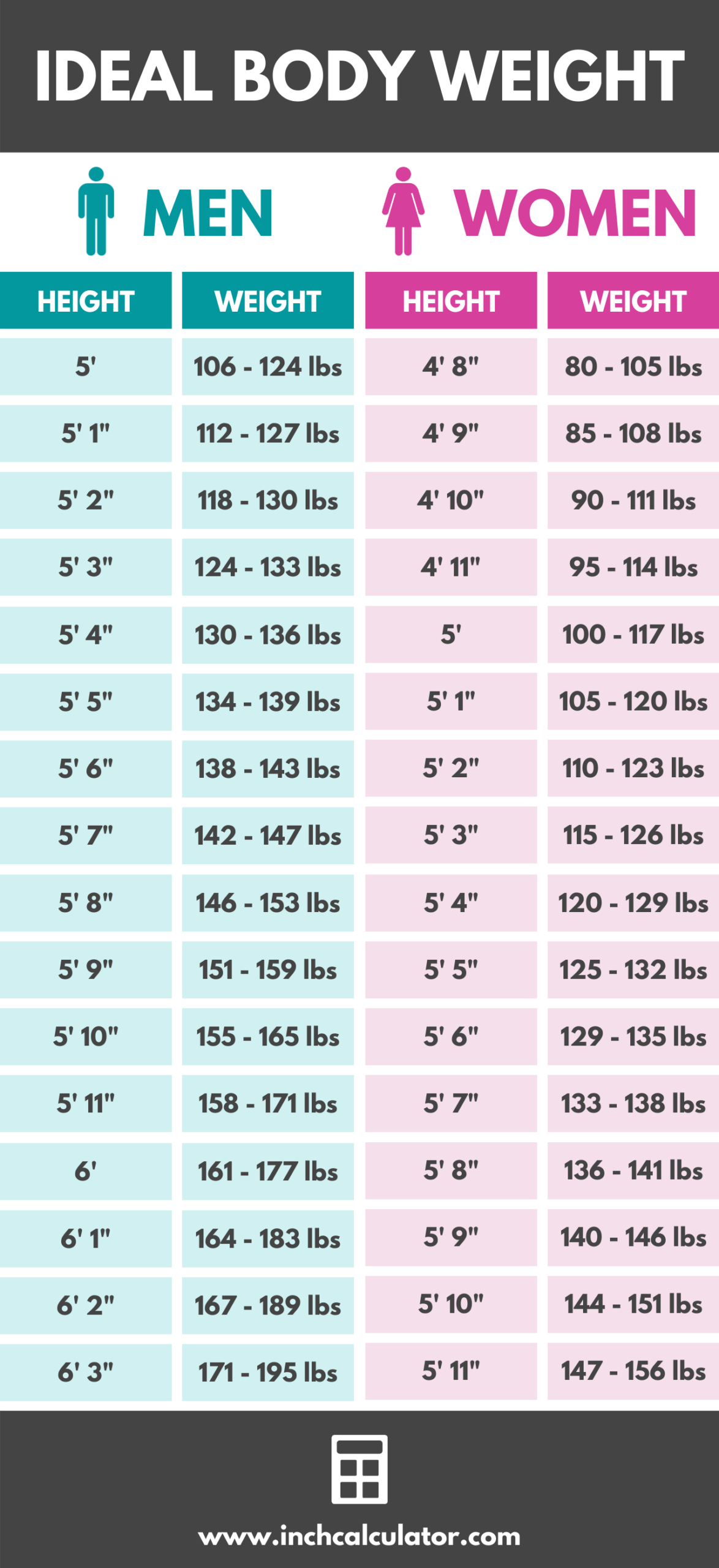
The Height Weight Chart in lbs typically presents a grid where height is listed on one axis and weight on the other. This chart includes percentile lines indicating how your child compares to others of the same age and sex. You can find charts that are specific to different age groups, which is crucial since growth patterns vary significantly during childhood.
When using the chart, you will plot your child’s height and weight to find where they fall on the graph. The key percentiles are the 5th, 50th, and 95th. The 50th percentile is considered average, while those below the 5th percentile may be underweight, and those above the 95th percentile may be overweight.
How to Read the Chart
To effectively use the Height Weight Chart in lbs, follow these steps:
- Gather Information: Measure your child’s height and weight accurately. Use a stadiometer for height and a digital scale for weight to ensure precision.
- Locate the Right Chart: Make sure you have the right chart for your child’s age and sex. Growth patterns differ, so using the appropriate chart is vital for accurate assessment.
- Plot the Points: Find your child’s height on the vertical axis and weight on the horizontal axis. Draw a dot where these two points intersect.
- Assess Percentiles: Look at which percentile line your dot falls on. This will help you understand your child’s growth relative to others.
- Track Over Time: It’s essential to measure your child regularly. Record their height and weight on the chart every few months to see how they progress over time.
When to Use the Height Weight Chart
Using the Height Weight Chart in lbs should be part of your regular health checks. Most pediatricians recommend tracking growth at each well-child visit, usually occurring annually or biannually. Additionally, you can use the chart during:
- Routine Check-Ups: Bring the chart to your child’s doctor visits to discuss their growth and any concerns you may have.
- Nutritional Assessments: If your child is starting a new diet or has specific dietary needs, tracking their weight and height can help assess if they’re getting the nutrients they need.
- Physical Activity Monitoring: If your child is involved in sports or physical activities, you can use the chart to see how their weight changes with increased activity levels.
Importance of Regular Tracking
Regularly tracking your child’s growth using the Height Weight Chart in lbs can help catch potential health issues early. For instance, if you notice a sudden drop or spike in your child’s growth pattern, it’s worth discussing with your pediatrician. This proactive approach can lead to early interventions, ensuring your child remains healthy and strong.
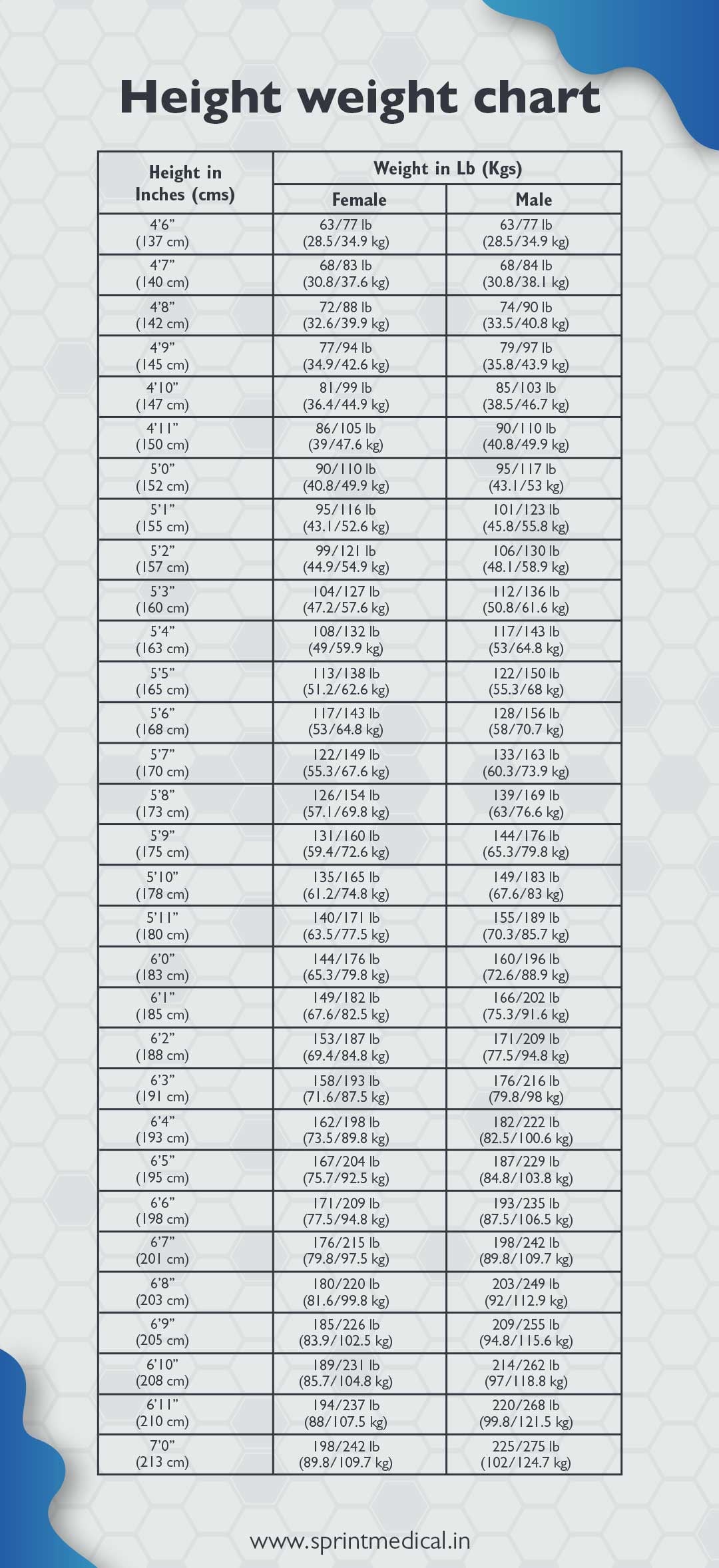
Practical Tips for Using the Chart
Here are some practical tips I’ve found helpful when using a Height Weight Chart in lbs:
- Use Consistent Measurement Tools: Always use the same scale and measuring device to minimize discrepancies.
- Consider Clothing Weight: Weigh your child in light clothing or just their underwear for the most accurate reading.
- Make it a Routine: Incorporate growth tracking into your family’s routine, perhaps once every few months, so it becomes a normal part of your health checks.
- Discuss with Healthcare Providers: Don’t hesitate to ask your child’s doctor for guidance on interpreting the chart and assessing growth.
By making the Height Weight Chart in lbs a regular part of your parenting toolkit, you can ensure that you’re staying informed about your child’s growth and development. Regular tracking fosters open conversations with your healthcare provider and helps you feel more in control of your child’s health journey.
