When it comes to tracking your baby’s growth, a Height Weight Chart For Infants is an invaluable resource. This chart gives you a visual representation of how your little one is developing compared to standard growth patterns. Typically set up in an easy-to-read table format, these charts allow you to plot your infant’s height and weight over time, making it simple to see trends and ensure they’re growing at a healthy rate.
Understanding the Layout of the Chart
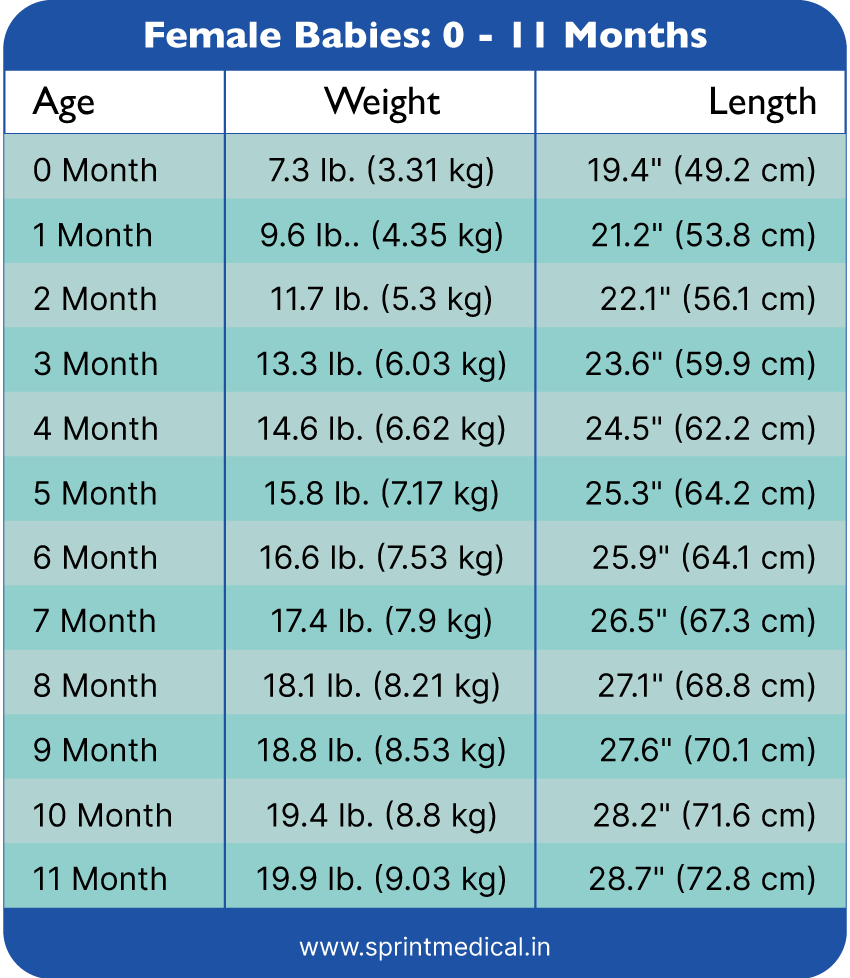
The Height Weight Chart For Infants is usually organized into a grid with two primary axes: one for height and the other for weight. The height is often listed in inches or centimeters along the vertical axis, while the weight is displayed along the horizontal axis in pounds or kilograms.
This layout helps you quickly identify whether your infant’s growth falls within the recommended percentiles established by pediatric health organizations. For example, if your baby measures 25 inches tall and weighs 15 pounds, you can easily plot that point on the chart. It’s crucial to have accurate measurements; using a tape measure and a reliable scale will yield the best results.
How to Read and Fill in the Chart
Reading the Height Weight Chart For Infants is straightforward once you understand its dimensions. Start by measuring your baby’s height and weight accurately. Then, locate the corresponding points on the chart.
- Finding the Right Percentile: Once plotted, you can see where your baby’s measurements fall. Most charts include percentile lines, which indicate how your infant compares to others in the same age group. For instance, being in the 50th percentile means your baby is taller or heavier than 50% of infants their age.
- Regular Updates: It’s best practice to update the chart regularly—typically at each pediatric check-up, which usually occurs every few months during the first year. This not only keeps the chart current but also helps you notice any significant changes in growth patterns over time.
Common Mistakes When Using the Chart
When using the Height Weight Chart For Infants, it’s easy to make some common mistakes that can skew your understanding of your baby’s growth. Here are a few pitfalls to avoid:
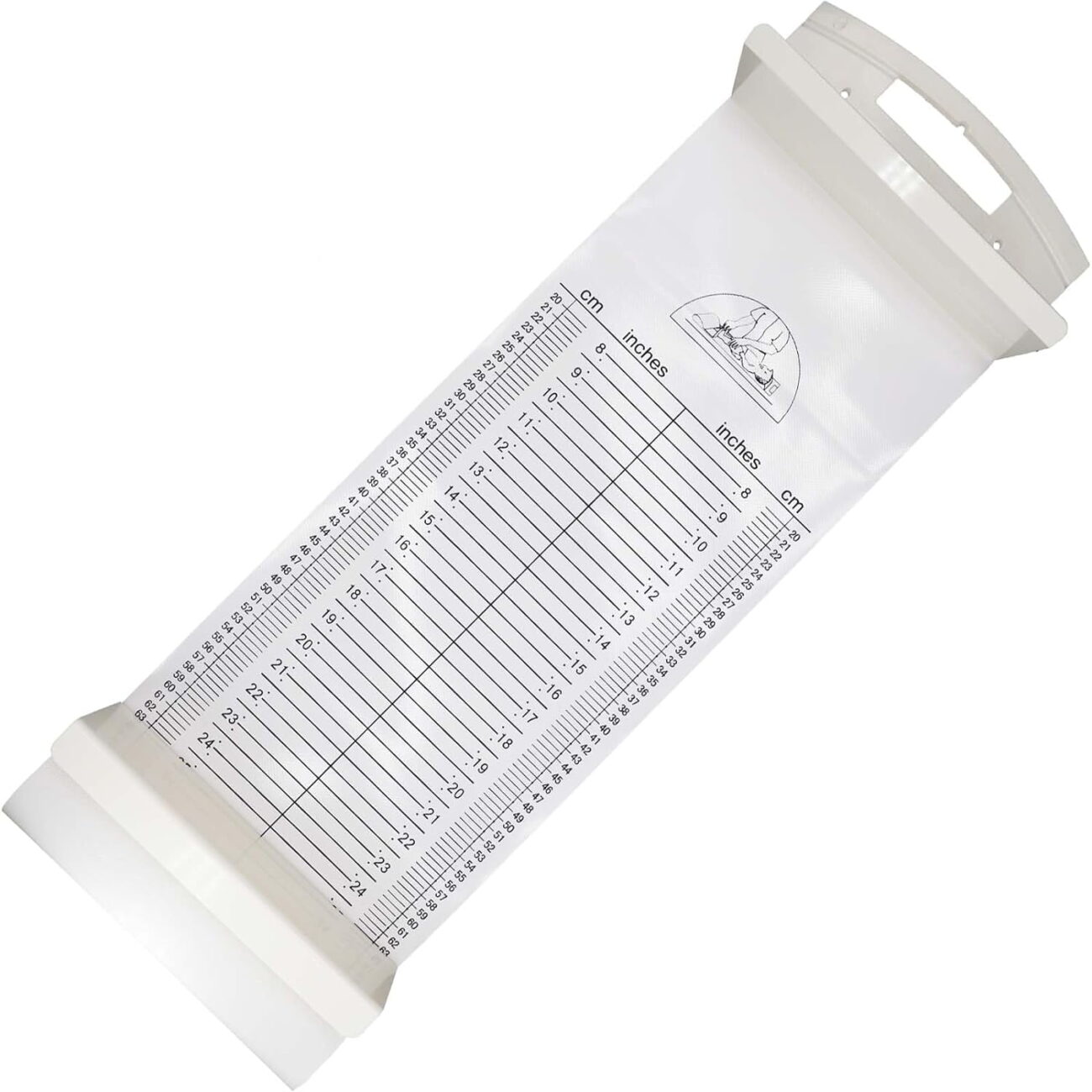
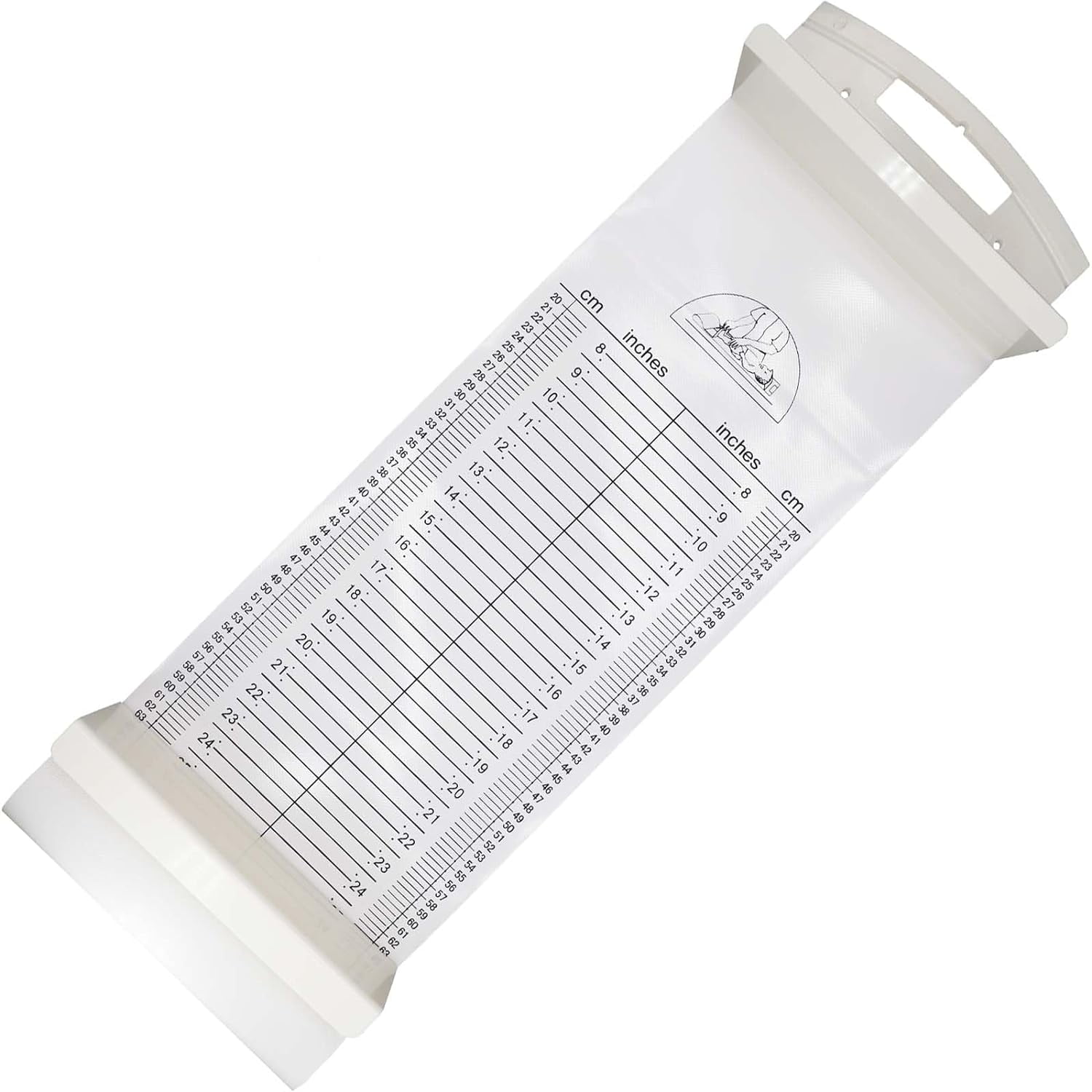
- Inaccurate Measurements: Ensure you’re measuring your infant correctly. For height, lay your baby flat on a hard surface and measure from the top of their head to the heel. For weight, a digital baby scale is often the most accurate.
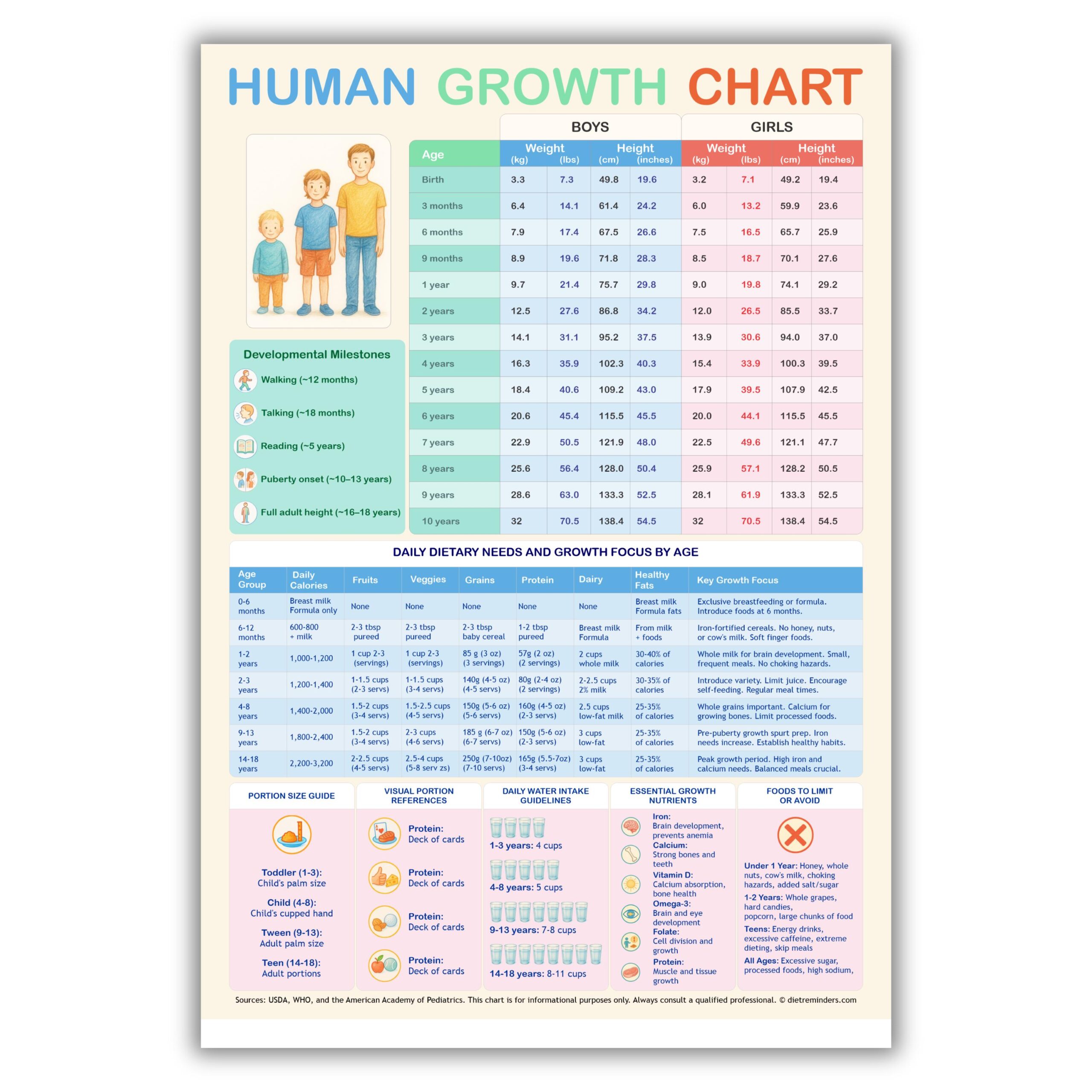
- Ignoring Age Groups: Make sure you are using the correct growth chart for your infant’s age. Charts differ for boys and girls and can also vary by age group, so it’s important to choose the right one to get an accurate assessment.
- Relying Solely on Percentiles: Percentiles are helpful but should not be the only measure of your infant’s health. Genetics, diet, and overall health play significant roles in growth, so always consult your pediatrician if you have concerns.
Where to Keep the Chart
After filling out the Height Weight Chart For Infants, it’s important to store it in a safe and accessible location. Here are a couple of practical options:
- Baby Books or Journals: Keeping the chart in a baby book or journal allows you to track not only growth but also milestones and memories. Plus, it makes for a lovely keepsake to look back on.
- Digital Formats: If you prefer a digital approach, consider scanning the chart and storing it on your computer or in cloud storage. This method allows for easy access and editing if needed.
Additional Resources for Tracking Growth
While the Height Weight Chart For Infants is an essential tool, you might also find these additional resources helpful:
- Growth Tracking Apps: Many parents find apps that track growth and milestones useful. These apps often provide reminders for check-ups and vaccinations, in addition to growth tracking.
- Printable Worksheets: You might also want to download and print additional worksheets that help track other developmental milestones, such as feeding schedules or sleep patterns. These can complement the height and weight chart nicely.
Using a Height Weight Chart For Infants effectively can provide peace of mind and a clearer picture of your baby’s development. Regularly updating and accurately filling in the chart will help you monitor your infant’s growth pattern and ensure they’re on the right track. Whether you choose to keep it in a baby journal or use a digital format, the important thing is to make it a part of your routine.
