Understanding your baby’s growth is a crucial part of parenting. An Infant Height And Weight Percentile Chart is an essential tool that helps you track your child’s development compared to other infants of the same age and gender. This chart provides insights into whether your baby is growing at a healthy rate, making it a valuable resource for parents and caregivers alike.
What is an Infant Height And Weight Percentile Chart?
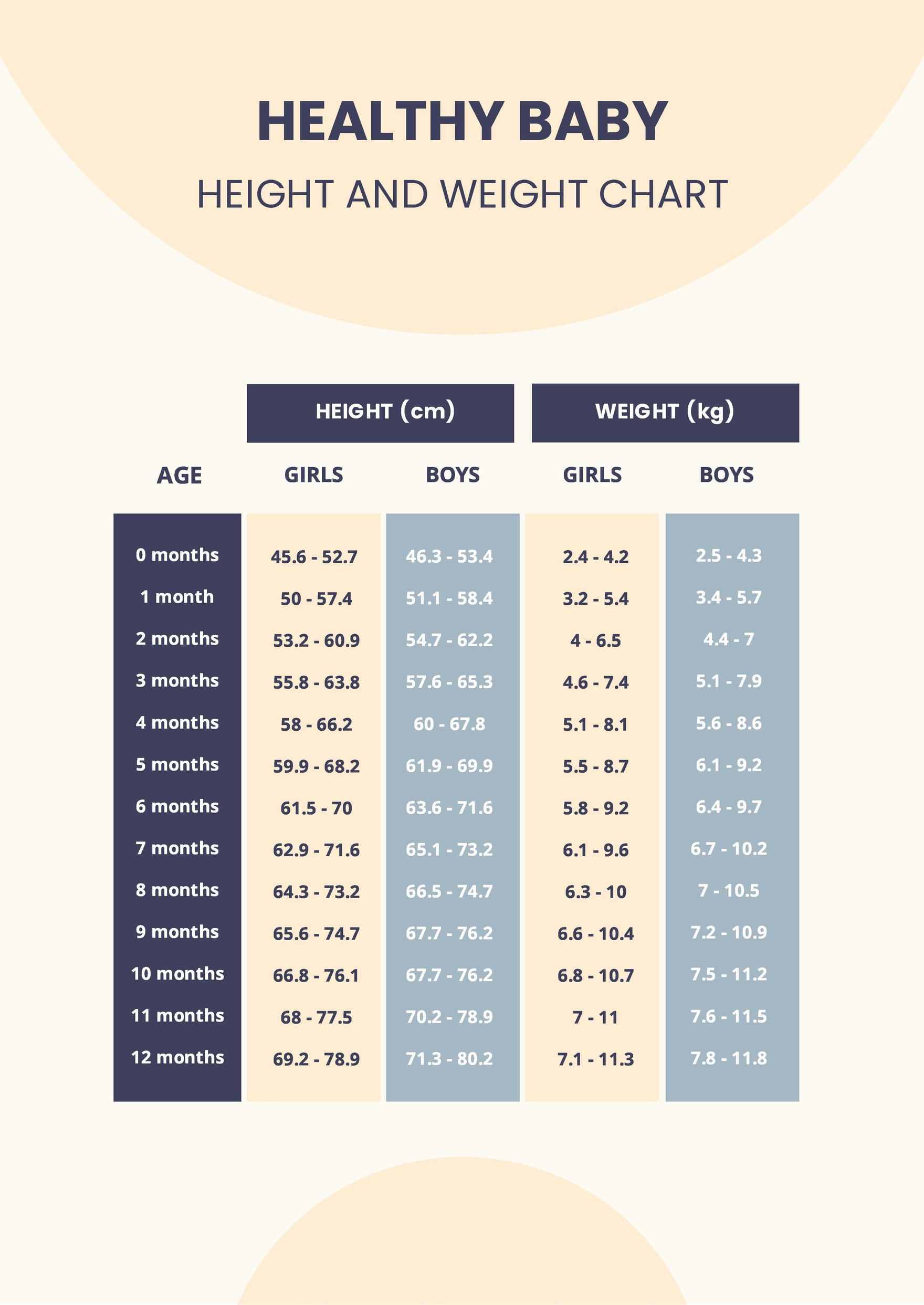
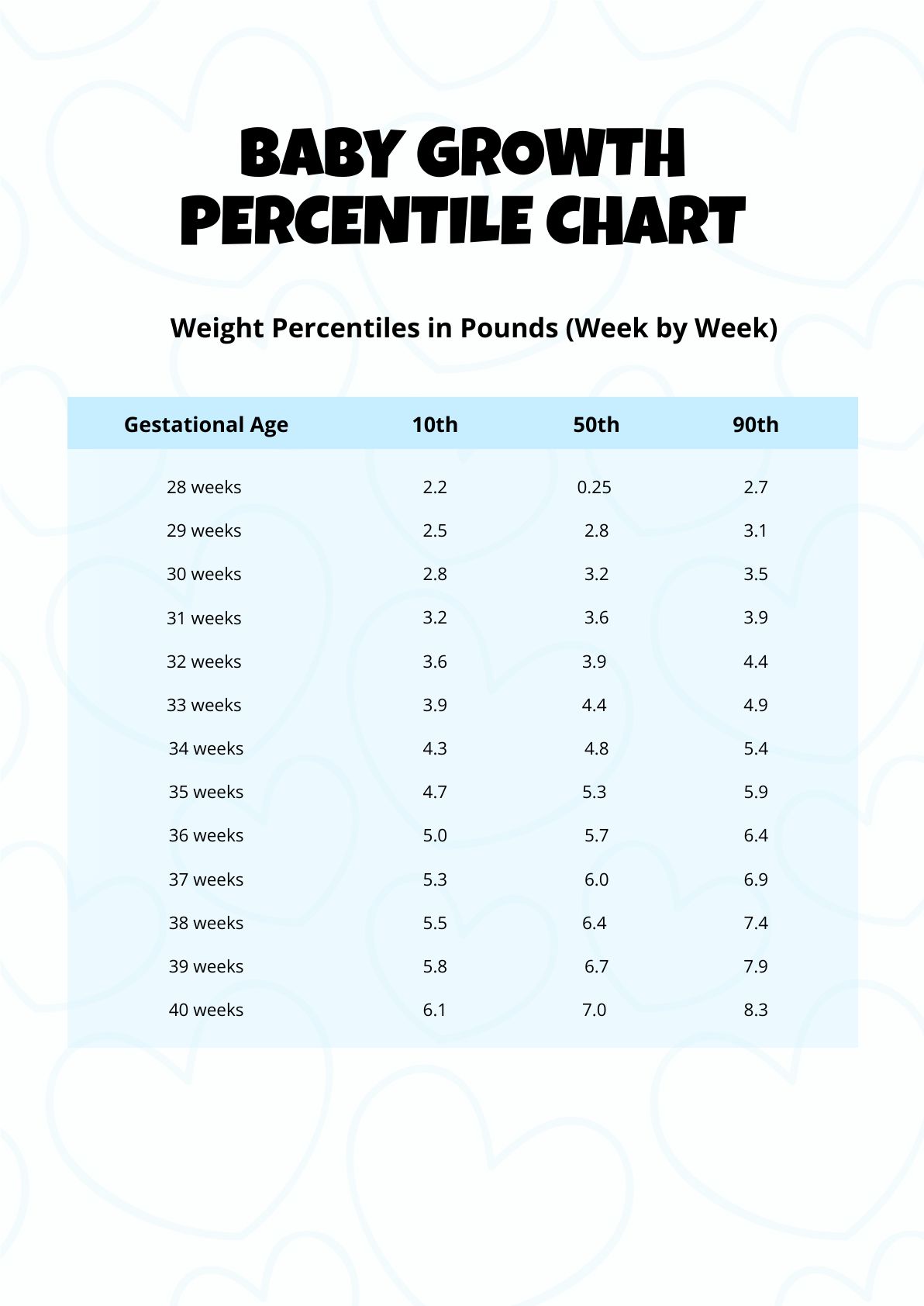
An Infant Height And Weight Percentile Chart illustrates how your baby’s measurements compare to those of a large group of infants. Typically, these charts are divided into percentiles, which indicate the percentage of the population that falls below a certain height or weight. For example, if your baby is in the 75th percentile for weight, this means that they weigh more than 75% of infants their age.
These charts are usually available through pediatricians, and many parents find printable versions online. Using a chart allows you to see trends in your baby’s growth over time, which can be reassuring and informative.
How to Use the Chart Effectively
Using an Infant Height And Weight Percentile Chart is straightforward, but there are a few steps to ensure you’re doing it correctly:
- Gather Accurate Measurements: Start by measuring your baby’s height and weight. For height, use a flat surface and a measuring tape or a stadiometer to get a precise reading. Weigh your baby on a scale designed for infants, ensuring they are undressed or in light clothing for the most accurate results.
- Locate the Correct Chart: Make sure you have the right chart for your baby’s age and gender. Charts for boys and girls differ slightly due to biological growth patterns.
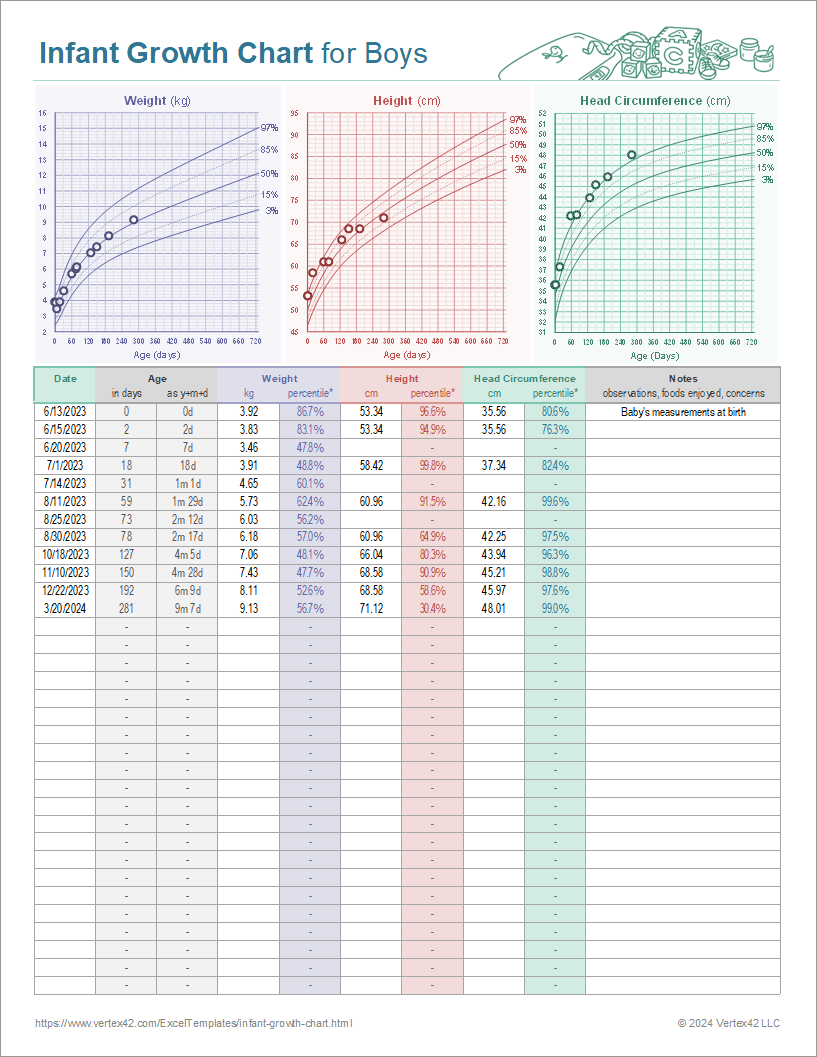
- Plot the Measurements: Once you have your baby’s height and weight, locate the corresponding points on the chart. Draw a small dot where these two measurements intersect.
- Analyze the Results: Look at the percentile lines. Is your baby above, below, or on the line that represents their age? This will help you understand where they stand compared to their peers.
- Track Over Time: Repeat this process regularly—monthly or quarterly—to track your baby’s growth. Consistent plotting can help you see patterns and trends, which can be shared with your pediatrician during check-ups.
When to Consult a Pediatrician
While percentile charts can provide valuable insights, they aren’t the final word on your baby’s health. If your baby’s growth seems to be consistently above or below the expected range, it might be time to consult a pediatrician. They can provide additional assessments and advice tailored to your child’s specific needs.
It’s also important to consider other factors, such as your baby’s overall health, developmental milestones, and family growth patterns. Your pediatrician can help interpret the chart in the context of these factors.
Printable Resources for Your Convenience
You can find many printable Infant Height And Weight Percentile Charts online. When selecting one, consider the following:
- Format: Look for a PDF version that you can easily download and print. PDFs maintain formatting better than image files, which can sometimes distort when resized.
- Size: A standard letter-size (8.5″x11″) chart is usually manageable for home use and fits well in most folders or binders.
- Quality: For durability, consider printing on cardstock, especially if you plan to use the chart frequently. If you want it to last longer, laminating it can be a great option.
Understanding Growth Percentiles
While percentiles are helpful, it’s crucial to remember that they are not absolute measures of health. Each child grows at their own pace. Percentiles are merely a tool to help you understand where your child stands in relation to their peers.
For example, a child consistently in the 10th percentile might just be smaller but healthy, as long as they are following their growth curve. Conversely, a child in the 90th percentile might be larger than average but still within a healthy range.
Understanding these nuances will help you avoid unnecessary worry and focus on supporting your child’s unique growth journey.
The Importance of Consistency in Tracking
Regularly tracking your baby’s growth using the Infant Height And Weight Percentile Chart can provide peace of mind. It allows you to celebrate milestones and recognize patterns that might require attention.
Incorporate this chart into your routine, perhaps during monthly check-ups or after each doctor’s visit. Keeping a record in a dedicated notebook or binder can also help you and your pediatrician keep track of changes over time.
Ultimately, the key to using an Infant Height And Weight Percentile Chart effectively lies in consistency and understanding. By regularly measuring your child and consulting with their healthcare provider, you can ensure they are on a healthy growth trajectory.
If you’re looking for a specific detail to remember, consider that many pediatricians recommend using the World Health Organization (WHO) growth standards for infants under two years old, as they provide a reliable baseline for tracking growth.
