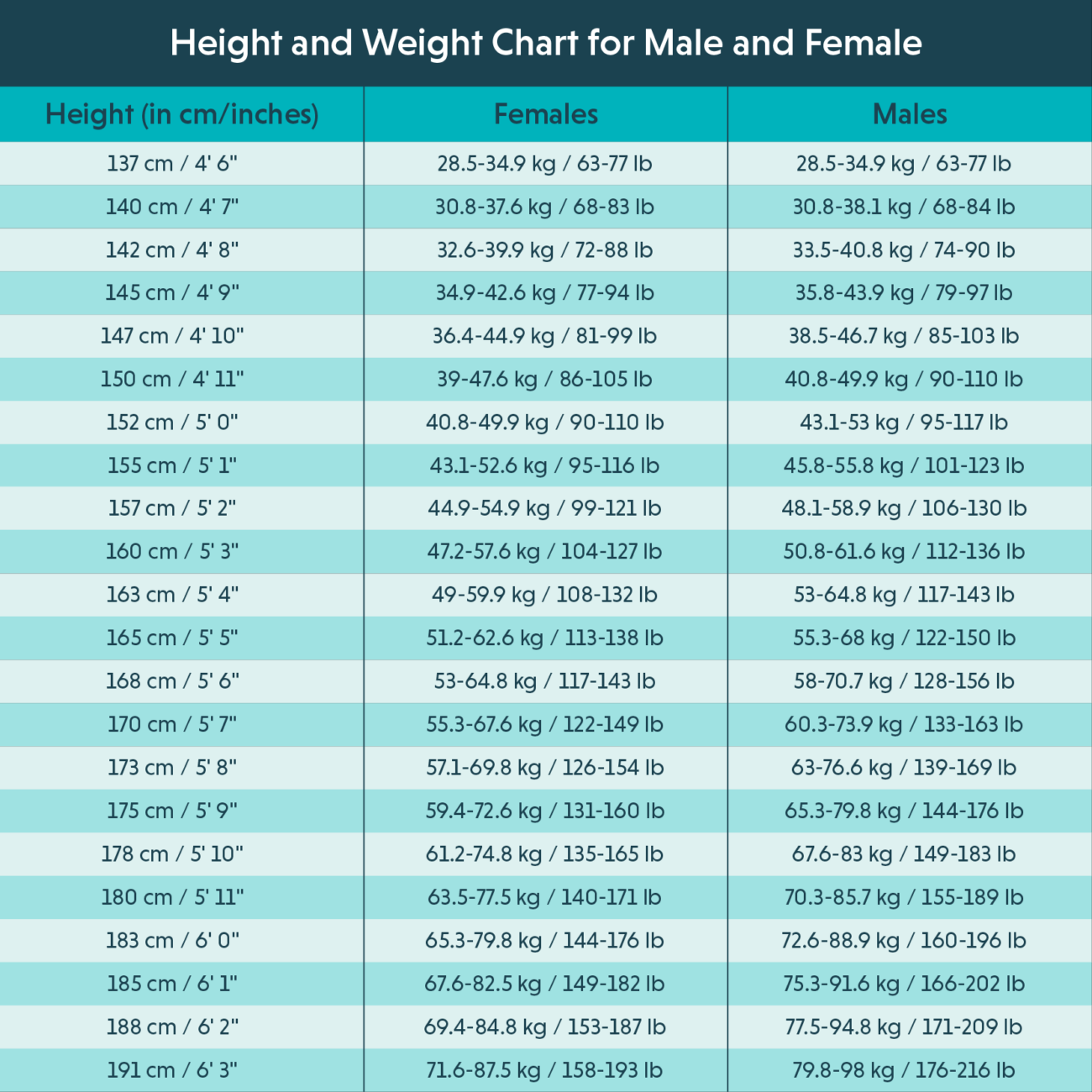
Understanding your ideal weight range can be crucial for managing your health and fitness goals. A Height Weight Chart Men And Women provides a visual reference to help you gauge whether your weight falls within a healthy range based on your height. This chart can be an invaluable tool for anyone looking to track their progress, set fitness targets, or simply stay informed about their health.
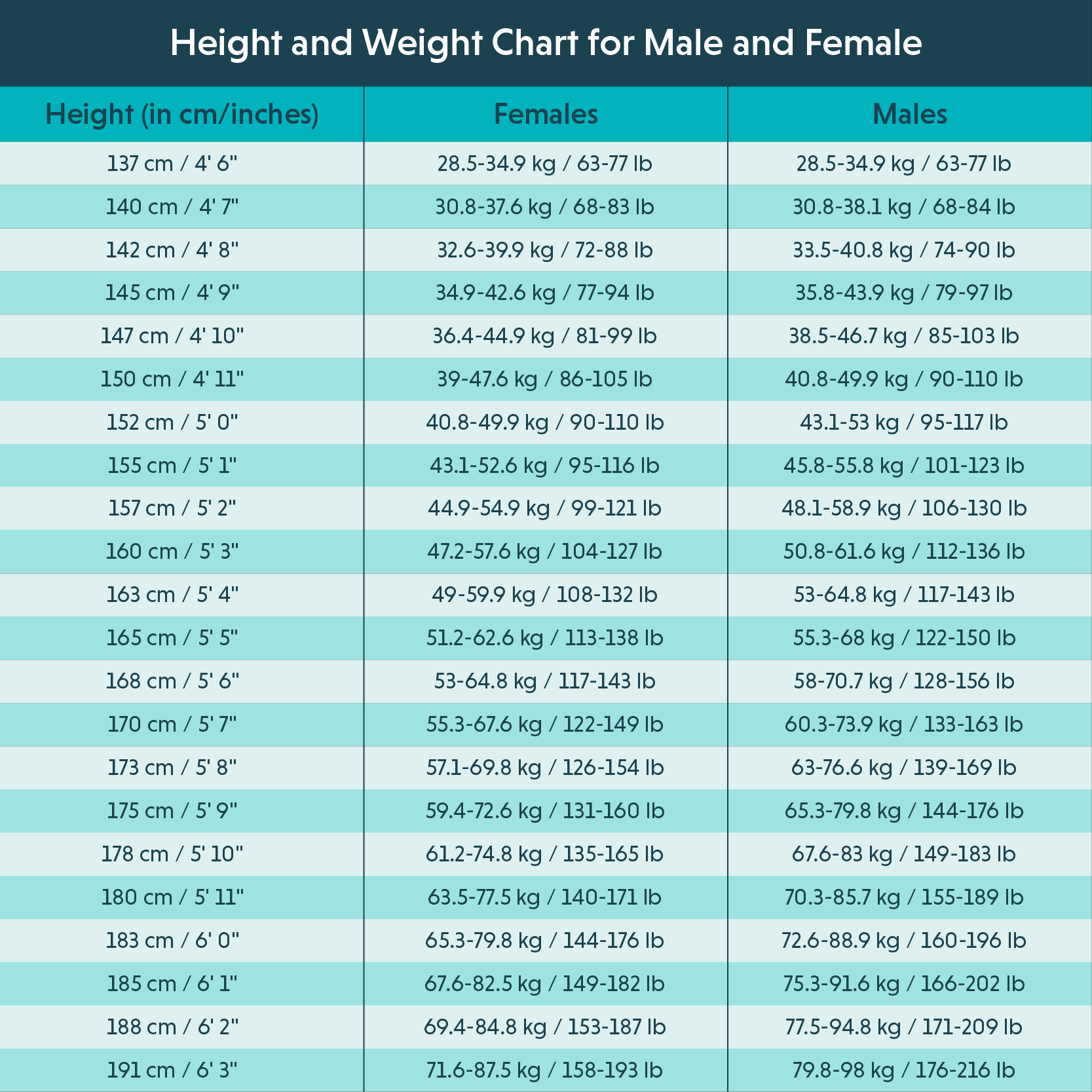
What is a Height Weight Chart?
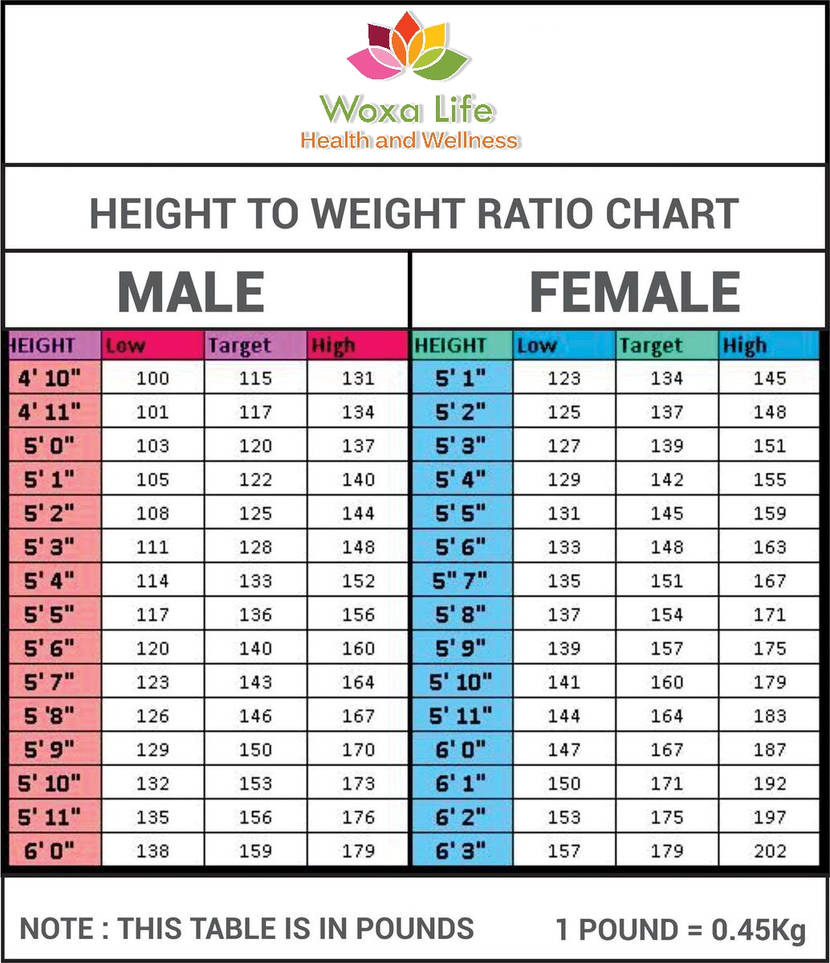
A Height Weight Chart is a simple tool that displays the relationship between an individual’s height and weight. Typically, it lists various heights alongside corresponding weights that are considered healthy. These charts are often based on BMI (Body Mass Index) calculations, which classify weight categories such as underweight, normal weight, overweight, and obesity.
Using this chart, you can quickly assess where you fall within these categories. For example, if you are 5’6″, the chart will show you a range of weights that are considered healthy for that height.
How to Read the Height Weight Chart
Reading a Height Weight Chart is straightforward but requires a bit of attention to detail. Here’s how you can effectively utilize it:
- Find Your Height: Locate your height on the left-hand side of the chart. Heights are usually listed in feet and inches.
- Identify Weight Ranges: Move across the row to find the corresponding weights. The chart typically highlights different weight categories, making it easy to see where you stand.
- Understand BMI Categories: Familiarize yourself with the BMI categories—underweight (BMI less than 18.5), normal weight (BMI 18.5–24.9), overweight (BMI 25–29.9), and obese (BMI 30 or greater). This understanding helps in interpreting your results.
- Consider Individual Health Factors: Remember that the chart is a guideline. Factors such as muscle mass, bone density, and overall health should also be considered when evaluating your weight.
Printable Resources for Height Weight Charts
For those looking to have a quick reference on hand, printable Height Weight Charts are readily available online. Here’s how to find and use them effectively:
- Download and Print: Search for free downloadable templates. Ensure the format is PDF or another easily printable format to avoid any formatting issues when printing.
- Paper Size: Most charts are designed to fit standard paper sizes, like A4 or letter size. When printing, make sure your printer settings match the paper size to avoid cutting off any part of the chart.
- Use Cardstock for Durability: If you plan to keep the chart handy for regular reference, consider printing it on cardstock. This material is sturdier and can withstand wear and tear better than regular paper.
- Laminating: For even more durability, laminate your printed chart. This way, you can use a dry-erase marker to make notes or track changes over time, making it a more interactive tool.
Tracking Your Progress
Once you have your Height Weight Chart, the next step is tracking your progress effectively. Here are some practical tips to incorporate this into your routine:
- Set Clear Goals: Determine what your health goals are. Whether it’s losing weight, gaining muscle, or maintaining your current weight, having a clear objective will help you stay focused.
- Regular Check-Ins: Weigh yourself regularly—weekly or bi-weekly—and record your weight on the chart. This will help you visualize your progress over time.
- Use Additional Resources: Combine the Height Weight Chart with other health trackers, such as food diaries or fitness apps, to get a comprehensive view of your health journey.
- Adjust as Needed: If you notice that your weight is outside the healthy range for your height, consider adjusting your diet or exercise routine. Consulting with a healthcare provider or a nutritionist can provide tailored advice.
Common Mistakes to Avoid
While utilizing a Height Weight Chart can be beneficial, there are some common pitfalls to watch out for:
- Relying Solely on the Chart: Remember, the chart is just one tool in your health toolkit. Don’t ignore other health indicators such as body composition, energy levels, and overall well-being.
- Getting Discouraged: If you don’t see immediate results on the chart, don’t be discouraged. Health and fitness are long-term journeys that require patience and consistency.
- Ignoring Professional Advice: If you have concerns about your weight or health, it’s always wise to consult with a healthcare professional. They can provide insights that a chart simply cannot.
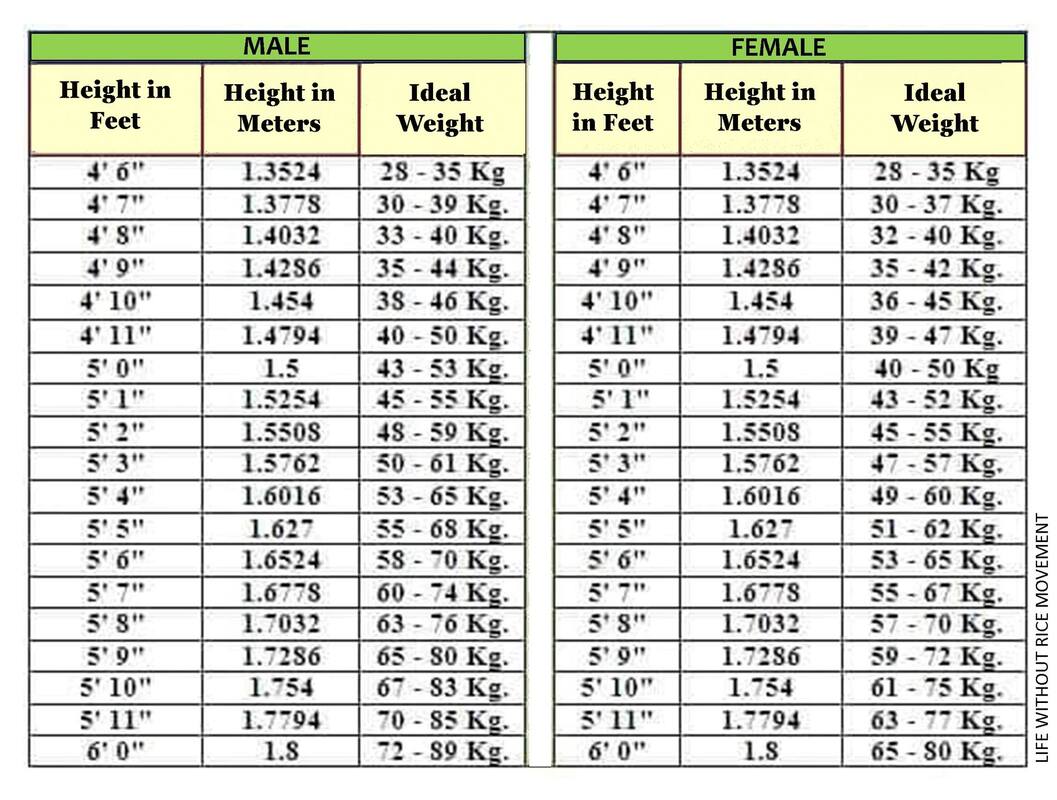
Using a Height Weight Chart Men And Women effectively can be a useful option in managing your health goals. The key is to approach it as a supportive tool rather than a definitive answer. By tracking your progress and making informed adjustments along the way, you can achieve your health objectives with confidence.
So, print out your Height Weight Chart today and start tracking your journey towards better health!
