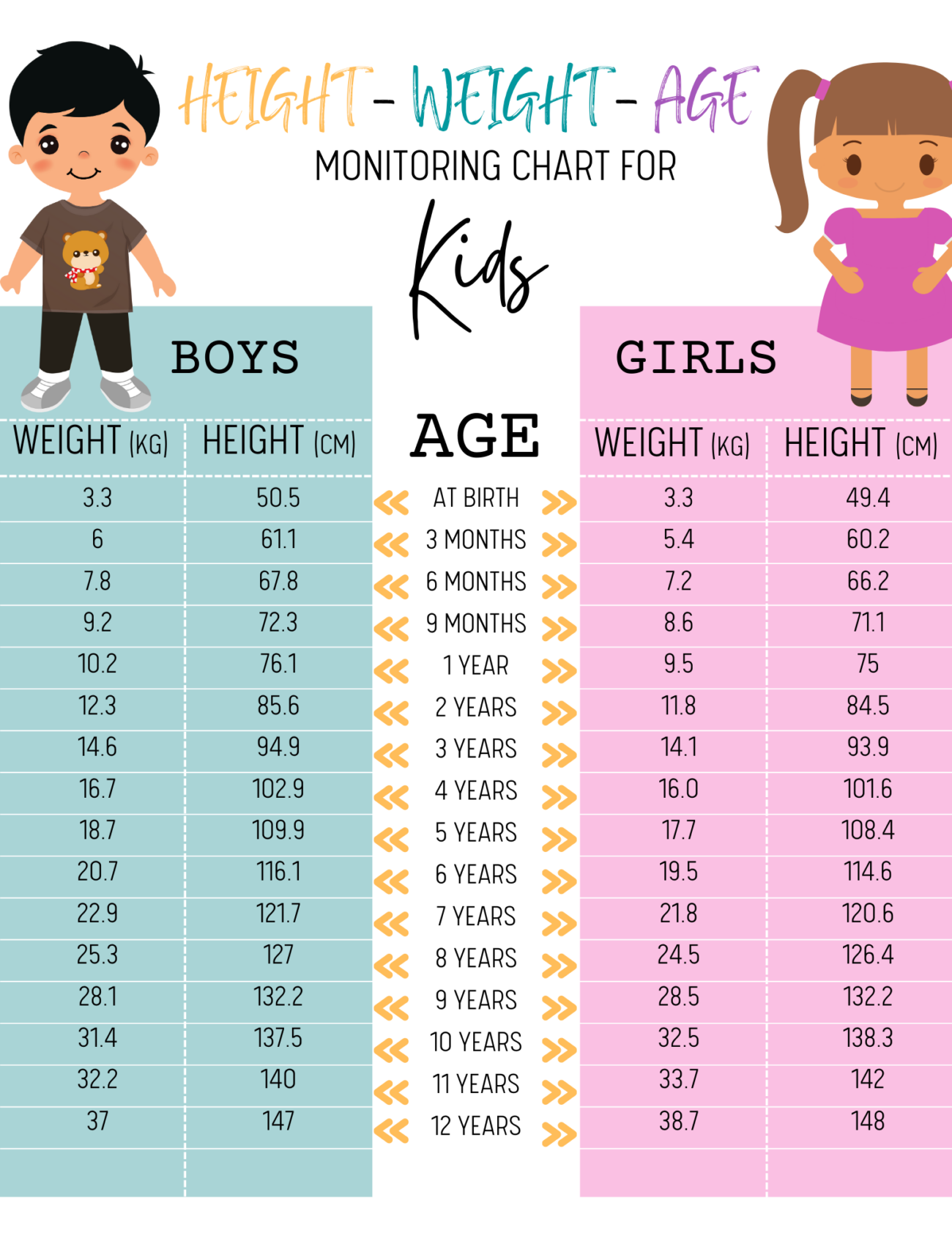
Tracking your child’s growth is essential for their overall health and development. A Height Weight Chart For Kids is a practical tool that allows parents to monitor their child’s growth patterns over time. This chart provides a visual representation of how your child’s height and weight compare to standard growth percentiles, helping you ensure they are on track. In this guide, I’ll explain how to use this chart effectively, what information it includes, and why it’s beneficial for parents.
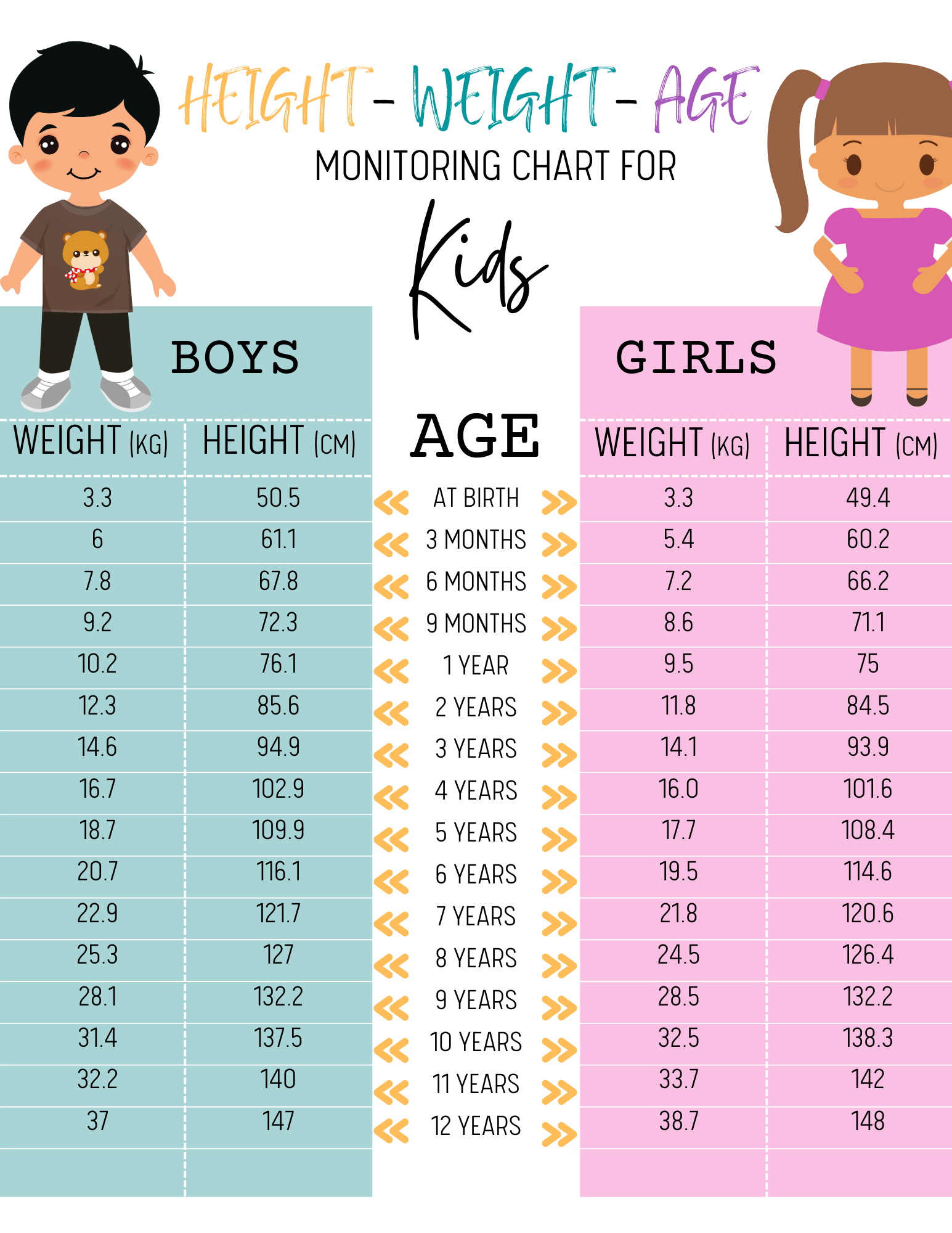
Understanding the Height Weight Chart For Kids
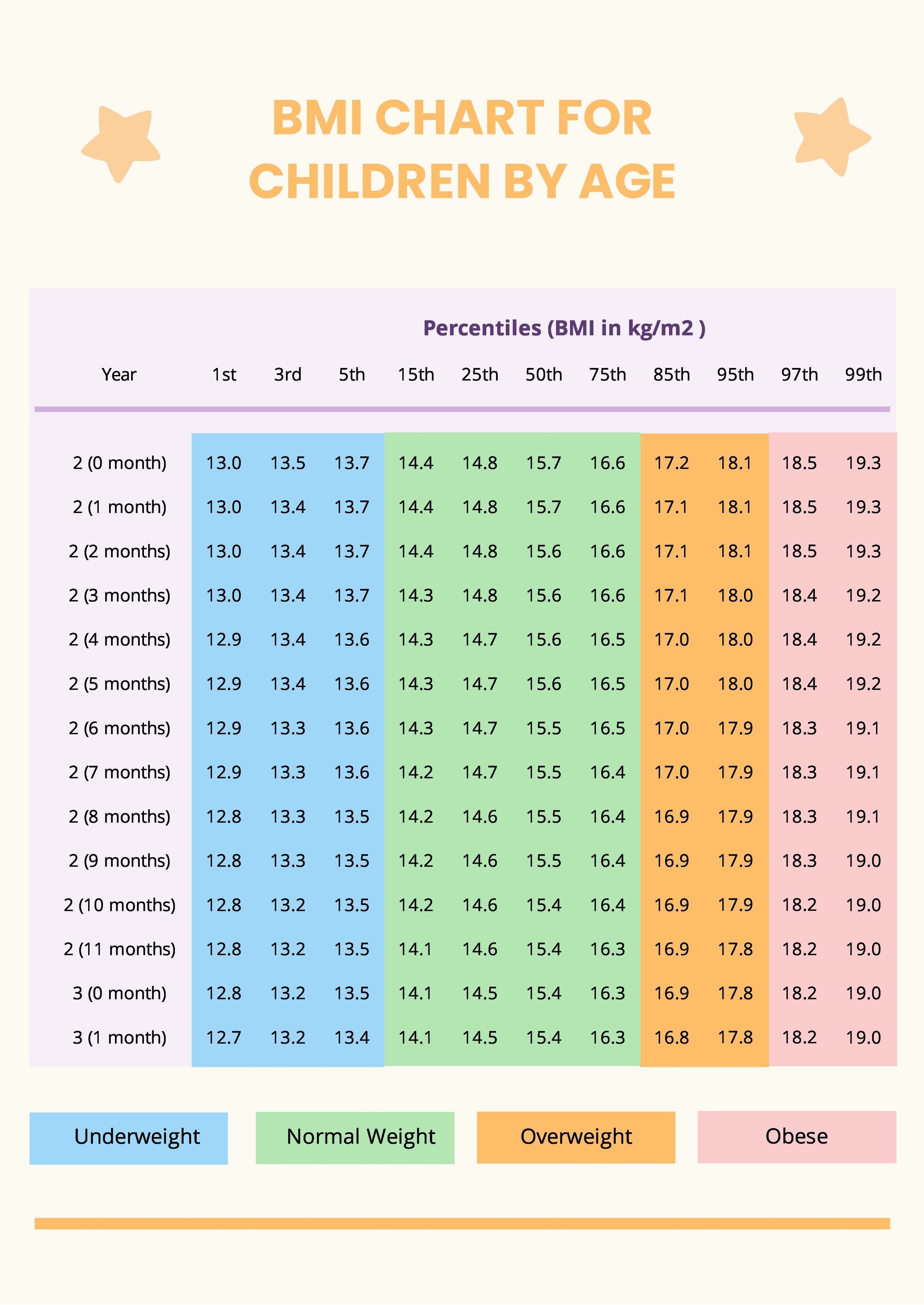
The Height Weight Chart For Kids is designed to help parents assess their child’s growth relative to other children of the same age and gender. These charts are typically divided by age groups and show the range of healthy weights for children at various heights. The key components of the chart include:
- Age: The age range is crucial as growth patterns vary significantly from infancy through adolescence.
- Height and Weight Percentiles: These are graphical representations that indicate where your child’s height and weight fall compared to national averages. For example, if your child is in the 75th percentile for weight, they weigh more than 75% of their peers.
When using the chart, you’ll often find that it lists various percentiles (e.g., 5th, 50th, 95th), which can help you understand if your child is underweight, at a healthy weight, or overweight.
How to Use the Height Weight Chart
Using the Height Weight Chart For Kids is straightforward, but there are some steps to follow for accurate results:
- Measure Height and Weight: Start by measuring your child’s height and weight accurately. Use a stadiometer for height and a digital scale for weight to ensure precision.
- Find the Correct Age Range: Locate your child’s age on the chart. Growth charts are usually segmented by age (e.g., 0-2 years, 2-5 years, etc.).
- Plot the Measurements: Find the corresponding height and weight on the chart. You can use a pencil to mark where these measurements intersect.
- Evaluate Percentiles: Review the percentile rankings to determine how your child’s measurements compare to others.
- Consult with a Healthcare Professional: If you have concerns about your child’s growth, discuss the findings with a pediatrician. They can provide insights and recommendations based on the chart.
Benefits of Tracking Growth
Regularly using the Height Weight Chart For Kids offers several advantages:
- Health Monitoring: It helps identify potential health issues early. For instance, consistent tracking can reveal if a child is underweight or overweight, prompting further investigation.
- Setting Goals: If your child needs to gain or lose weight, the chart can help set realistic goals based on growth patterns.
- Encouraging Healthy Habits: Keeping track of growth can motivate families to adopt healthier eating and activity habits, fostering a positive lifestyle for children.
- Building Awareness: Understanding growth patterns can help parents learn more about nutrition and physical activity’s role in child development.
Common Mistakes to Avoid
When using the Height Weight Chart, be aware of common pitfalls that can lead to misinterpretation:
- Inaccurate Measurements: Ensure measurements are taken accurately. For height, make sure the child stands straight against a wall without shoes. For weight, weigh them at the same time each week to account for fluctuations.
- Ignoring Percentiles: Don’t solely focus on whether your child is above or below a certain percentile. Growth is not linear, and children grow at different rates.
- Avoiding Professional Advice: If you have concerns or your child’s growth seems to deviate significantly from the chart, always consult a healthcare professional.
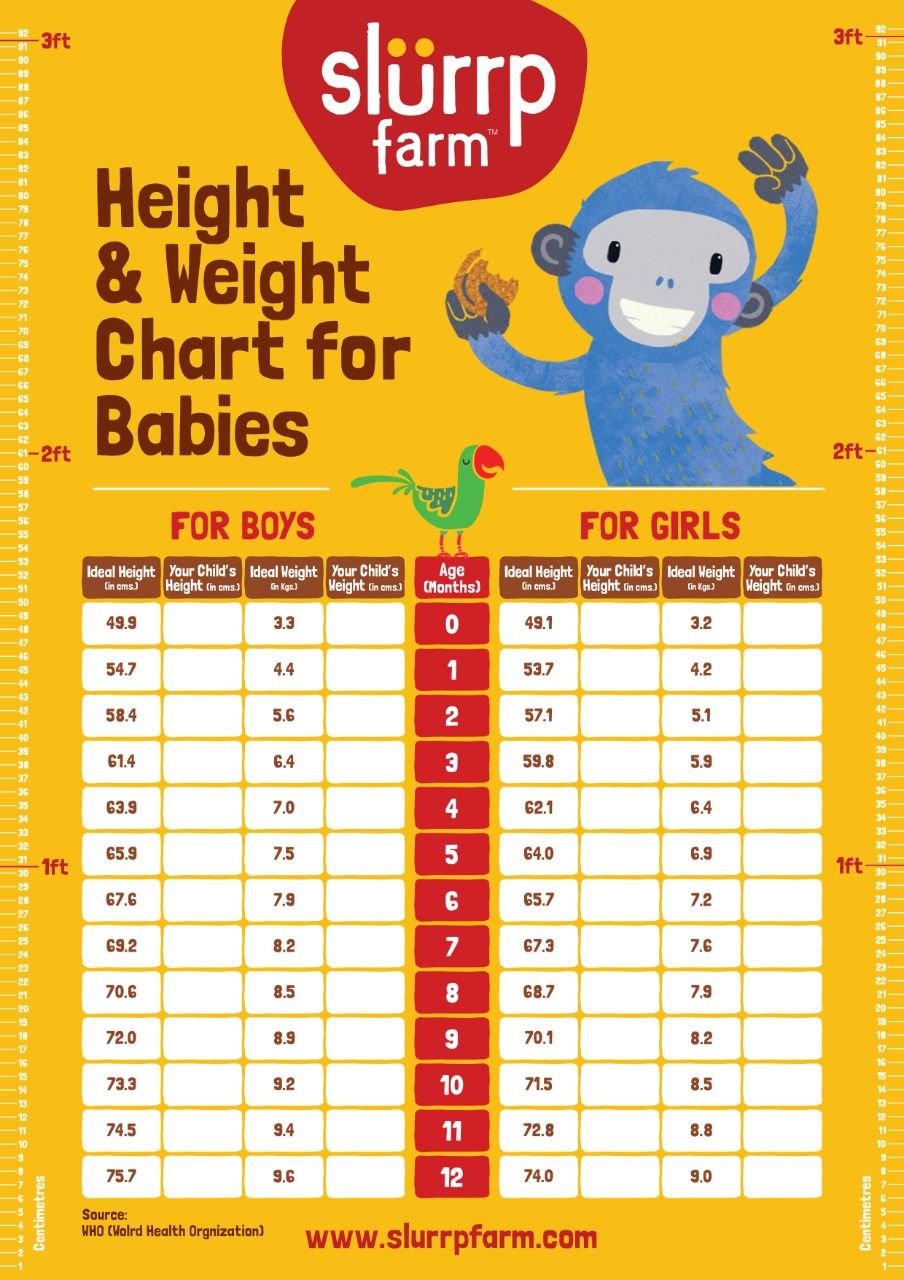
Where to Download the Height Weight Chart
You can easily find printable Height Weight Charts for Kids online. Many health organizations provide these resources for free. Simply search for “Height Weight Chart For Kids PDF” to find a version that suits your needs. Look for charts that are:
- Easy to Read: Choose a chart with clear graphics and legible text.
- Age-Appropriate: Ensure the chart is suitable for your child’s age group.
- Printable Format: Opt for a PDF version, which is usually better for printing without formatting issues.
Once downloaded, print the chart on standard letter-size paper (8.5 x 11 inches) for convenience. This size is ideal for parents who want to keep a physical copy for regular updates.
