Tracking your newborn’s growth can feel overwhelming, but having a clear visual guide can make a significant difference. A Newborn Weight Chart By Month is an essential tool for parents who want to monitor their baby’s growth trajectory. It provides benchmarks for weight gain, helping you and your pediatrician ensure that your baby is developing healthily.
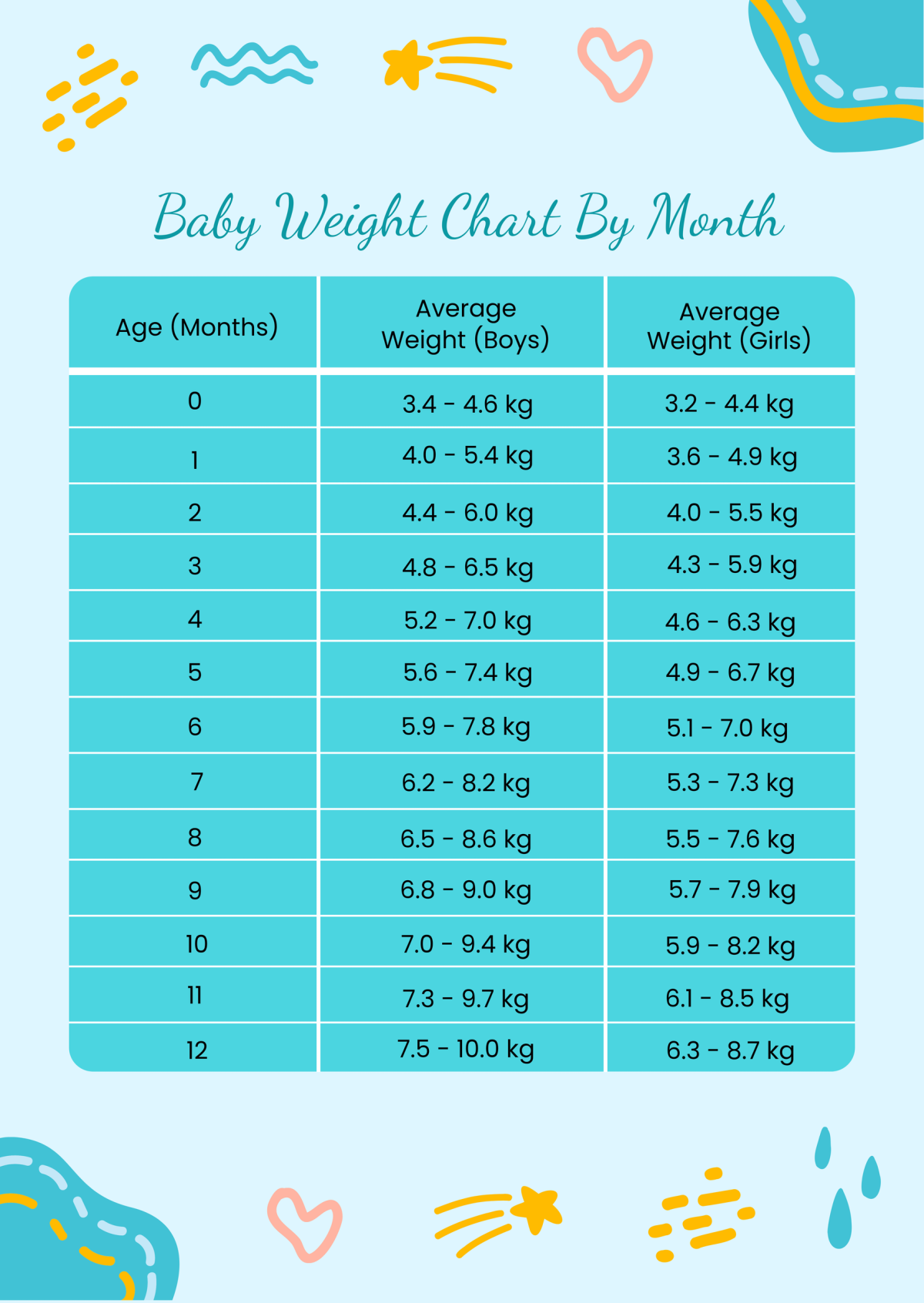
Understanding the Newborn Weight Chart
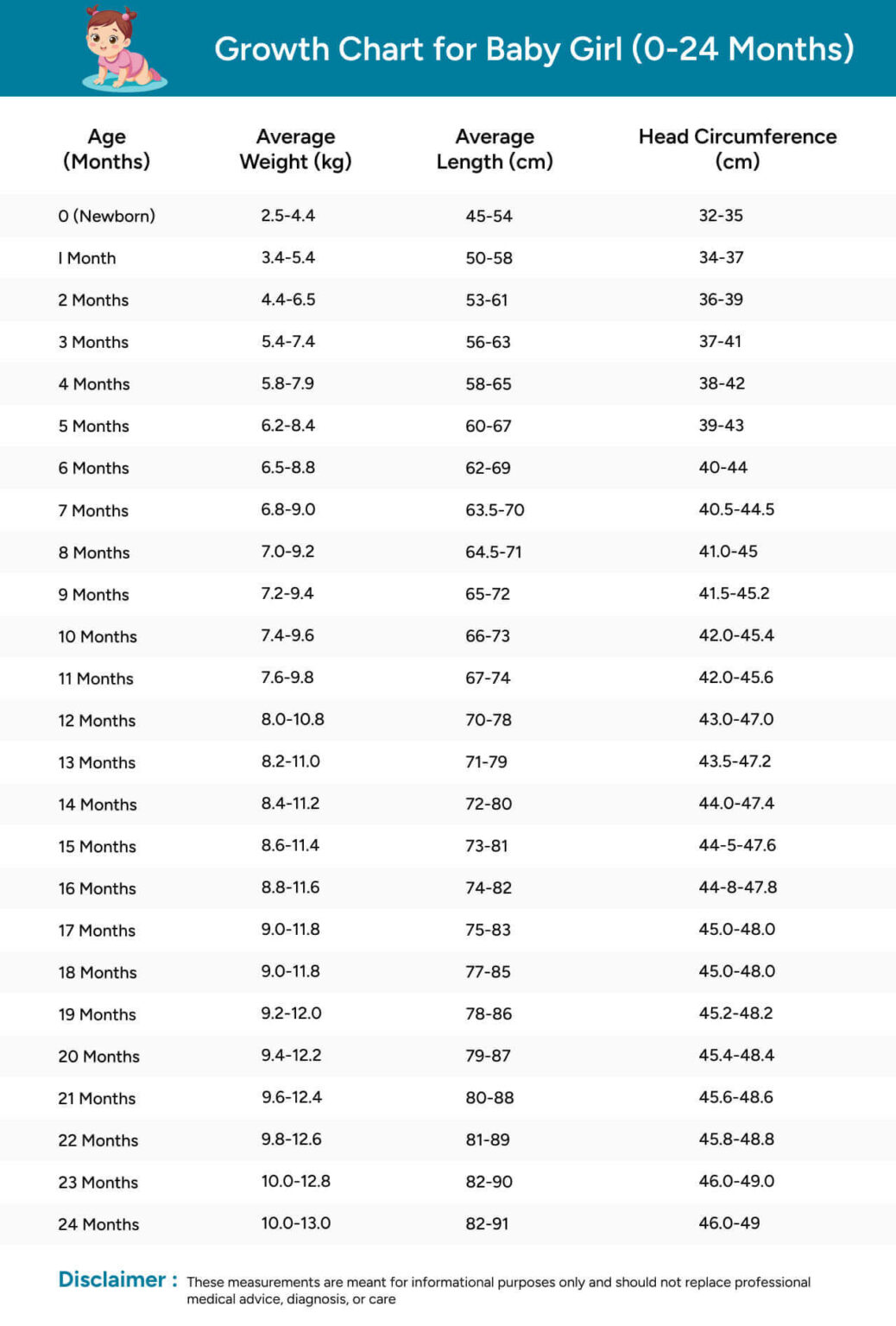
A newborn weight chart typically illustrates expected weight ranges for babies from birth to their first year. The chart is organized by month, which allows you to see how your baby compares to the average weight for their age. Most charts will display percentiles, showing what percentage of babies weigh less than or more than your child at a given age.
For example, if your baby is in the 50th percentile, that means they weigh more than 50% of babies their age. This information can be crucial for identifying any potential growth issues early on.
How to Use the Newborn Weight Chart
Using the weight chart is straightforward. Here’s how you can make the most of it:
- Download or Print: If you’re looking for a printable resource, you can find various formats online. A PDF version is usually best for printing, as it maintains formatting without the risk of reformatting issues.
- Fill In Your Baby’s Weight: Every month, weigh your baby using a reliable scale. Write down the weight in the chart next to the corresponding month.
- Mark Percentiles: If your chart includes percentiles, check where your baby’s weight falls. This will give you insight into their growth pattern compared to other babies.
- Discuss with Your Pediatrician: Bring the chart to your pediatrician appointments. This can serve as a helpful visual aid when discussing your baby’s growth and development.
Digital Vs. Print: Which is Better?
When it comes to using the Newborn Weight Chart, you have two main options: digital or print. Each has its pros and cons.
- Digital: Using a fillable PDF on your device allows for easy updates without the need for printing. You can quickly adjust weights and track growth over time. Plus, you can access this information anytime you need it.
- Print: Printing out the chart can be more tactile. You can hang it on the fridge or keep it in a baby book. Handwriting your baby’s weight may also feel more personal and satisfying. Consider using cardstock for durability, especially if you plan to laminate it for preservation.
What to Do If Your Baby’s Weight Is Below Average
If your baby’s weight falls below the 10th percentile, it’s essential to consult your pediatrician. They can assess whether your baby is healthy based on other factors, such as their feeding patterns and developmental milestones.
In some cases, low weight may be due to inadequate feeding or other underlying issues. Your doctor might suggest alternative feeding methods, nutritional supplements, or a specialized diet if necessary.
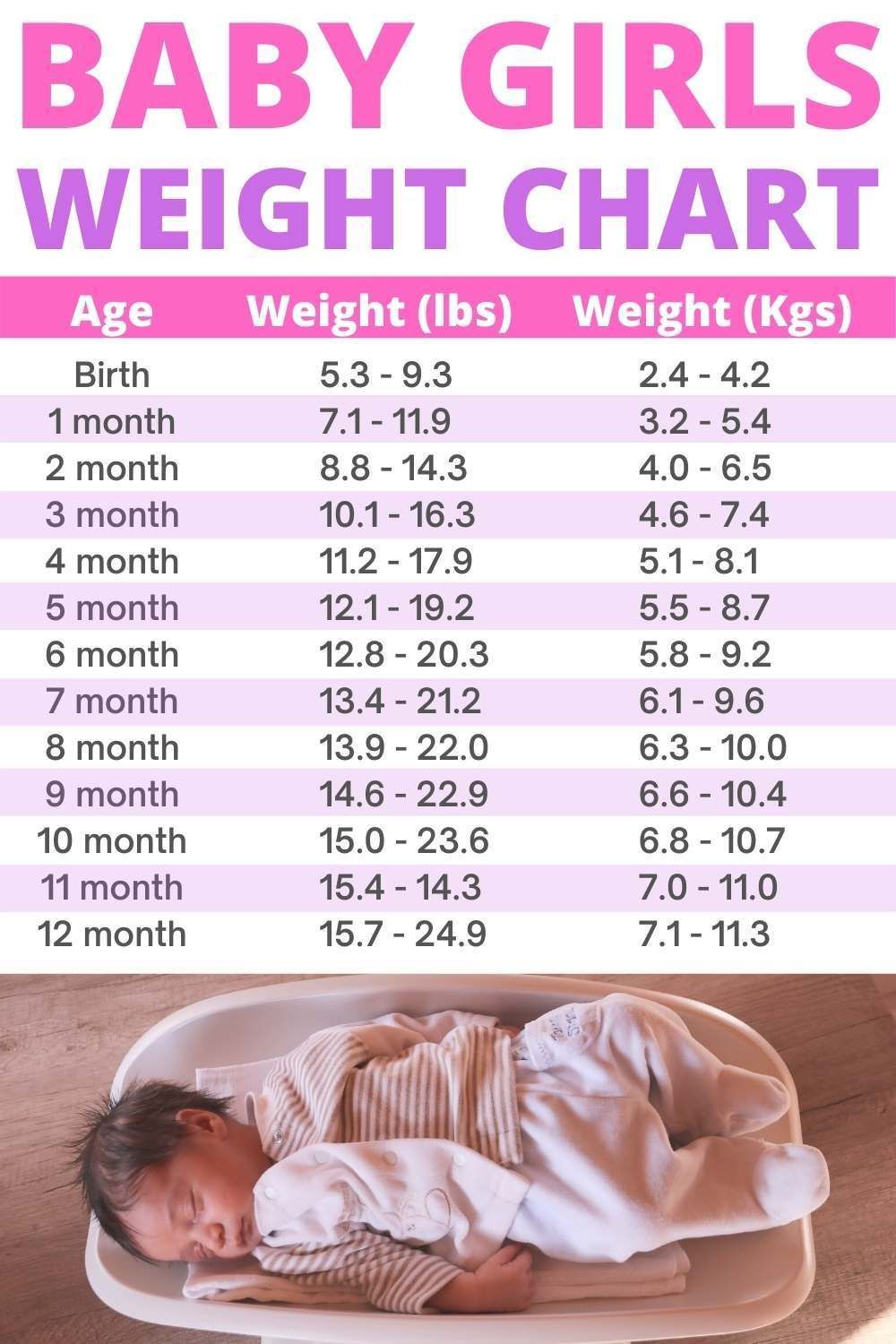
Keeping Track of Other Measurements
While weight is important, it’s just one aspect of your baby’s growth. Consider tracking other measurements, like length and head circumference.
You can create an additional chart or add columns to your existing weight chart. This will help you visualize your baby’s overall growth. Many parents find that noting milestones alongside weight can provide a more comprehensive picture of their baby’s development.
