Tracking your child’s growth is an essential part of parenting, and having a reliable resource can make this process easier. A Height Weight Chart Male And Female is a practical tool that lets you monitor whether your child is within a healthy weight range for their height. This simple chart not only assists in keeping tabs on growth but also promotes discussions about health and fitness in a way that’s accessible and engaging for both parents and children.
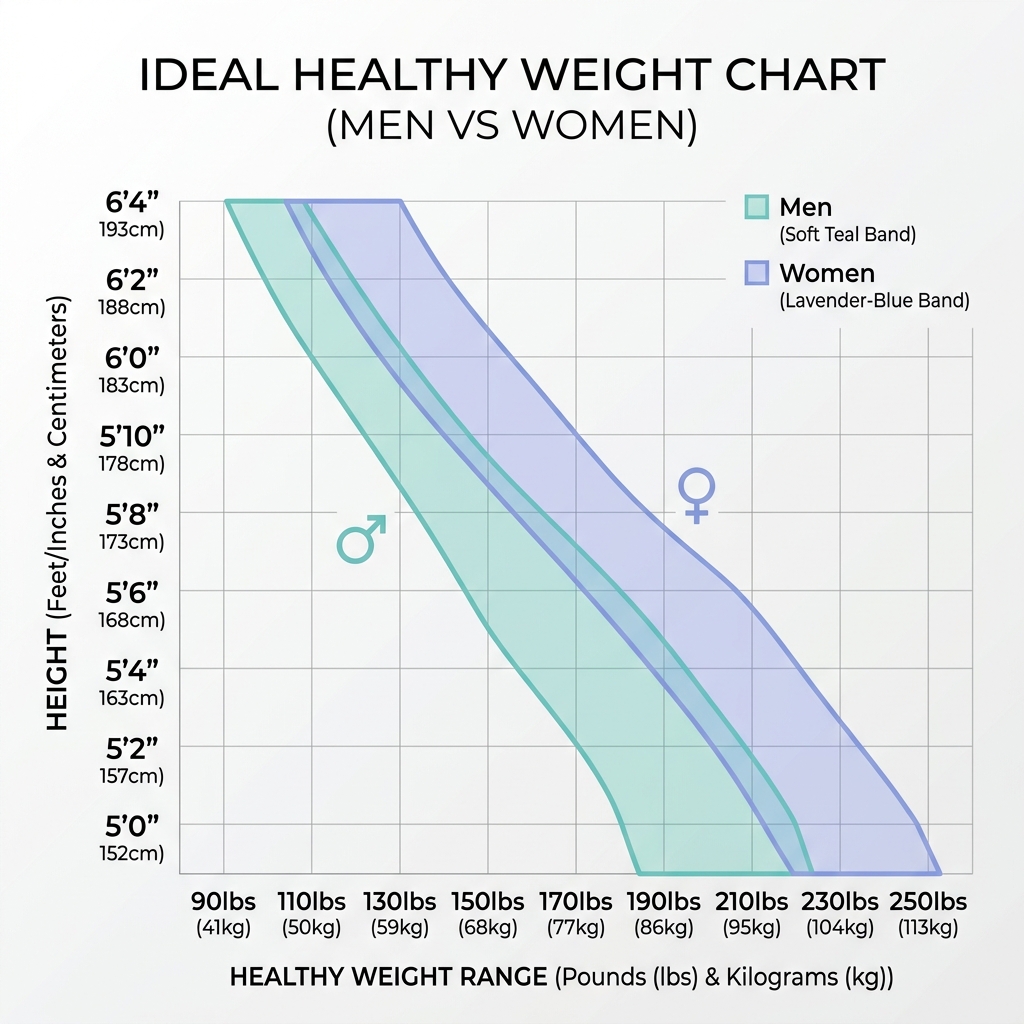
Understanding the Height Weight Chart Layout
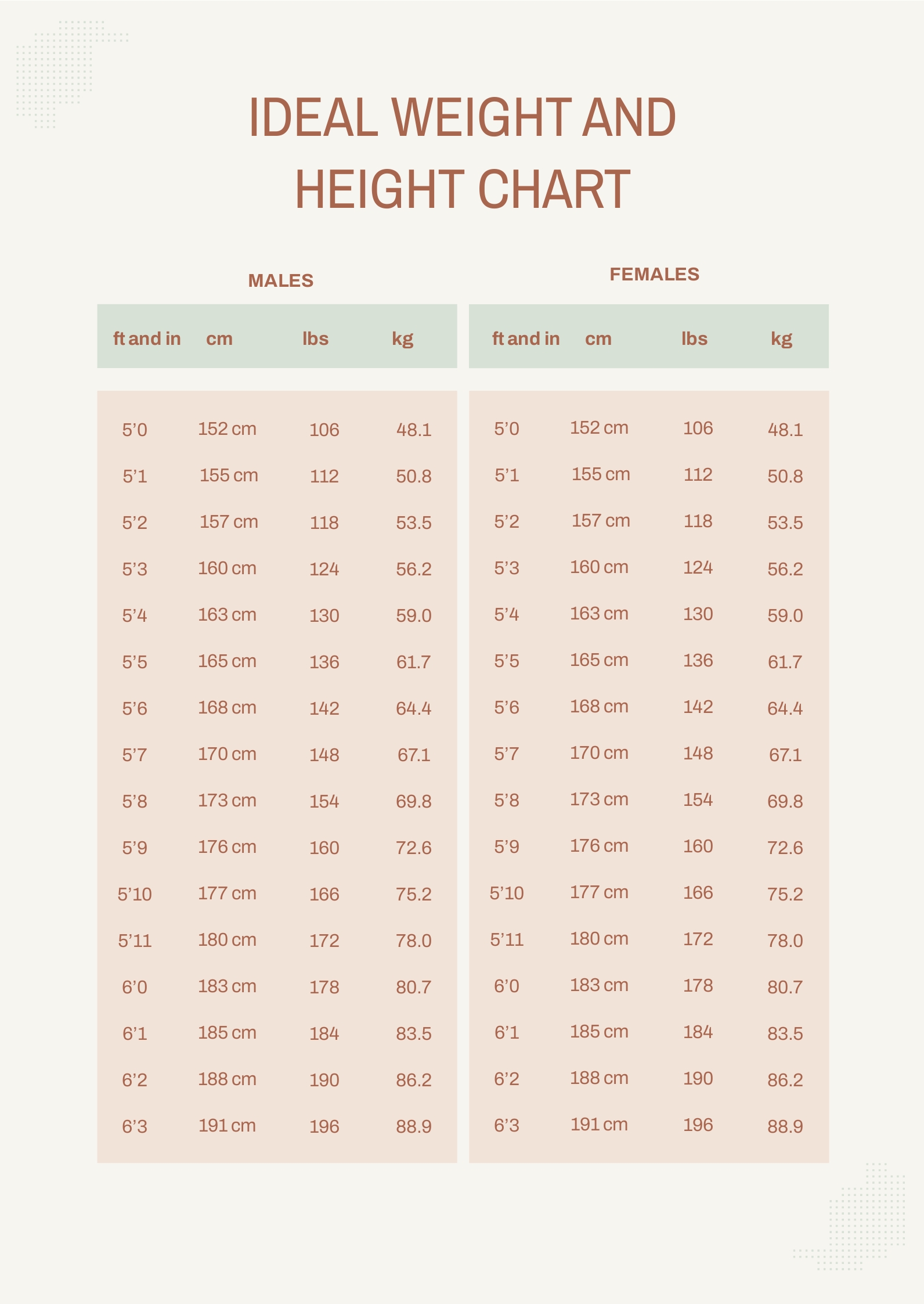
The Height Weight Chart typically features a grid layout, where you can find the height listed on one axis and the corresponding weight on the other. This allows you to easily check if your child’s measurements fall within the healthy range. The chart is usually divided into categories for males and females, recognizing that growth patterns can differ significantly between genders.
When using the chart, you’ll notice that it often includes percentiles, which indicate how your child’s height and weight compare to other children of the same age and gender. For instance, if your child is in the 75th percentile, this means they weigh more than 75% of their peers. Understanding this layout can help you grasp your child’s growth trajectory better, making it easier to spot any potential concerns.
How to Use the Height Weight Chart Effectively
Using the Height Weight Chart is straightforward, but having specific information ready can enhance your experience. Here’s how to go about it:
- Measure Height and Weight: Before you even reach for the chart, ensure you have accurate measurements. For height, use a stadiometer or a tape measure against a wall. For weight, a digital scale is often the most reliable.
- Locate the Correct Chart: Depending on your child’s gender, choose the appropriate Height Weight Chart. This ensures the information you’re assessing is relevant.
- Find the Right Age: Most charts are segmented by age groups. Locate your child’s age on the chart to ensure you’re looking at the correct data.
- Plot the Measurements: With your child’s height and weight noted, find where these measurements intersect on the chart. This will give you a visual representation of where your child stands compared to peers.
- Review Percentiles: Take note of the percentile rank. If your child falls outside of the 5th to 85th percentile, it may be worth discussing with a pediatrician.
This simple process helps you stay informed about your child’s health and can foster proactive conversations about nutrition and physical activity.
Practical Tips for Tracking Growth Over Time
Tracking growth isn’t a one-time activity; it’s an ongoing process. Here are some practical tips to integrate this into your routine:
- Regular Check-Ins: Consider measuring your child’s height and weight every few months. This helps you spot trends or changes in growth patterns more effectively.
- Document Changes: Keep a record of your child’s measurements over time. You could use a dedicated growth chart or even a simple notebook. This documentation can help you visualize growth and provide valuable information during pediatric visits.
- Encourage Healthy Habits: Use the chart as a conversation starter about health. Discuss the importance of balanced nutrition and regular exercise in a way that’s engaging for your child.
- Be Supportive: If the chart indicates that your child is underweight or overweight, approach the situation with care. Focus on positive lifestyle changes rather than simply weight, ensuring your child feels supported and understood.
When to Consult a Pediatrician
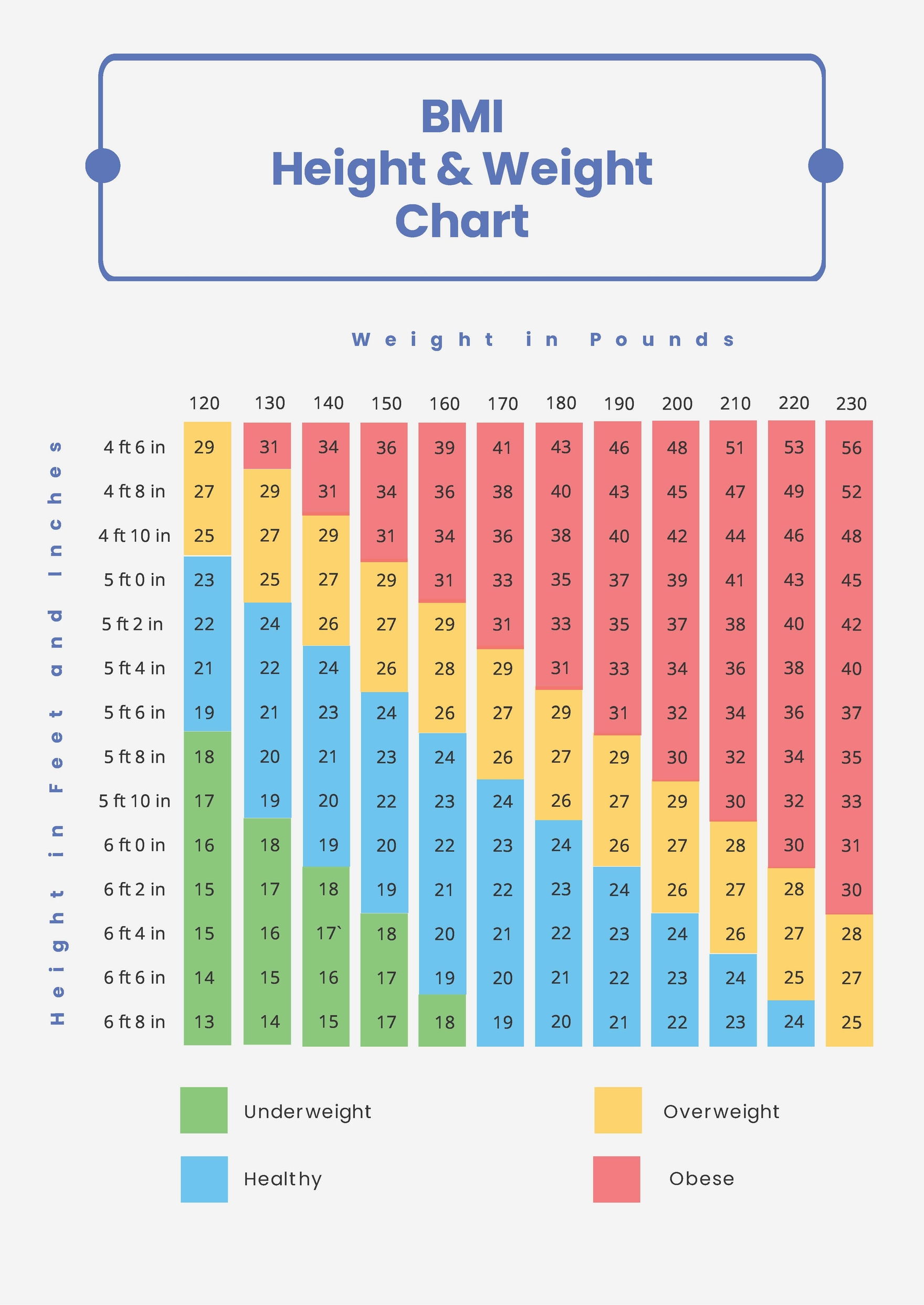
While the Height Weight Chart Male And Female is a fantastic tool for monitoring growth, there are times when it’s crucial to consult with a healthcare professional. If your child consistently falls outside the healthy range—either too low or too high—it may warrant further investigation. Here are some signs that it’s time to reach out:
- Significant Changes: If you notice rapid weight gain or loss over a short period, this could indicate health issues.
- Lack of Growth: If your child hasn’t grown in height or gained weight over several months, it’s worth discussing with a pediatrician.
- Concerns about Nutrition: If you feel your child isn’t getting a balanced diet, or if they have dietary restrictions, professional guidance can provide tailored strategies for improvement.
By being proactive and using the Height Weight Chart effectively, you can help ensure your child’s growth remains on track.
