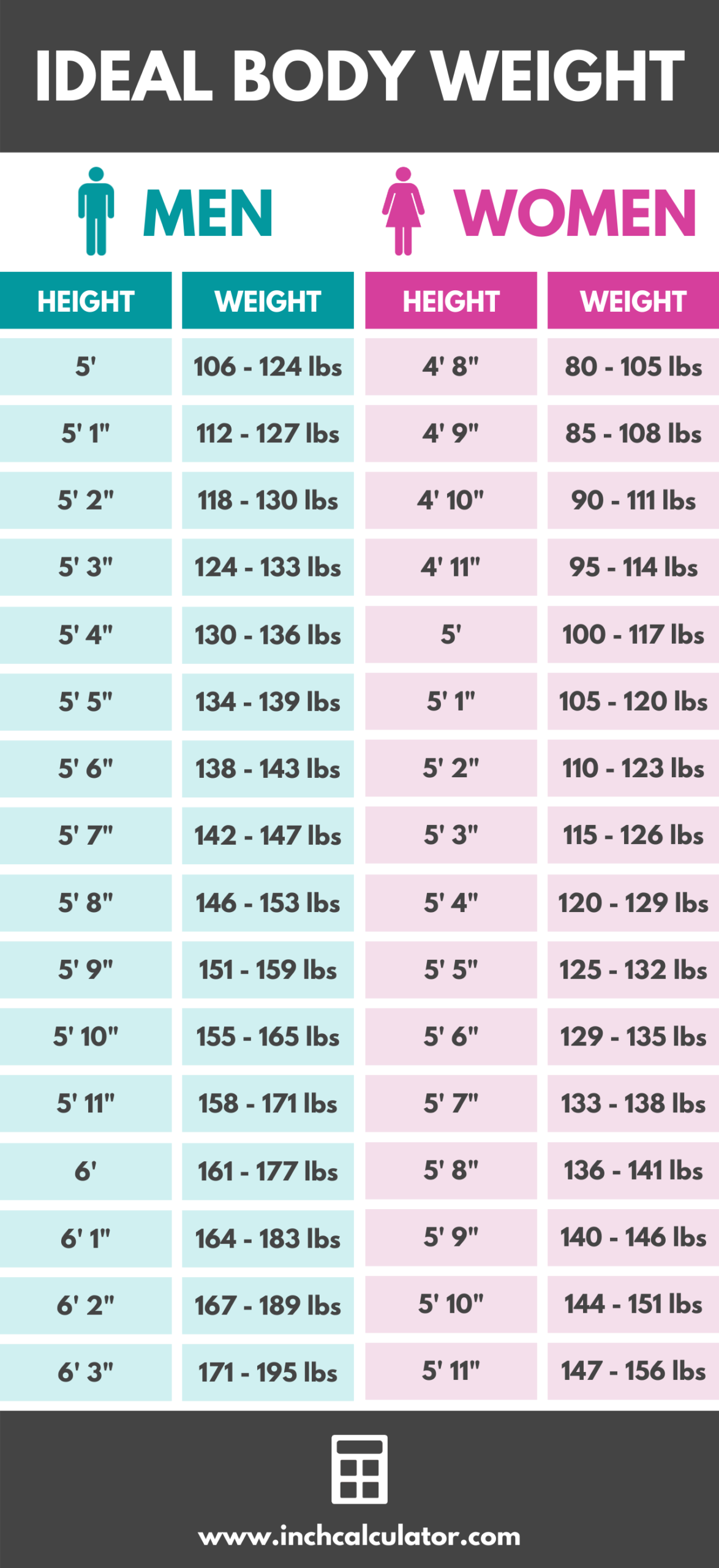
When it comes to tracking health and fitness, a Height Weight Chart For Male And Female is an essential resource. This chart provides a clear visual representation of the ideal weight ranges for different heights, making it easier for parents to assess their family’s health and make informed decisions regarding nutrition and lifestyle.
Understanding Height Weight Charts
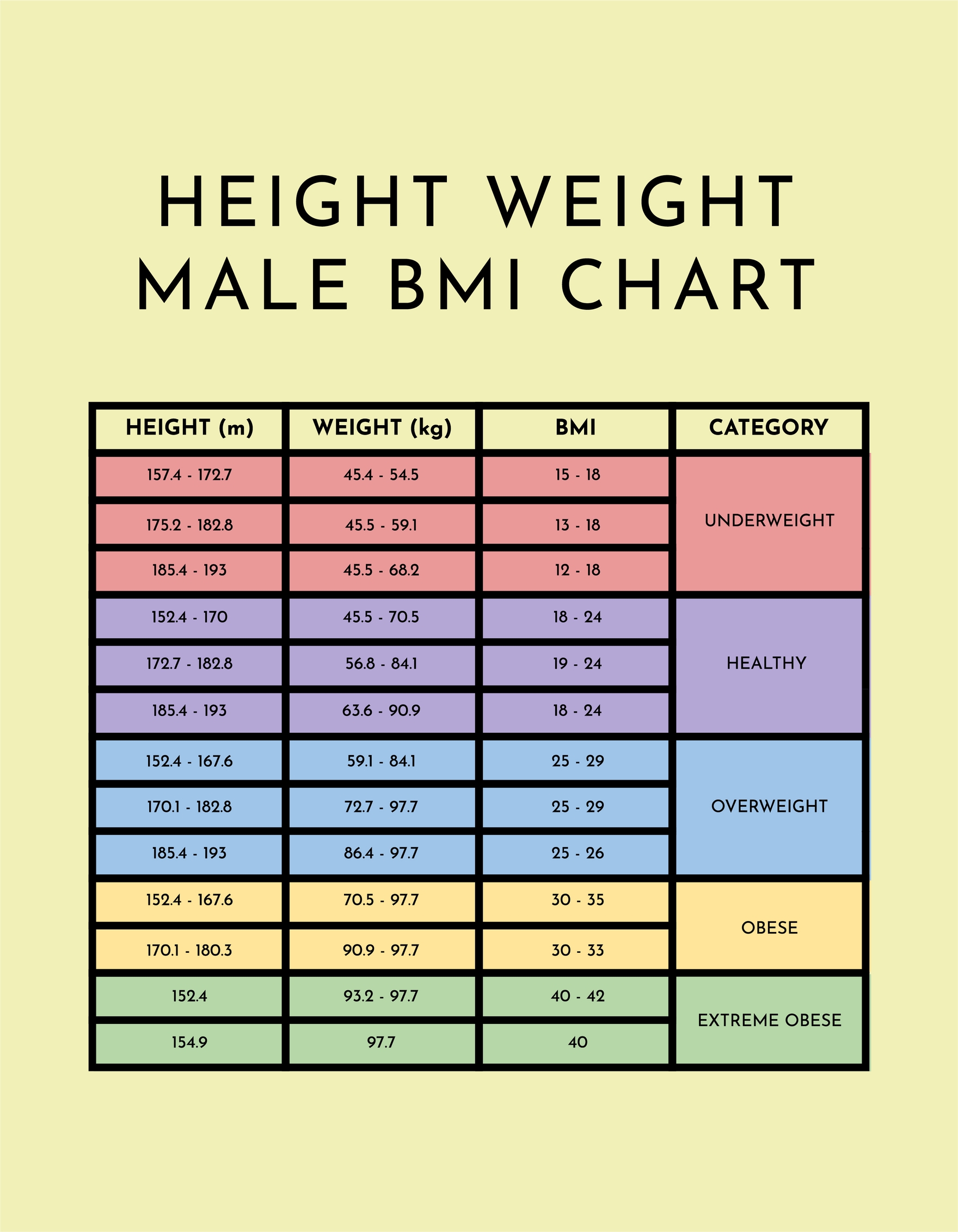
Height weight charts are simple tools that help you determine whether you or your loved ones are within a healthy weight range based on height. These charts use Body Mass Index (BMI) as a reference point, which is a widely accepted method for assessing weight categories. While BMI doesn’t account for muscle mass versus fat, it still serves as a helpful guideline for many.
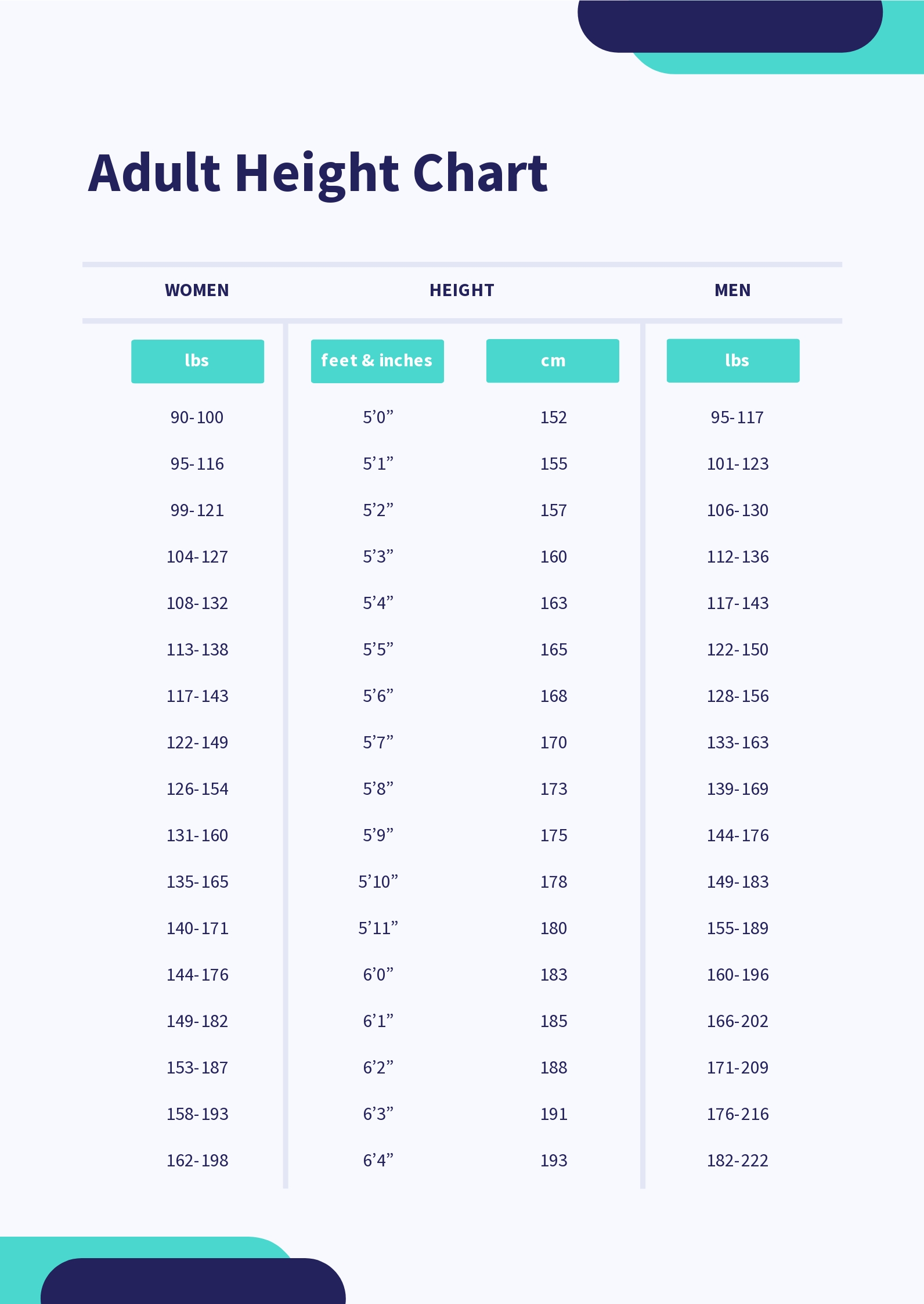
So, how do you read a height weight chart? Generally, you find your height on the left side of the chart and then look across to see the corresponding weight range that is considered healthy. For example, if a male is 5’10”, a healthy weight might range from about 140 to 180 pounds, depending on various factors like muscle mass and body composition.
Using the Printable Height Weight Chart
When you download and print a Height Weight Chart For Male And Female, you have a handy resource you can refer to whenever needed. You might choose to print it in A4 or letter size, depending on your printing options. Portrait layout is often best for charts, as it makes it easier to read the height values vertically.
- Benefits of Printing: A printed chart allows you to jot down notes, highlight specific weights, or even track changes over time. This can be particularly useful for parents monitoring their children’s growth or individuals setting fitness goals.
- Fillable PDF vs. Handwritten: If you opt for a fillable PDF version, you can enter data directly on your device. This method is great for quick updates and sharing with healthcare providers. However, if you prefer a tangible version to write on, printing it out and filling it by hand can be more satisfying and easier to personalize.
Where to Use the Height Weight Chart
The applications for a Height Weight Chart are numerous. Here are a few practical ways to incorporate it into your routine:
- Health Check-Ups: Bring the chart to doctor’s appointments. It can facilitate discussions about weight management, growth patterns in children, or fitness goals.
- Family Planning: For parents, understanding weight ranges can help set realistic expectations for children’s growth and health. This understanding can foster healthy conversations about nutrition and exercise.
- Fitness Tracking: If you’re on a fitness journey, having a visual representation of your weight goals can serve as motivation. You can mark your current weight and track your progress over time.
Maintaining Realistic Expectations
While height weight charts are valuable tools, it’s important to maintain realistic expectations. These charts do not account for individual differences, such as muscle mass, bone density, and overall body composition. For instance, an athlete may weigh more than what is considered average for their height due to increased muscle mass.
It’s also worth noting that trends in health data can change. Regular check-ins with a healthcare provider can help ensure that you’re interpreting the information correctly and making choices that are right for your family.
