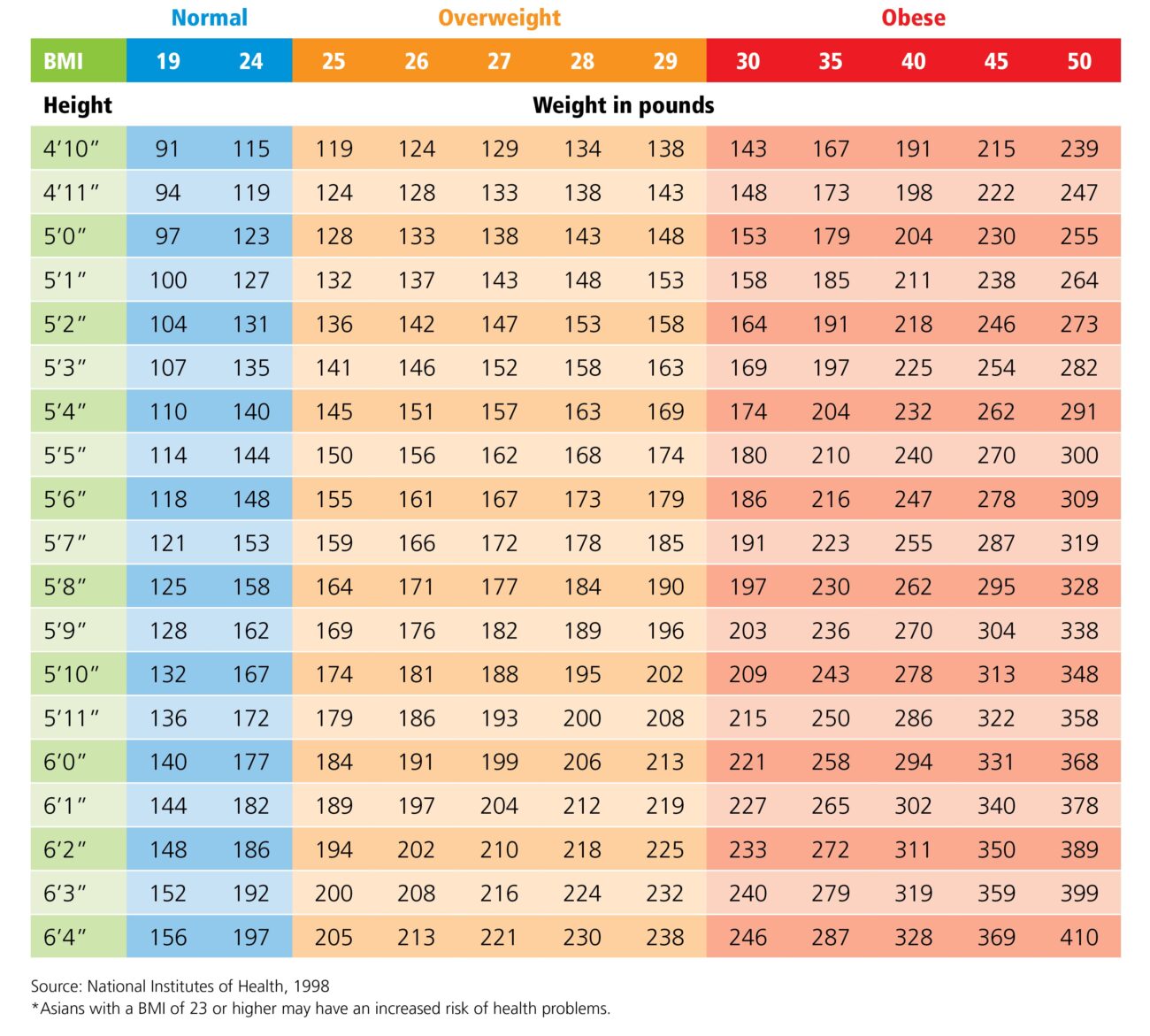
Understanding your child’s growth milestones can feel overwhelming at times. When it comes to tracking height and weight, having a reliable resource like a Male Age Height And Weight Chart can make the process a whole lot simpler. This chart helps parents monitor their son’s development and ensures they are on the right track. Let’s break down how you can effectively utilize this chart to support your child’s health journey.
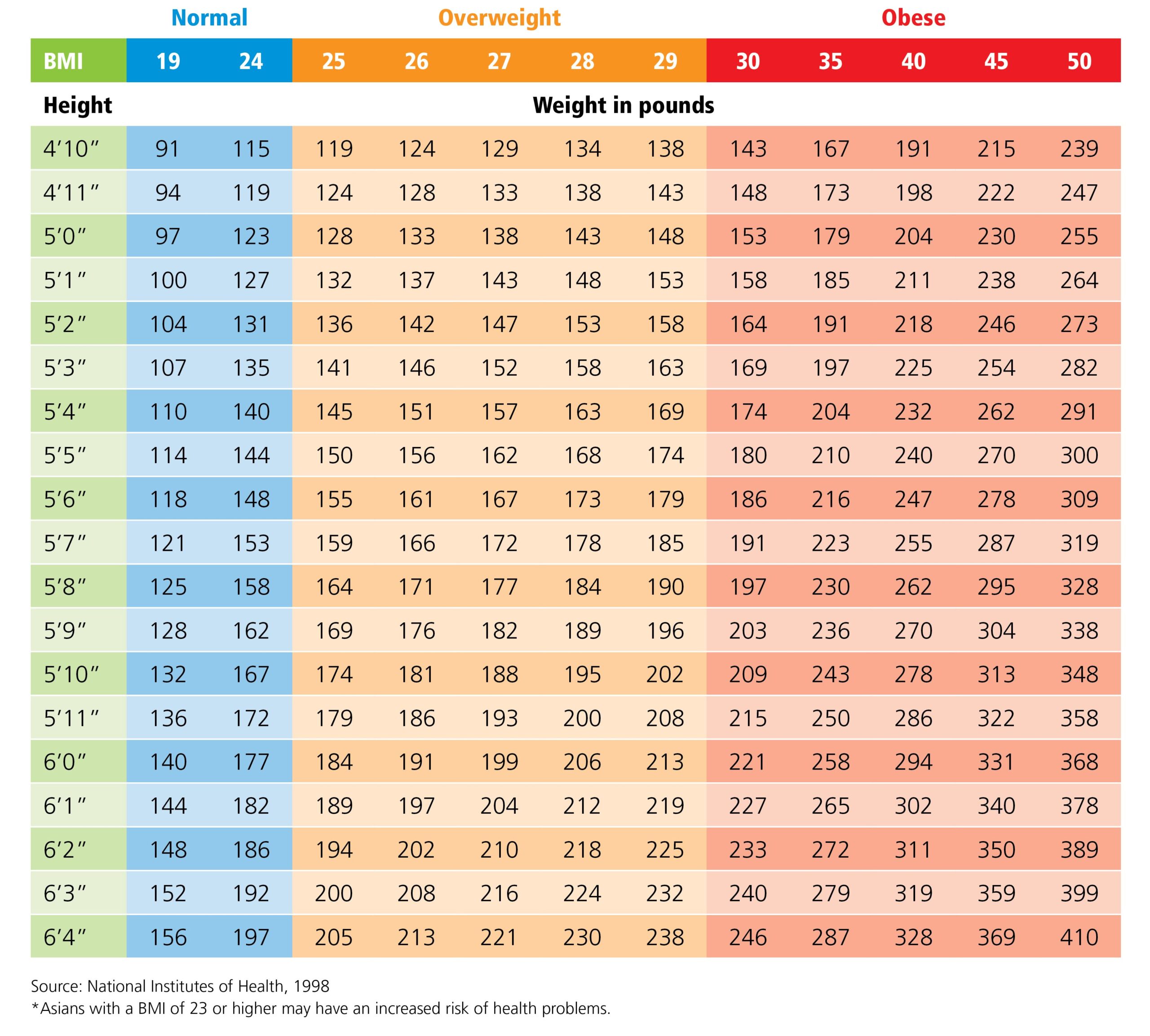
What is a Male Age Height And Weight Chart?
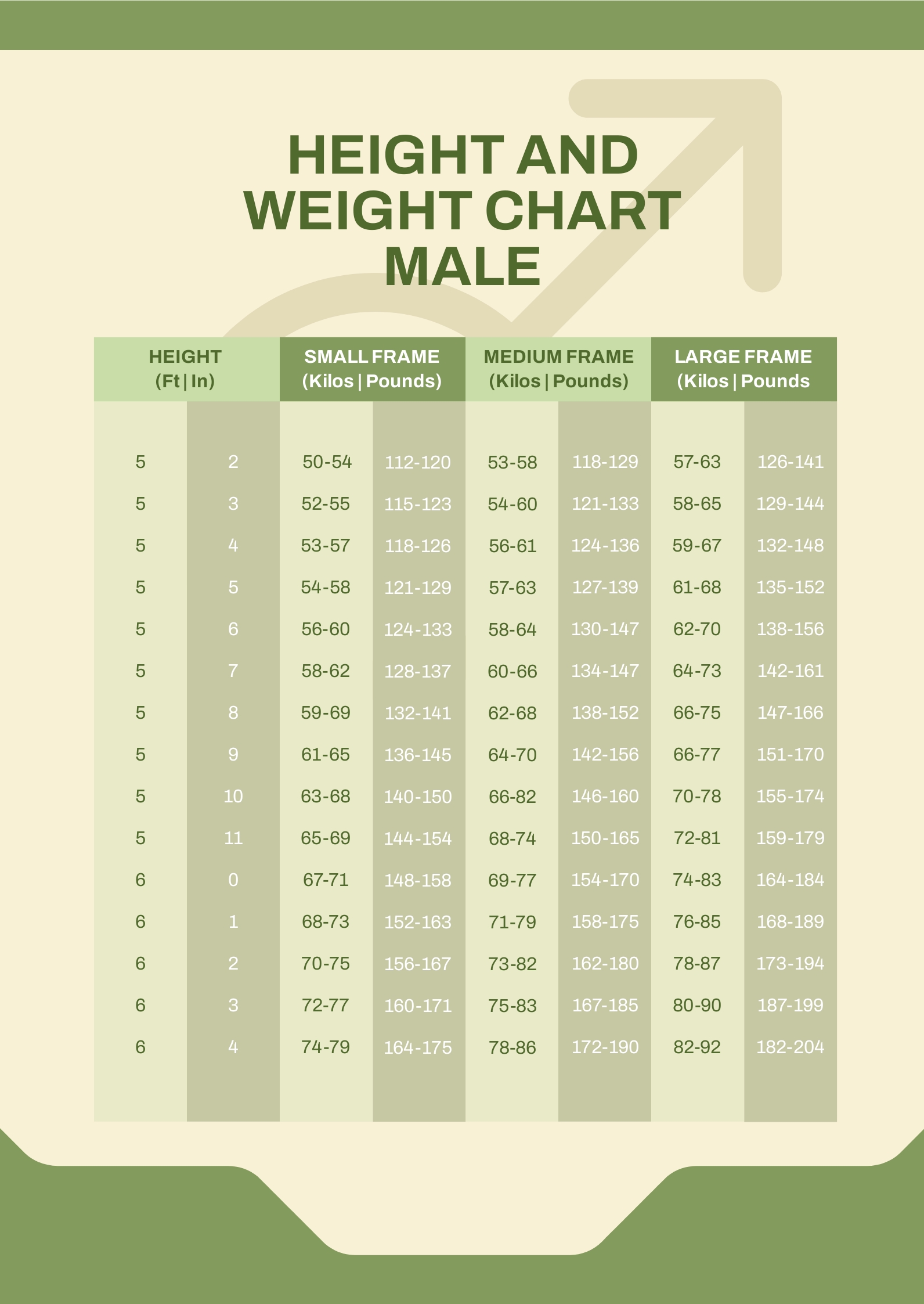
A Male Age Height And Weight Chart is a tool used to track the growth patterns of boys over different age ranges. Typically, these charts display the average height and weight for boys from infancy through adolescence. They help you identify whether your child is growing as expected compared to their peers. This resource is crucial for parents and caregivers to ensure that children are achieving their growth milestones.
How to Read the Chart
Understanding how to read a Male Age Height And Weight Chart is key. The chart usually has age listed on one axis and height and weight on the other. Here’s how to make sense of it:
- Locate your child’s age: The age is typically listed in years and months.
- Find the corresponding height and weight: Follow the line to see the average height and weight for that age group.
- Compare your child’s measurements: Measure your child’s height and weight, then see where they fall on the chart. This helps you determine if they are within a healthy range.
For example, if your 10-year-old son is 4’8” tall and weighs 70 pounds, you can easily see if he is within the average range for his age. This visual representation makes it easier to track growth over time.
When to Use the Chart
You might be wondering when the best time is to start using the Male Age Height And Weight Chart. Here are some practical moments:
- Routine check-ups: Bring this chart to pediatrician visits to discuss your child’s growth.
- Milestone celebrations: Use the chart to celebrate growth milestones, like birthdays, and track progress year over year.
- Health assessments: If your child is involved in sports or other physical activities, checking their growth can help ensure they are healthy and fit for participation.
By making this chart a part of your regular routine, you’ll stay informed about your child’s growth and development.
Tips for Maintaining Accurate Measurements
To ensure that you’re getting the most accurate data for your Male Age Height And Weight Chart, here are some tips:
- Use a reliable scale: Make sure to use a proper scale for weight. Calibrate it regularly for accuracy.
- Stand straight: When measuring height, have your child stand straight against a wall. Use a flat object to mark the top of their head.
- Check regularly: Measure height and weight at least every six months to monitor changes effectively.
This consistency provides a clearer picture of growth trends over time.
Where to Find and Download the Chart
Finding a printable Male Age Height And Weight Chart is pretty straightforward. Many healthcare websites and parenting resources offer free downloadable charts. Look for PDF versions that are easy to print. These versions typically maintain their format well, ensuring you can read them easily once printed.
When downloading, ensure that the resource is reputable. Trusted health organizations often provide the most accurate and up-to-date information for these charts.
Utilizing the Chart for Health Discussions
Once you have your Male Age Height And Weight Chart in hand, you can use it as a starting point for discussions about your child’s health with their doctor. Here are some tips on how to approach these conversations:
- Prepare questions: Think about what you want to know regarding your child’s growth. Are they on track? Should you be concerned about any aspects?
- Discuss nutrition: Use the chart to talk about your child’s diet. If they are underweight or overweight, you can explore ways to adjust their nutrition.
- Talk about activity levels: Consider how physical activity impacts your child’s growth and overall health.
By being proactive with this information, you can take a more engaged role in your child’s health journey.
Final Tip for Parents
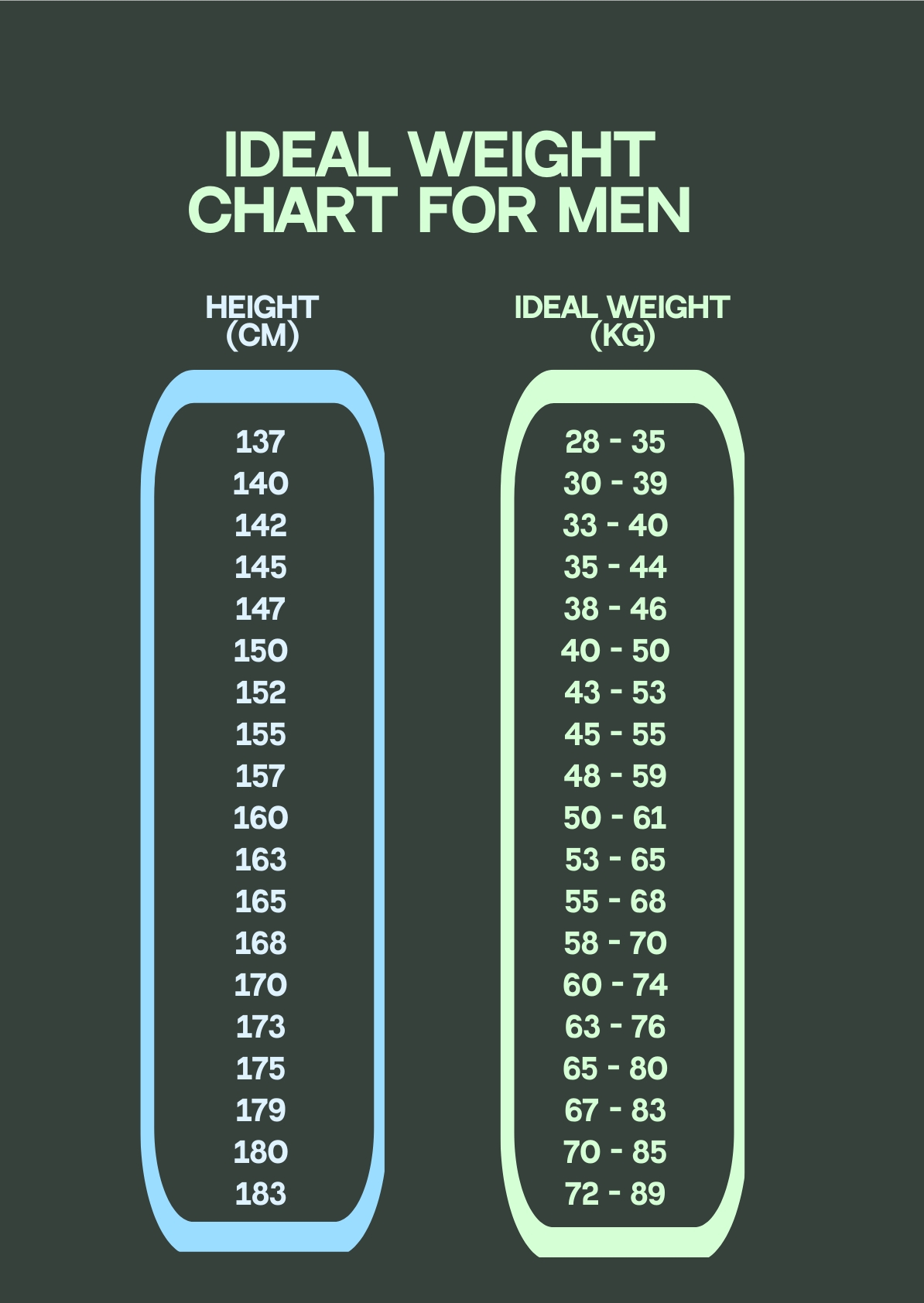
As you navigate your child’s growth, remember to celebrate the small victories. Each inch and pound gained is a step in their development. Keep the Male Age Height And Weight Chart handy, and use it as a tool not just for measurement but for motivation.
And here’s a specific tip you can act on immediately: print out your Male Age Height And Weight Chart today, and take a moment to measure your child. You’ll be one step closer to understanding their growth journey!
