Tracking your child’s growth can sometimes feel like a daunting task. However, a Height Weight Chart According To Age can simplify this process. By providing a visual representation of your child’s growth patterns, it allows you to easily gauge if they’re on track. If you are a parent, teacher, or caregiver, this chart is an essential tool in the journey of childhood development.
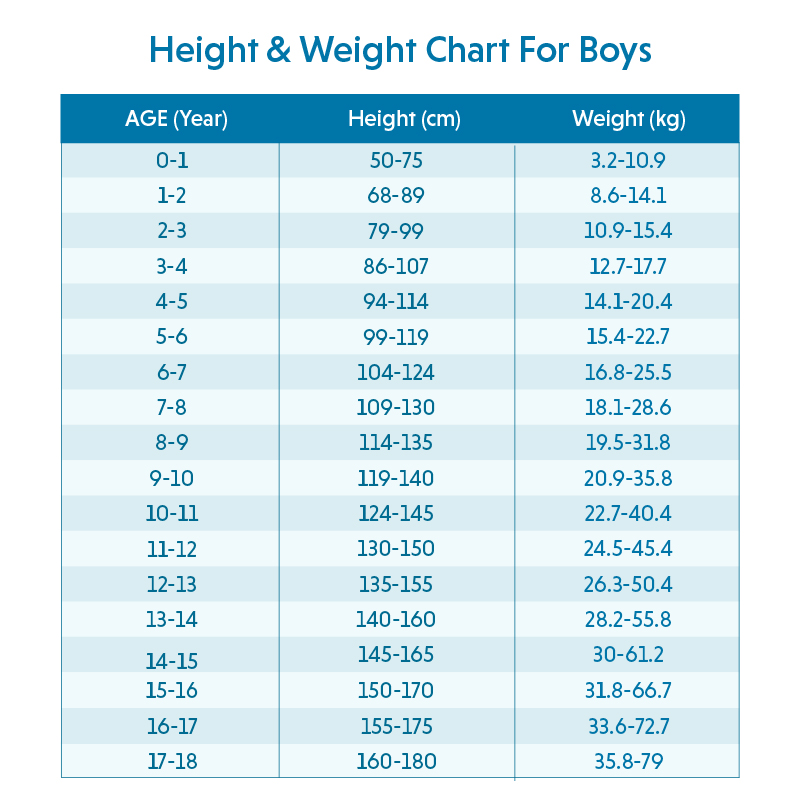
Understanding the Height Weight Chart
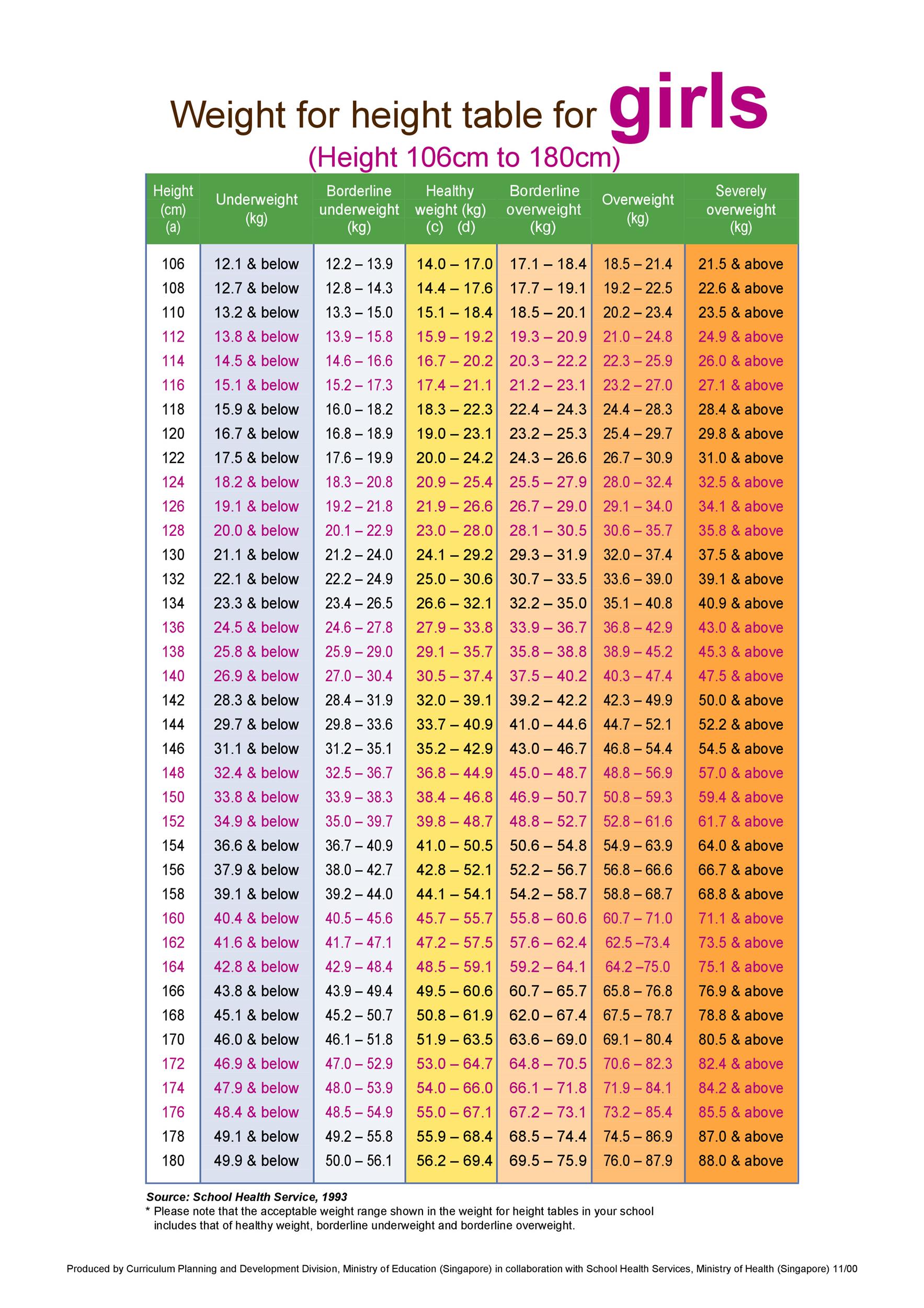
A Height Weight Chart According To Age is designed to help you visualize the relationship between a child’s height and weight as they grow. These charts typically feature age on one axis and height and weight on the other. This layout provides a quick reference to see if your child’s measurements fall within the recommended percentiles.
Most pediatricians use these charts during regular check-ups. They can help identify if a child is underweight, overweight, or at a healthy weight for their age. Remember, the goal is not to fit into a specific number but to monitor growth trends over time.
How to Use the Chart Effectively
Using the height weight chart is straightforward, but there are a few steps to ensure you get the most accurate results:
- Measure Accurately: Use a stadiometer for height and a reliable scale for weight. It’s best to measure your child at the same time of day and under similar conditions (e.g., without shoes) for consistency.
- Record Regularly: Make it a habit to update the chart during routine health check-ups or monthly. This helps track growth spurts or trends.
- Analyze the Data: Look at where your child’s height and weight fall on the chart. If they consistently fall below the 5th percentile or above the 95th percentile, consider consulting a healthcare professional.
- Consider Growth Patterns: Each child grows at their own pace. Some might experience rapid growth during certain ages, while others might grow more steadily. It’s important to look for trends rather than focusing on one measurement.
Common Mistakes to Avoid
When using a Height Weight Chart According To Age, several common pitfalls can lead to inaccuracies:
- Inaccurate Measurements: Always double-check your measurements. A slight error can lead to a significant difference on the chart.
- Ignoring Percentiles: Percentiles are not definitive indicators of health but rather a guide to understanding growth. A child in the 50th percentile is not necessarily “better” than one in the 25th percentile.
- Not Considering Other Factors: Genetics, diet, and activity level all play a role in growth. Always consider these factors alongside the chart.
Where to Find Printable Resources
Finding a printable Height Weight Chart According To Age is easy! Many websites offer free downloadable resources in PDF format. These charts can be printed directly from your home computer, making them accessible for daily use. Look for charts that are designed for your child’s age group and include both height and weight measurements.
When selecting a chart, ensure it’s clear and easy to read. You might find charts tailored for specific age groups, such as infants, toddlers, or older children. Some resources even offer interactive versions that can be updated digitally.
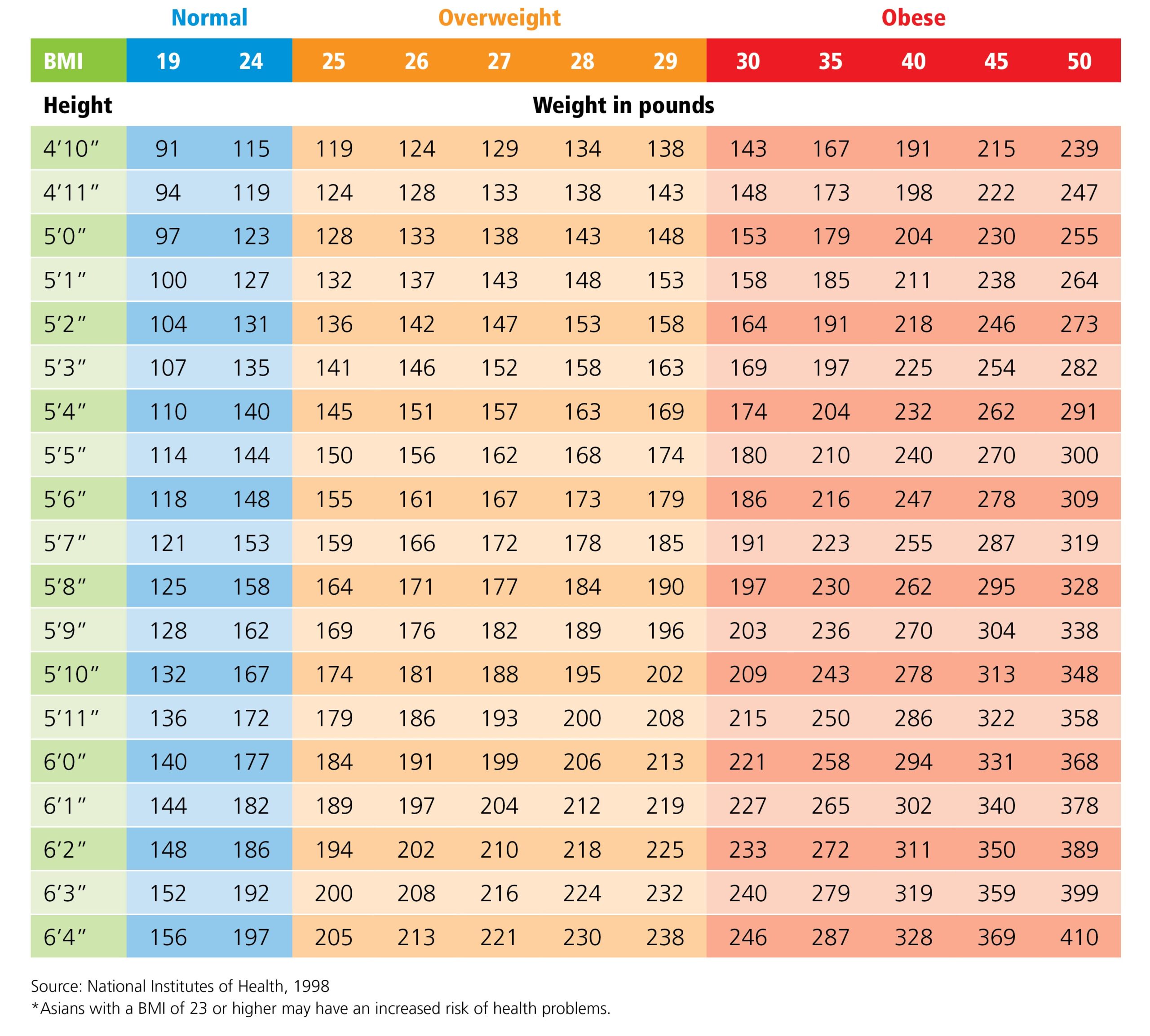
Incorporating the Chart Into Routine
Integrating the Height Weight Chart into your routine can make tracking growth a fun activity. Here are some ideas on how to incorporate it seamlessly:
- Monthly Check-ins: Set aside a specific day each month to measure and record your child’s height and weight. You could even make it a fun family event!
- Visual Growth Tracker: Consider using a wall chart or poster where your child can see their progress. This not only encourages them but can also spark conversations about healthy habits.
- Involve Your Child: As they get older, involve them in the process. Let them measure themselves and record their data. It instills a sense of responsibility and awareness about their health.
By using the Height Weight Chart According To Age, you’re not just keeping tabs on numbers—you’re taking an active role in your child’s health journey. It’s about understanding their growth patterns and ensuring they develop a healthy lifestyle.
With these tips and resources, you’ll be well-equipped to monitor your child’s growth effectively. Remember, every child is unique, and the most important thing is to support them as they grow.
