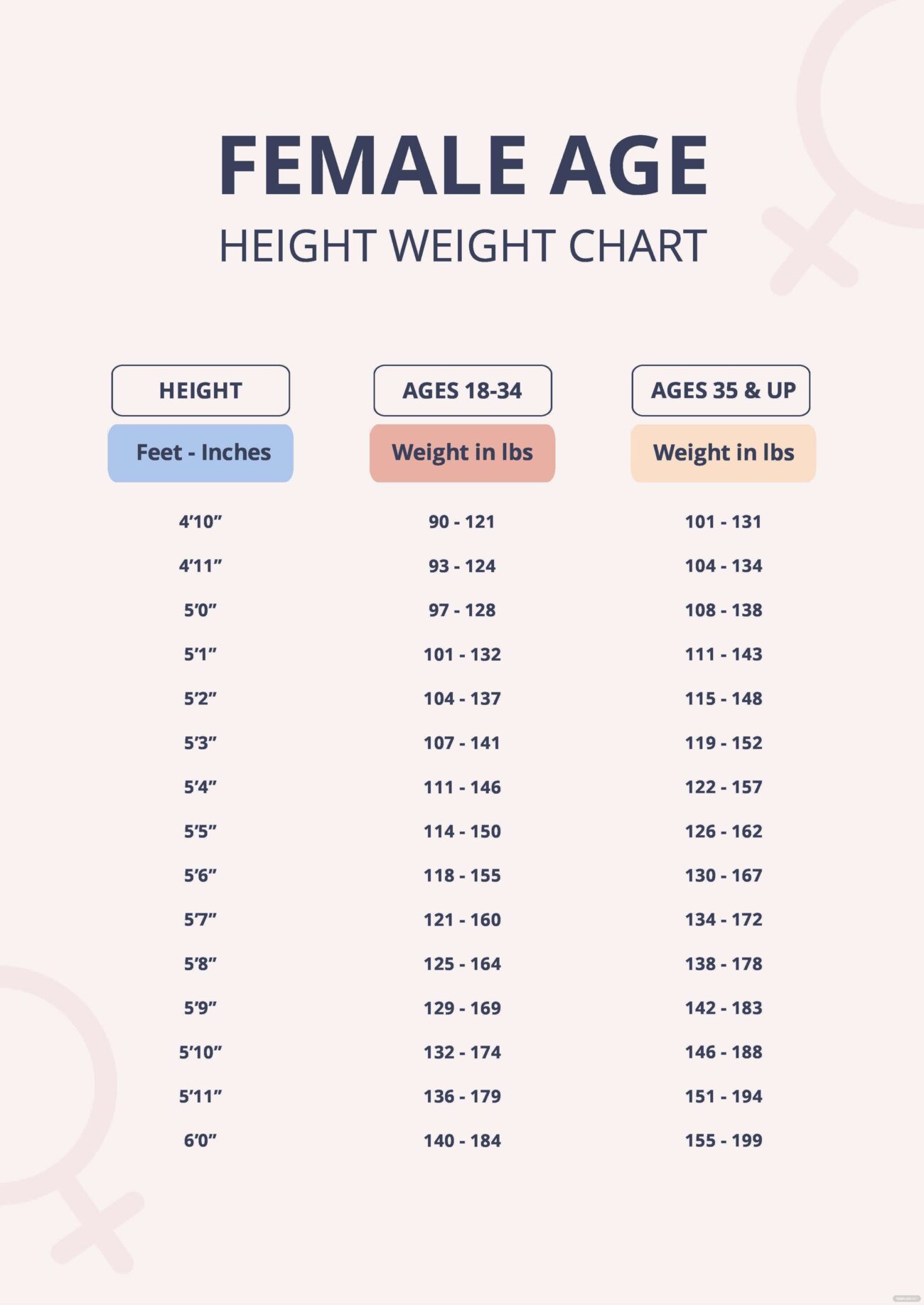
Tracking the growth and development of your child can often feel overwhelming, especially when it comes to understanding the relationship between height and weight. A Height To Weight Age Chart is a valuable tool that helps parents monitor their child’s growth patterns and ensure they are following a healthy trajectory. These charts provide a visual representation of how your child’s height and weight compare to standard growth patterns for their age.
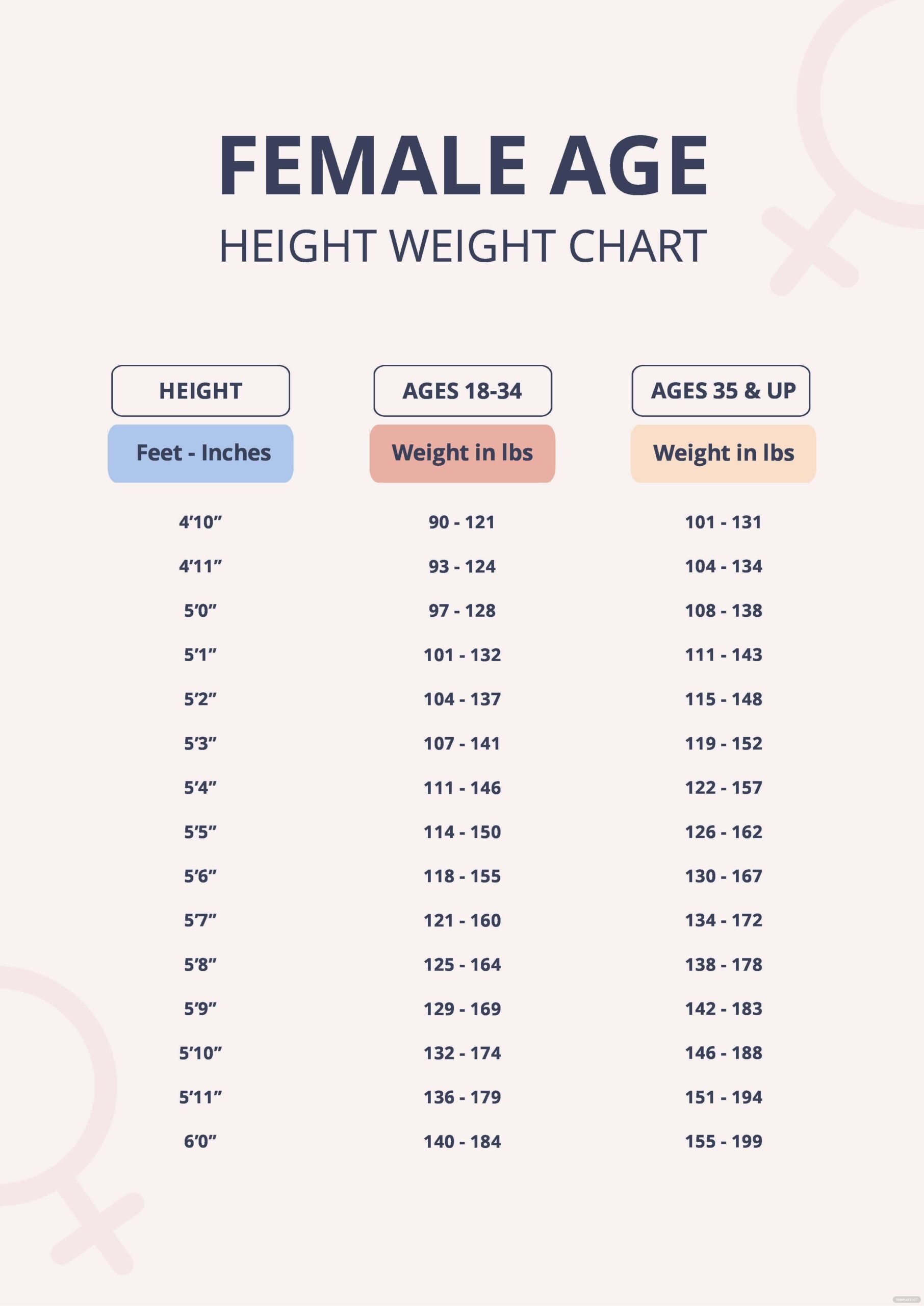
Understanding the Height To Weight Age Chart
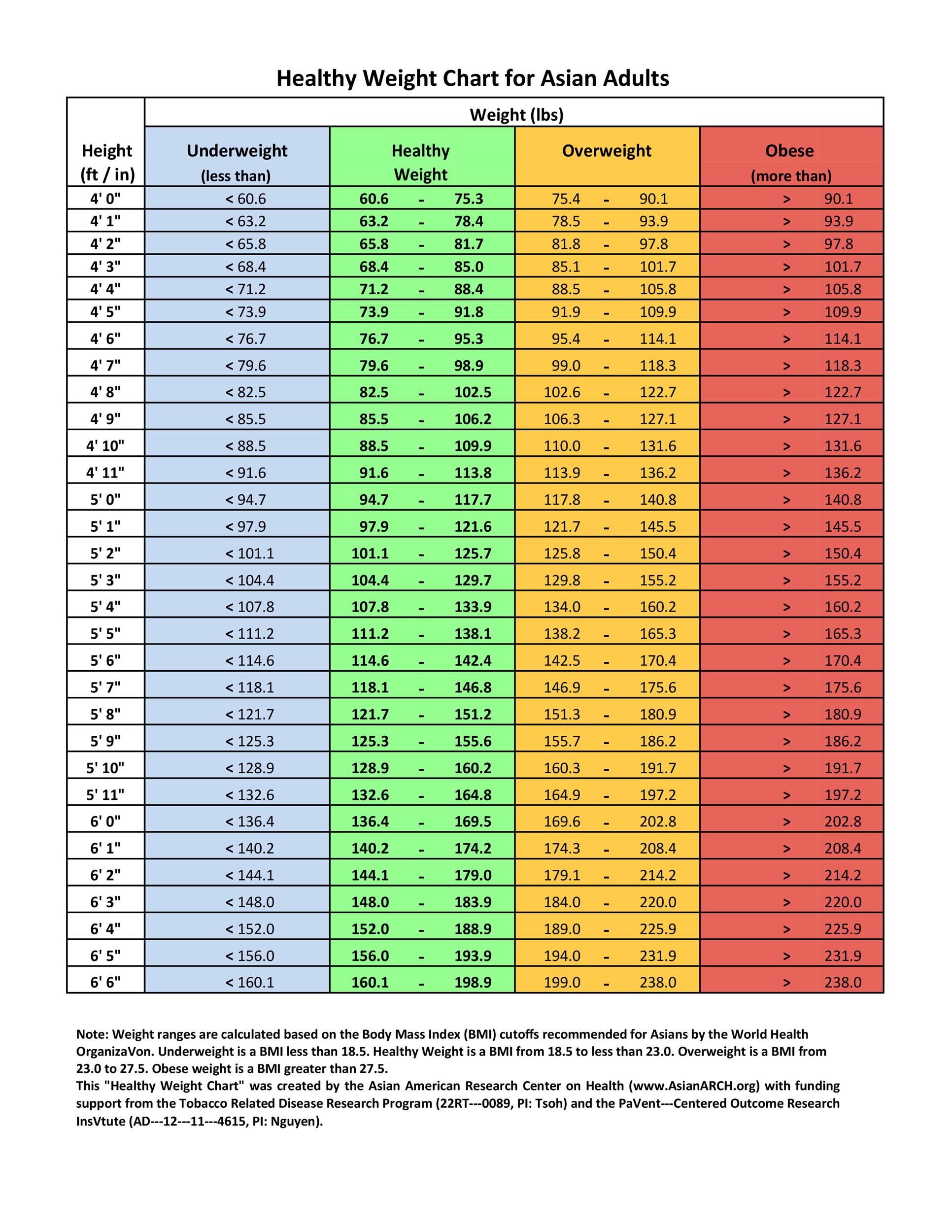
The Height To Weight Age Chart is typically presented as a grid or table. The vertical axis usually represents height, while the horizontal axis represents weight. Each cell within the chart is often populated with age ranges, allowing you to find the appropriate benchmarks for your child based on their age, height, and weight.
When using the chart, start by locating your child’s age. From there, you can assess whether their height and weight fall within the healthy range indicated on the chart. This can help you identify if your child is growing at a healthy rate or if there may be concerns you need to address with a healthcare provider.
How to Read the Chart
Reading a Height To Weight Age Chart can be straightforward, but it’s essential to understand what the numbers and lines indicate. Here’s a simplified way to approach it:
- Locate the Age: Find your child’s age on the chart. This is usually marked along the top or side.
- Find Height and Weight: Identify the height and weight of your child. This will typically be represented in inches and pounds.
- Cross-reference: Use the height to find the corresponding weight range. The chart may show different lines indicating underweight, average, and overweight categories.
For example, if your 8-year-old child is 52 inches tall and weighs 70 pounds, you would find 52 inches on the height axis and see where it intersects with the weight. If the weight falls into the average range, that’s a positive sign!
Practical Tips for Using the Chart
To get the most out of the Height To Weight Age Chart, here are some practical tips:
- Print It Out: Having a physical copy of the chart can make it easier to reference regularly. Consider printing it out and keeping it in your child’s health records.
- Update Regularly: As your child grows, make it a habit to measure their height and weight regularly. This could be done monthly or quarterly, depending on your preference.
- Consult with Your Pediatrician: If you notice your child’s measurements are consistently outside the average range, it’s wise to consult with your pediatrician. They can provide tailored advice and support.
Common Mistakes to Avoid
When using a Height To Weight Age Chart, there are common pitfalls to be mindful of:
- Not Considering Growth Spurts: Children often go through growth spurts, and weight can fluctuate during these times. Don’t panic if your child’s weight seems to increase or decrease rapidly; it could be temporary.
- Ignoring the Percentiles: Charts often include percentiles that indicate how your child compares to others. A percentile rank can be more telling than simply looking at the weight or height alone.
- Using the Chart in Isolation: The chart is a tool, not the only method of assessing health. Consider other factors like diet, activity level, and general wellbeing.
Where to Find a Printable Version
Many resources online offer downloadable and printable versions of Height To Weight Age Charts. Websites focused on child health or pediatric care often provide these resources for free. Simply search for “printable Height To Weight Age Chart” to find a version that suits your needs.
Make sure to choose a chart that is up-to-date and comes from a reliable source, such as a pediatric association or health department. This ensures that you are using accurate and relevant data for your child’s growth assessments.
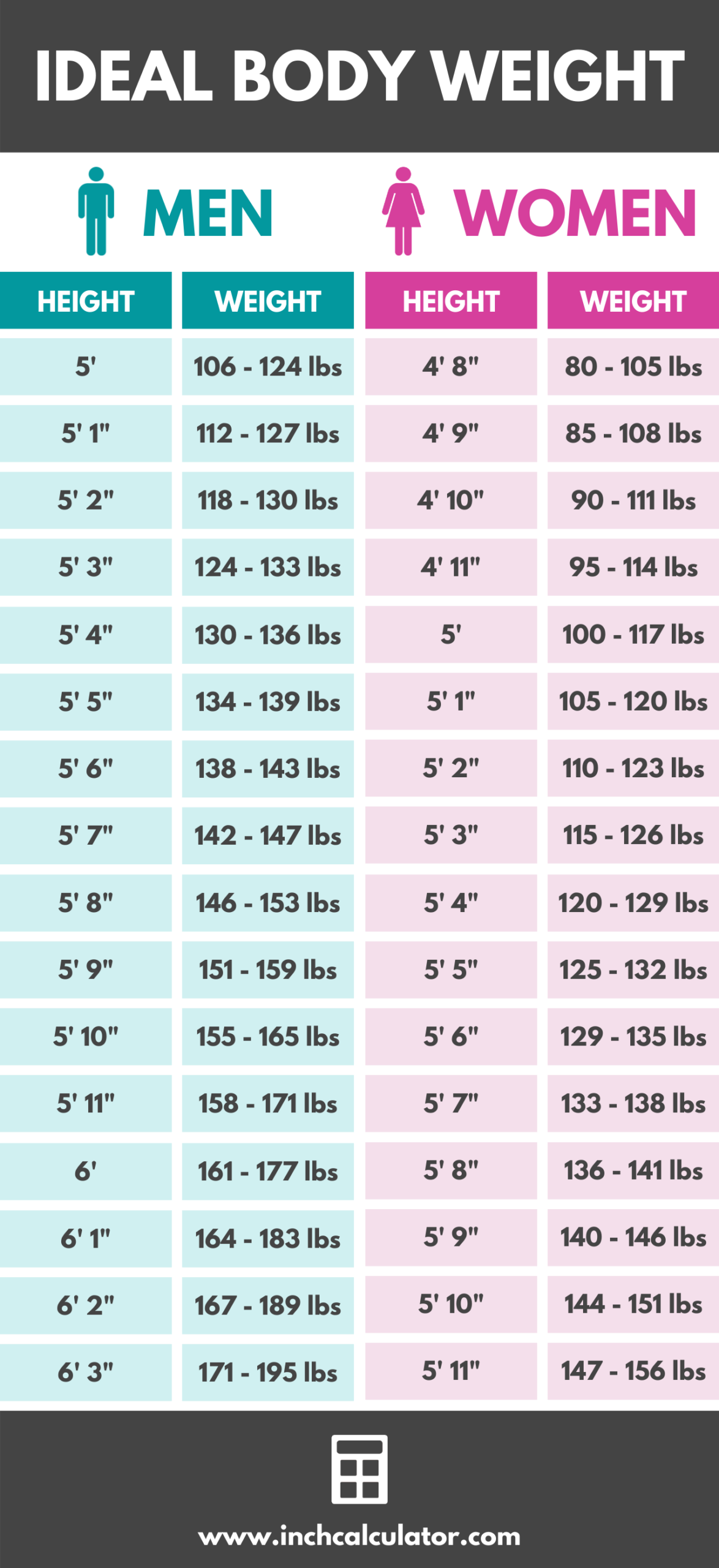
Keeping Track of Growth Progress
Using a Height To Weight Age Chart is just one part of tracking your child’s growth. Consider keeping a growth journal where you can note down measurements, significant milestones, and any concerns you may have. This can be useful for discussions with your child’s healthcare provider.
Additionally, you might want to create a visual representation of their growth over time. This could be a simple line graph that plots their height and weight at regular intervals. It can be a rewarding experience to see how they grow and develop.
A practical tip: Use a digital app or spreadsheet to log and visualize growth data. This way, you can easily track changes and refer back to it when needed.
By making the most of the Height To Weight Age Chart and keeping detailed records, you’re not just checking boxes — you’re actively participating in your child’s health journey.
