When you want to monitor your child’s growth, a Height And Weight Chart Pounds can be an invaluable tool. This chart helps you visualize where your child stands in relation to their peers, making it easier to track their growth over time. It provides essential information that can help you make informed decisions about your child’s health and wellness.
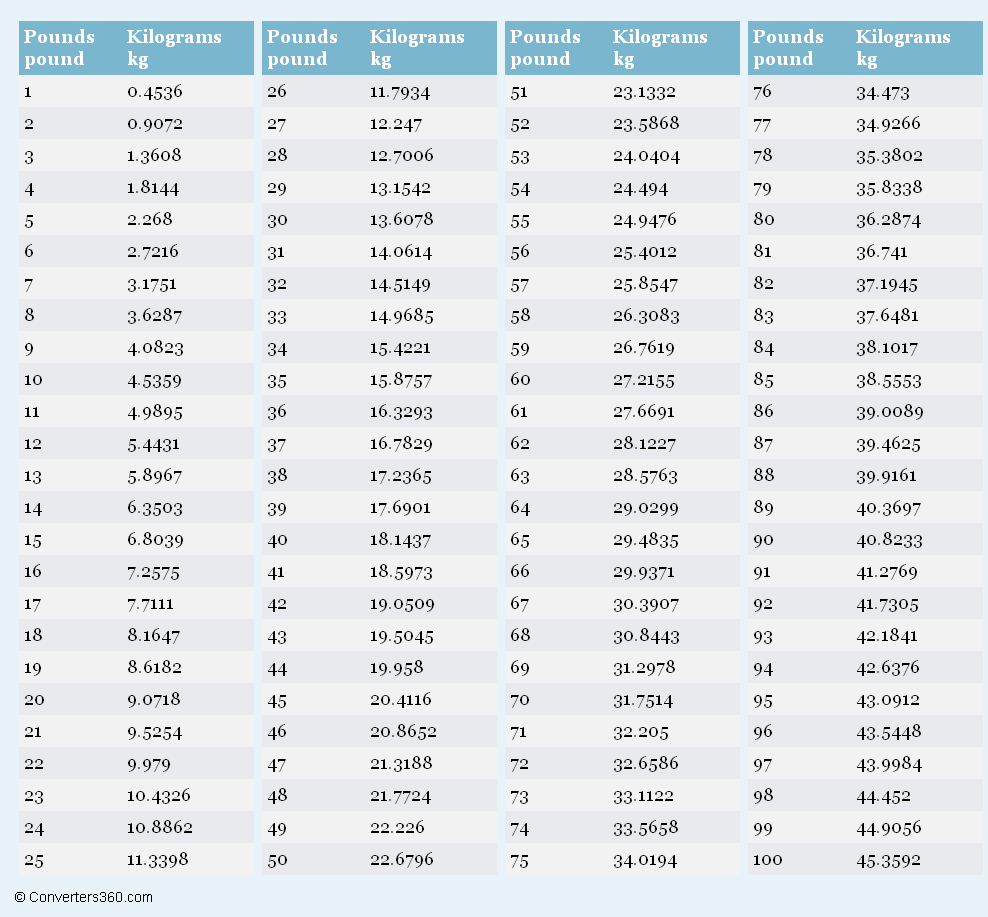
Understanding the Height And Weight Chart Pounds
A Height And Weight Chart Pounds is designed to present a clear picture of how your child’s height and weight compare to established norms. These charts typically display age along one axis and weight on the other, allowing you to see if your child is within a healthy range.
How to Read the Chart
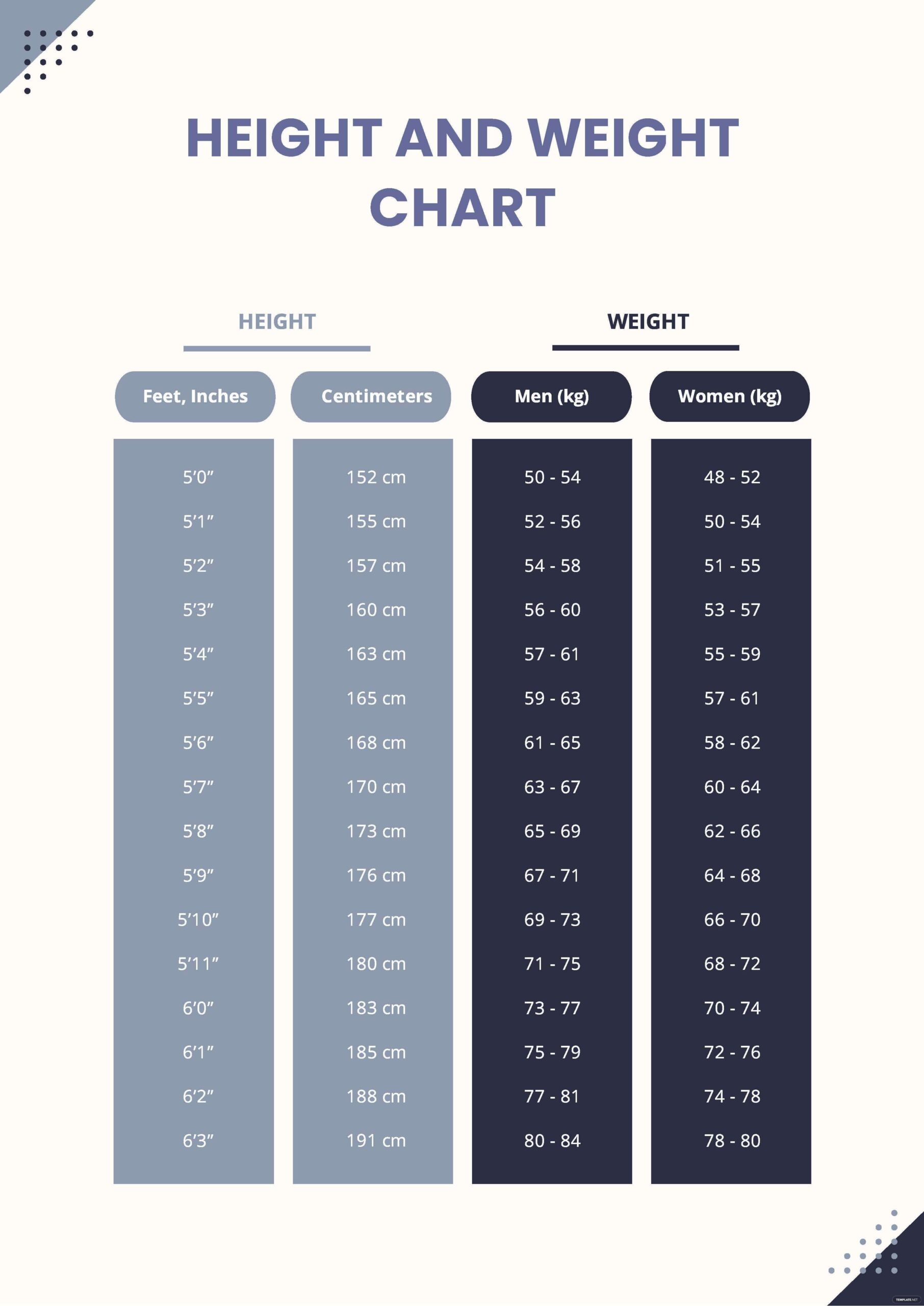
When you look at the chart, you’ll see a series of lines. Each line represents a percentile, which indicates how your child’s measurements compare to those of others. For example, if your child is in the 50th percentile for weight, it means they weigh more than 50% of children their age.
To read the chart effectively:
- Locate your child’s age on the bottom axis.
- Find your child’s height on the left side.
- Identify the corresponding weight on the chart.
- Check the percentile lines to see how your child’s measurements compare.
Understanding this information can help you recognize if your child is growing appropriately or if there might be any concerns worth discussing with your pediatrician.
Downloading and Printing Your Chart
You can easily find printable versions of the Height And Weight Chart Pounds online. Here’s how to get started:
- Search for downloadable templates that meet your needs. Look for charts that are specifically designed for children, as these will provide the most relevant data.
- Choose the format that works best for you. PDFs are often ideal because they maintain formatting and are easy to print.
- Download the file to your computer or device. Ensure you have a reliable PDF reader installed, which will help avoid any formatting issues during printing.
- Print the chart using standard letter-sized paper (8.5 x 11 inches). If you plan to use the chart frequently, consider printing on cardstock for durability.
It’s best to print in a portrait layout as it fits most home printers well and allows for easy storage in a binder or folder.
Filling Out the Chart
Once you have your Height And Weight Chart Pounds printed, it’s time to fill it out. Here’s a step-by-step process to make it easy:
- Gather your child’s measurements. You’ll need their current height and weight, which can be measured at home or during a visit to the doctor.
- Write down the date when the measurements were taken. Keeping a record helps you track growth over time.
- Locate your child’s age on the chart and mark their height along the left side.
- Find the corresponding weight for that height and draw a line or mark where they fall on the chart.
- Repeat this process every few months. Regular updates will help you see trends in your child’s growth.
Filling out the chart regularly can be a fun activity to do together, and it allows you to celebrate milestones like growth spurts or weight gain.
When to Use Digital Vs. Print Versions
Deciding whether to use a digital or printed version of the Height And Weight Chart Pounds can depend on your personal preference and needs. Here are some thoughts on each option:
Digital Versions
- Convenience: You can fill in a digital PDF on your computer or tablet, which makes it easy to update without needing to print multiple copies.
- Storage: Digital files can be easily organized and accessed over time without taking up physical space.
- Sharing: You can easily share digital versions with healthcare providers if needed.
Printed Versions
- Tactile Experience: Some people prefer to write things down by hand, which can feel more personal and engaging.
- Display: A printed chart can be hung on the fridge or in a child’s room, serving as a visual reminder of their growth journey.
- Durability: If printed on cardstock, it can withstand being handled more than standard paper, making it great for frequent use.
Both options have their merits, so choose what fits best with your family’s routine.
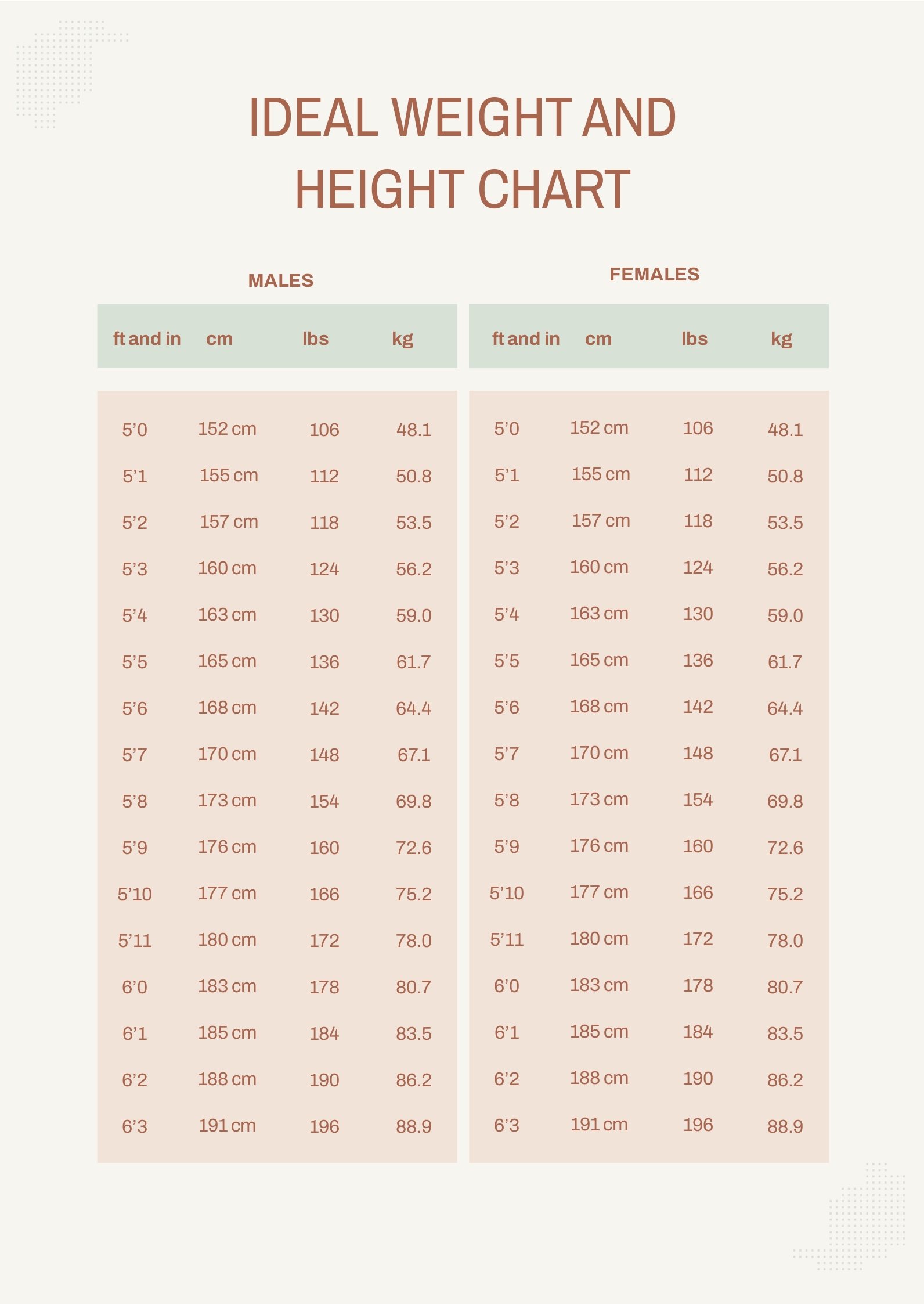
Recognizing Growth Patterns
As you fill out the Height And Weight Chart Pounds over time, take a moment to reflect on the patterns you see. Is your child consistently in a certain percentile? Have there been any significant jumps or drops? Understanding these patterns can provide insight into their health.
Monitoring for Changes
If you notice any concerning trends, such as a sudden drop in weight or height growth, it might be a good time to consult with a pediatrician. They can provide guidance and support to ensure your child is on the right track.
Using a Height And Weight Chart Pounds can be a rewarding way to engage with your child’s health journey. It’s not just about numbers; it’s about tracking their growth and understanding their development in a tangible way.
A specific detail to keep in mind is that the World Health Organization and CDC both provide guidelines and resources that can help you interpret growth charts accurately, ensuring you’re using the most reliable data available.
