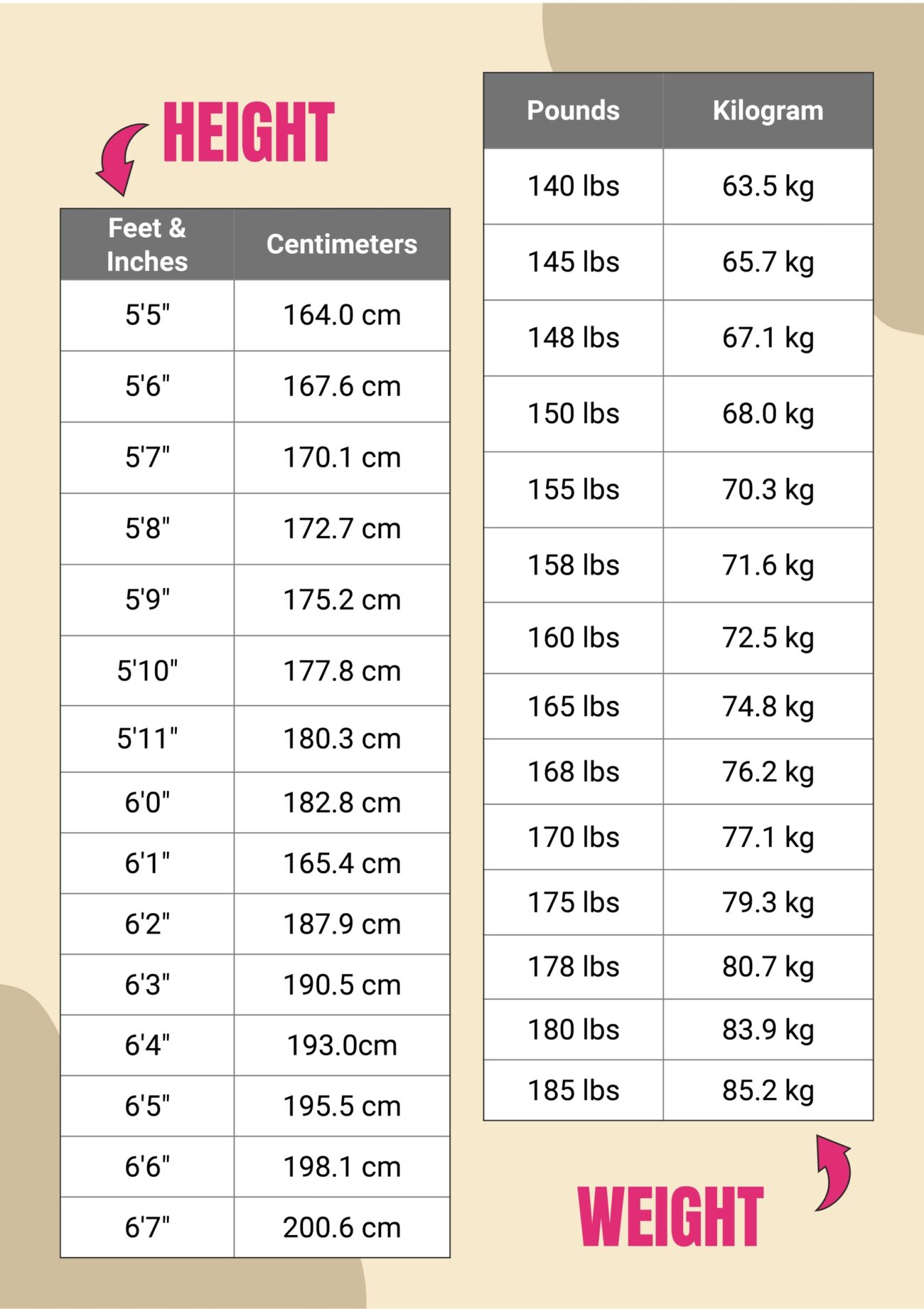
When it comes to managing health and wellness, having a reliable reference can make all the difference. The Chart For Weight According To Height is a fantastic tool that helps you understand where you stand in terms of weight relative to your height. This chart is more than just numbers; it serves as a visual guide to help you set realistic health goals, If you are looking to maintain, gain, or lose weight.
Understanding the Layout of the Chart
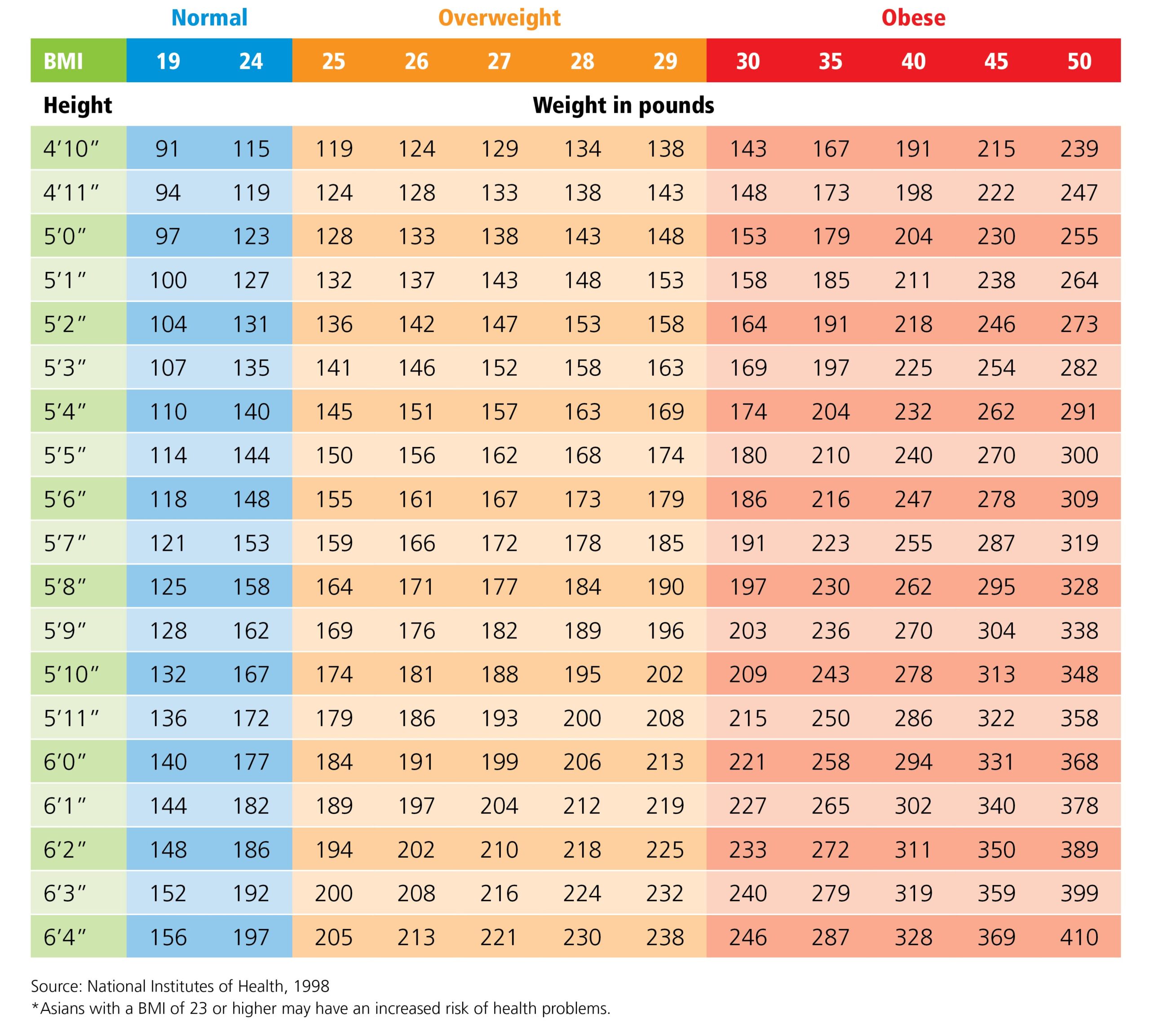
The Chart For Weight According To Height typically features a grid layout, where one axis lists various heights and the other axis displays corresponding weight ranges. This design allows you to quickly find your height and see the recommended weight range for that height.
You’ll notice that the chart is usually color-coded, which helps to visually differentiate between underweight, healthy weight, overweight, and obese categories. This feature is particularly useful if you’re using the chart as part of a health program or to track progress over time.
When filling out the chart, you can either print it out and write on it or use a fillable PDF version if available. Digital completion has its advantages. For instance, you can easily save your progress and update it as needed without needing to print a new copy each time. However, if you prefer the tactile experience of writing by hand, a printed version can be satisfying and helps some people engage more personally with their goals.
How to Read the Chart Effectively
Reading the Chart For Weight According To Height is straightforward, but knowing how to interpret the information is key. Start by locating your height on the left side of the chart. Once you find your height, move horizontally across the row to see the range of weights considered healthy for that height.
It’s important to remember that this chart provides a general guideline. Individual factors like muscle mass, bone density, and overall body composition can influence what is considered a healthy weight for you. Therefore, while the chart is a great starting point, it’s wise to consult with a healthcare professional for personalized advice.
To make the most of the chart, consider marking your current weight next to your height. This visual cue can help you see where you stand in relation to the recommended ranges. If you’re tracking your weight over time, it might be beneficial to create a separate tracking sheet where you can log your weight weekly or monthly.
Integrating the Chart Into Your Health Routine
Incorporating the Chart For Weight According To Height into your health routine can be beneficial in several ways. First, it can serve as a motivational tool. When you see your progress, it can inspire you to keep going.
You might use this chart as part of a broader health and fitness program. For example, if you’re working with a nutritionist or personal trainer, they can help interpret your chart results and customize a plan that suits your needs.
Another strategy is to use the chart in conjunction with a food diary. By logging your meals and comparing them to your weight goals as indicated on the chart, you can gain a better understanding of how your diet affects your weight. This holistic approach ensures that you’re not just focusing on weight but also on the quality of the food you consume.
Digital Vs. Print: Which Is Better for You?
When deciding between using a digital or printed version of the Chart For Weight According To Height, consider what fits best with your lifestyle. Digital versions, particularly fillable PDFs, allow for easy updating and storage. They can be accessed from various devices, making it convenient to check your progress on the go.
On the other hand, printed charts can be placed in visible locations, like on your fridge or a bulletin board, serving as a constant reminder of your goals. Writing things down can help reinforce your commitment to your health journey, making it more tangible.
If you’re inclined to print, consider using high-quality paper or cardstock, especially if you plan to laminate the chart for durability. This will allow you to use dry-erase markers, making it easy to track changes without needing to print multiple copies.
The Importance of Context in Weight Management
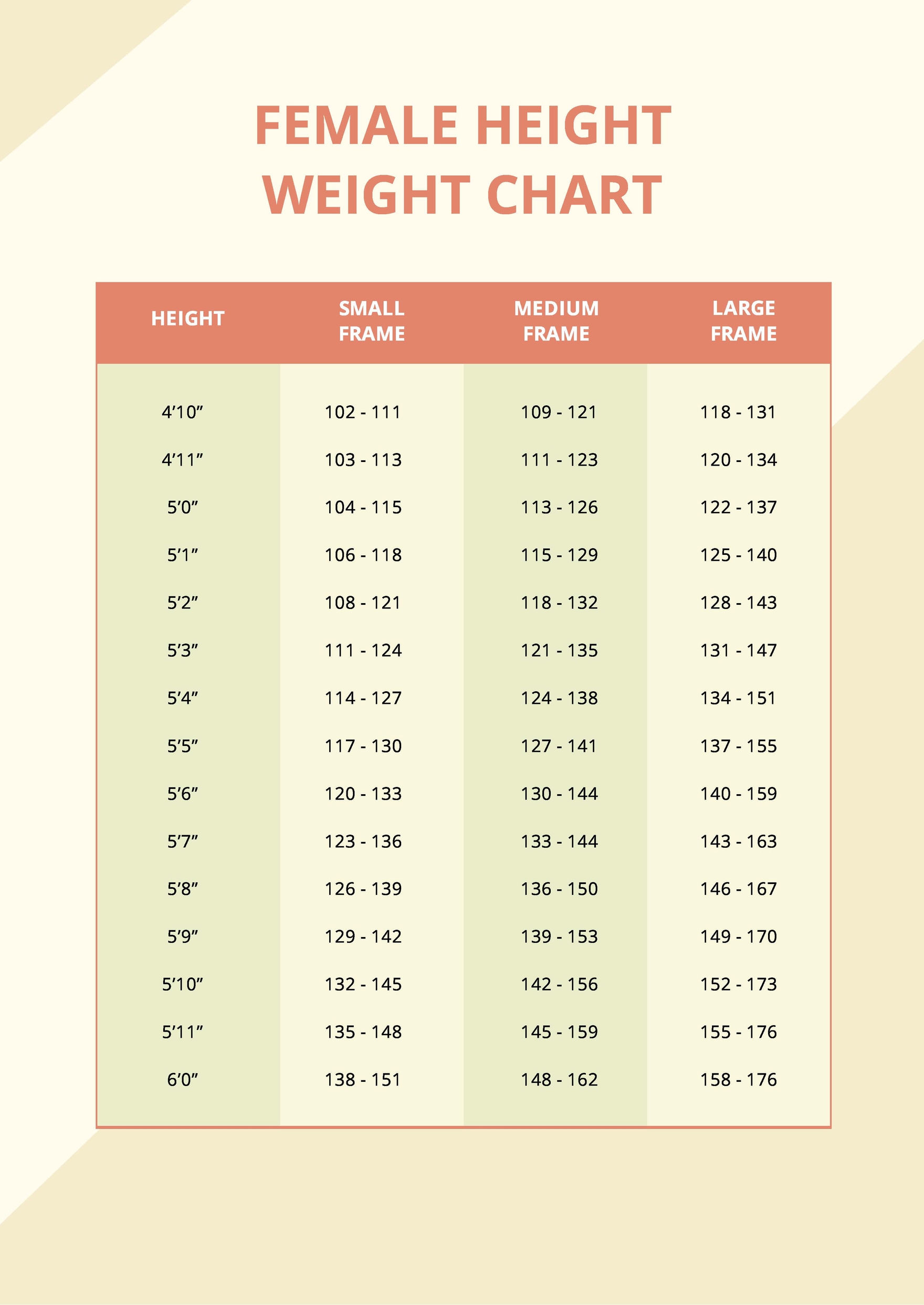
While the Chart For Weight According To Height is a useful tool, it’s critical to view it in the context of your overall health. Factors like age, sex, activity level, and muscle mass all play significant roles in determining what a healthy weight is for you.
Always remember that health is not solely defined by weight. It’s about feeling good, being active, and maintaining a balanced lifestyle. Use the chart to guide your decisions, but don’t let it dictate your self-worth or your health journey.
If you’re looking for an additional resource, consider keeping a health journal alongside the chart. This can help you document not just your weight, but also your feelings, energy levels, and any other health-related observations.
The single most useful detail to consider when using the Chart For Weight According To Height is that it’s just one piece of the puzzle. Your journey to health is personal, and the chart is there to support you, not define you.
