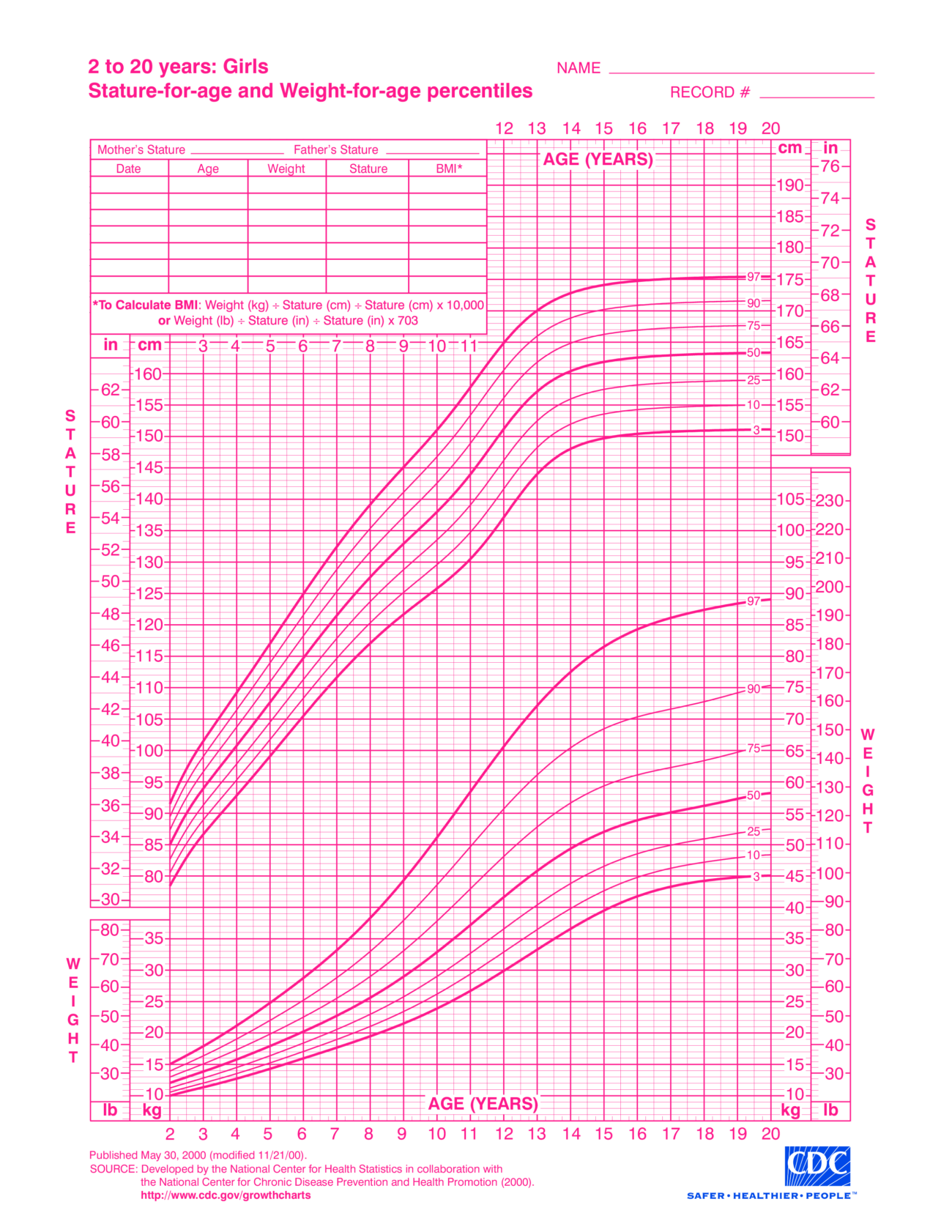
Maintaining a healthy weight is essential for overall well-being, especially as we age. A Height Weight Chart By Age is a helpful tool for anyone looking to track their growth and assess their health. This chart provides a clear visual representation of the healthy weight range corresponding to different heights and ages, making it easier to see where you or your child stands. Understanding how to read and fill out this chart can empower you to set realistic health goals.
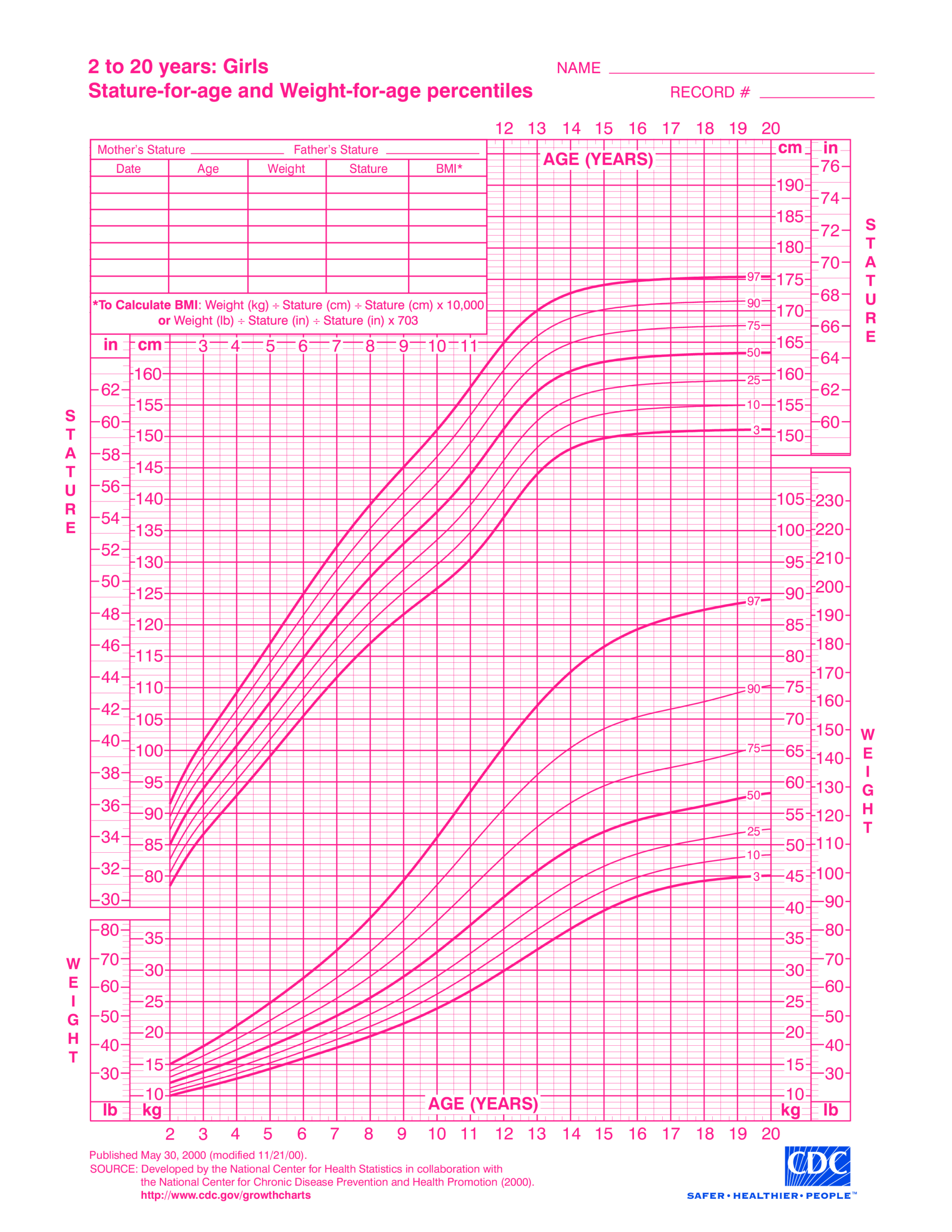
Understanding the Layout of a Height Weight Chart
Typically, a Height Weight Chart By Age will feature two axes: one for height (often measured in inches or centimeters) and another for weight (in pounds or kilograms). The intersection of these axes indicates the recommended weight range for a given height.
When using the chart, you’ll want to locate the height first. From there, move horizontally to find the corresponding weight range. This visual guide makes it easy to see if you fall within a healthy range or if adjustments are needed.
Common Sections to Look For
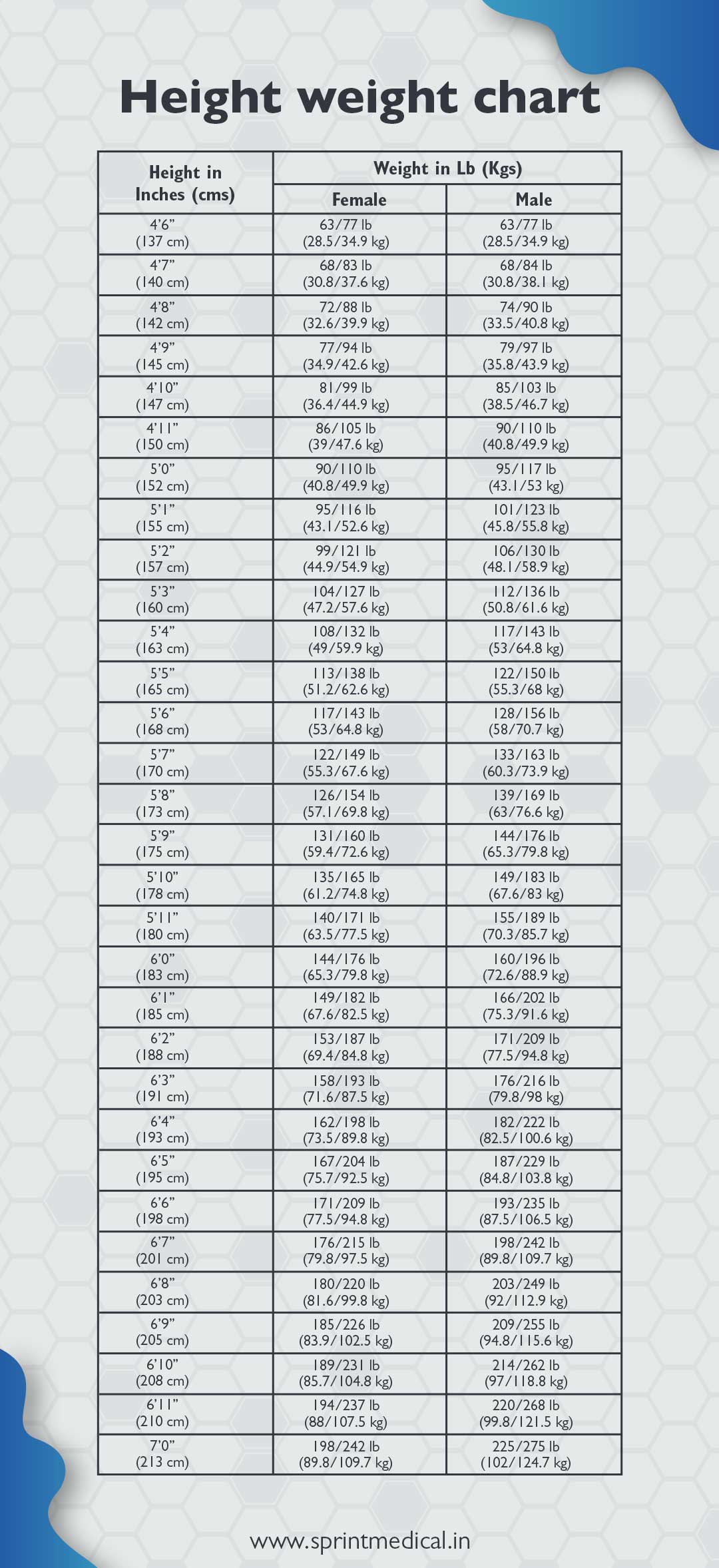
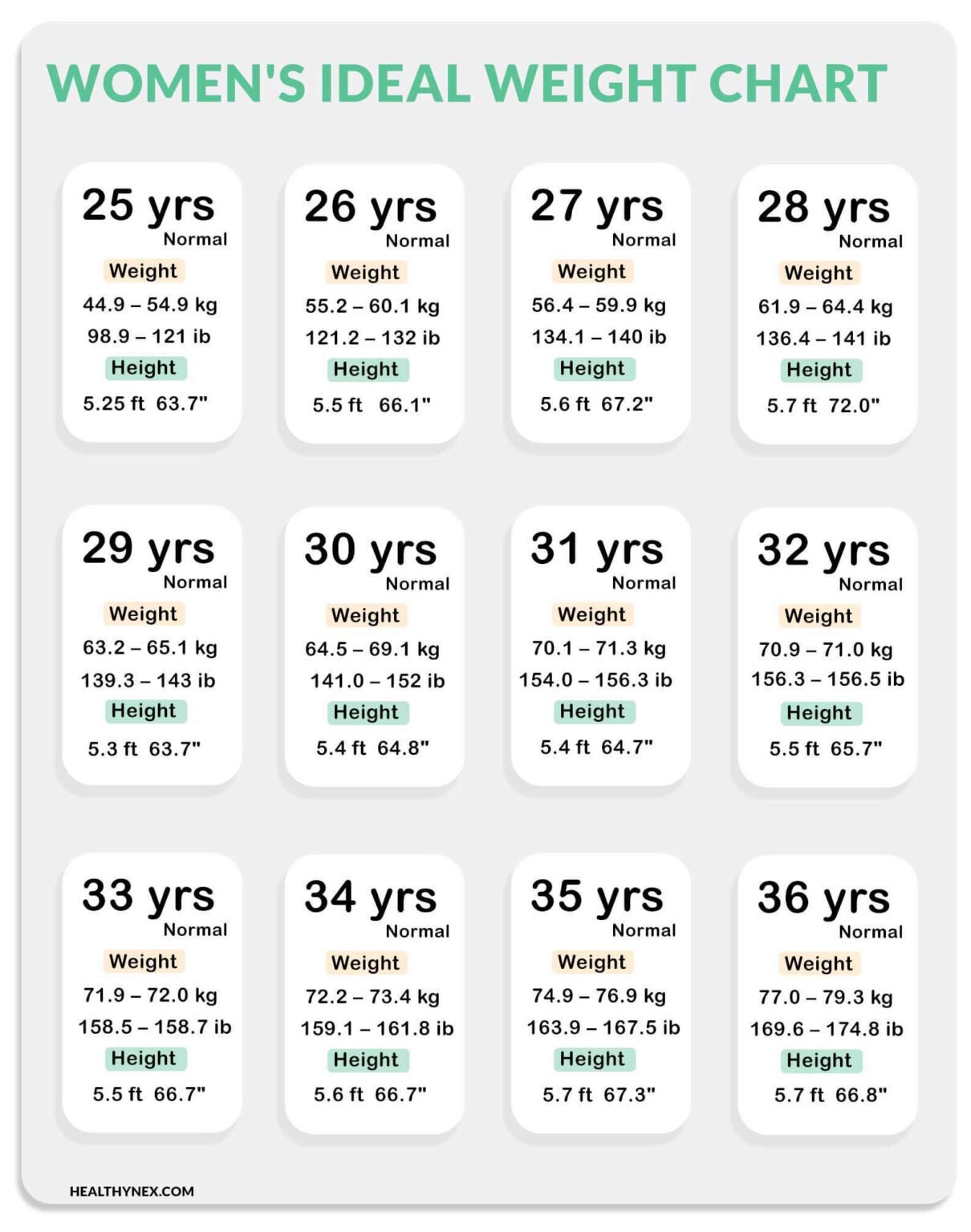
- Age Groups: Many charts break down weight recommendations by age. You’ll often see separate sections for children, teenagers, and adults. This differentiation is crucial, as growth patterns vary significantly across different life stages.
- Weight Categories: The chart usually includes categories such as underweight, healthy weight, overweight, and obese. This classification helps you quickly identify where you might fit within the spectrum.
- BMI Information: Some Height Weight Charts also provide Body Mass Index (BMI) ranges, which can be beneficial for a deeper understanding of health relative to both height and weight.
How to Fill Out the Chart
Filling out a Height Weight Chart By Age is straightforward, but preparation is key. Here’s how you can do it effectively:
- Gather Necessary Information: Before you start, have your height and weight ready. It’s best to measure your height without shoes and to weigh yourself at the same time of day for consistency.
- Locate Your Height: Start by finding your height on the left side of the chart. This will guide you to the appropriate row.
- Identify Your Weight: Next, move across that row to find where your weight falls. If you’re using the chart for a child, make sure to refer to the correct age group section, as children grow rapidly and their weight expectations differ.
- Mark Your Position: You might want to highlight or circle your position on the chart. This visual cue can help you track changes over time and motivate you to maintain or reach your health goals.
Tips for Accurate Measurements
- Use a Stadiometer: For the best accuracy in height measurements, use a stadiometer instead of a tape measure.
- Weigh Yourself Regularly: Weighing yourself weekly or bi-weekly can help you see trends and adjust your eating or exercise habits accordingly.
- Consider Growth Patterns: If you’re using the chart for a child or teenager, remember that growth spurts are normal and can temporarily affect weight.
The Importance of Tracking Progress
Using a Height Weight Chart By Age is not just about finding a single point in time; it’s about tracking progress. Regularly checking your height and weight against the chart can provide insights into your health journey.
Setting Goals
With this chart in hand, you can set realistic, measurable goals. For instance, if you discover that you’re at the higher end of the healthy range, you might choose to incorporate more physical activity into your routine. Conversely, if you’re on the lower end, you could focus on nutrient-dense foods to gain weight healthily. Setting these goals becomes easier with a visual reference point.
Regular Check-Ins
Make it a habit to revisit the chart periodically. Whether it’s monthly or quarterly, regular check-ins can help you stay accountable. If you’re monitoring a child’s growth, consider having family discussions about health and wellness, reinforcing the importance of a balanced lifestyle.
The chart can also serve as a discussion starter with healthcare providers during routine check-ups. It provides a clear context for any weight-related conversations, ensuring that you’re informed and prepared.
Choosing the Right Format for Your Needs
Height Weight Charts can come in various formats, so consider which option will work best for you.
- Printable PDFs: Many websites offer downloadable charts in PDF format. These are easy to print and hang somewhere visible, like on your fridge or in a planner.
- Digital Apps: Some health apps include integrated height and weight tracking features. If you prefer digital tools, this could be a convenient option.
- Physical Copies: If you like the tactile experience of paper, you might want to create a physical version in a binder where you can add notes or additional health metrics.
By choosing the right format, you can ensure that tracking your progress is both accessible and motivating.
In summary, a Height Weight Chart By Age is a valuable resource for anyone looking to manage their health effectively. Understanding its layout, knowing how to fill it out, and regularly tracking your progress can make all the difference in achieving your health goals. Whether you opt for a printable version or a digital app, taking the time to engage with this tool is a step toward better health management.
