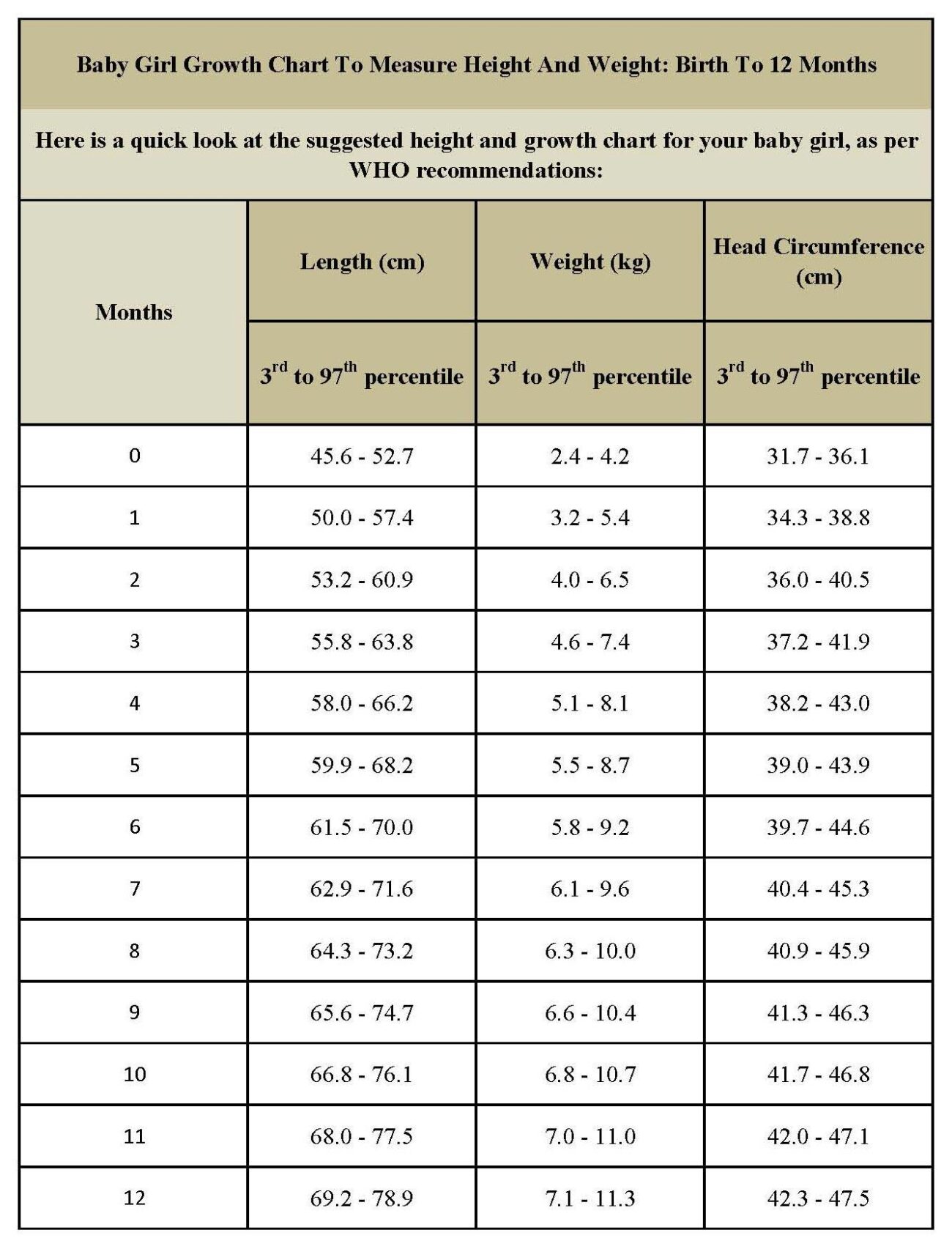
Tracking your child’s growth is essential for ensuring they are developing healthily. A Growth Chart for Height and Weight is a handy tool for parents looking to monitor their little ones’ growth patterns over time. These charts not only help you keep a record but also give insight into how your child compares to peers, which can be particularly useful during pediatric check-ups. Let’s explore how to use these charts effectively, what information they provide, and how to integrate them into your routine.
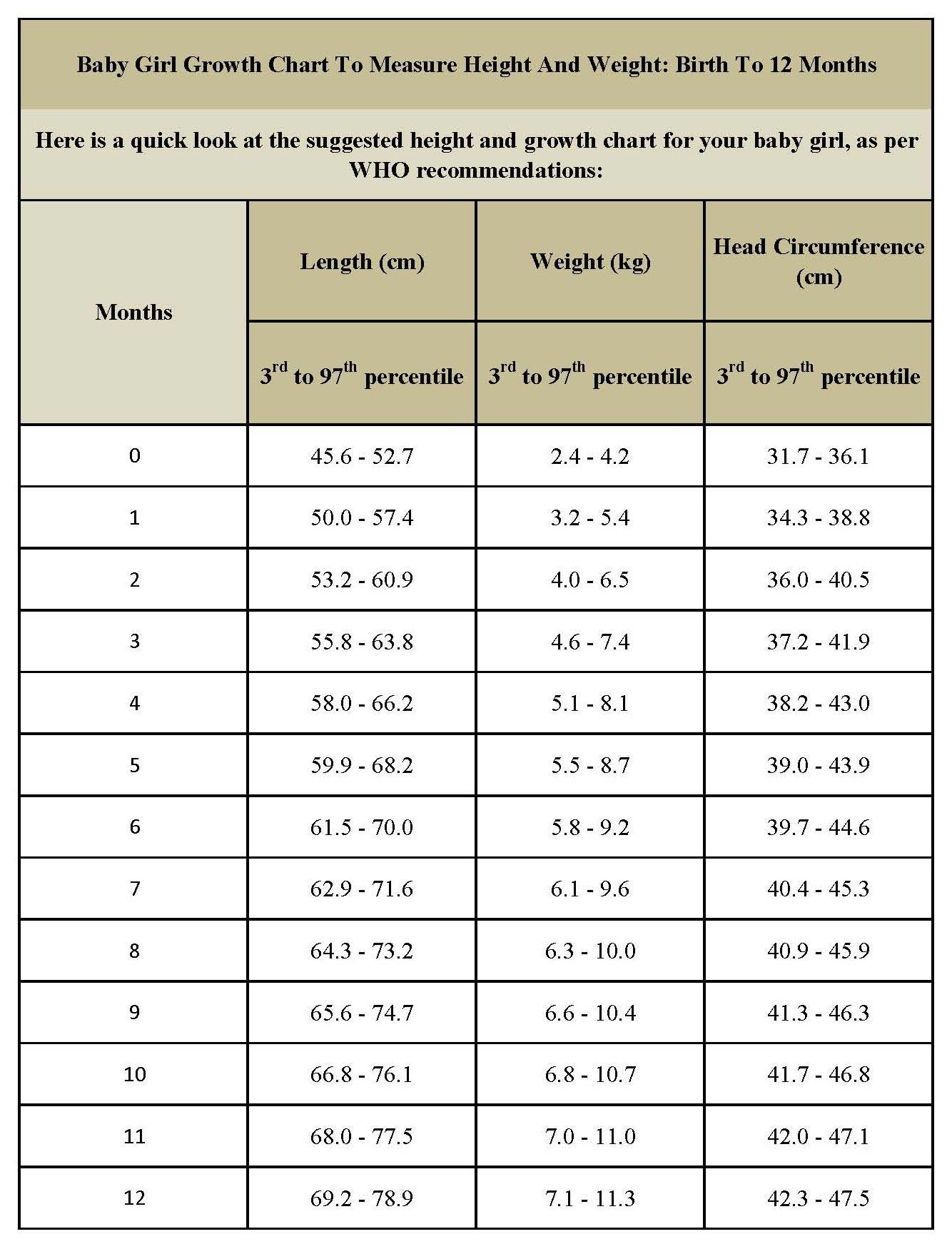
Understanding the Growth Chart Layout
A typical growth chart is divided into several key elements that make it easy to understand your child’s growth trajectory. The horizontal axis usually represents age, while the vertical axis represents height or weight. Most charts include percentile lines that show where your child falls compared to a reference population.
Key Components of the Chart
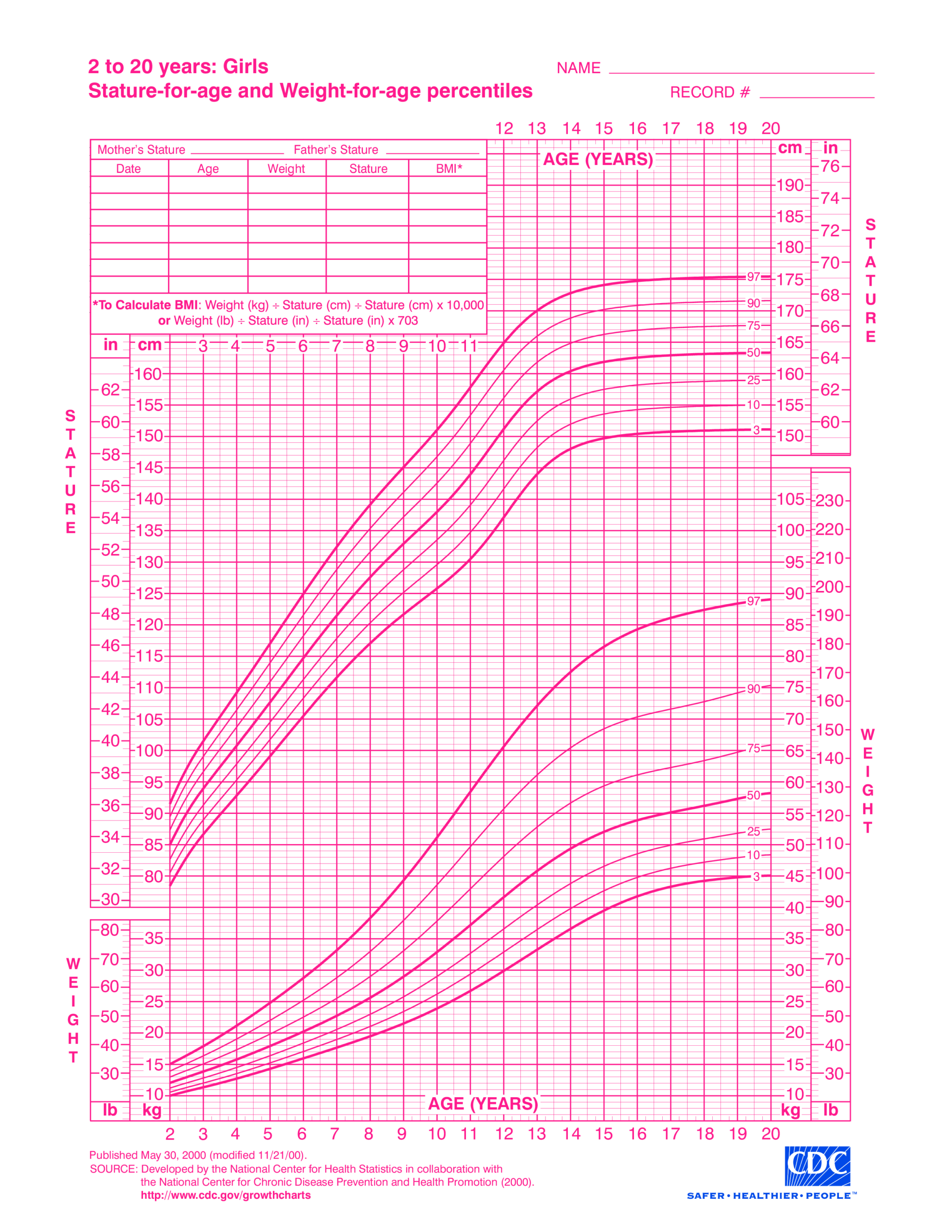
- Age Range: Growth charts are often segmented by age, typically from birth to 18 years. Make sure you’re using the right chart for your child’s age group.
- Percentiles: These lines help you see how your child’s measurements compare to others. For example, being in the 50th percentile means your child is taller or heavier than 50% of children their age.
- Measurement Units: Charts may use centimeters or inches for height and kilograms or pounds for weight. Make sure you know the units to avoid confusion.
By understanding these components, you can easily fill in the chart and interpret the results effectively.
How to Fill Out the Growth Chart
Filling out a Growth Chart for Height and Weight can be a straightforward process if you follow a few steps.
- Measure Accurately: Use a stadiometer for height and a reliable scale for weight. Make sure your child is standing straight and barefoot for the most accurate height reading.
- Record the Measurements: Write down your child’s height and weight along with the date. This helps you track changes over time.
- Plot the Points: Locate your child’s age on the horizontal axis, then find the corresponding height or weight on the vertical axis. Mark the point where these intersect.
- Draw a Line: Connect the points from each measurement to visualize growth trends. This will help you see if there are any concerning dips or spikes.
Integrating this practice into your routine can simplify your child’s health tracking and provide valuable information for healthcare visits.
Where to Use the Growth Chart
Growth charts can be used in various settings, including:
- Home: Keep a personal log of your child’s growth. This can be a fun activity to do together, especially if you involve them in measuring.
- Doctor’s Office: Bring your filled-out chart to pediatric appointments. It can provide your doctor with a visual history of your child’s growth.
- School Health Checkups: Often, schools may conduct health screenings. Having your chart ready can help in discussions about your child’s health.
Being proactive about tracking your child’s growth can help catch any potential issues early.
Common Mistakes to Avoid
While using a Growth Chart for Height and Weight is straightforward, there are some common pitfalls to watch out for:
- Inaccurate Measurements: Ensure that the measuring equipment is calibrated and your child is measured in the same conditions each time (e.g., same time of day, similar clothing).
- Ignoring Percentiles: Don’t panic if your child falls below the 50th percentile; every child grows at their own pace. It’s important to focus on the overall trend rather than a single point.
- Not Updating Regularly: Make it a habit to update the chart regularly—every few months is ideal. This frequency helps you monitor growth patterns accurately.
By being mindful of these common mistakes, you can ensure that the growth chart serves its purpose effectively.
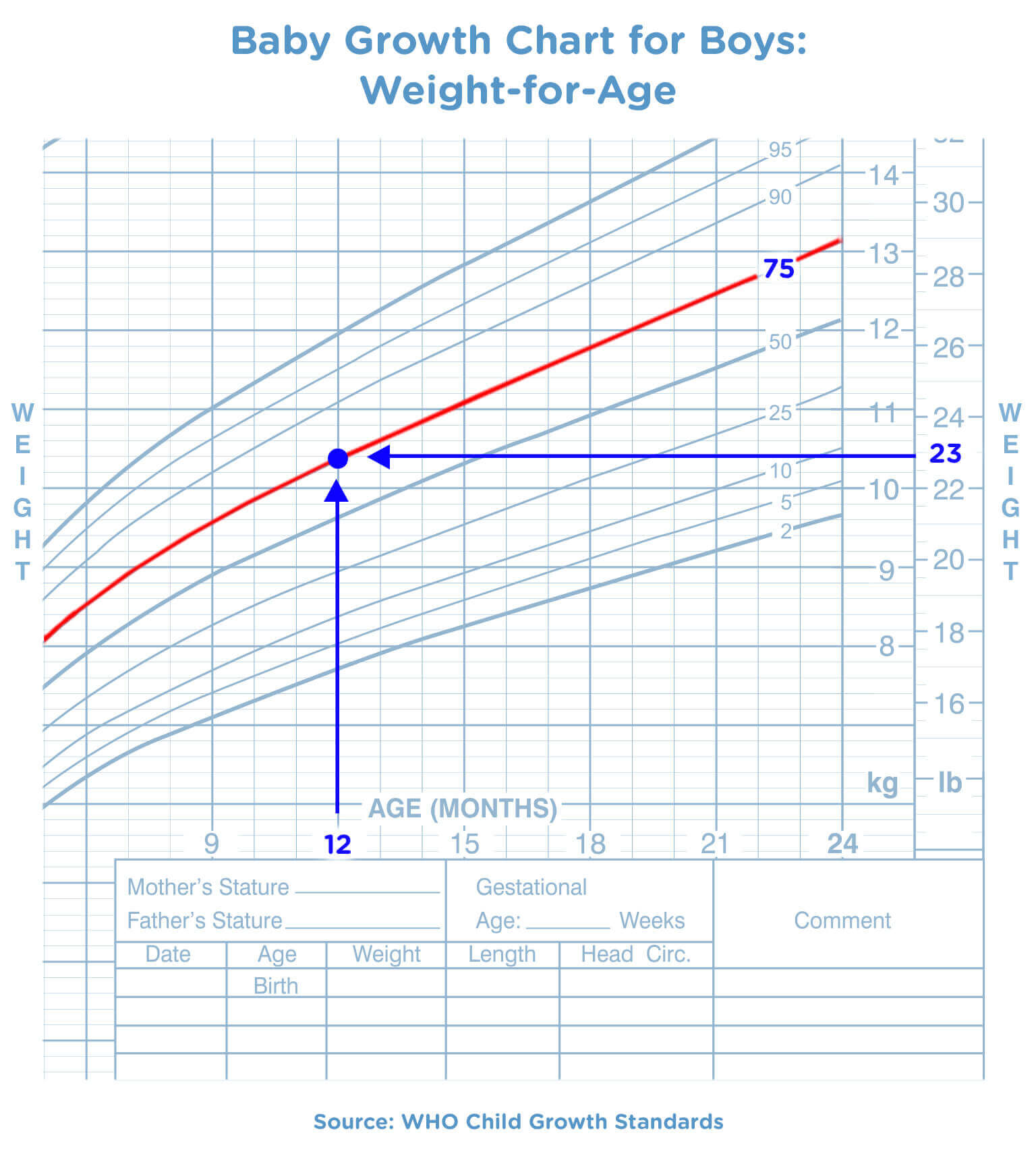
Finding and Downloading Growth Charts
If you’re looking for a Growth Chart for Height and Weight, many printable resources are available online. Here are a few tips for finding the right one:
- Official Health Sources: Websites like the CDC and WHO offer downloadable growth charts that are reliable and accurate.
- Personalized Options: Some resources allow you to customize charts based on your child’s age and gender, which can provide more relevant comparisons.
- Formats: Look for PDFs that are easy to print. A landscape layout often works better for home printers, providing a clear view of the growth trajectory.
Having a physical copy of the chart can make it easier to fill out and reference during health check-ups.
Using a Growth Chart for Height and Weight is a practical way to ensure your child’s growth is on track. By measuring accurately, filling out the chart diligently, and understanding its components, you can be actively involved in your child’s health journey. It’s all about making informed decisions based on the data you collect, and with the right tools, you can do just that.
