A Height And Weight Chart Percentile is an essential tool for tracking growth patterns in children and adolescents. This chart provides valuable insights into whether a child’s height and weight are within a healthy range compared to peers. Understanding percentiles helps parents and caregivers identify potential health issues early on, ensuring that children develop healthily. In this article, I’ll walk you through how to effectively use and interpret this chart, so you can make informed decisions about health and wellness.
Understanding Height And Weight Percentiles
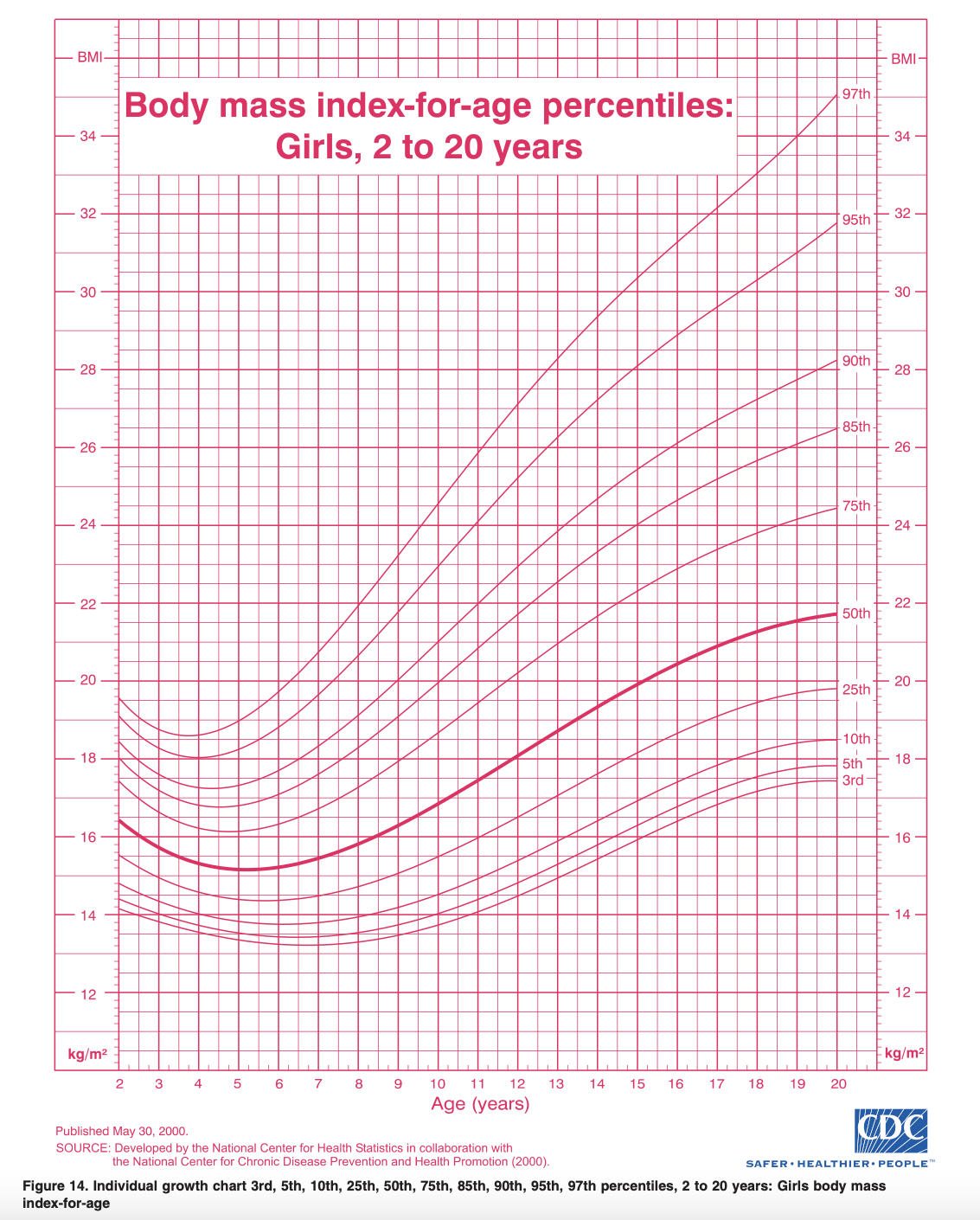
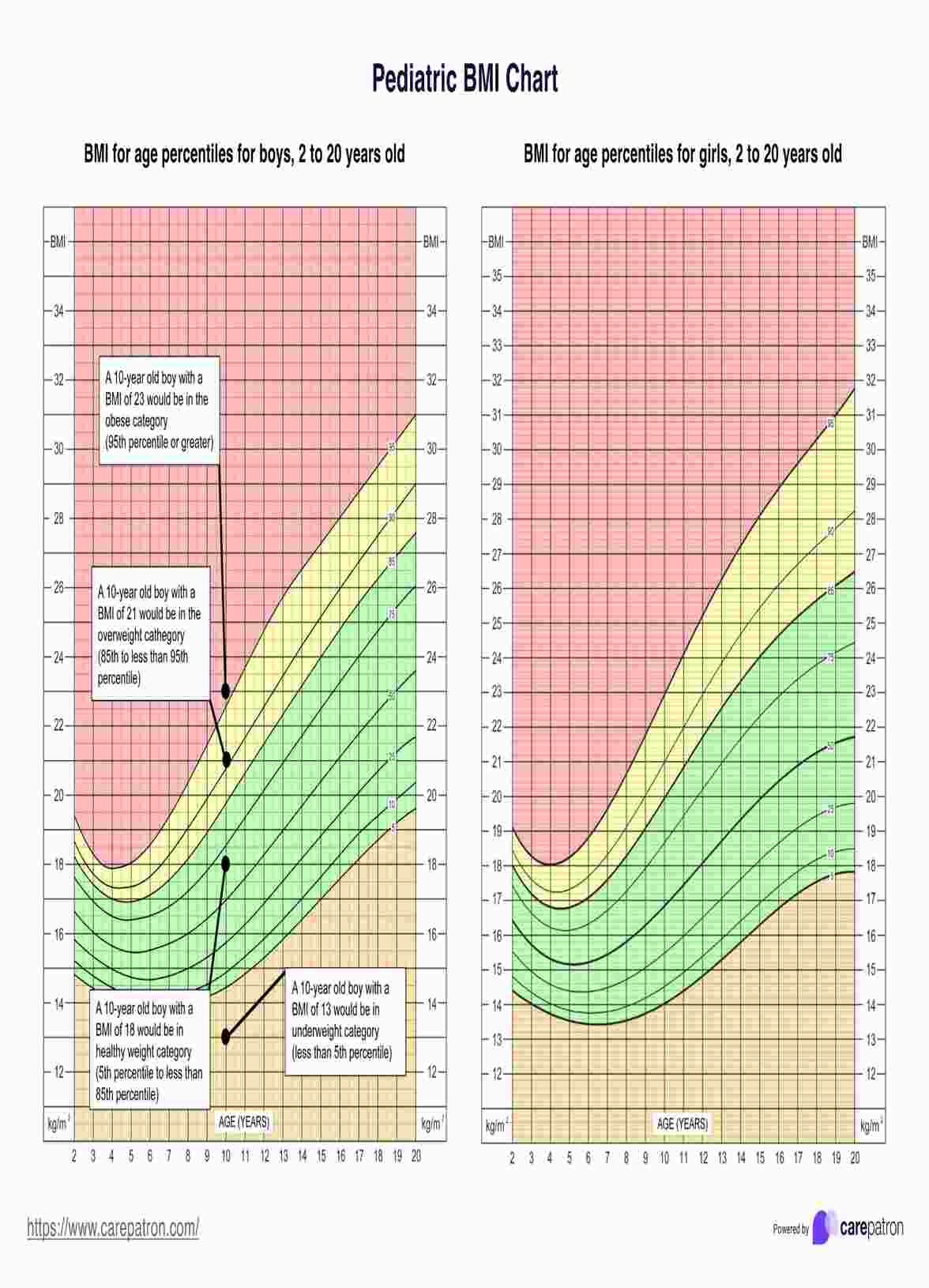
Height and weight percentiles are statistical measures that indicate how a child’s measurements compare to a reference population, typically of the same sex and age. For instance, a child in the 75th percentile for weight is heavier than 75% of their peers. This information is crucial as it helps you visualize where your child stands in terms of growth.
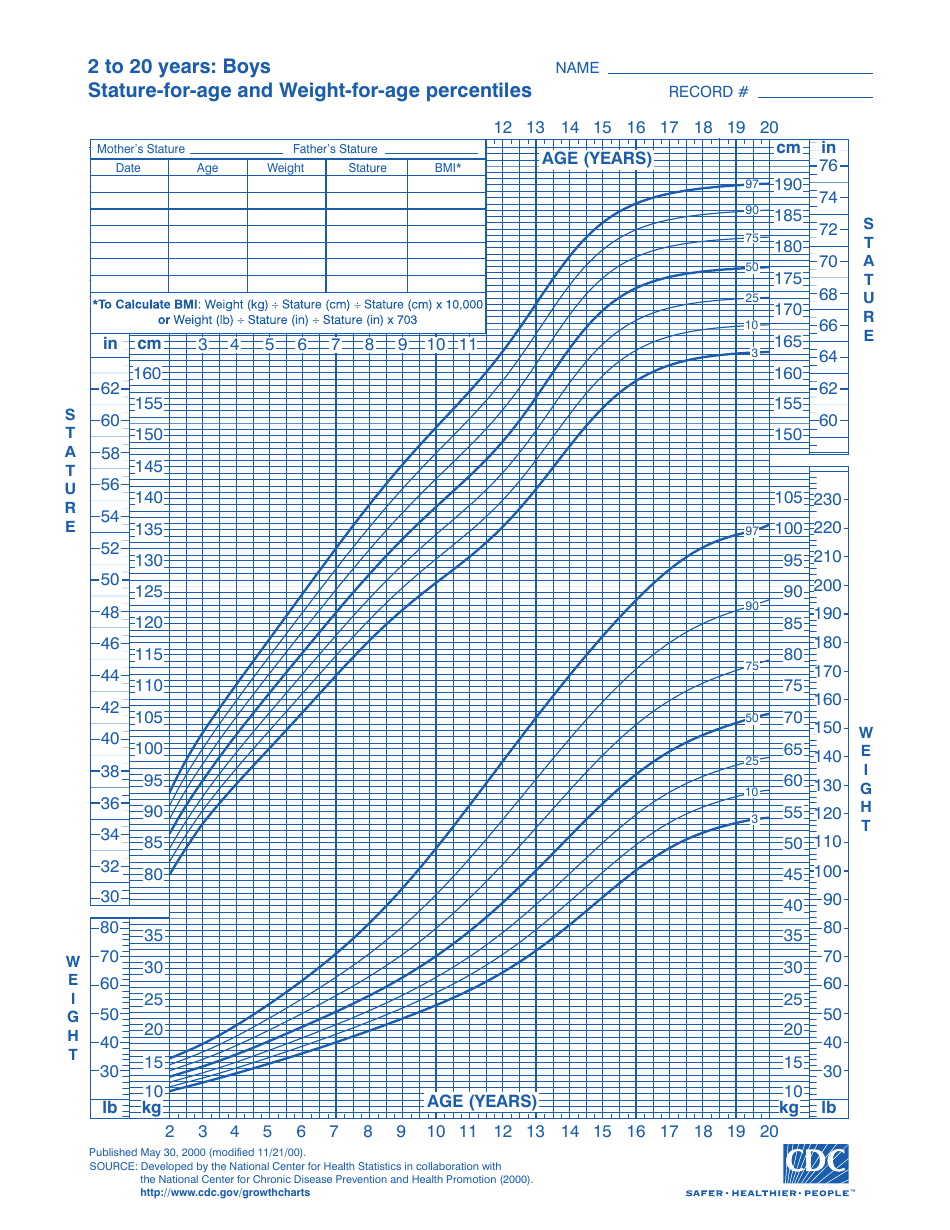
When using a Height And Weight Chart Percentile, you’ll typically find two axes: one for height and one for weight. Each curve or line on the chart represents a different percentile. The most common percentiles used are the 5th, 10th, 25th, 50th (median), 75th, 90th, and 95th. Understanding where your child falls within these ranges can help guide discussions with healthcare providers about nutrition, activity levels, and potential health concerns.
Steps to Use the Height And Weight Chart Percentile
Using a Height And Weight Chart Percentile effectively involves a few straightforward steps:
- Obtain Accurate Measurements: Start by measuring your child’s height and weight accurately. Use a stadiometer for height and a digital scale for weight to ensure precision. For children, you may want to record these measurements regularly, perhaps monthly or quarterly.
- Locate the Appropriate Chart: You can find printable Height And Weight Charts online, often provided by pediatric organizations or health departments. Make sure to choose the chart that corresponds to your child’s age and sex, as growth patterns differ between boys and girls.
- Plot the Measurements: Once you have the measurements, locate the height on the vertical axis and the weight on the horizontal axis of the chart. Find where these two points intersect. This intersection will indicate the percentile for your child.
- Interpret the Results: Determine what percentile your child falls into. If they are in the 50th percentile, they are right in the middle compared to their peers. Being in the 75th percentile indicates they are taller or heavier than 75% of children their age.
- Discuss with Healthcare Providers: After interpreting the results, it’s wise to discuss them with your child’s pediatrician. They can help assess whether your child’s growth is on track and if any additional actions are needed.
Importance of Regular Monitoring
Regularly monitoring your child’s growth using a Height And Weight Chart Percentile is crucial for several reasons:
- Identifying Growth Issues: Tracking percentiles over time can reveal growth delays or excessive weight gain. Early identification allows for timely intervention.
- Encouraging Healthy Habits: Understanding where your child stands can motivate families to adopt healthier lifestyles, including better nutrition and increased physical activity.
- Building Health Literacy: As children grow, involving them in discussions about their health can instill a sense of responsibility and awareness about their well-being.
Tips for Effective Use
Here are some practical tips to ensure you’re making the most of your Height And Weight Chart Percentile:
- Use Quality Paper: When printing your chart, use good quality paper. This ensures durability for future reference. Cardstock is a great option if you plan on laminating the chart for long-term use.
- Choose the Right Layout: A portrait layout often works best for charts, especially if you plan to hang it on a wall for quick reference.
- Keep It Handy: Place the chart in a location where you can easily access it, such as a family binder or on the refrigerator. This encourages regular updates.
- Stay Consistent: Try to measure your child at the same time of day and under similar conditions (like after waking up) for consistency in results.
- Be Patient: Growth can be inconsistent, especially during growth spurts. If your child fluctuates between percentiles, it may just be part of their natural growth pattern.
Using a Height And Weight Chart Percentile is not just about numbers; it’s about understanding your child’s growth journey. By regularly tracking these metrics and understanding what they mean, you can make informed decisions that promote a healthier lifestyle for your family. Remember, each child’s growth is unique, and being proactive about their health can set them up for a lifetime of well-being.
