Monitoring your child’s growth is an essential part of parenting, and using a Female Weight Chart By Age can simplify this process. These charts provide a visual representation of weight ranges appropriate for different ages, helping you track your child’s progress over time. With a printable format available, you can easily access and use it whenever you need.
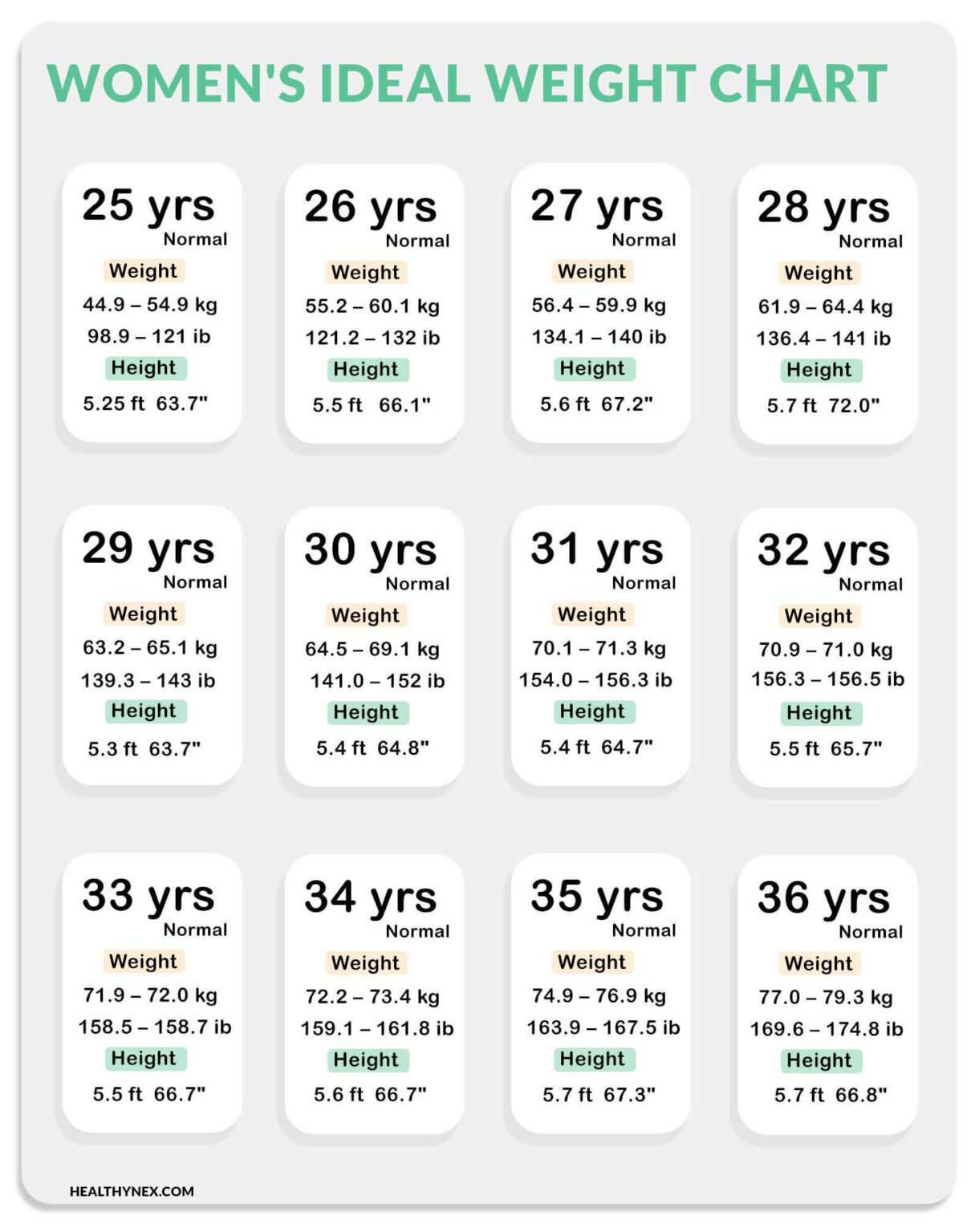
Understanding the Layout of the Chart
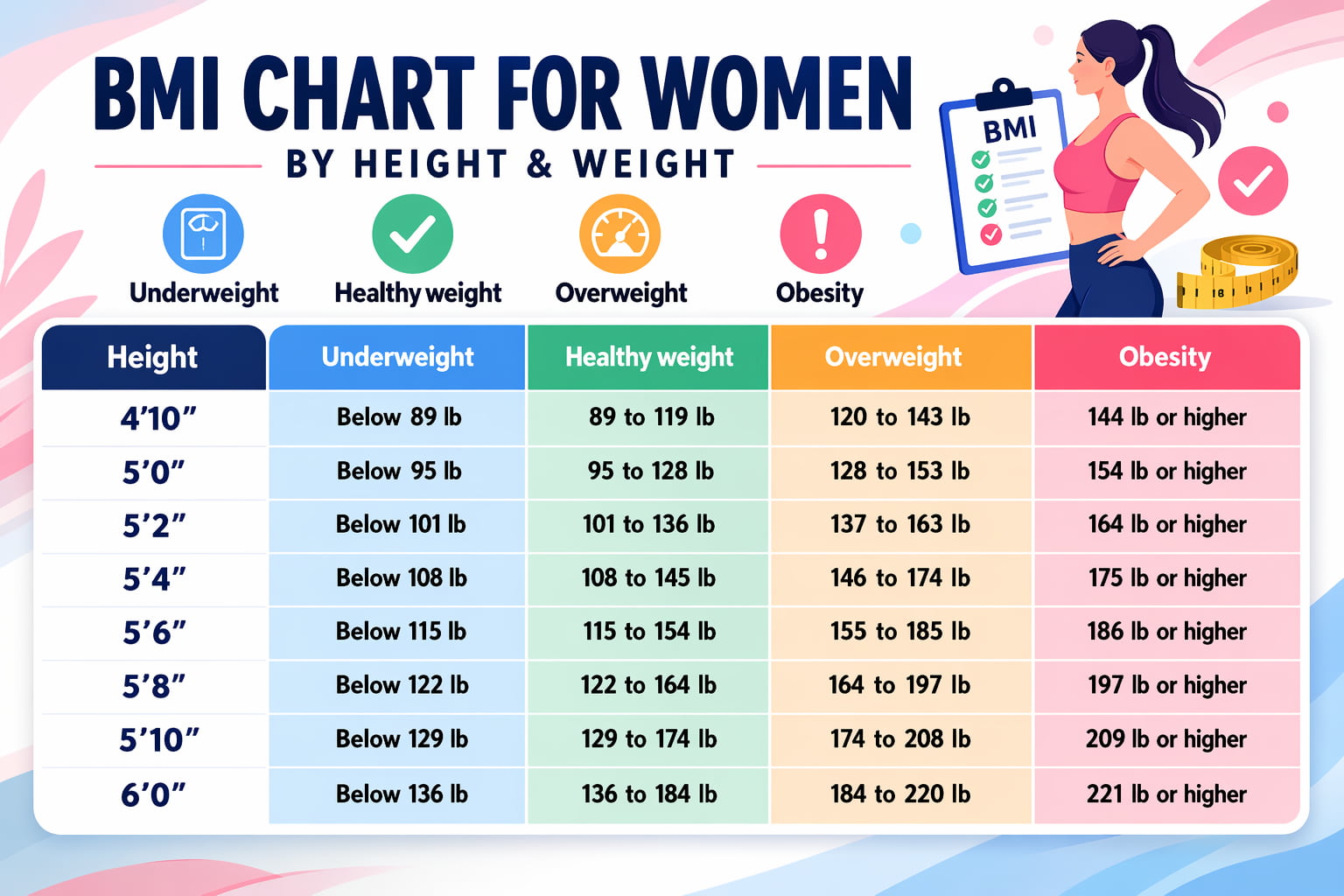
When you first glance at a Female Weight Chart By Age, you’ll notice columns and rows organizing weight and age information effectively. Typically, the chart is divided into age ranges, usually by year or half-year increments. You’ll also find weight ranges displayed alongside these ages, allowing you to compare your child’s weight against established guidelines.
- Age Columns: These will usually run vertically down the left side, clearly marking age increments.
- Weight Rows: Across the top, you’ll see weight categories that correspond to the ages listed.
- Percentiles: Many charts include percentile lines, which indicate how your child’s weight compares to peers.
This layout helps you quickly identify whether your child is within the healthy range for their age. It’s crucial to understand how to read this information, as it’ll assist you in making informed decisions regarding your child’s health and nutrition.
Filling in the Chart
To get the most out of the Female Weight Chart By Age, you’ll want to fill it in accurately. Begin by weighing your child, ensuring you use a reliable scale. Here are some practical steps for filling out the chart:
- Weigh Your Child: Use a digital scale for the best accuracy. Make sure your child is standing straight and still.
- Find Their Age: Locate your child’s current age on the left side of the chart.
- Mark Their Weight: Move horizontally across the row for their age until you reach the corresponding weight. If they fall between two weights, you can note that as well.
- Use Percentiles for Context: Check where their weight falls within the percentiles. This visual aid can help identify any potential concerns.
By regularly updating this chart, you’ll have a clear overview of your child’s growth trajectory, helping you to spot any significant changes that may need addressing.
When to Use the Chart
Incorporating the Female Weight Chart By Age into your routine can be beneficial for tracking growth at key milestones. Here are some ideal times to refer to the chart:
- Annual Check-ups: Bring the chart to your child’s yearly doctor’s appointment to discuss their growth trends.
- Monitoring Diet Changes: If you’ve recently altered your child’s diet or activity level, check in regularly to see how it affects their weight.
- Growth Spurts: During periods of rapid growth, such as puberty, using the chart can provide insight into whether your child is within a healthy weight range.
These moments can provide an excellent opportunity to engage with your child about nutrition and fitness, reinforcing healthy habits.
Printable Formats and Usage Tips
The Female Weight Chart By Age is often available in various printable formats, such as PDF or image files. Here are some tips for making the most of these resources:
- Paper Size: Most charts are designed to fit standard paper sizes like A4 or letter size (8.5 x 11 inches). Printing on heavier cardstock can make the chart more durable.
- Color vs. Black and White: Color charts can be visually appealing and easier to read, but black and white options can save ink and still be effective.
- Laminating: Consider laminating the chart if you plan to use it frequently. This way, you can write on it with dry-erase markers and easily update your child’s weight as needed.
By having a physical copy on hand, you’ll be more likely to engage with it regularly, turning it into a practical tool for tracking progress.
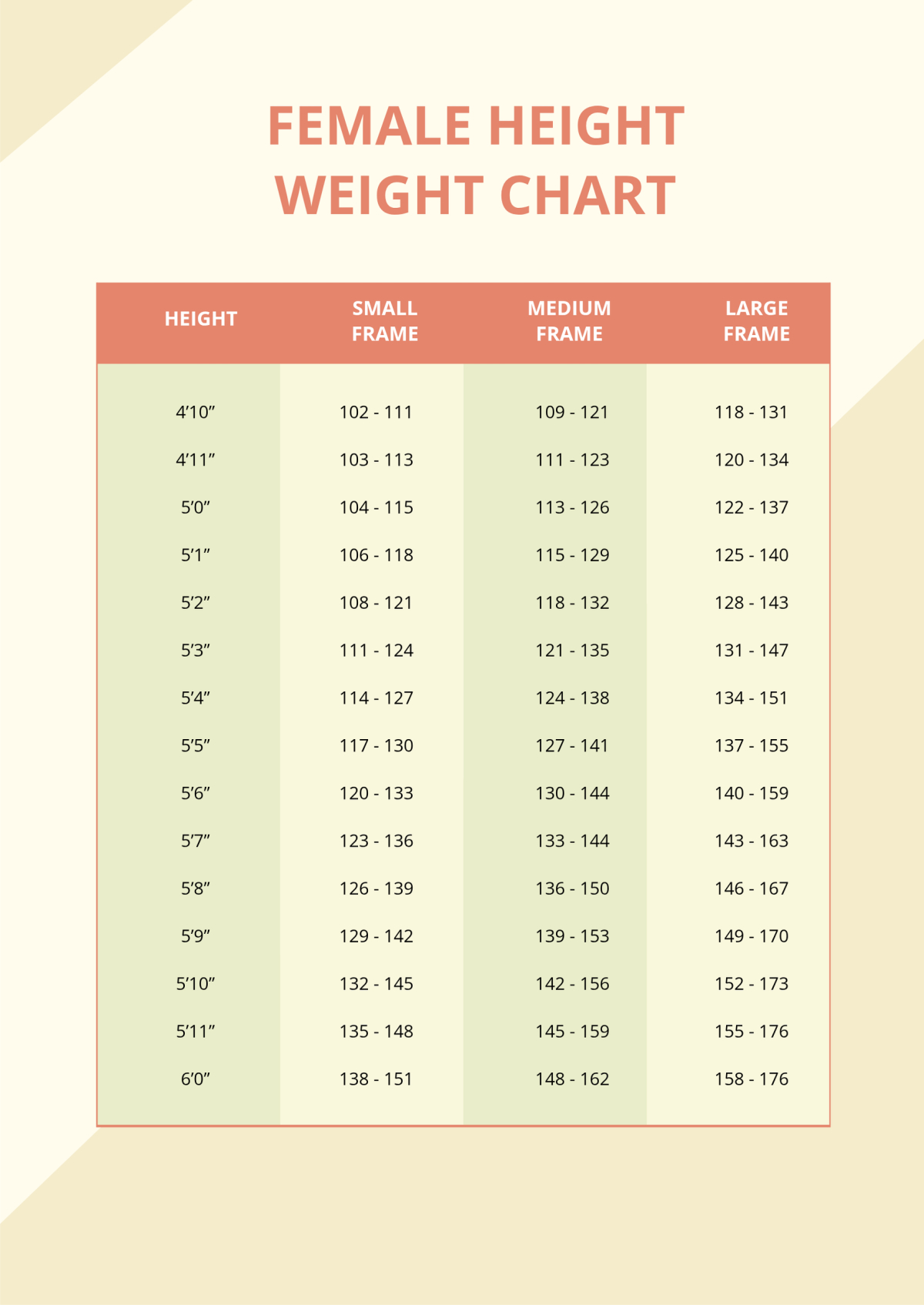
Additional Resources for Tracking Growth
If you’re looking to complement the Female Weight Chart By Age, consider using additional resources to provide a more comprehensive view of your child’s health:
- Growth Percentile Calculator: Online calculators can help you input your child’s height and weight to assess their growth percentile more dynamically.
- Nutrition Logs: Keeping a food diary can provide insight into your child’s eating habits, which can be useful when discussing weight with healthcare professionals.
- Fitness Trackers: If your child is older, encouraging them to use a fitness tracker can help them understand the importance of physical activity in maintaining a healthy weight.
These resources can enhance your understanding of your child’s overall health and well-being, making the weight chart an integral part of your monitoring toolkit.
Utilizing a Female Weight Chart By Age is an empowering step for every parent. It not only helps in tracking weight but also encourages conversations about healthy habits with your child. Whether you choose to print it out, update it regularly, or use it alongside other resources, you’re taking a proactive approach to monitoring your child’s growth and development.
