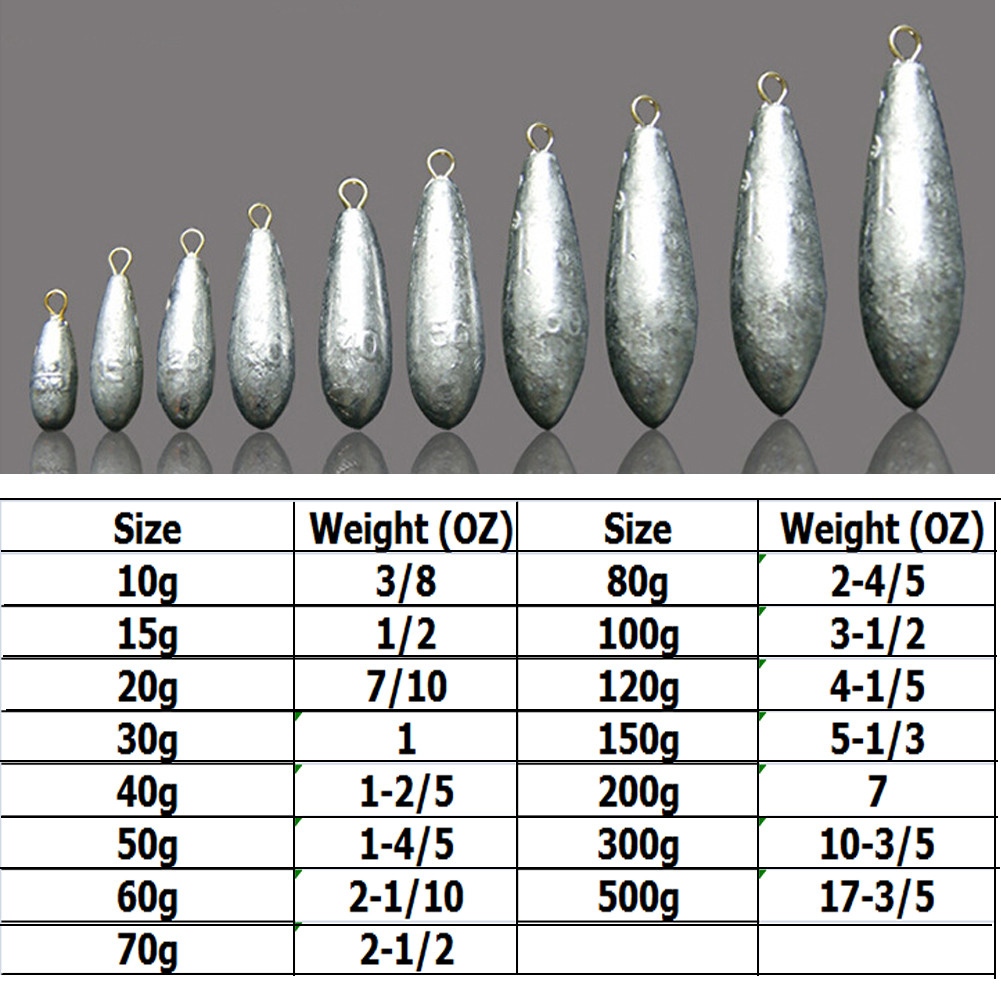
In the early morning light, the soft sounds of water lapping against the boat create a peaceful atmosphere. You’re out on the lake, excited to try out your new fishing gear. But before you can start casting your line, you realize you need to select the right lure weight for your fishing conditions. This is where the Fishing Lure Oz Weight Chart comes into play, helping you make informed decisions that can significantly enhance your fishing experience.
Understanding Lure Weight and Its Importance
Lure weight is crucial because it affects how your bait moves through the water, influencing its ability to attract fish. A lure that’s too heavy may sink too quickly, while one that’s too light may not reach the desired depth. By referring to a Fishing Lure Oz Weight Chart, you can match the right weight with your fishing technique and the type of fish you’re targeting. This chart is especially useful for beginners, providing a clear guideline to avoid the guesswork involved in lure selection.
Using this chart, you can quickly gauge which lure weight to use based on factors such as water conditions, depth, and the species of fish you intend to catch. This can lead to more successful fishing trips and a better understanding of how different weights interact with the environment.
How to Use the Fishing Lure Oz Weight Chart
The Fishing Lure Oz Weight Chart typically lists various types of lures alongside their corresponding weights in ounces. Here’s how to effectively use it in your fishing preparation:
- Identify Your Target Fish: Before checking the chart, know the species you are aiming to catch. Different fish have varying preferences for bait movement and depth.
- Check Water Conditions: Consider the water clarity, current strength, and depth. For instance, in murky waters, heavier lures may be more effective as they can reach the bottom quicker.
- Match the Lure to the Conditions: Refer to the chart to find the recommended lure weight for your specific conditions. For example, if you’re fishing for bass in a lake with a moderate current, you might find that a 1/4 oz or 1/2 oz jig is ideal.
- Experiment: Don’t hesitate to try varying weights as you fish. If you’re not having any luck, adjust the weight based on the chart and see if that improves your catch rate.
Printable Resources for Easy Access
Having a printed version of the Fishing Lure Oz Weight Chart can be extremely handy. Here are some practical ways to utilize this resource effectively:
- Print It Out: Download and print the chart on standard letter-sized paper (8.5” x 11”). This size is easy to fold and tuck into your tackle box or fishing bag.
- Laminating: If you want the chart to withstand the elements, consider laminating it. This way, it won’t get damaged by wet hands or accidental spills.
- Digital Access: Alternatively, you can save the chart as a PDF on your smartphone or tablet. This allows for quick reference while on the go without needing to worry about paper wear and tear.
Selecting the Right Lure Weight Based on Fishing Techniques
Different fishing techniques also dictate the appropriate lure weight. Here’s how to choose based on some common methods:
Casting
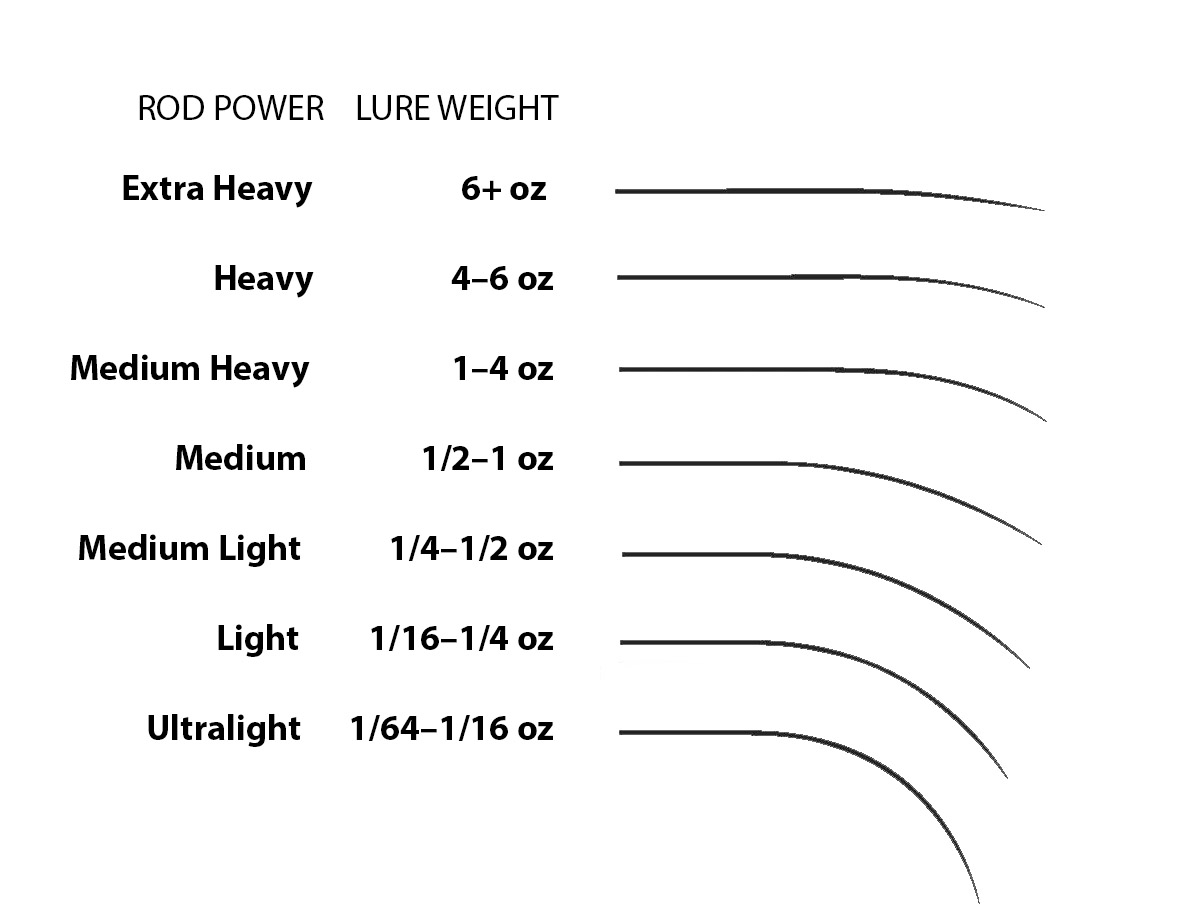
When casting, it’s important to select a weight that will allow you to cast your lure far enough but not so heavy that it sinks too quickly. For casting, weights typically range from 1/8 oz to 1 oz, depending on the lure design and distance you need.
Trolling
For trolling, heavier lures are often required to maintain depth while moving the boat. You might use weights from 1 oz to 3 oz, depending on the speed of your boat and the type of lure.
Jigging
Jigging demands precise control of the lure’s movement, which often calls for lighter weights, usually between 1/4 oz to 1 oz. The Fishing Lure Oz Weight Chart can help you determine the best weight that allows for effective jigging action.
Tips for Maximizing Your Fishing Success
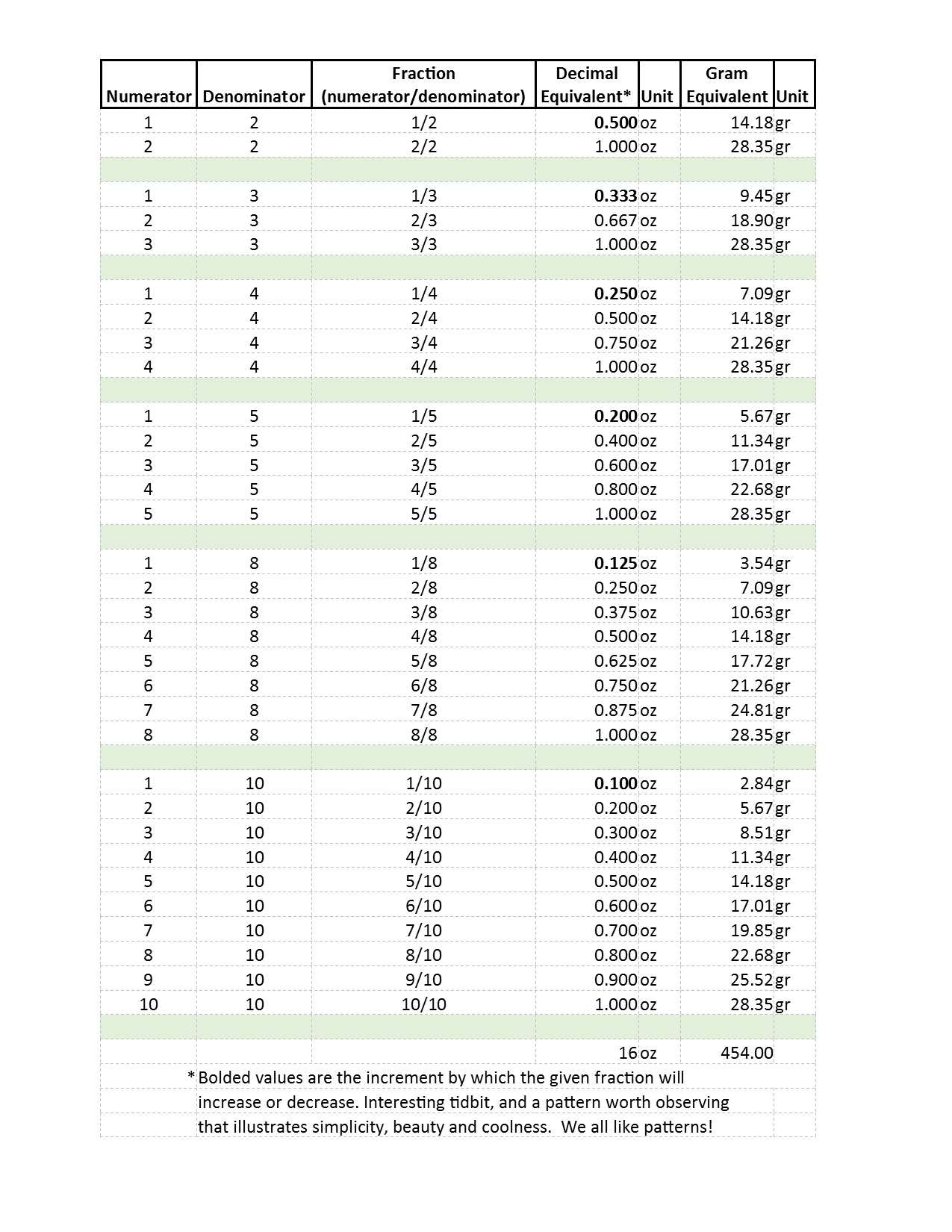
Using the Fishing Lure Oz Weight Chart effectively can boost your fishing success. Here are some additional tips to keep in mind:
- Know Seasonal Changes: Fish behavior changes with seasons. In warmer months, fish may be closer to the surface, requiring lighter lures, while in colder months, deeper waters may necessitate heavier weights.
- Consider the Time of Day: Early mornings and late evenings are often prime fishing times. Adjust your lure weight accordingly, as fish may be more active during these periods.
- Stay Informed: Local fishing reports and community insights can provide valuable information on what weights and lures are currently working well in your area.
- Ask for Advice: Don’t hesitate to ask experienced anglers for their insights on lure weights and effective fishing strategies. Their knowledge can be invaluable.
With the Fishing Lure Oz Weight Chart at your fingertips, you’ll be well-equipped to make the best choices before heading out on the water. If you are a seasoned angler or just starting, having this resource can turn a good fishing day into a great one. You might also want to consider keeping a log of your catches and the weights you used for future reference, further enhancing your skills over time.
