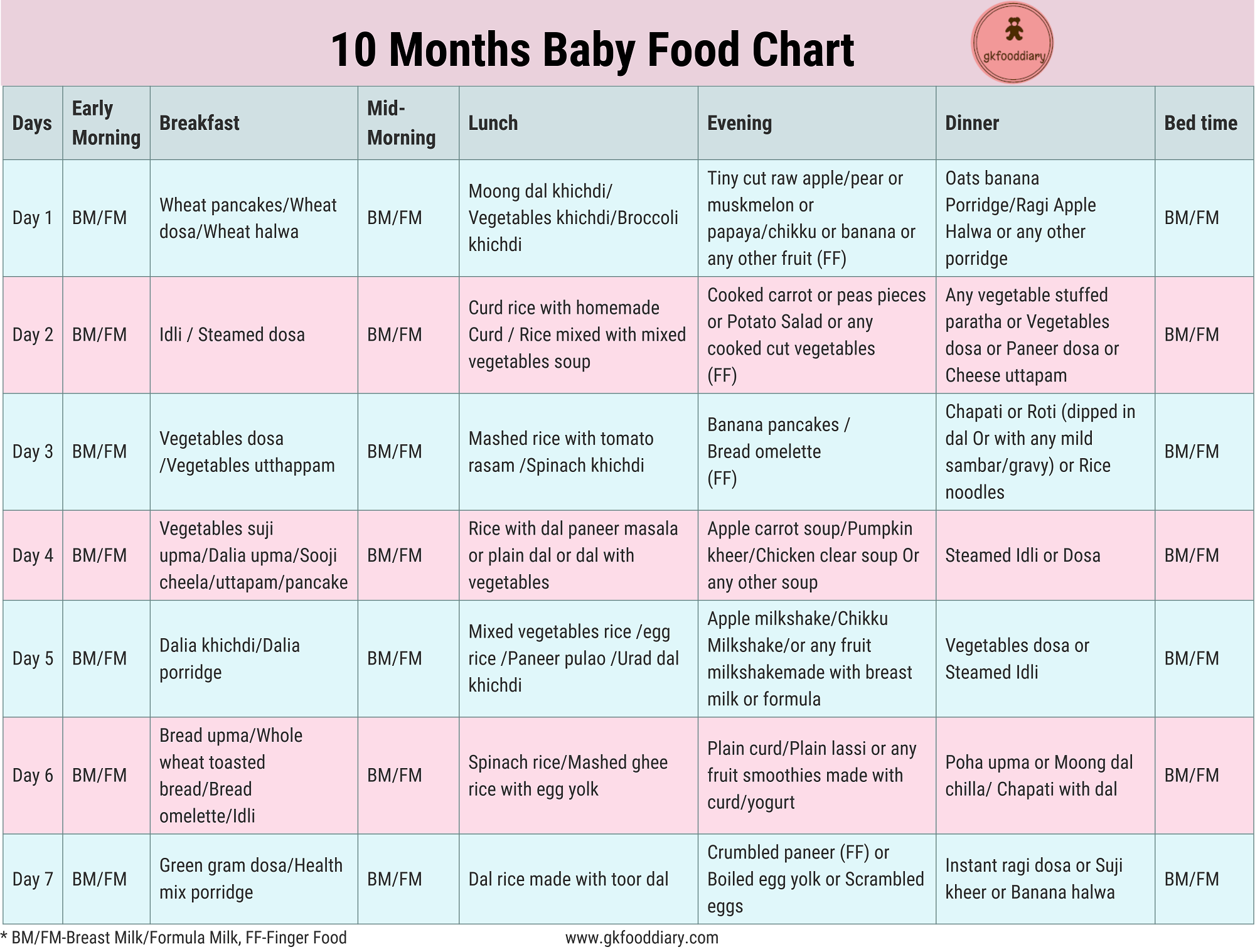
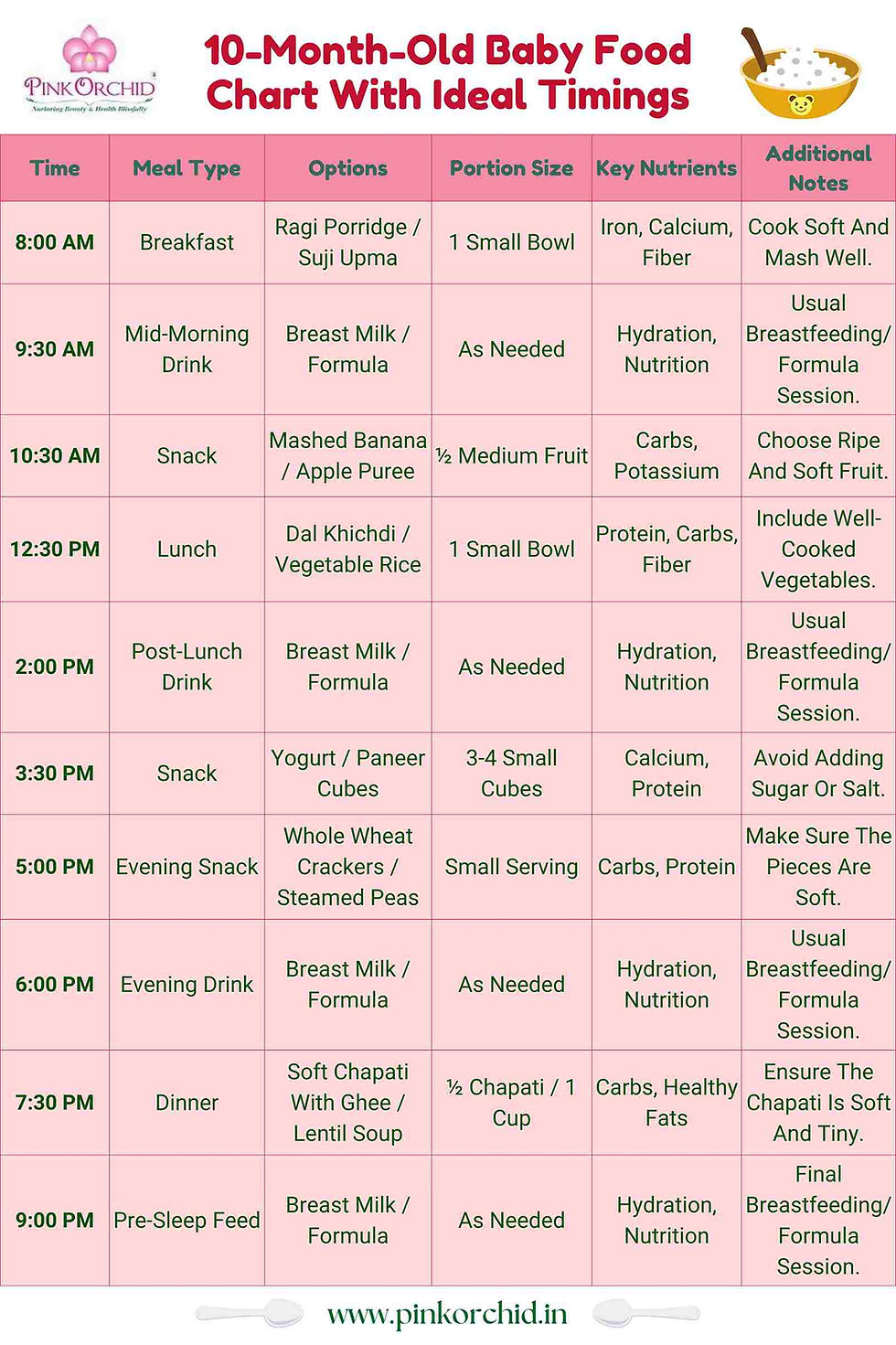
One of the most critical aspects of parenting is ensuring your baby receives the right nutrition. A well-structured 10 Month Baby Food Chart And Weight can simplify this task for you. This resource helps track your baby’s food intake and monitor their growth, ensuring they’re developing properly and getting the nutrients they need.
Understanding the 10 Month Baby Food Chart
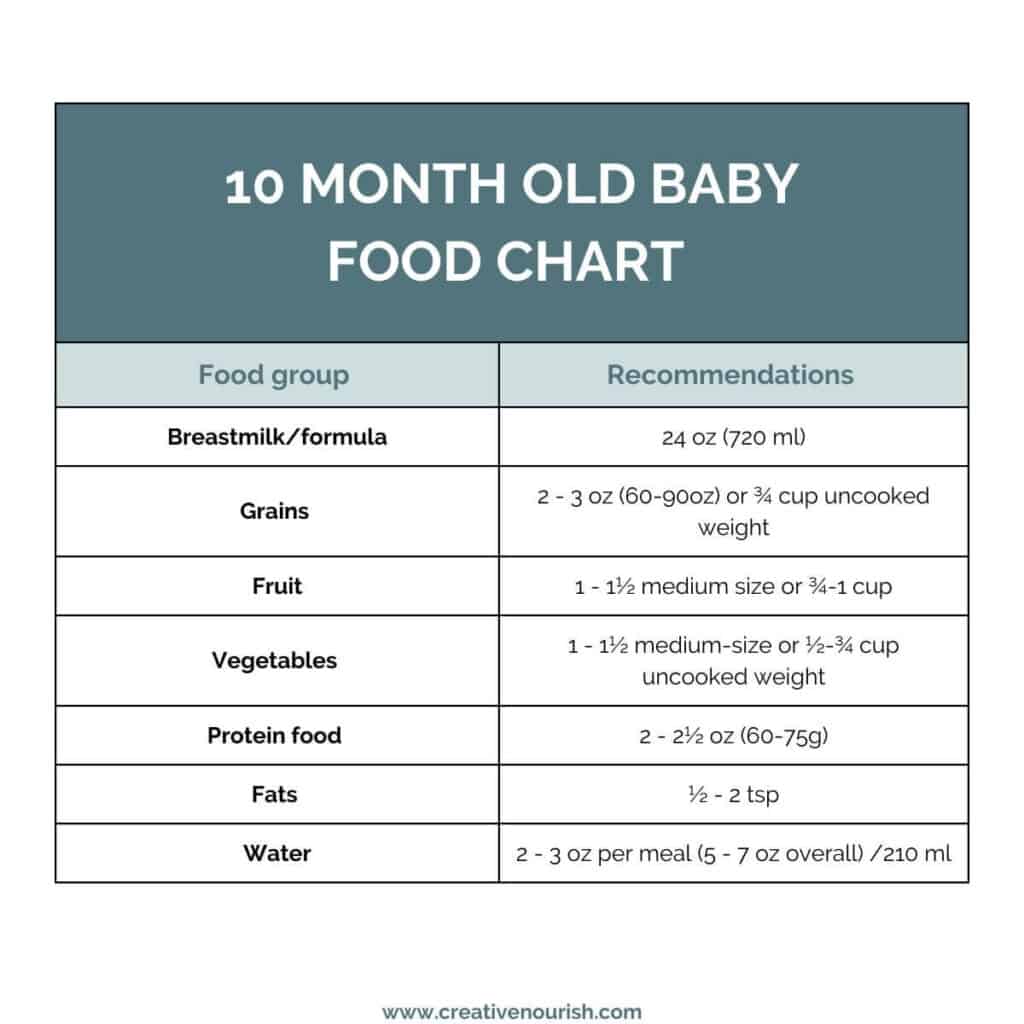
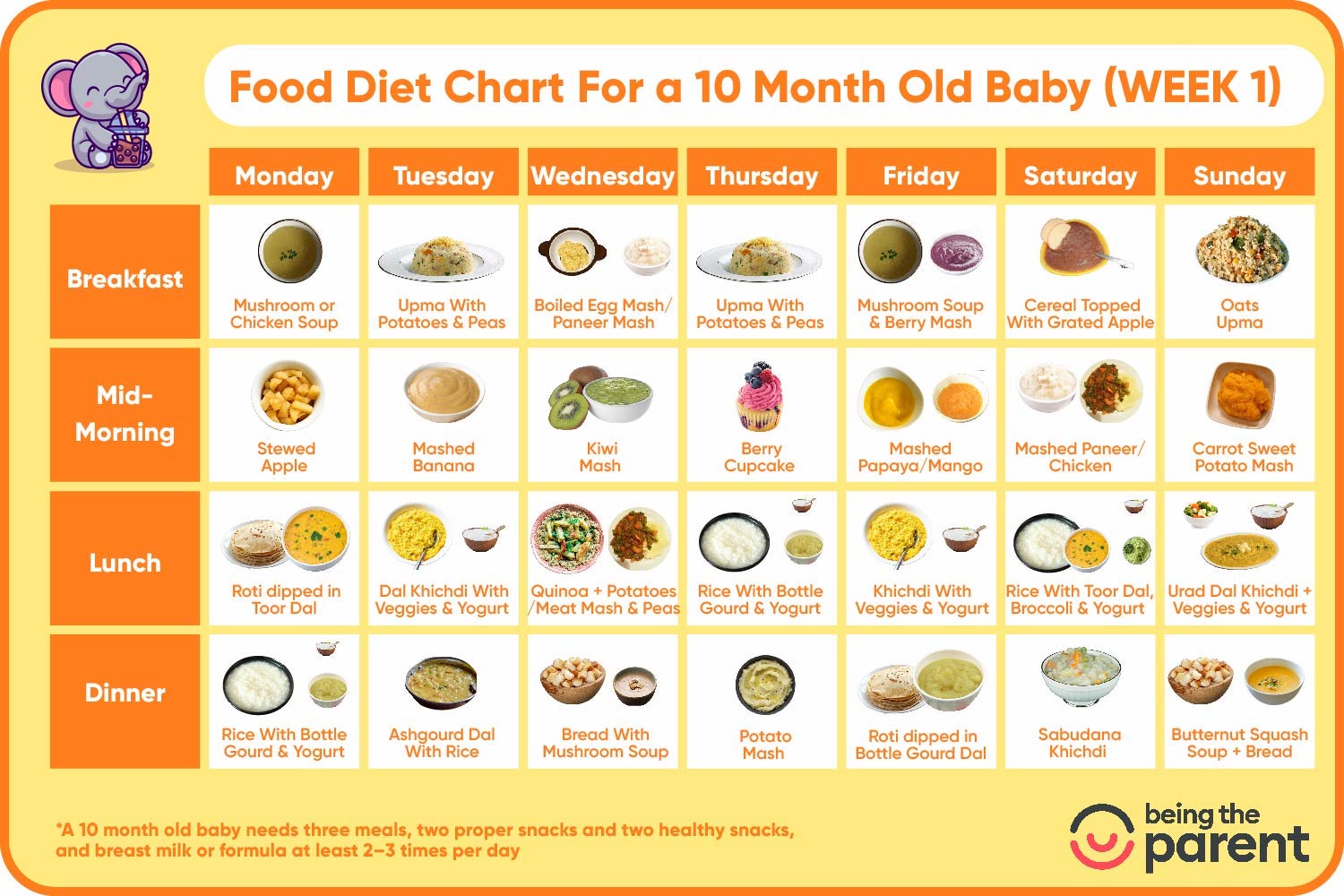
At ten months old, your baby is likely transitioning to more solid foods. This chart serves as a practical guide for introducing various foods while keeping track of your baby’s weight. It typically includes:
- Food Categories: Fruits, vegetables, grains, and proteins.
- Recommended Serving Sizes: Helps you know how much to offer at each meal.
- Allergy Information: Important for identifying potential allergens.
Using this chart allows you to organize your baby’s diet efficiently. The layout helps you visualize what foods to include and when to introduce them. It also keeps weight tracking straightforward, ensuring that you can discuss your baby’s growth with your pediatrician confidently.
How to Use the Chart Effectively
To make the most of your 10 Month Baby Food Chart And Weight, follow these steps:
- Choose Your Format: Decide whether you want a digital version to fill out on your device or a printable chart to write on by hand. Each format has its advantages; a digital chart is easily editable, while a printed one can be hung on the fridge for quick reference.
- Download and Print: Once you’ve selected the format, download the chart. For best printing results, use a high-quality printer and standard letter-sized paper (8.5 x 11 inches). If you prefer durability, consider printing on cardstock or laminating the chart.
- Fill in the Details: Start by inputting your baby’s weight and age. As you introduce new foods, fill in the corresponding sections of the chart. This process not only keeps track of what your baby eats but also helps you identify any patterns or preferences.
- Monitor Progress: Regularly update the chart with your baby’s weight to ensure they are gaining appropriately. A baby’s weight at ten months typically ranges from 16 to 24 pounds. If your baby falls outside this range, consult your pediatrician for guidance.
- Adjust as Needed: If you notice your baby is consistently rejecting certain foods or if there are any weight concerns, use this information to adjust their diet. The chart serves as a valuable tool for understanding your baby’s eating habits and nutritional needs.
Key Foods for a 10 Month Old Baby
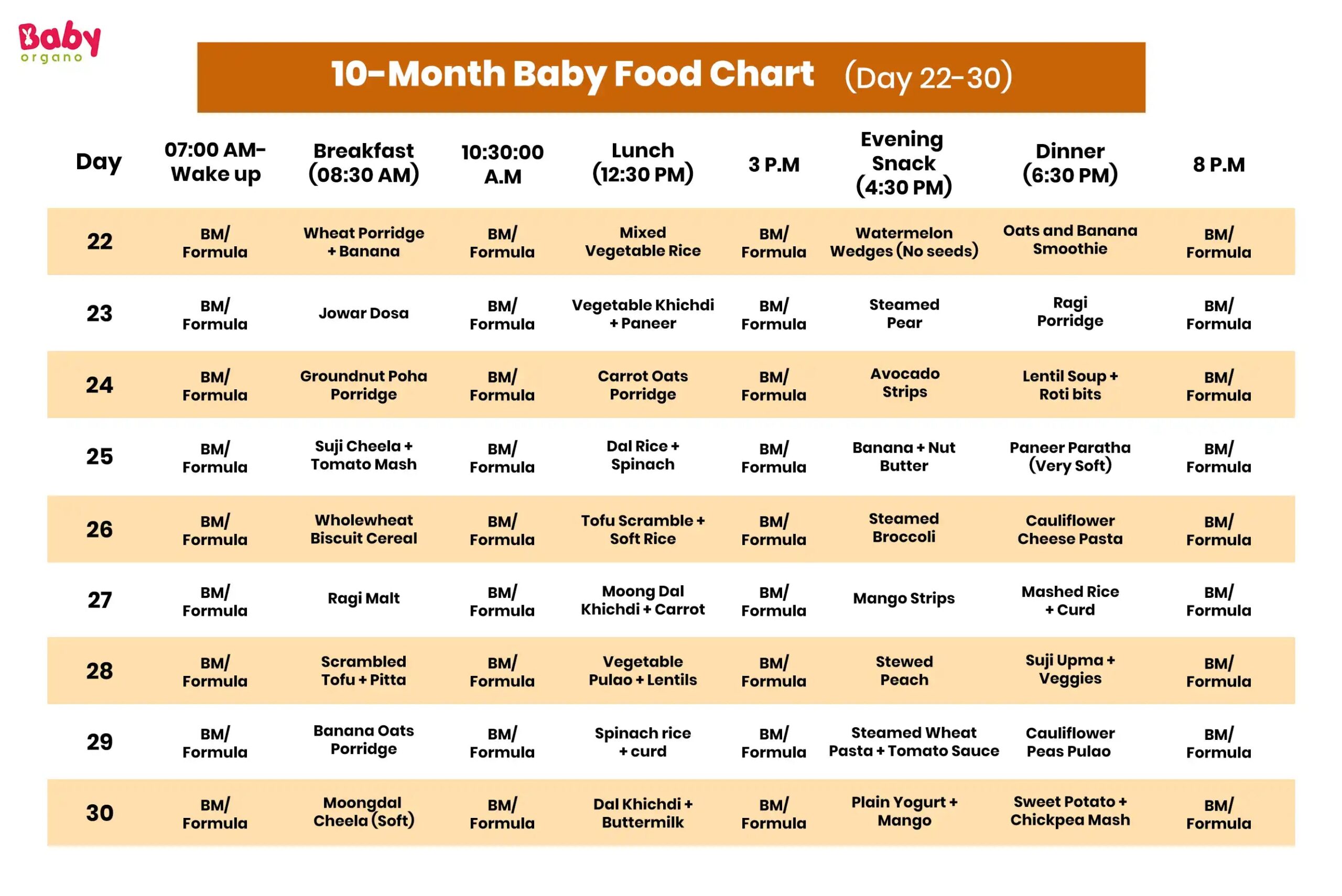
At ten months, your baby’s diet should be diverse, including a range of textures and flavors. Here are some food suggestions to consider adding to your chart:
Fruits
- Bananas: Soft and easily mashable, they are perfect for babies.
- Applesauce: A great way to introduce apples without the choking hazard.
- Avocado: Packed with healthy fats and easy for babies to eat.
Vegetables
- Sweet Potatoes: Rich in vitamins and can be mashed or served in small pieces.
- Carrots: Cooked and soft, they make a nutritious finger food.
- Peas: Full of protein, they can be pureed or offered whole.
Grains
- Oatmeal: A nutritious breakfast option that can be mixed with fruits.
- Rice: Soft and easy to chew, rice can be a great addition to meals.
- Whole grain bread: Cut into small pieces for easy handling.
Proteins
- Chicken: Cooked and shredded, it can be mixed with vegetables.
- Eggs: Scrambled eggs are a soft, protein-rich option for babies.
- Beans: Mashed or pureed beans are full of nutrients.
Incorporating these foods into your baby’s diet not only boosts their nutritional intake but also helps them develop a taste for different flavors and textures.
Importance of Weight Monitoring
Weight monitoring is a crucial aspect of a baby’s first year. At ten months, you’re looking for consistent growth patterns. If your baby is gaining weight steadily, it’s a good sign they are getting enough nutrients. However, if you notice fluctuations, it may be time to reassess their diet.
Keep in mind that every baby grows at their own pace. The growth chart provided by your pediatrician can be a helpful reference point. It’s essential to maintain open communication with your healthcare provider regarding your baby’s growth and nutrition.
Final Tips for Using the Baby Food Chart
To ensure you get the most out of your 10 Month Baby Food Chart And Weight, here are some additional tips:
- Be Consistent: Regularly update the chart to reflect your baby’s eating habits and weight changes.
- Involve Family: Share the chart with caregivers or family members who help feed your baby. This ensures everyone is on the same page about what foods to offer.
- Stay Flexible: As your baby grows, their preferences and nutritional needs will evolve. Be prepared to adapt your chart and food offerings accordingly.
The 10 Month Baby Food Chart And Weight is more than just a tracking tool; it’s a resource that empowers you to make informed decisions about your baby’s diet. With careful monitoring and a diverse menu of foods, you’re setting the stage for healthy eating habits that can last a lifetime.
10 Month Baby Food Chart And Weight Gallery