Using an Eating Chart For Weight Loss can be a useful option if you’ve struggled with dieting or meal planning in the past. This chart serves as a practical tool to help you organize your meals, understand portion sizes, and keep track of your daily caloric intake. The structured layout makes it easy to see what you’re eating, how much, and when. Let’s look at the specifics of this resource and how to maximize its use for your weight loss journey.
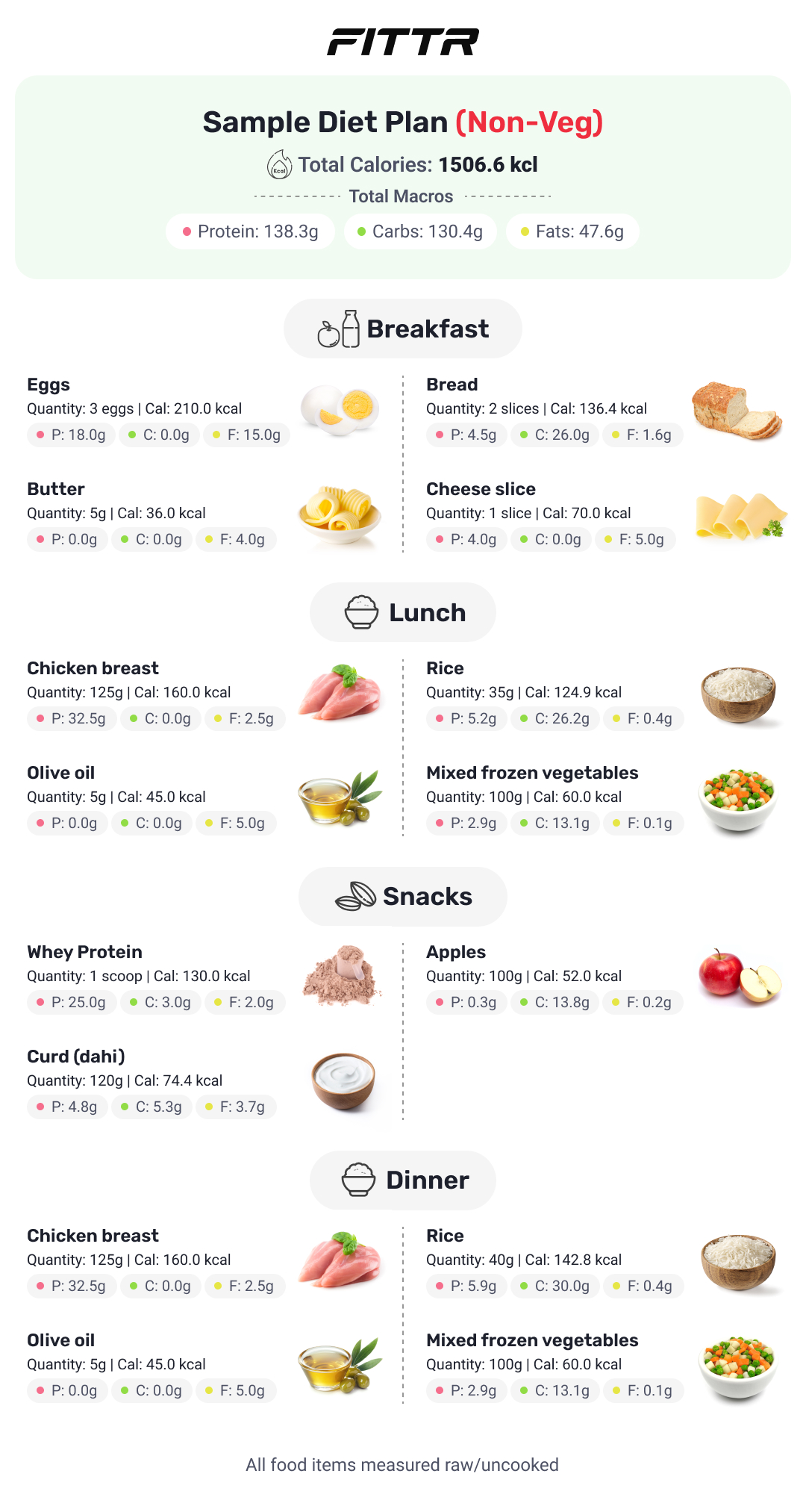
Understanding the Layout of the Eating Chart
The Eating Chart is designed with clear sections that help you input your daily meals and snacks. Typically, it includes columns for the meal time, food items, portion sizes, and calories. This structured approach allows you to visualize your food intake throughout the day, making it easier to spot patterns and adjust as necessary.
You might notice that many charts offer both a digital fillable PDF version and a printable format. The digital option is great for those who prefer typing in their information, while the printable version allows you to jot things down by hand. I find that writing things out can sometimes reinforce the commitment to my goals, but using a digital format can help with quick updates.
Filling Out the Chart: Practical Guidance
When it comes to filling out your Eating Chart, the key is consistency. Start by logging your meals as you eat them. This real-time entry helps you avoid forgetting what you had and can lead to more accurate tracking.
- Meal Time: Write down the time you eat. This can help you recognize if you have regular meal patterns or if you’re snacking too late in the evening.
- Food Items: Be specific about what you eat. Instead of writing “salad,” specify “mixed greens with cherry tomatoes and vinaigrette.” This level of detail is crucial for understanding your nutritional intake.
- Portion Sizes: Use standard measurements like cups, ounces, or grams. If you’re unsure, you can always look up common serving sizes. This helps you gauge If you are meeting your caloric goals or exceeding them.
- Calories: You can use food labels or apps to find out the caloric content of what you eat. Logging calories helps create awareness, which is often the first step toward making healthier choices.
And remember, the goal isn’t just to track calories but to develop a better understanding of your eating habits.
Digital Vs. Printable: Which Works Best for You?
Choosing between a digital and printable Eating Chart often comes down to personal preference.
Digital Charts
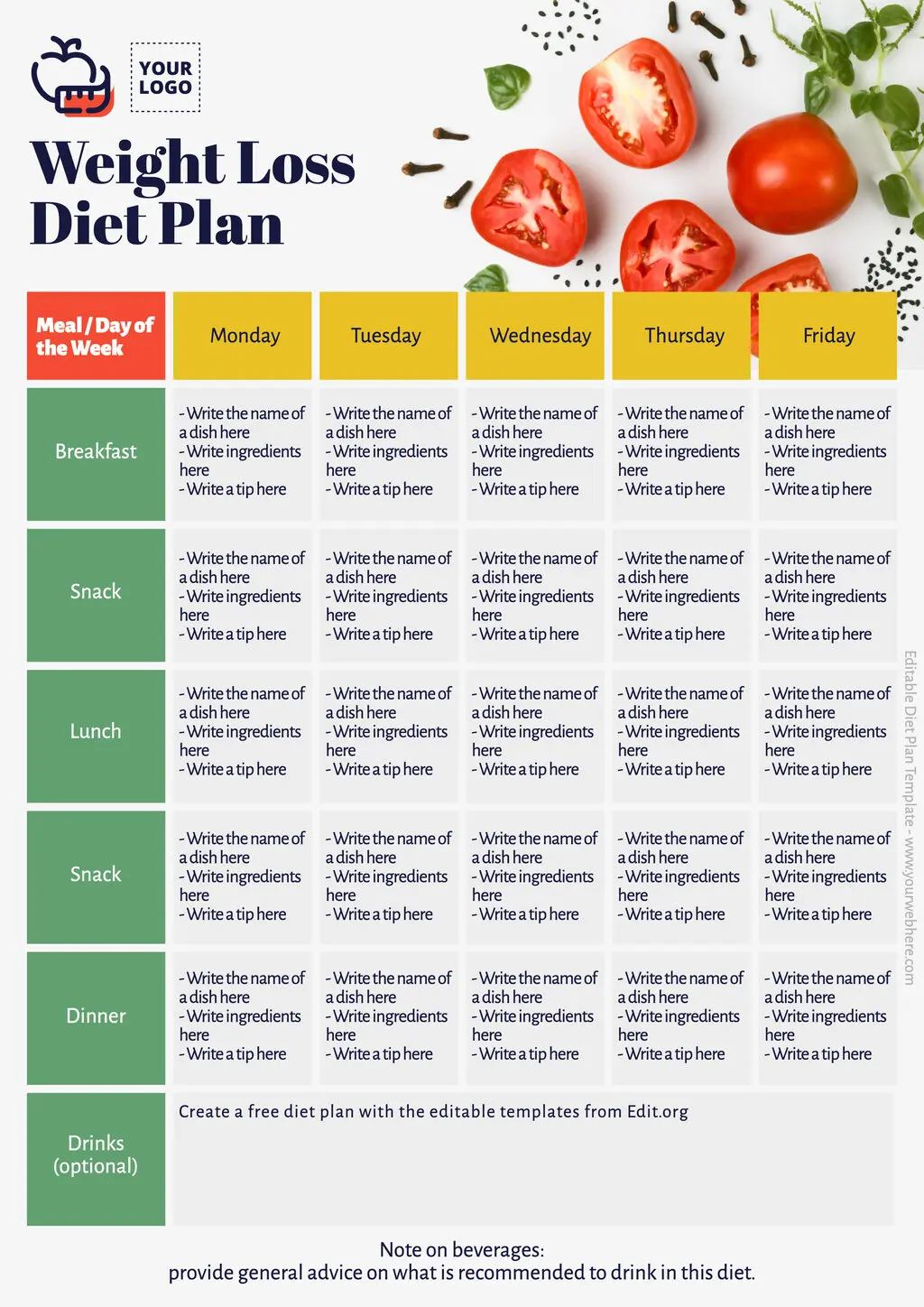
Digital charts can be filled out on your device, allowing for easy edits and adjustments. If you’re someone who often dines out or snacks on-the-go, the digital format might be more convenient. Just pull out your phone, enter your meal, and save it for later review.
Printable Charts
On the other hand, a printable chart can be an excellent tool for those who prefer the tactile experience of writing. You can hang it on your fridge or keep it in a visible place. Plus, there’s something satisfying about physically crossing off items as you complete your meals. If you decide to print it, consider using cardstock for durability, especially if you plan to use it regularly.
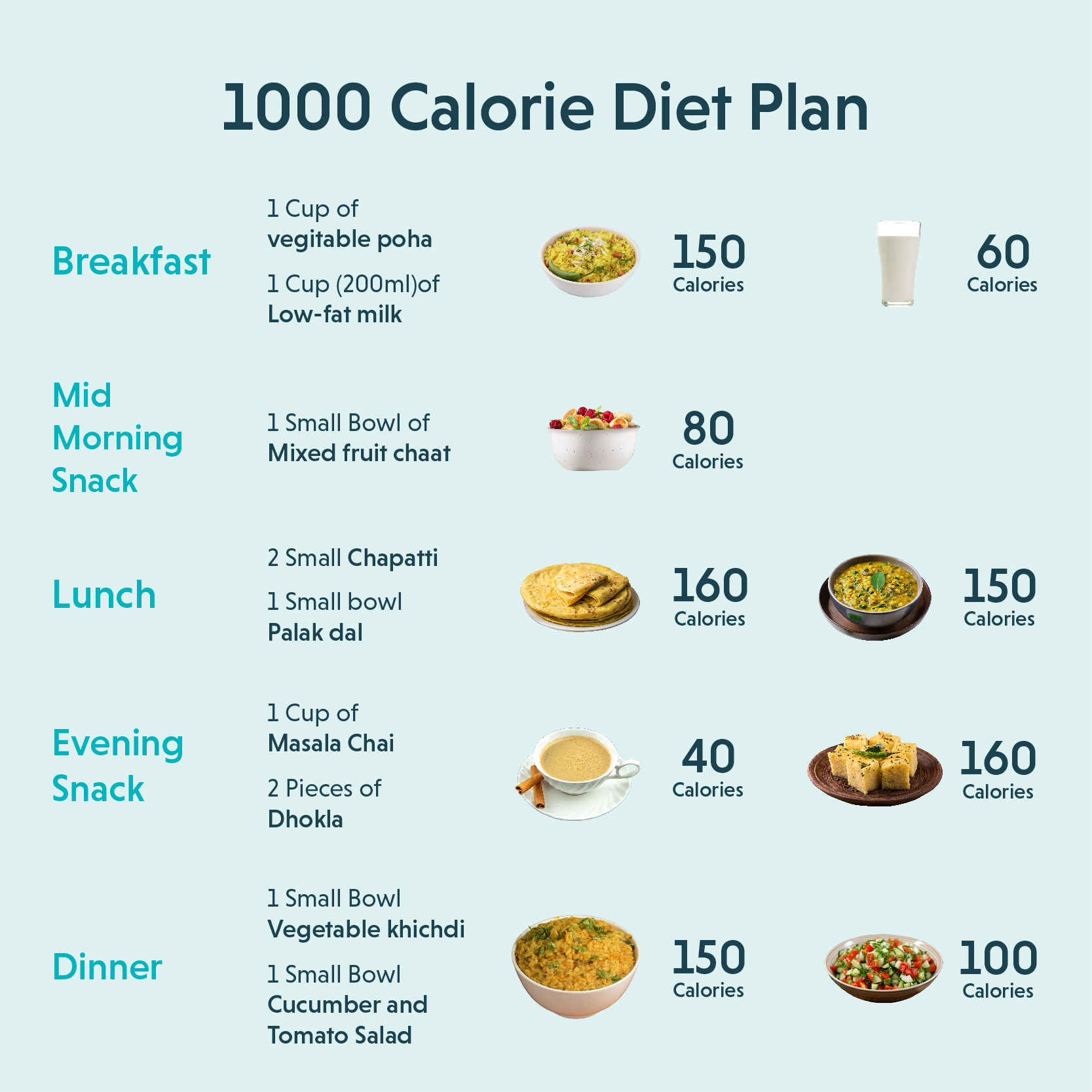
Incorporating the Eating Chart Into Your Routine
Integrating the Eating Chart into your daily routine doesn’t have to feel like a chore. Here are some tips to make it a natural part of your day:
- Set a Time to Log: Choose specific times to fill out the chart, like after each meal or before bed. Consistency is key to making this habit stick.
- Review Weekly: Take time at the end of each week to review what you’ve logged. Look for trends, such as consistently high-calorie days or meals that leave you feeling unsatisfied. Adjust your upcoming meal plans accordingly.
- Pair with Other Resources: If you’re using other planners or trackers, consider integrating the Eating Chart with them. For instance, if you have a workout planner, you can align your food intake with your exercise routine.
By making the Eating Chart a part of your lifestyle, you’re more likely to stick with your weight loss goals.
