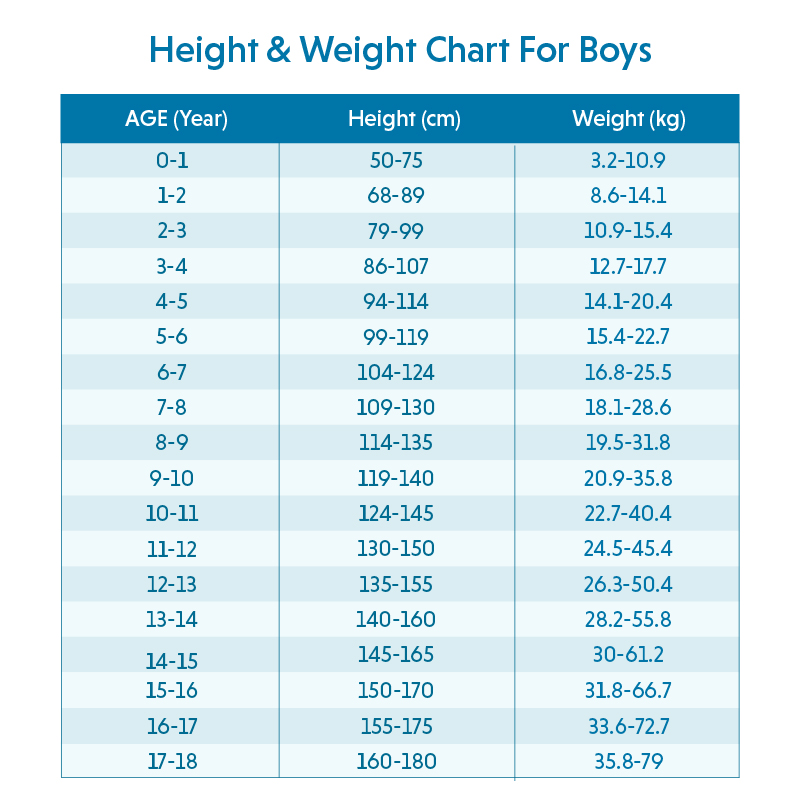
When it comes to monitoring your child’s growth, a Boys Height And Weight Chart is an invaluable tool. It allows you to check if your son is growing at a healthy rate and is crucial for regular health assessments. Understanding how to use this chart effectively can help you make informed decisions about your child’s health and nutrition.
Understanding the Boys Height and Weight Chart
A Boys Height And Weight Chart is designed to help parents and caregivers track the growth of boys from infancy through adolescence. These charts are typically based on data collected from a large population, which means they provide a reliable benchmark for assessing growth patterns. You may find these charts available in pediatric offices, schools, or as printable resources online.
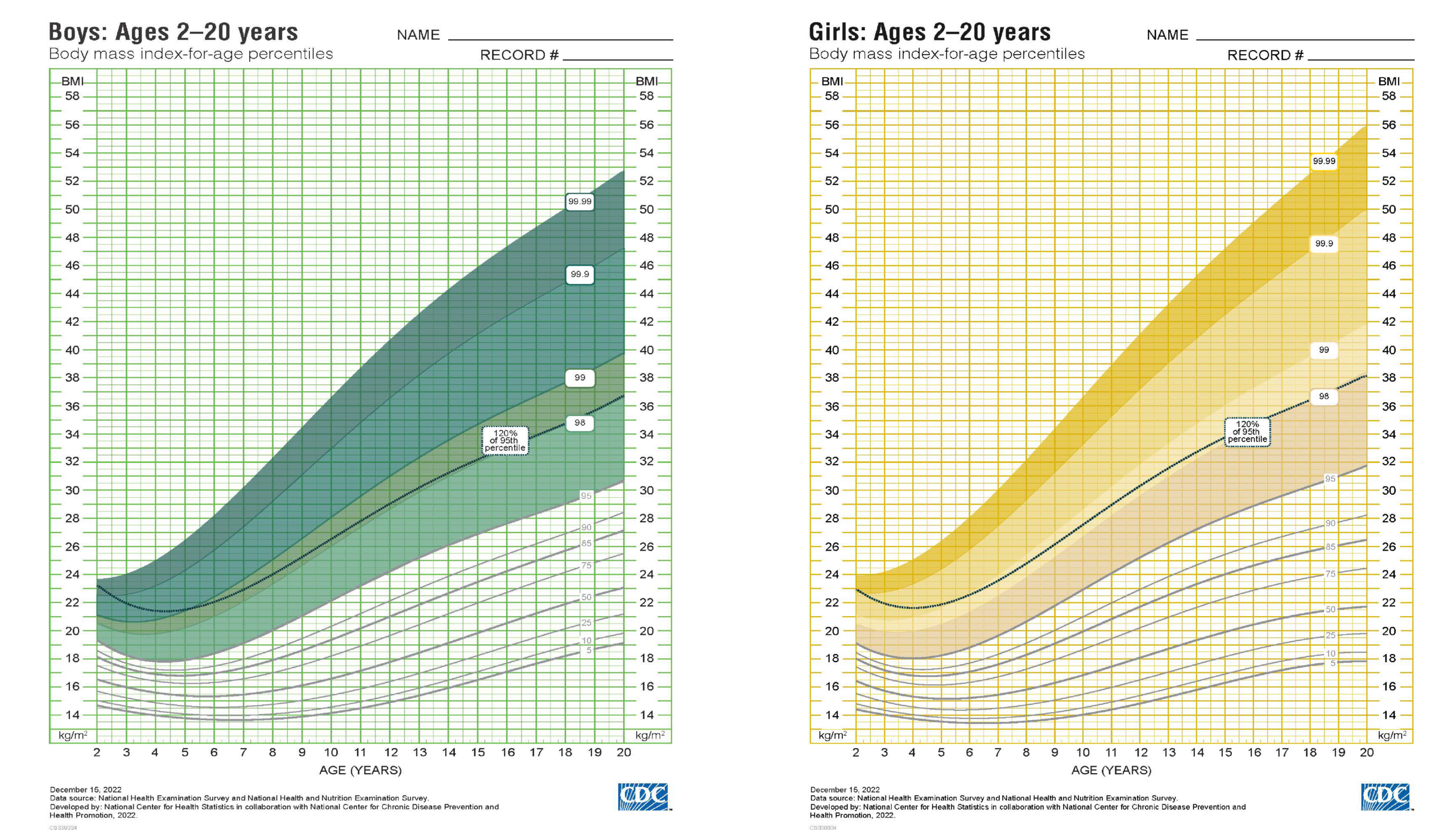
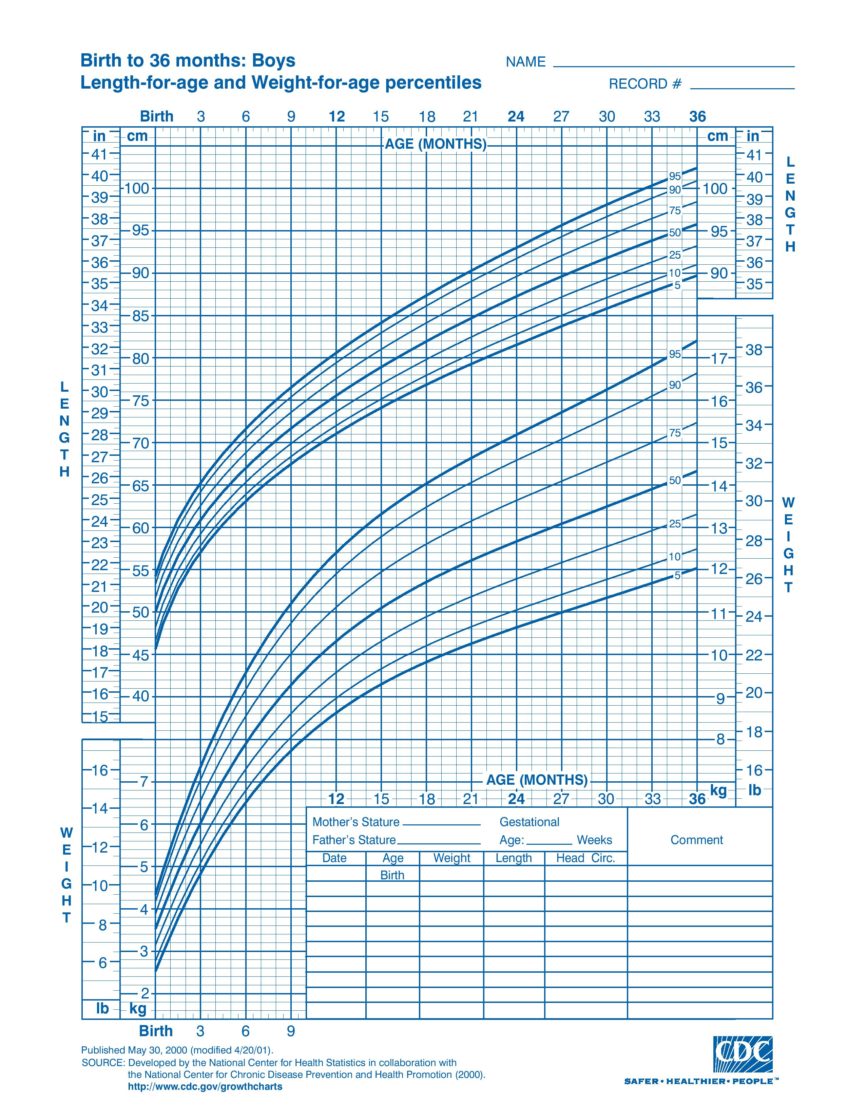
The chart usually displays age on the horizontal axis and height or weight on the vertical axis. Each point on the chart indicates a percentile, which represents how a boy’s measurements compare to others in the same age group. For instance, a boy in the 75th percentile for weight is heavier than 75% of his peers.
It’s essential to remember that these charts are guidelines. Every child develops at their own pace. Variations in growth can be perfectly normal.
How to Use the Chart Effectively
To use the Boys Height And Weight Chart, start by measuring your child’s height and weight. This can be done at home or during a routine check-up at the doctor’s office. Make sure to use accurate measuring tools for the best results.
- Measure Height: Stand your child against a wall without shoes. Mark the top of their head and measure from the floor to the mark.
- Weigh Your Child: Use a reliable scale, preferably the same one each time to maintain consistency.
Once you have these measurements, locate the appropriate age on the chart. Find your child’s height on the vertical axis and weight on the horizontal axis. This will allow you to see where your child falls on the growth percentiles.
Digital Vs. Printable Charts
When deciding how to use the Boys Height And Weight Chart, consider whether you prefer a digital or printable version.
- Digital Charts: These are often fillable PDFs or interactive websites where you can input your child’s data and get immediate feedback. This can be convenient, especially for tech-savvy parents who want to keep a record on their devices.
- Printable Charts: If you prefer a tangible reference, printable charts can be more suitable. You can easily hang them on the fridge or in your child’s room for quick access. Cardstock holds up best if you’re planning to laminate the chart for longevity.
What to Do With the Information
Once you have identified your child’s growth percentile, what should you do with this information? If your child’s measurements fall within the normal range, you can feel confident that they are growing healthily. However, if you notice significant deviations, such as consistently being below the 5th percentile or above the 95th percentile, it may be worth discussing with your pediatrician.
Regular monitoring can help in identifying any potential health issues early on. For instance, if a child is gaining weight rapidly, it may indicate a need for dietary adjustments or increased physical activity.
Incorporating Growth Tracking Into Routine
To make growth tracking a regular part of your routine, consider setting a schedule. Measuring height and weight every six months is a good baseline. You can use the Boys Height And Weight Chart to record these measurements and observe trends over time.
Additionally, you might want to pair this tracking with other health-related activities. For example, you could create a growth chart that includes milestones like starting school or participating in sports. This can be a fun way to engage your child in their health journey.
Finding the Right Chart
When looking for a Boys Height And Weight Chart, make sure it is up-to-date and based on the latest health guidelines. The CDC and WHO provide reliable charts that are widely used by healthcare professionals. You can often find these charts available for download or as printable resources on health websites.
- Look for charts that are specific to age groups (infants, toddlers, children, and adolescents).
- Verify that the chart includes both height and weight percentiles for a comprehensive view.
Additional Resources for Parents
In addition to the Boys Height And Weight Chart, consider utilizing other resources that can support your child’s health. Various worksheets and planners can help you plan nutritious meals, track physical activities, and set wellness goals.
Printable resources can be incredibly helpful, especially if you’re looking to create a healthy environment for your child. From meal-planning templates to activity trackers, these tools can complement the insights gained from the height and weight chart.
If you’re interested in creating a more organized approach to your child’s growth and health, look for resources that combine these elements in one easy-to-use format.
Using a Boys Height And Weight Chart effectively can empower you as a parent. It gives you a clear view of your child’s growth trajectory and helps you make informed decisions regarding their health. By regularly tracking and utilizing this chart, you can ensure your child is on the right path to a healthy and active life.
