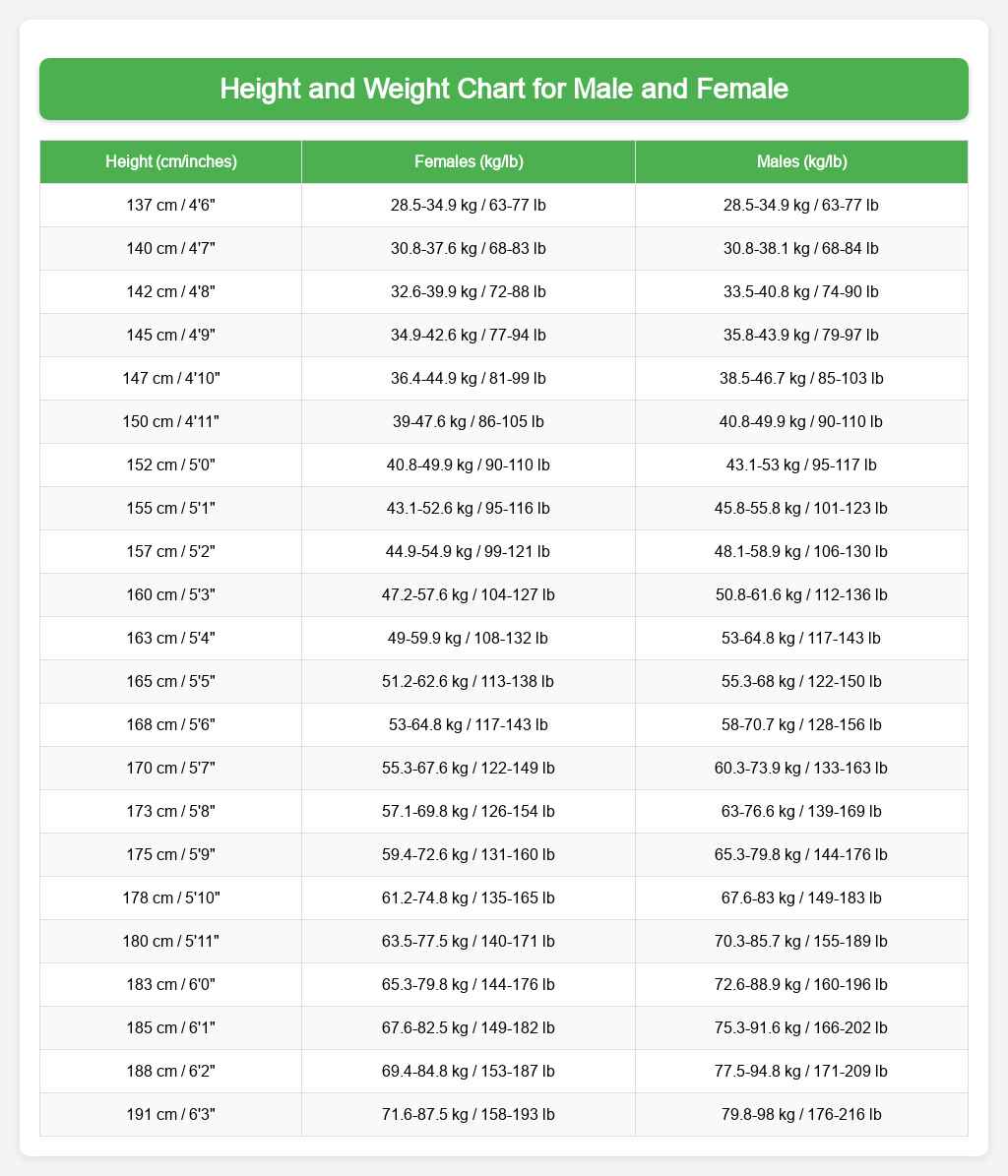
Tracking your child’s growth can feel overwhelming, but using a Weight Chart According To Height In Kg can simplify the process. This chart helps you visualize where your child stands in terms of weight relative to their height, making it easier to monitor their development. It’s a handy tool for parents, teachers, and healthcare professionals to evaluate if a child is growing at a healthy rate.
Understanding the Weight Chart
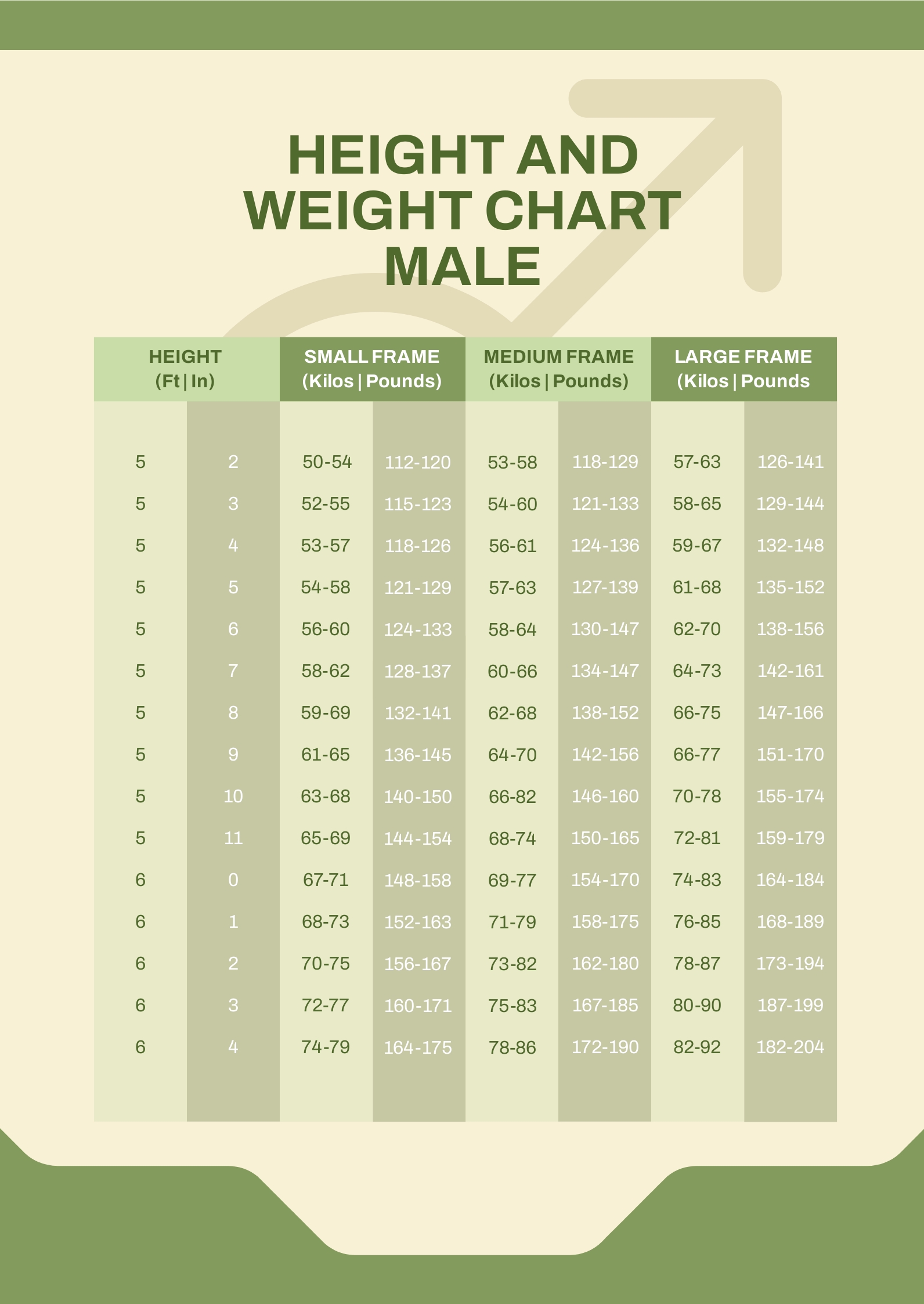
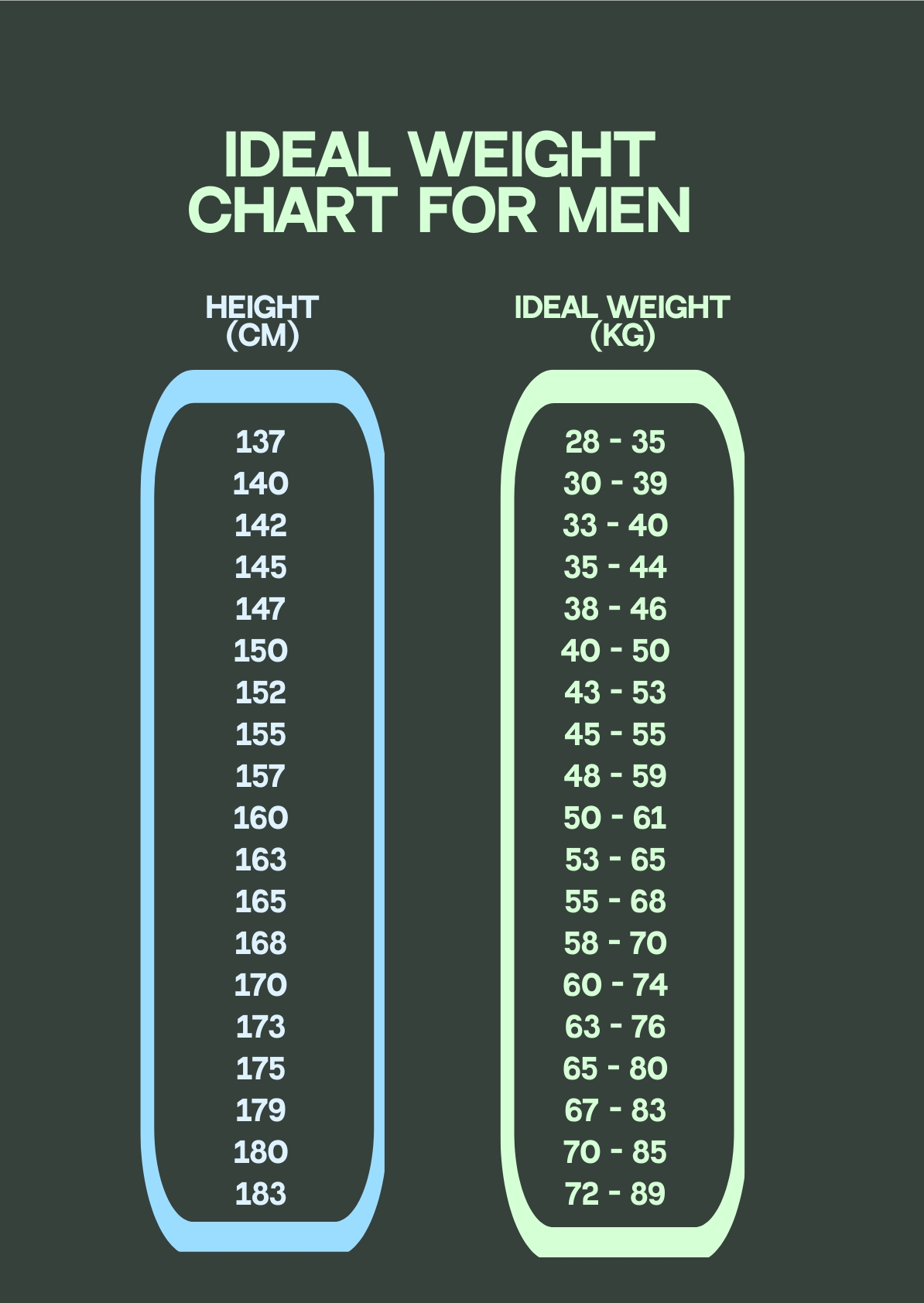
A weight chart is a visual representation that plots weight against height. It’s typically designed with height on one axis and weight on the other. The data points help you see if your child’s weight falls within a healthy range for their height.
Why Use a Weight Chart?
Using a weight chart is essential for various reasons:
- Health Monitoring: Regularly tracking your child’s weight and height can help identify any potential health issues early.
- Growth Patterns: It allows you to see if your child is growing consistently over time, which is crucial during their formative years.
- Professional Guidance: Health professionals often reference these charts during check-ups, so having one at home can prepare you for discussions about your child’s growth.
How to Read the Weight Chart
Reading a weight chart is straightforward, but it helps to understand how to interpret the data accurately:
- Locate Height: Find your child’s height on the left side of the chart.
- Find Corresponding Weight: Move horizontally across to see the weight range that corresponds to that height.
- Check Percentiles: Many charts will show percentiles, indicating where your child’s weight falls compared to peers. For example, if your child is in the 75th percentile, they weigh more than 75% of children their height.
Filling in the Chart
To effectively use the weight chart:
- Measure Accurately: Use a reliable scale and measuring tape. Weigh your child in the morning for consistency.
- Record Data Regularly: Make it a routine to check and record your child’s height and weight every few months. This helps you track growth trends over time.
- Use a Printable Version: Download a printable weight chart to keep it handy. You can fill it in manually or mark it digitally.
Best Practices for Using the Weight Chart
Using the chart effectively means knowing how to integrate it into your routine:
- Print It Out: Use high-quality paper for durability. Cardstock is a good choice if you want it to last longer, especially if you plan to laminate it.
- Keep It Visible: Hang the chart in a common area, like the kitchen or child’s room, so you remember to update it regularly.
- Involve Your Child: Make it a fun activity by letting your child help with measuring and recording their growth. This can encourage them to take an interest in their health.
When to Consult a Professional
While the chart is a great tool, it’s essential to know when to seek professional advice:
- Unexpected Changes: If you notice sudden weight loss or gain, consult a pediatrician.
- Consistent Percentiles: If your child consistently falls outside the healthy weight range for their height, it’s time for a check-up.
- Growth Plateaus: If your child stops growing for an extended period, this could indicate a need for evaluation.
Adapting the Chart for Personal Use
You might find that the standard weight chart doesn’t perfectly fit your child’s needs. Here are some ways to adapt it:
- Customize the Ranges: If your child has specific dietary or health needs, consider adjusting the weight ranges to reflect those.
- Add More Data Points: If you’re tracking other health metrics (like BMI), you can add columns to your chart for a more comprehensive view.
- Use Color Coding: To make it visually appealing and easier to read, use colors to highlight different percentiles or weight ranges.
With all this in mind, using a Weight Chart According To Height In Kg can be a vital part of understanding and supporting your child’s growth. Download a template, print it out, and start tracking today! Your child’s health journey is important, and this tool can help you stay informed and proactive.
