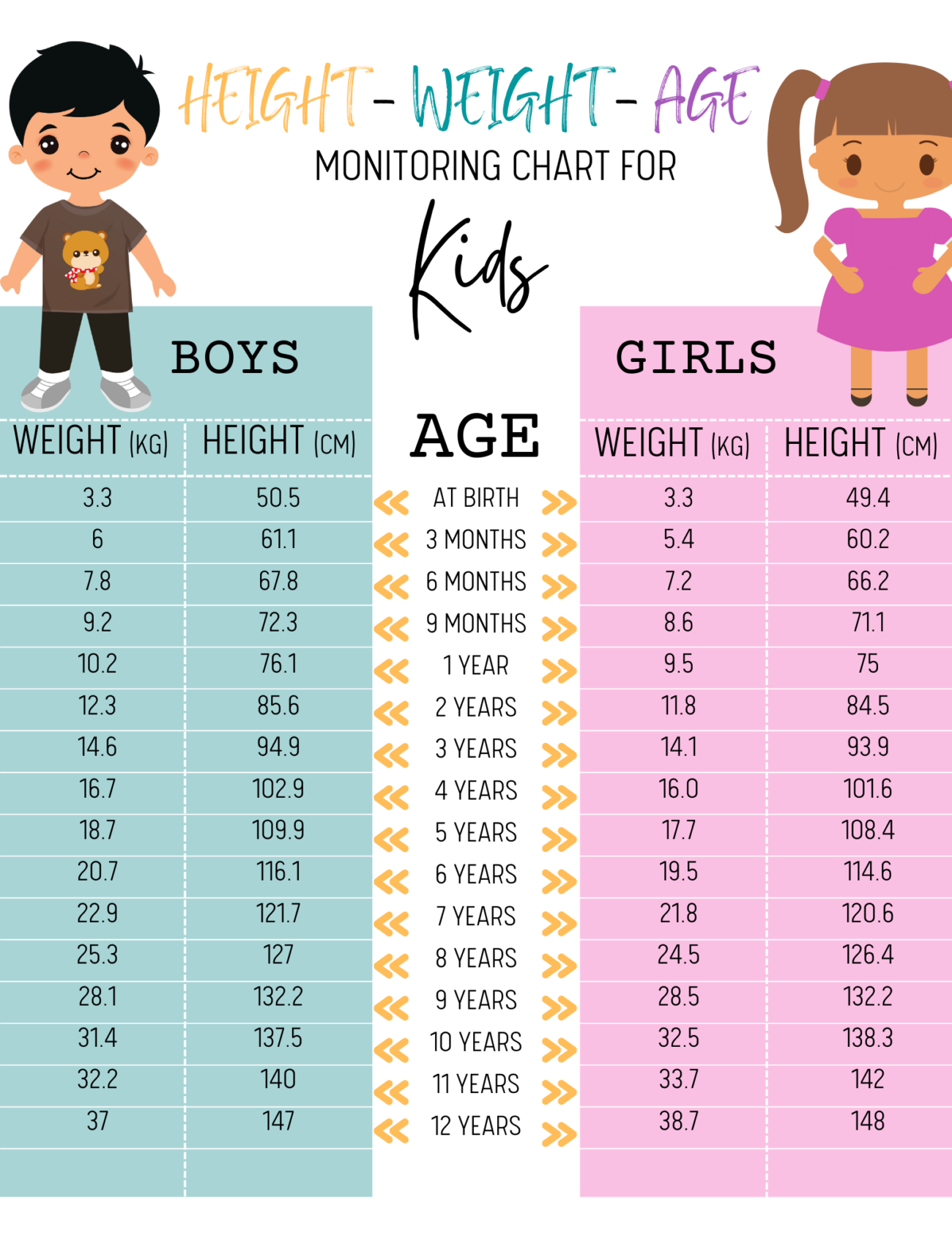
Keeping track of your child’s growth is vital for their health and development. It can be challenging to know if they are on the right growth track, especially with so many pediatric growth charts available. A Children’s Height And Weight Chart provides a straightforward way to monitor your child’s growth over time, ensuring they are within healthy ranges. In this guide, I’ll walk you through how to use this chart effectively in a few simple steps.
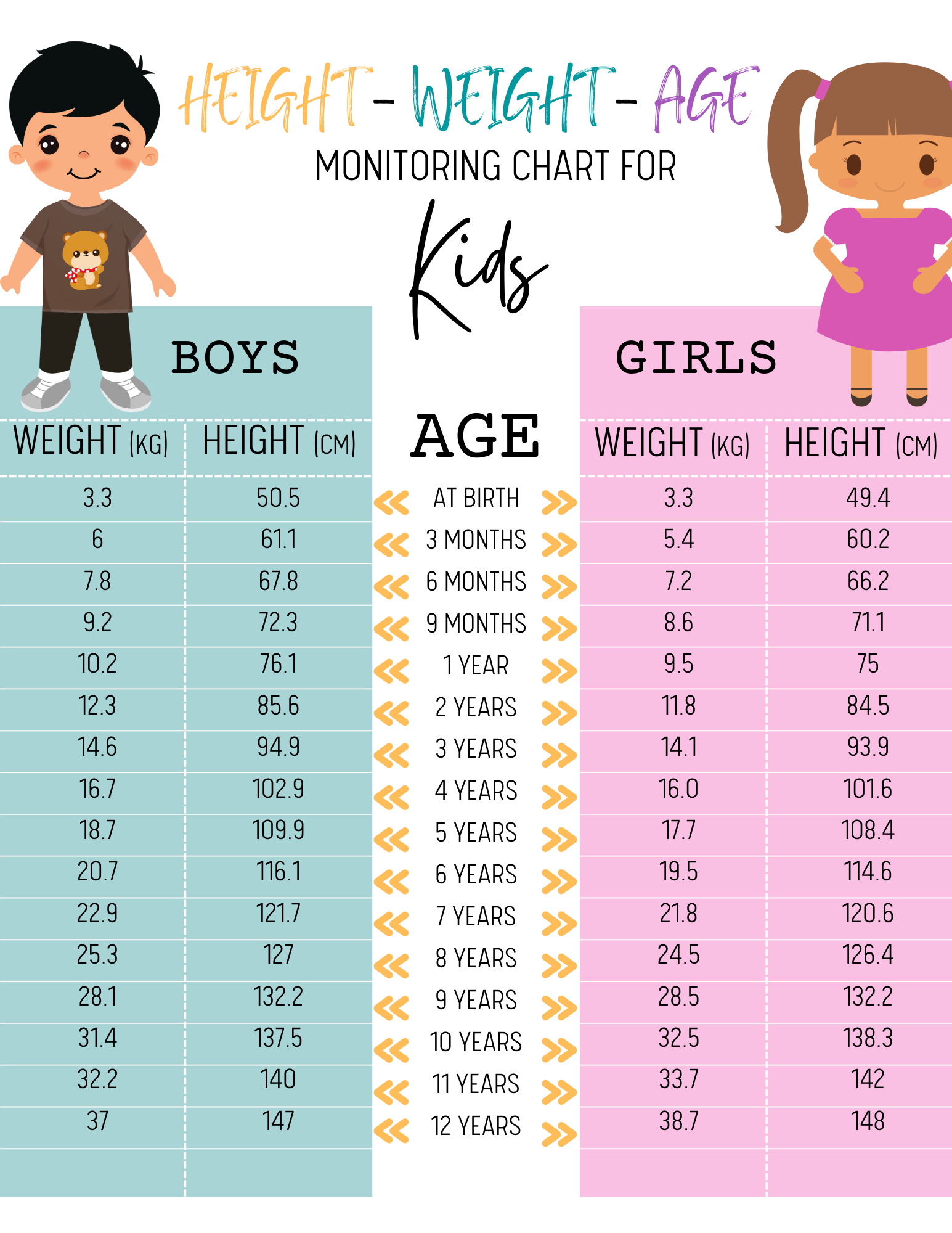
Understanding the Children’s Height And Weight Chart
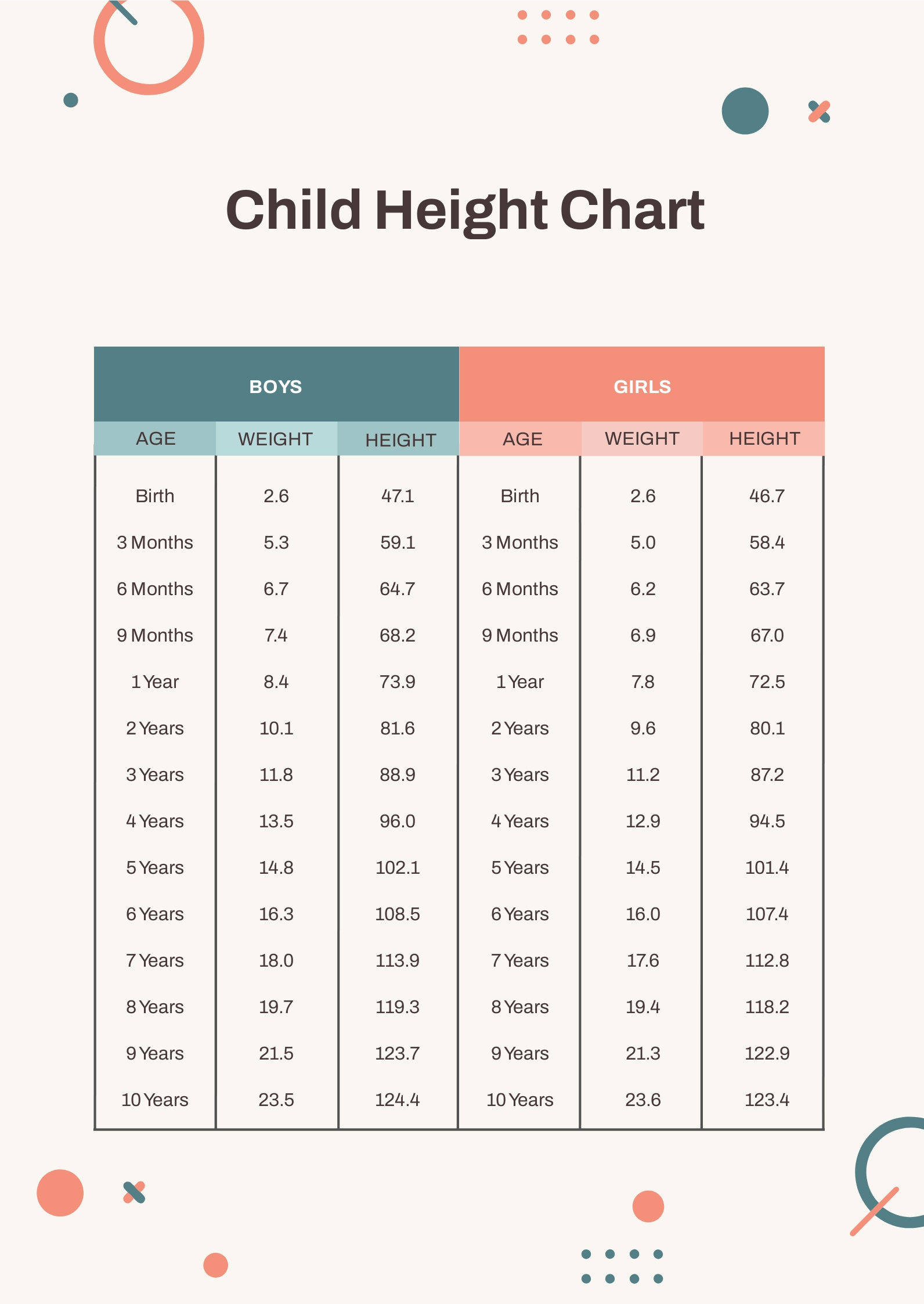
A Children’s Height And Weight Chart is designed to help you visualize your child’s growth patterns compared to standard growth percentiles. These percentiles are based on data collected from a large population of children and are used by pediatricians to assess growth. The chart typically features:
- Height measurements (usually in inches or centimeters)
- Weight measurements (in pounds or kilograms)
- Percentile lines showing the average growth patterns for children of the same age and sex
When you download and print the chart, you’ll find it divided into age groups, making it easy to track your child’s growth over the years.
How to Fill Out the Chart
Now that you have your Children’s Height And Weight Chart ready, it’s time to fill it out. Here’s a step-by-step guide to help you:
- Gather Necessary Information: Before you begin, collect your child’s height and weight measurements. It’s best to measure them at the same time every month for consistency.
- Locate the Age Group: Find the section on the chart that corresponds to your child’s age. The age groups are typically broken down by months or years.
- Record Height and Weight: Using a ruler or a tape measure, measure your child’s height. For weight, use a reliable scale. Record these numbers in their respective columns.
- Mark the Percentiles: After noting down the measurements, check where they fall on the chart. Each line represents a percentile. For instance, if your child’s weight is in the 75th percentile, it means they weigh more than 75% of children their age.
- Repeat Regularly: Make it a habit to update the chart regularly. Monthly updates allow you to see trends and catch any potential growth issues early.
Where This Chart Fits in Your Routine
Using a Children’s Height And Weight Chart should be a regular part of your parenting routine. Here’s how to incorporate it:
- Monthly Check-Ins: Set a reminder on your phone or calendar for monthly check-ins. This will help you stay consistent without forgetting.
- Doctor Visits: Bring the chart to your child’s pediatrician appointments. This provides a visual representation of your child’s growth over time and can facilitate discussions about their health.
- Celebrate Milestones: Tracking growth allows you to celebrate milestones, such as when your child reaches a new height or weight percentile. This can be motivating for both you and your child.
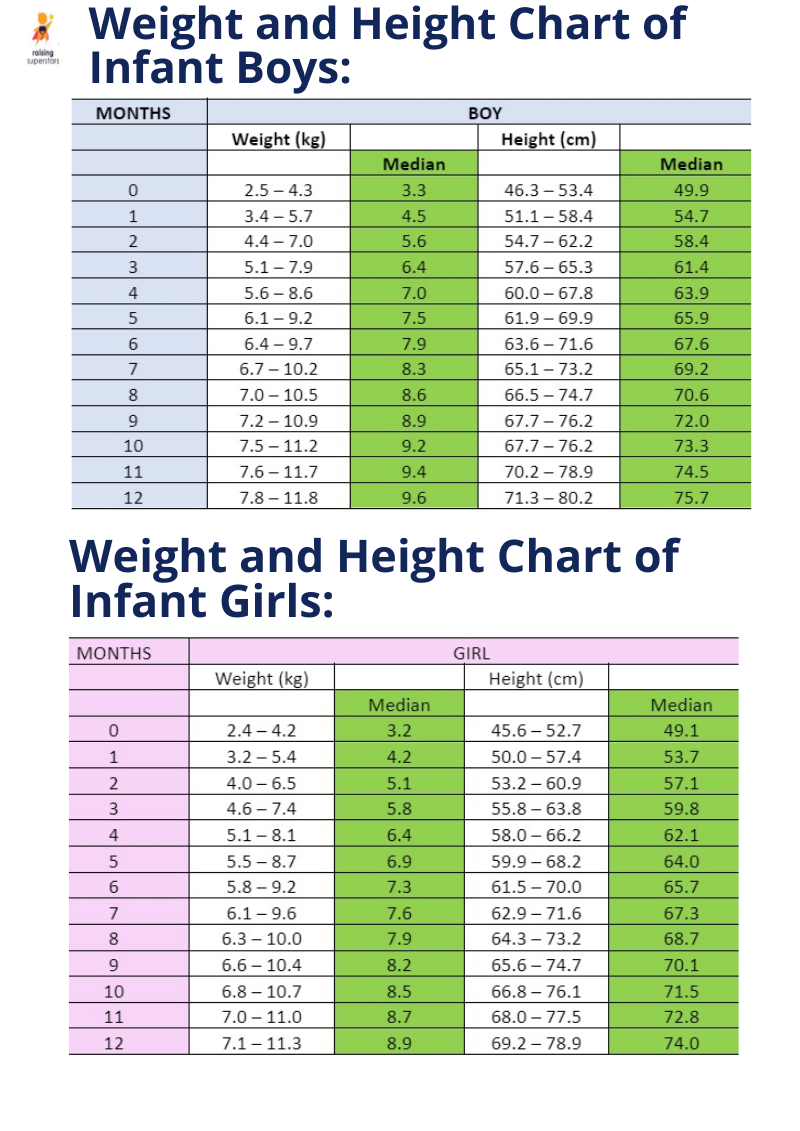
Tips for Effective Use of the Chart
To maximize the effectiveness of your Children’s Height And Weight Chart, consider these practical tips:
- Use a Quality Printer: If you’re printing your chart, ensure you use a high-quality printer. This will make the lines and numbers clearer, making it easier to read.
- Choose the Right Paper: A heavier paper or cardstock can withstand wear and tear, especially if you plan to take notes or use it regularly.
- Keep It Accessible: Display the chart in a visible location, like a family bulletin board or your child’s room. This keeps it top of mind for you and encourages your child to engage with their growth journey.
- Discuss Growth Openly: Talk to your child about their growth. Explain the importance of being healthy and how they can contribute to their well-being through good nutrition and physical activity.
