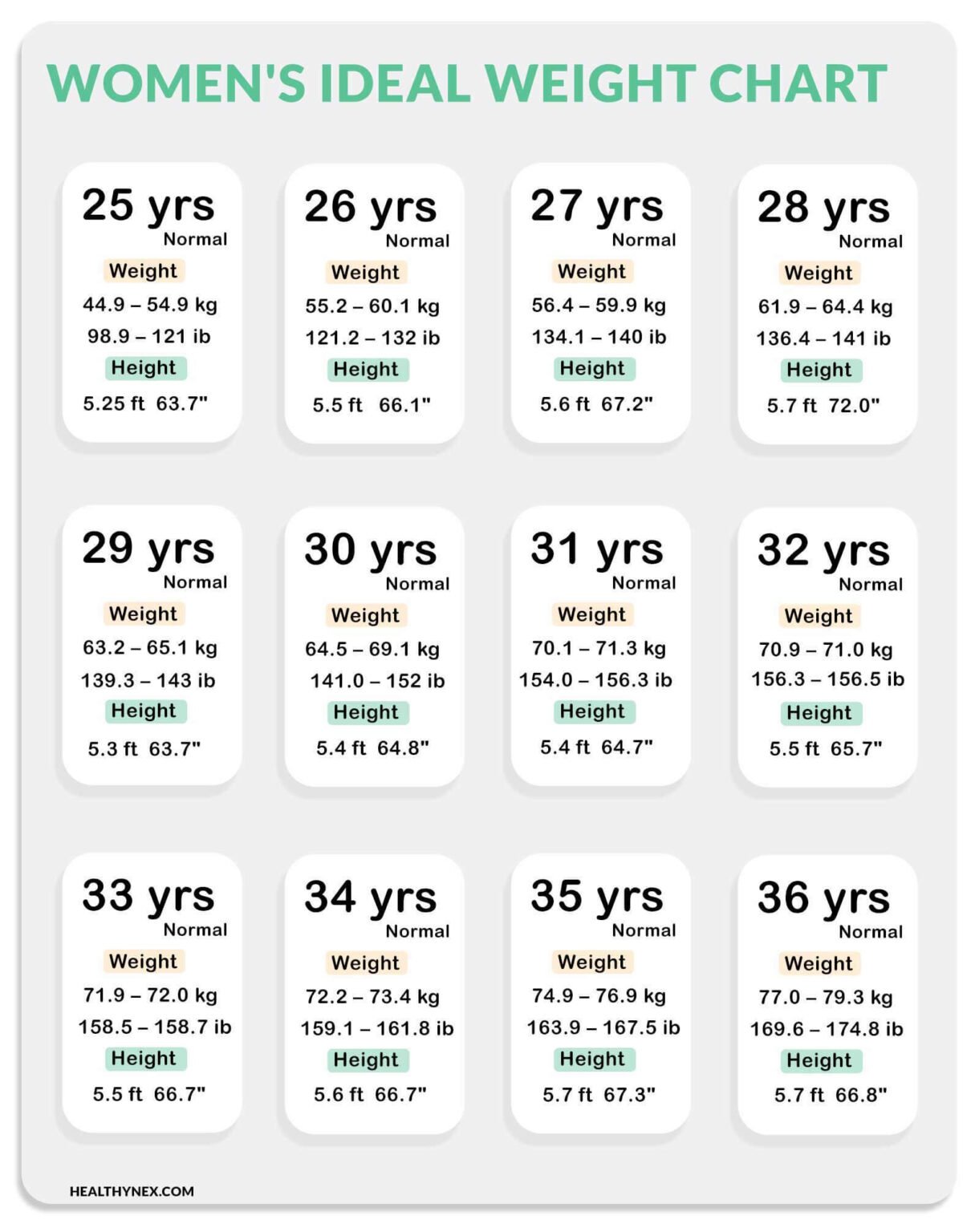
Understanding your weight in relation to your age is crucial for maintaining a healthy lifestyle. A Women’s Weight Chart By Age provides a visual representation of the average weight ranges for women at different ages. This chart can be an invaluable tool for those looking to track their health progress, set realistic weight goals, or simply gain insight into their own wellness journey.
What is a Women’s Weight Chart By Age?
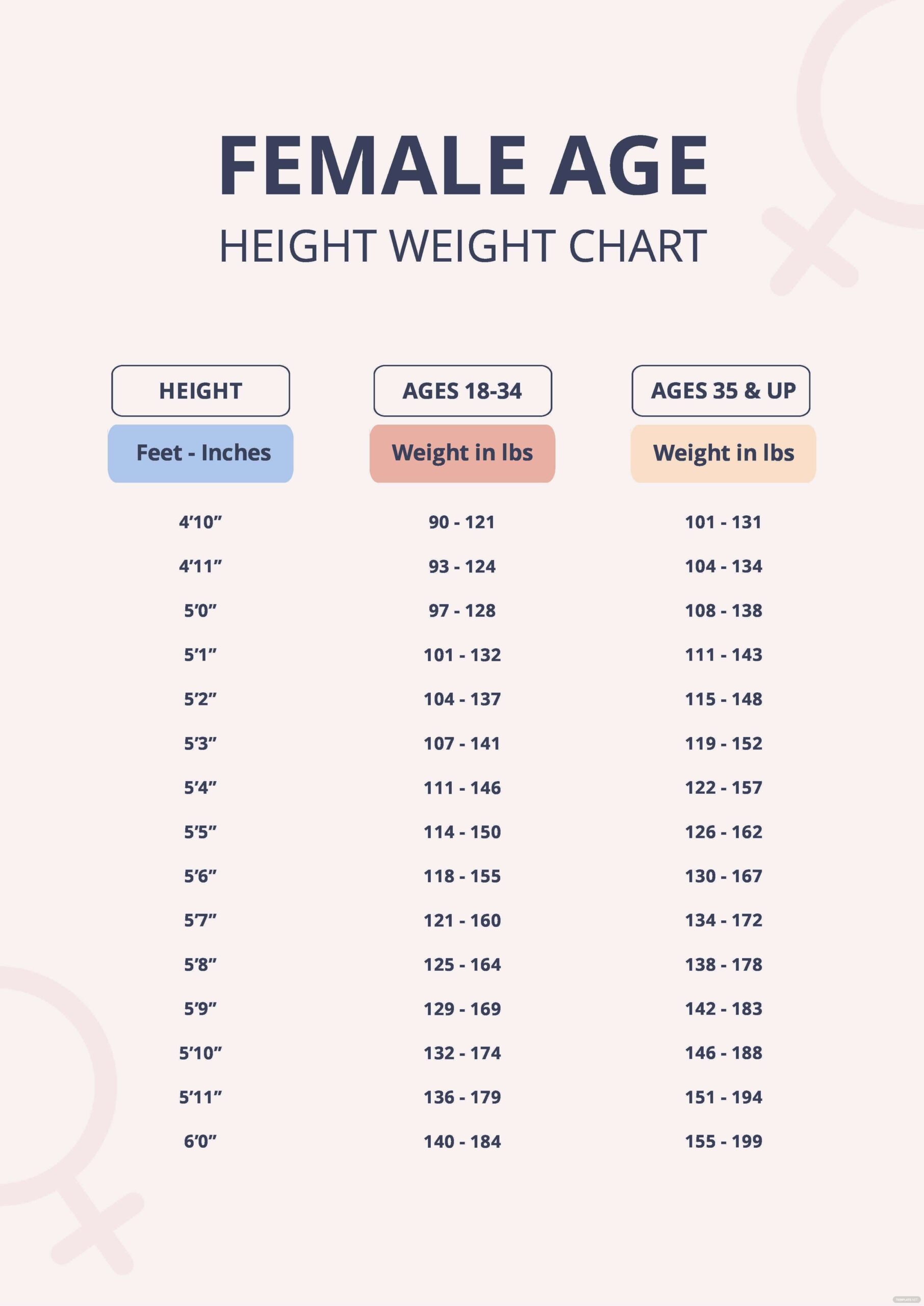
A Women’s Weight Chart By Age is a resource that outlines the average weight ranges corresponding to various age groups. Typically, these charts include data for women from adolescence through older adulthood, reflecting changes in body composition and health considerations over time.
This chart is especially useful for women who want to monitor their weight changes or those who are embarking on a weight management program. By understanding where you fit into the average weight spectrum for your age, you can make more informed decisions about your diet, exercise, and overall health.
How to Use the Women’s Weight Chart By Age
Using the Women’s Weight Chart By Age is straightforward, but there are a few practical tips you should keep in mind:
- Know Your Measurements: Before you consult the chart, ensure you have an accurate measurement of your current weight. It’s best to weigh yourself at the same time each day, preferably in the morning after using the restroom and before eating or drinking.
- Understand the Ranges: The chart will typically show a range of weights for each age group. For example, a common range for women aged 20-29 might be 110-145 pounds, while women aged 30-39 might see a range of 115-150 pounds. Recognize that these ranges account for variations in height and body composition.
- Track Your Progress: If you are using the chart to monitor your weight over time, consider keeping a weight journal. Write down your weight weekly or bi-weekly and note any lifestyle changes such as diet or exercise routines that may influence your weight.
- Set Realistic Goals: Use the chart as a benchmark for setting achievable weight goals. It’s important to remember that your weight should be a reflection of your overall health rather than a strict number. Focus on how you feel and whether you are able to maintain a healthy lifestyle.
Understanding the Impact of Age on Weight
As women age, their bodies undergo various changes that can affect weight. Hormonal fluctuations, muscle mass loss, and changes in metabolism can all play significant roles. Here are some factors to consider:
- Hormonal Changes: Women experience hormonal changes throughout their lives, particularly during puberty, pregnancy, and menopause. These changes can influence body weight and fat distribution.
- Metabolism: As women age, metabolic rates generally slow down, meaning the body may require fewer calories to maintain weight. This can lead to unintentional weight gain if dietary habits do not adjust accordingly.
- Muscle Mass: Muscle mass typically decreases with age, which can affect weight and body composition. Engaging in regular strength training can help mitigate muscle loss and maintain a healthy metabolism.
When to Consult a Professional
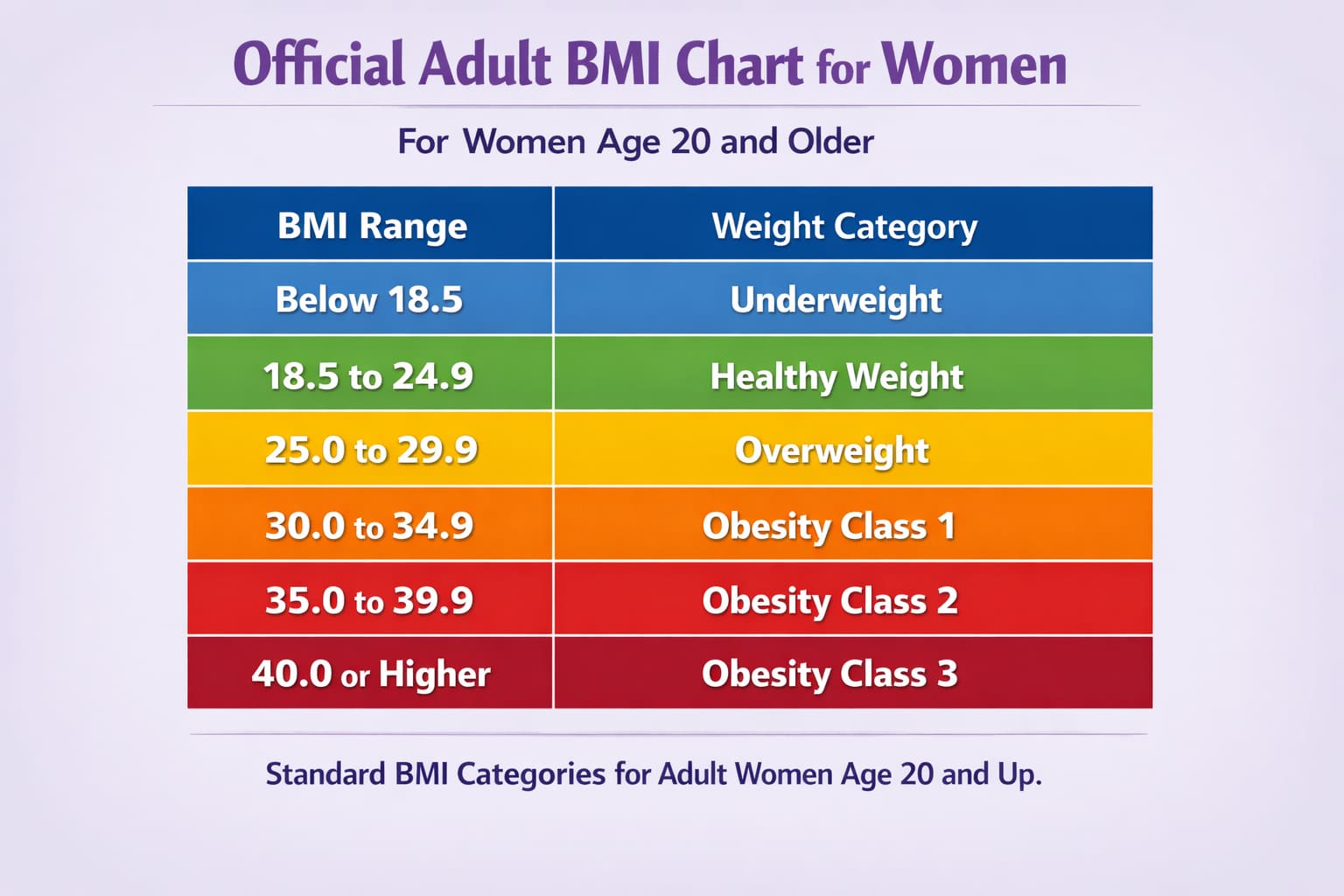
While the Women’s Weight Chart By Age can provide useful guidelines, it’s essential to remember that every woman’s body is unique. If you find yourself significantly above or below the recommended weight ranges, or if you’re struggling to maintain a healthy weight, it’s a good idea to consult a healthcare professional. They can provide personalized insights into your health needs and help you develop a tailored plan that works for you.
Printable Resource for Tracking Your Weight
To make the most of the Women’s Weight Chart By Age, consider creating a printable weight tracker. This resource can be customized to include:
- Current Weight: Record your weight each week.
- Date: Note the date for accurate tracking.
- Goal Weight: Set a target weight to keep you motivated.
- Comments: Add notes about your diet or exercise routines, which can help you identify patterns over time.
When creating your tracker, use a standard paper size like 8.5” x 11” for easy printing. A portrait layout is often more suitable for home printers, and using cardstock can enhance durability if you plan to laminate it.
