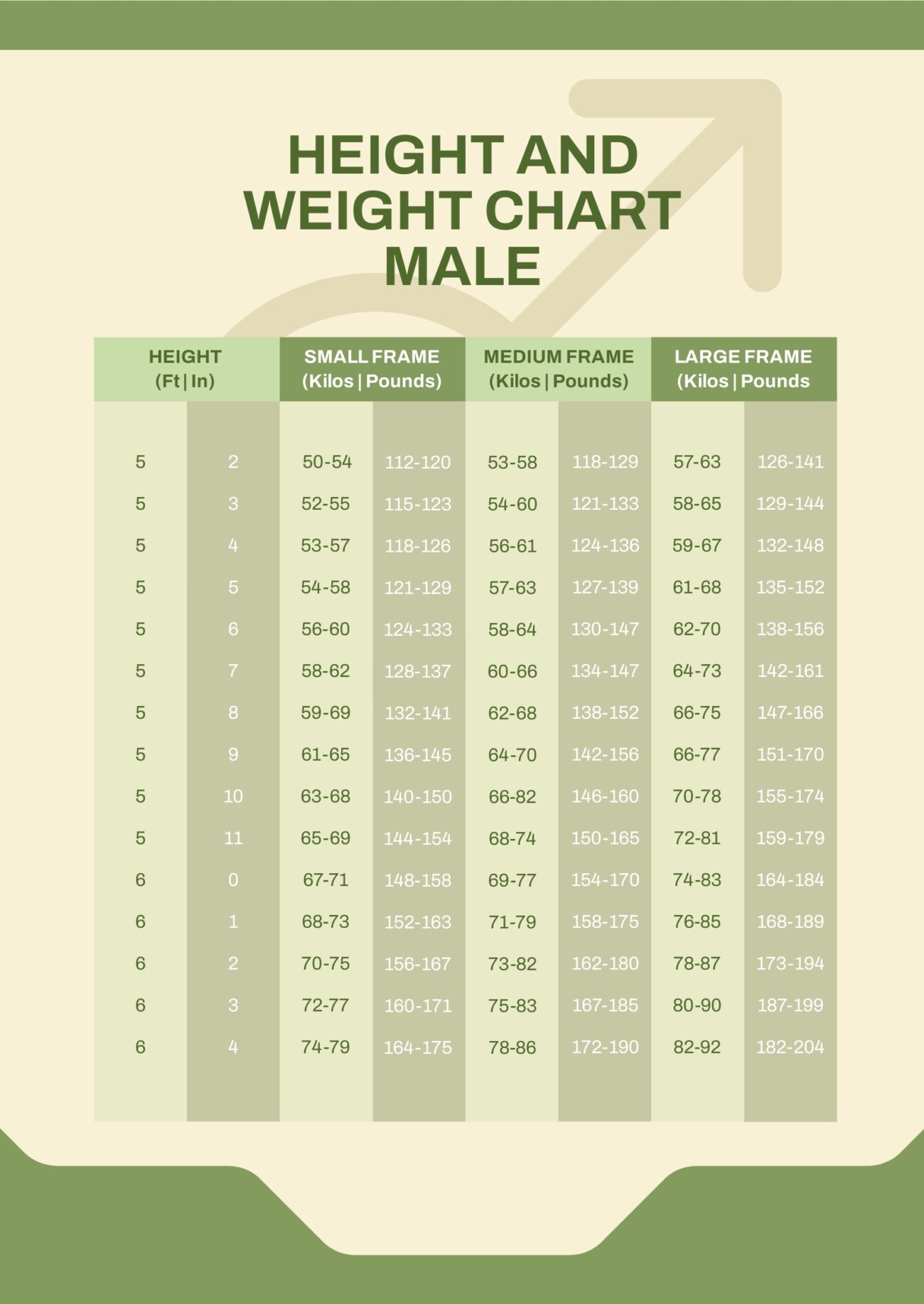
Understanding your body measurements is crucial for tracking health and fitness goals, and a Chart For Height And Weight For Males is an essential tool for every adult. This chart can help you monitor weight relative to height and assess whether you’re in a healthy range. If you are looking to manage weight, track growth in younger males, or simply keep a record of your health journey, having this chart readily available can be a great asset.
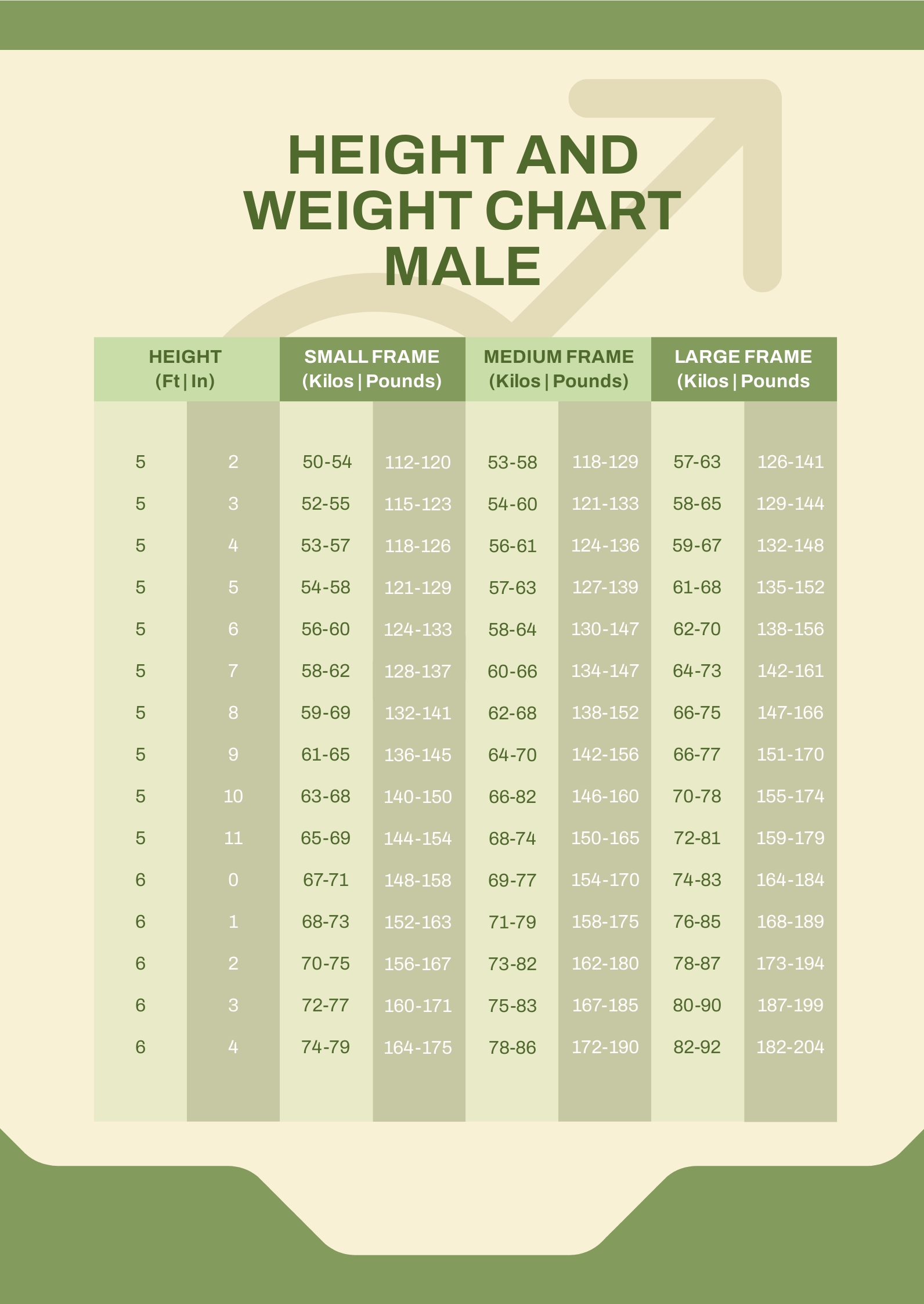
What Is a Height and Weight Chart?
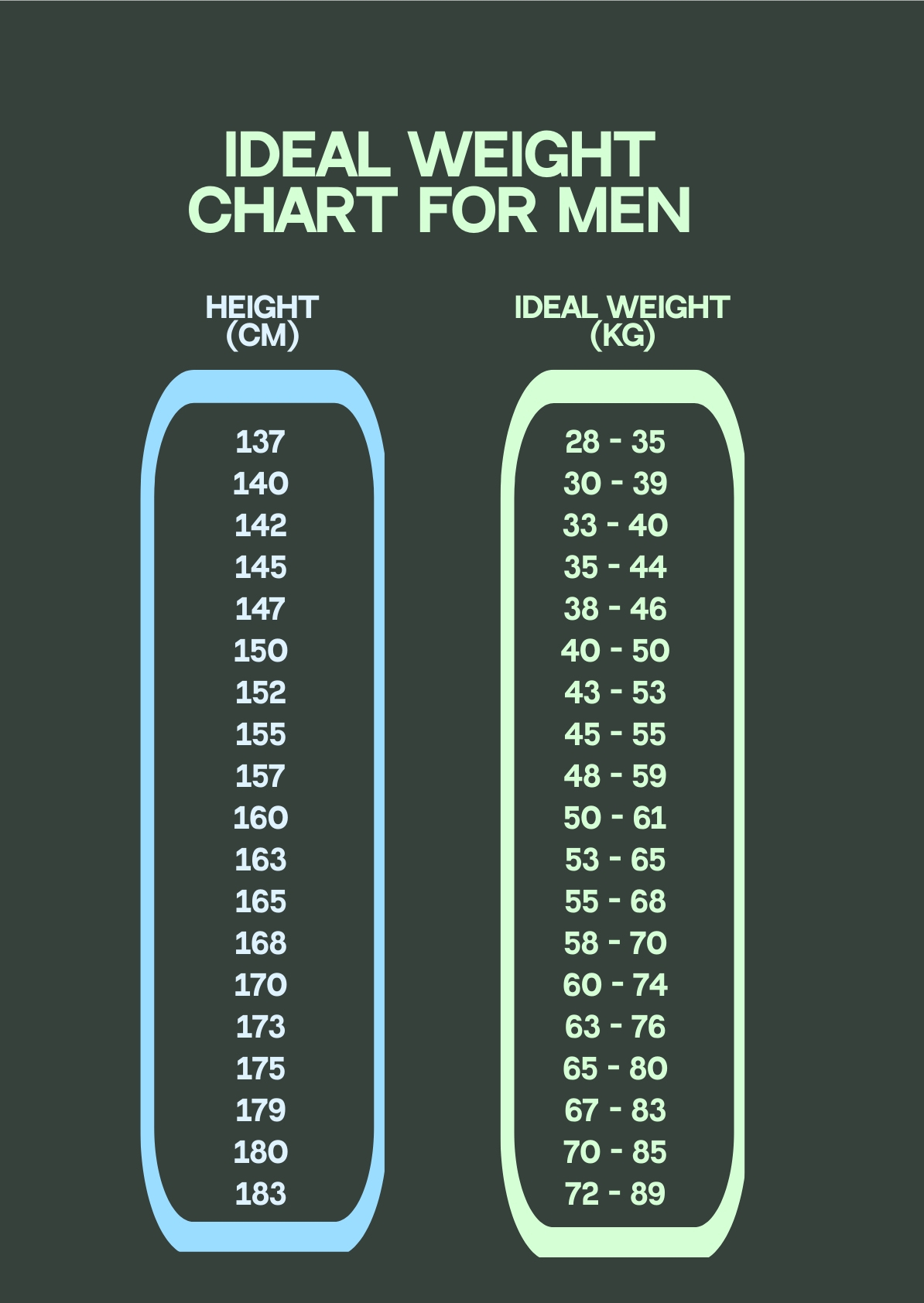
A height and weight chart is a visual representation that shows the relationship between a person’s height and their corresponding healthy weight range. It typically includes a range of weights for various heights, allowing you to quickly see where you stand. This chart can help you determine If you are underweight, at a healthy weight, overweight, or even categorized as obese based on your height.
These charts are often expressed in pounds for weight and inches for height. When using a chart, you can easily find your height on the vertical axis and see the recommended weight range that corresponds to it.
How to Use the Height and Weight Chart
To utilize the Chart For Height And Weight For Males effectively, follow these steps:
- Locate Your Height: Start by finding your height on the left side of the chart. It’s usually marked in inches.
- Find Your Weight Range: Move horizontally across the chart to find the range of healthy weights that correspond to your height. This range will typically be highlighted or marked clearly.
- Assess Your Measurements: If you have a scale at home, weigh yourself and see where you fit within the recommended range. If your weight is above or below this range, it may be time to adjust your diet or exercise routine.
- Track Progress: Keep a record of your weight over time. This can be done by jotting down your weight on the chart or creating a separate log. Regularly updating your measurements can help you stay motivated and on track.
Understanding BMI and Its Relation to the Chart
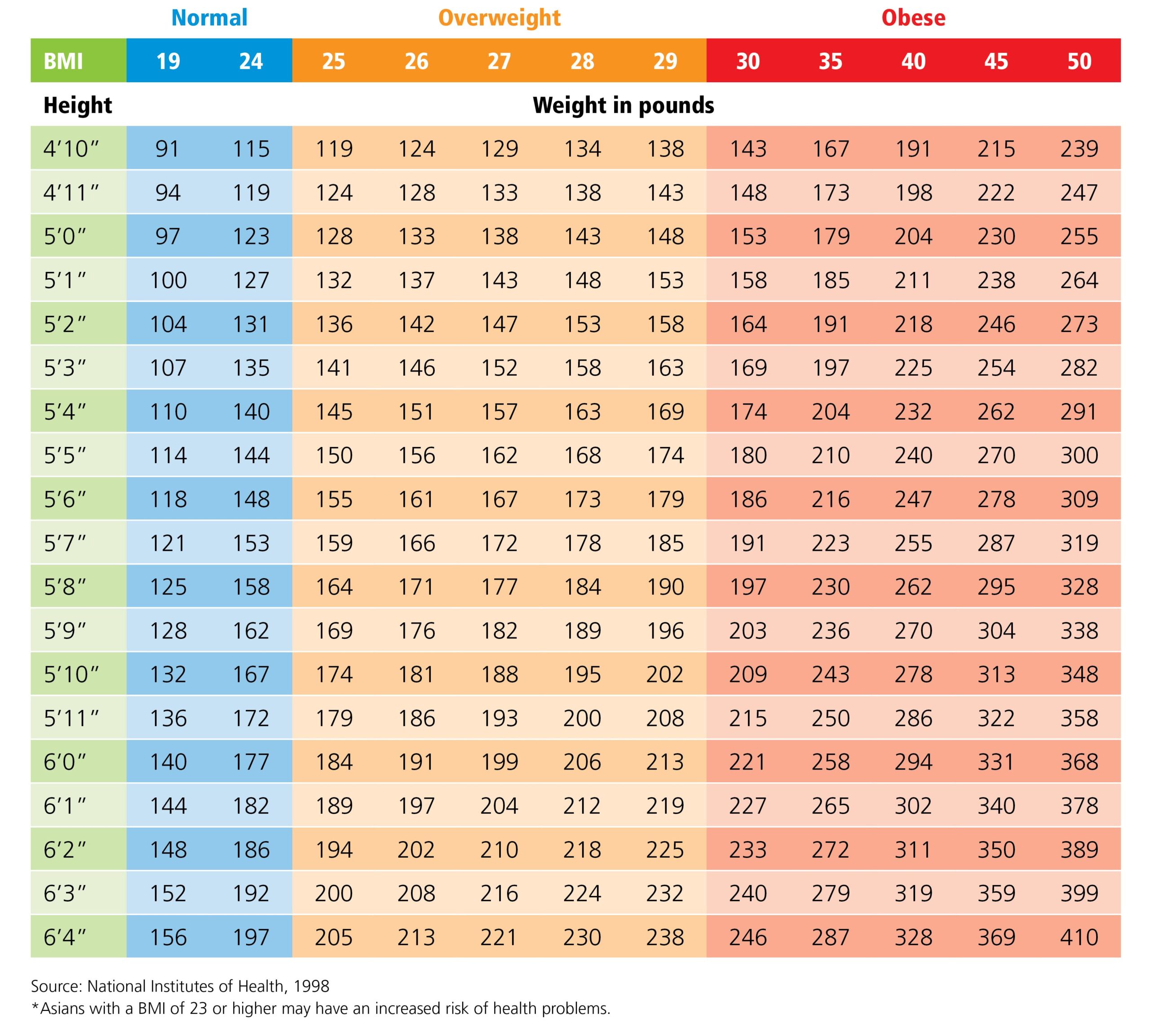
While the height and weight chart is a useful tool, it’s also beneficial to understand Body Mass Index (BMI). BMI is a calculation that uses height and weight to determine whether you are in a healthy weight range. You can calculate your BMI using the following formula:
- BMI = (Weight in pounds / (Height in inches x Height in inches)) x 703
Referencing your BMI alongside the height and weight chart can provide a more comprehensive view of your health. For instance, a person may have a weight that falls within the healthy range but still have a high BMI due to factors like muscle mass.
Where to Find a Downloadable Chart
You can find printable resources for the Chart For Height And Weight For Males on various websites dedicated to health and fitness. These resources are typically available in PDF format, making them easy to download, print, and use.
When searching for a chart, look for one that includes:
- Age Ranges: Some charts cater to different age groups, which can be particularly useful for tracking boys’ growth during puberty.
- Clear Measurements: Ensure that the chart is easy to read, with clearly marked heights and weights.
- BMI Information: Some charts may also include BMI ranges for added context.
Tips for Using Your Height and Weight Chart
To make the most out of your height and weight chart, consider these practical tips:
- Regular Updates: Weigh yourself regularly—ideally once a week or every month—to keep your records accurate.
- Focus on Trends: Instead of getting caught up in daily fluctuations, look for trends over time. Weight can vary day-to-day due to hydration and other factors.
- Set Goals: Use the chart to set realistic weight goals based on your height. This can help you stay motivated and focused.
- Consult a Professional: If you’re unsure about your weight or how to achieve your goals, consider consulting with a healthcare provider or a nutritionist. They can offer personalized advice based on your individual needs.
