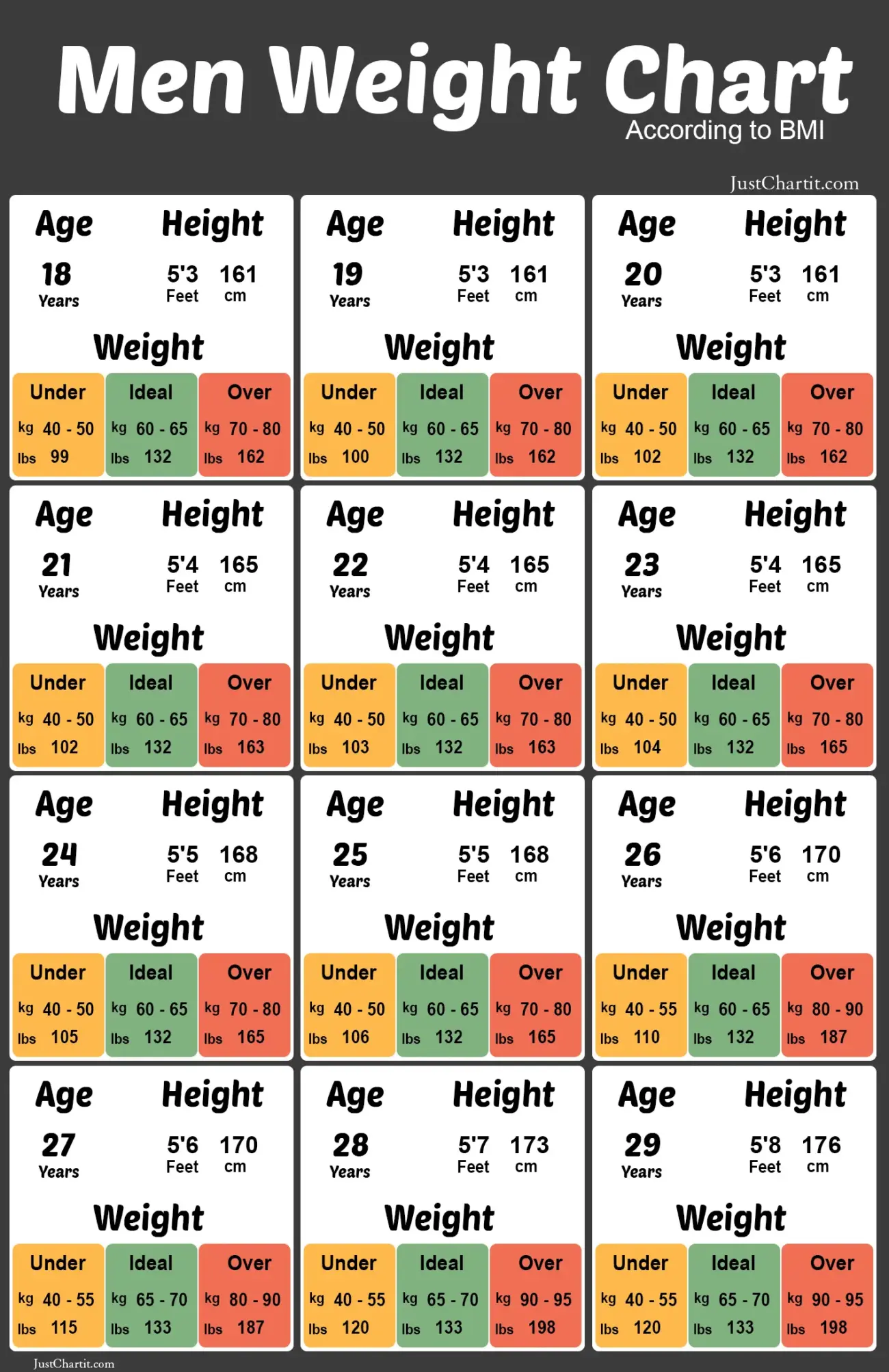
Understanding the Age Weight Chart For Men is essential for parents and guardians who wish to monitor the health and well-being of their family members. This chart serves as a reference to gauge whether a man’s weight is within a healthy range based on his age and height. It helps inform decisions related to nutrition, physical activity, and overall lifestyle choices. In this article, we’ll explore how to read the chart effectively, what information it typically includes, and how to make the most of this resource.
What is the Age Weight Chart For Men?
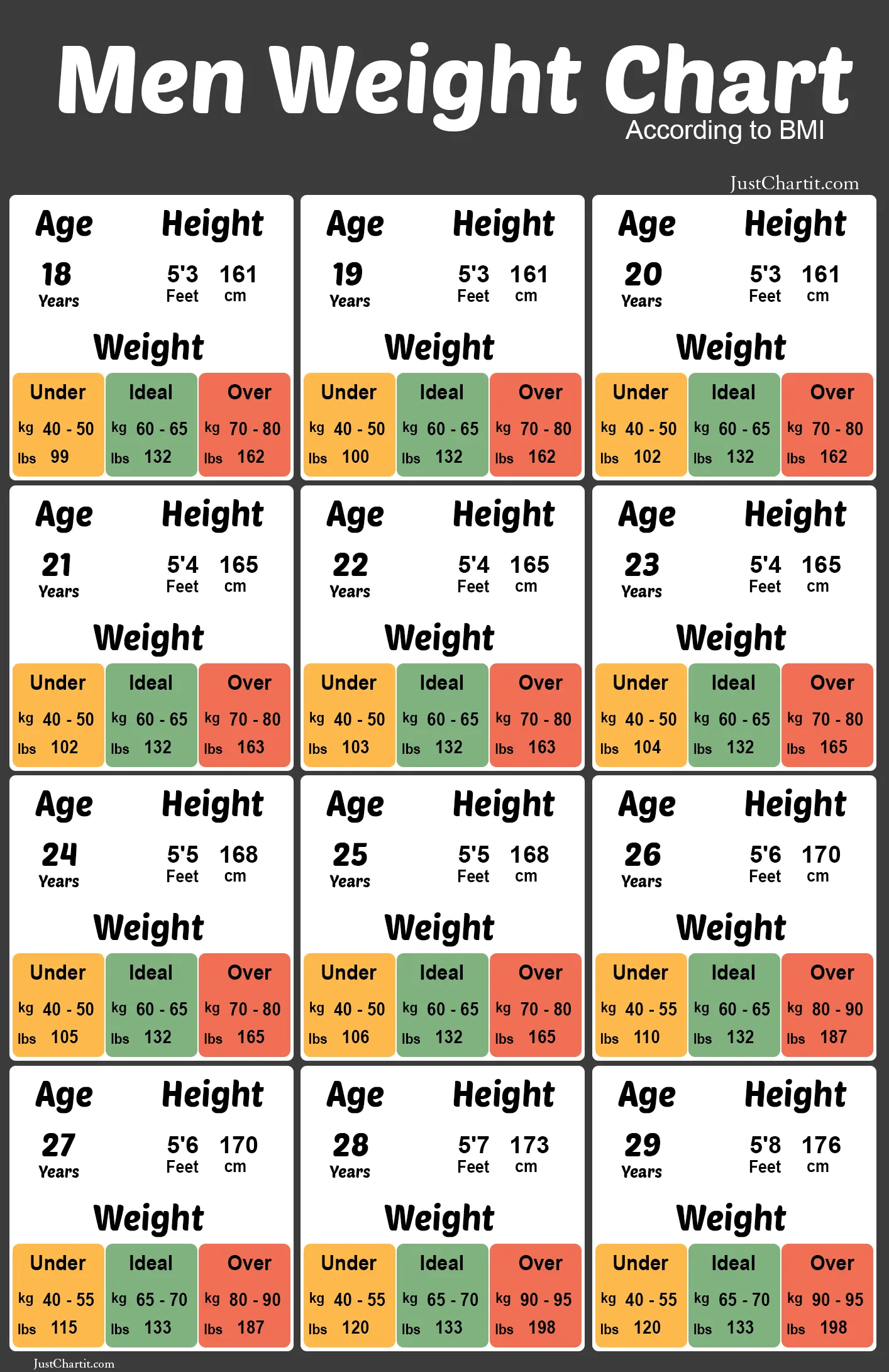
The Age Weight Chart For Men is a simple tool that lists healthy weight ranges for men across various age groups. It typically includes height categories, allowing users to find the appropriate weight range based on their height and age. This chart is useful for:
- Monitoring growth and development in boys transitioning to adulthood.
- Helping adults assess their weight in relation to their height and age.
- Providing a baseline for health discussions with healthcare providers.
How to Read the Age Weight Chart
Reading the Age Weight Chart For Men is straightforward once you know what to look for. Here’s a step-by-step guide:
- Identify Height: Locate your height on the chart. Heights are usually listed in inches or centimeters.
- Find Your Age Group: Look for the age category that corresponds to the individual’s age. Age groups might be segmented into ranges (e.g., 20-29, 30-39, etc.).
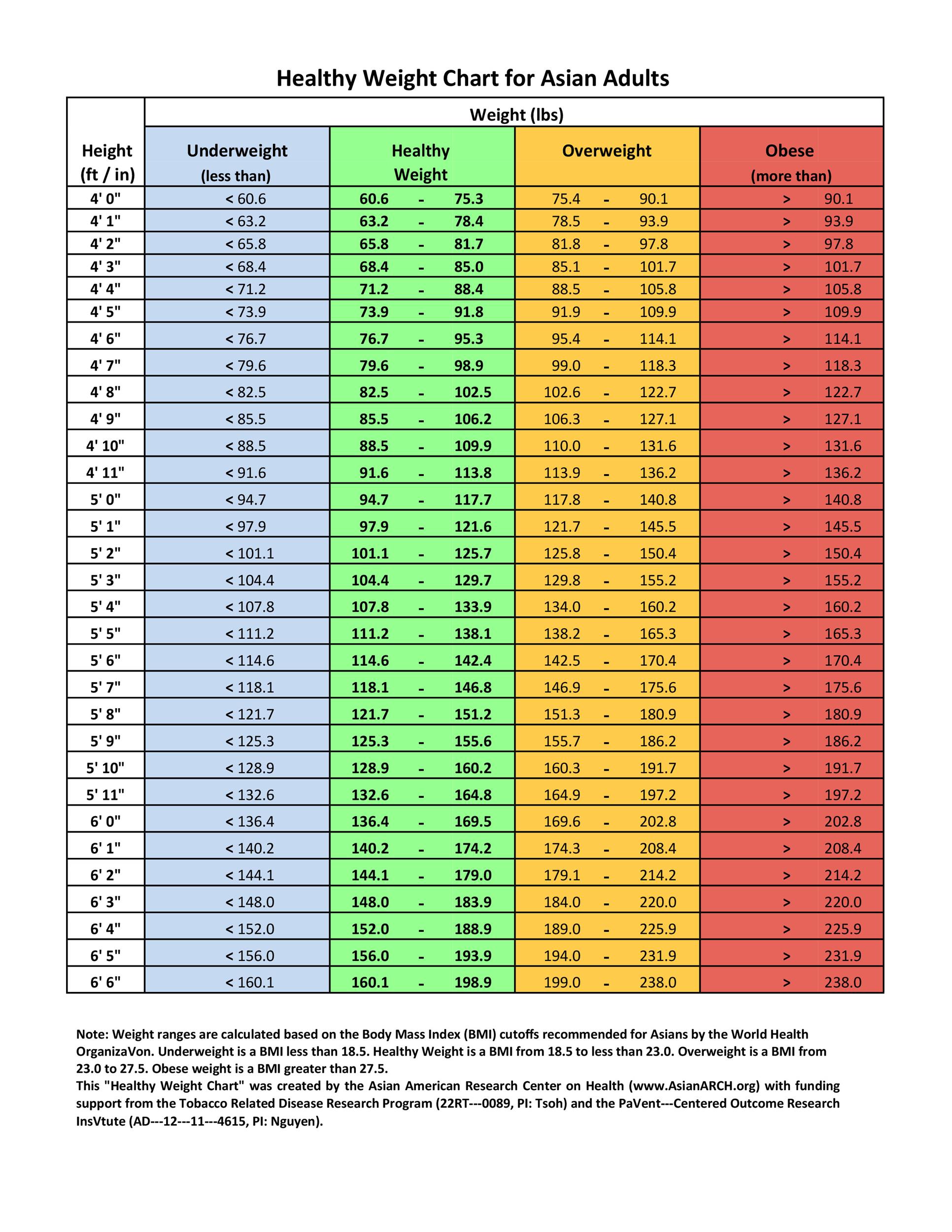
- Check Weight Range: The intersection of your height and age group will provide a range of healthy weights. For example, if you are 5 feet 10 inches tall and in the 30-39 age group, the chart might indicate a healthy weight range of 160-180 pounds.
Common Information Included
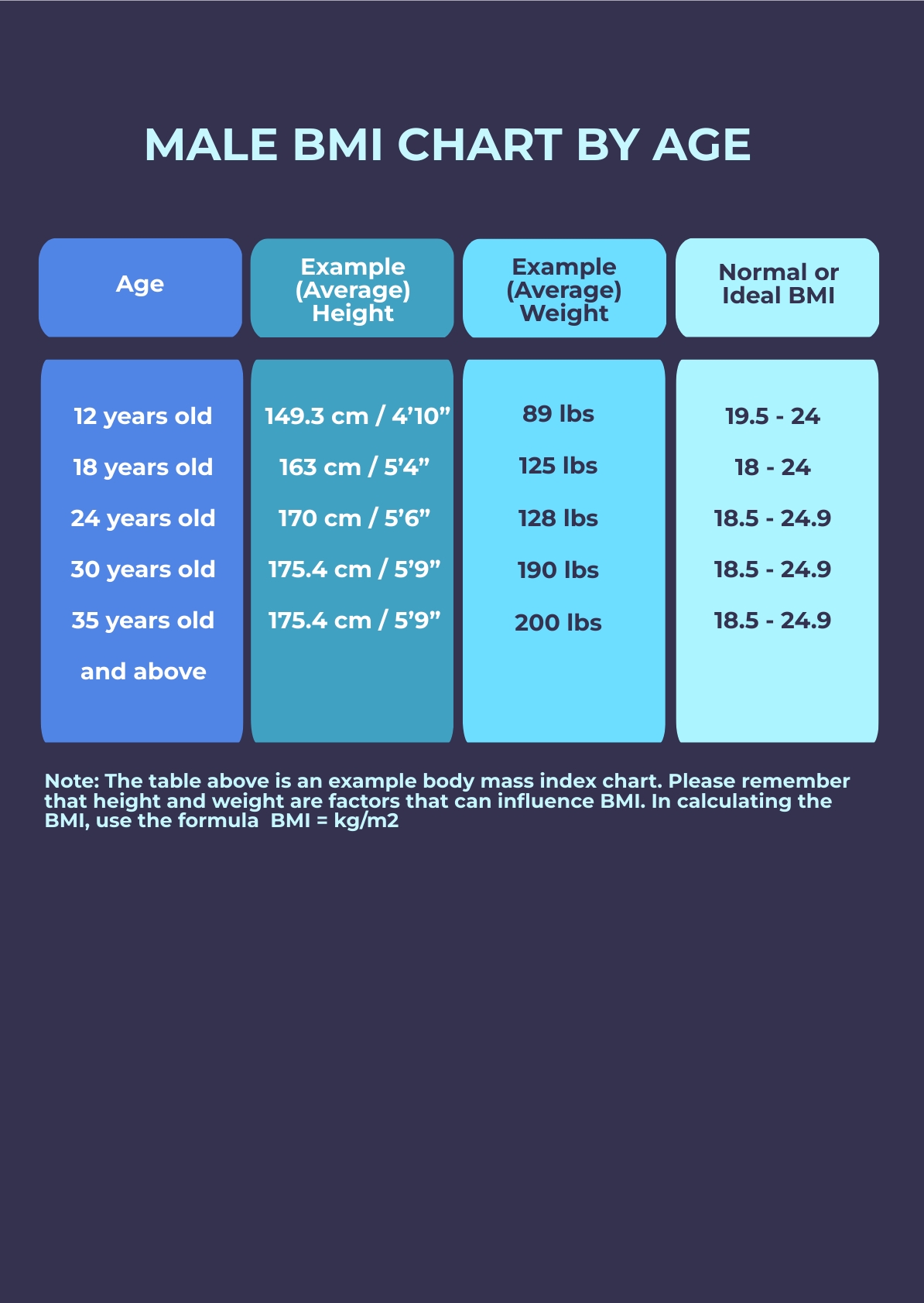
The chart usually includes:
- Height in inches or centimeters: This helps determine where you fit within the weight category.
- Weight range: A range of weights considered healthy for each height and age group.
- Age categories: These may vary but typically reflect life stages where weight management is crucial.
Practical Uses of the Age Weight Chart
This chart is not just a reference; it can be a practical tool in everyday life. Here are several ways you can utilize it:
- Health Monitoring: Regularly check the chart as part of health assessments, especially if there are changes in diet or exercise.
- Setting Goals: If weight loss or gain is desired, use the chart to set realistic and achievable goals based on the healthy ranges provided.
- Nutrition Planning: Use the data to inform dietary choices and understand how nutrition impacts weight at different life stages.
Preparing to Use the Chart
Before you start using the Age Weight Chart For Men, gather the necessary information. Here’s a quick checklist to prepare:
- Height Measurement: Ensure you have an accurate measurement of height. Stand straight against a wall without shoes for the best results.
- Current Weight: Weigh yourself using a reliable scale. For accuracy, do this at the same time each day, preferably in the morning.
- Age Information: Be clear about the individual’s age to reference the correct category on the chart.
Tips for Downloading and Printing the Chart
If you’re looking to download and print the Age Weight Chart For Men, here are some practical tips:
- Format: Look for a PDF format, which is easy to print and retains layout integrity. This avoids any reformatting issues that might occur with image files.
- Paper Size: Use standard letter size (8.5 x 11 inches) for easy printing at home. If you have access to a larger printer, consider using a larger paper size for better visibility.
- Orientation: Portrait layout typically works best for charts, making it easier to read the information without turning the paper.
Incorporating the Chart Into Your Routine
To make the most of the Age Weight Chart For Men, consider integrating it into your health and wellness routine. Here’s how you can do that:
- Regular Check-ins: Schedule regular intervals (like monthly or quarterly) to assess weight against the chart.
- Family Health Meetings: Use family gatherings to discuss health goals and share findings from the chart, making it a collective effort.
- Consult with Professionals: Bring the chart to appointments with healthcare providers to discuss weight concerns or health goals.
The Age Weight Chart For Men is more than just numbers; it’s a tool to promote health awareness and proactive living. To get started, download a copy today, print it out, and keep it accessible for regular reference.
