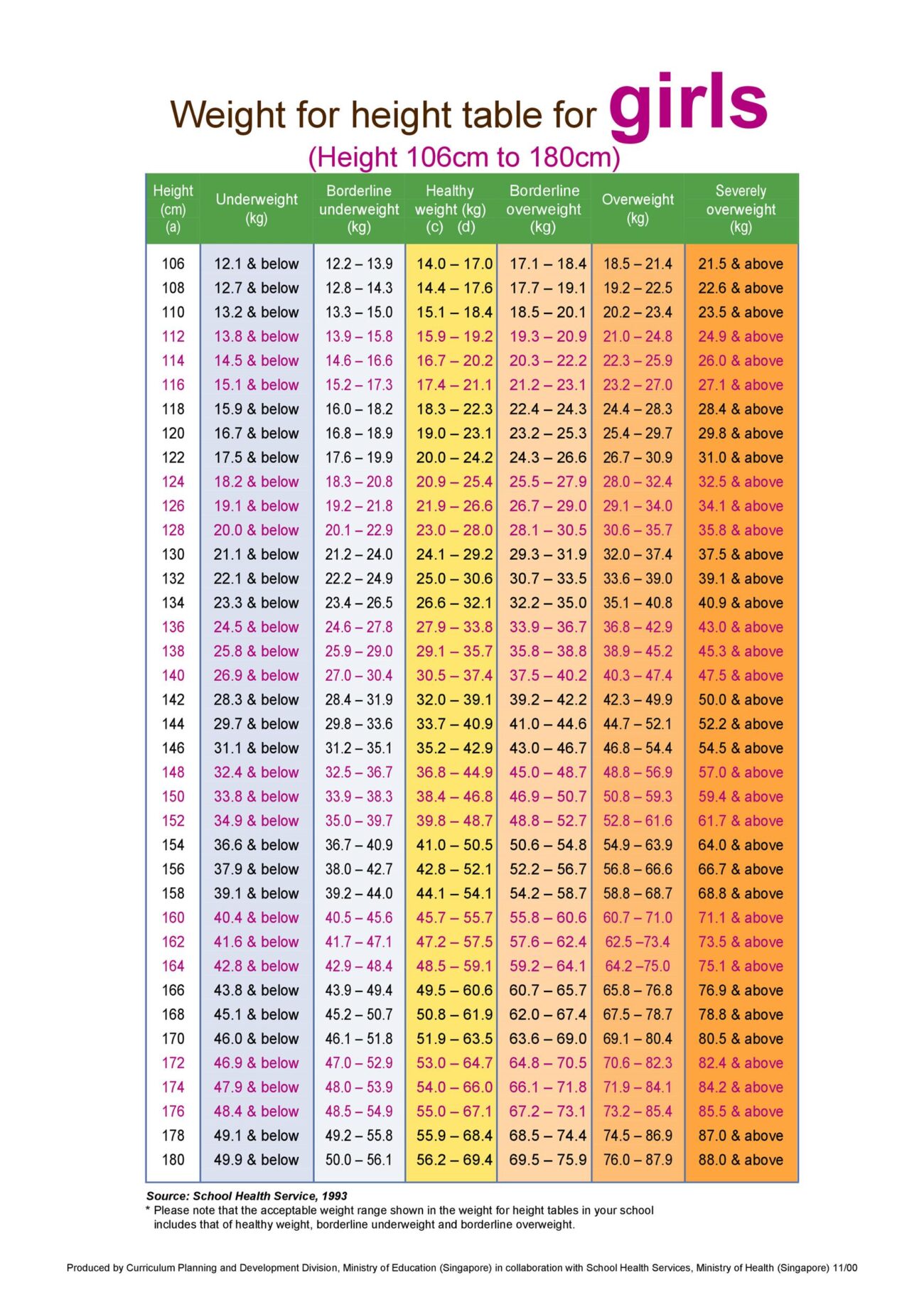
When it comes to tracking your child’s growth, having a reliable tool is essential. The Female Age Height And Weight Chart is a fantastic resource for parents and caregivers looking to monitor their daughters’ development over the years. This chart provides a clear visual representation of average height and weight for females at various ages, helping you ensure they are growing at a healthy rate. Let’s explore how to use this chart effectively and what you need to know before filling it out.
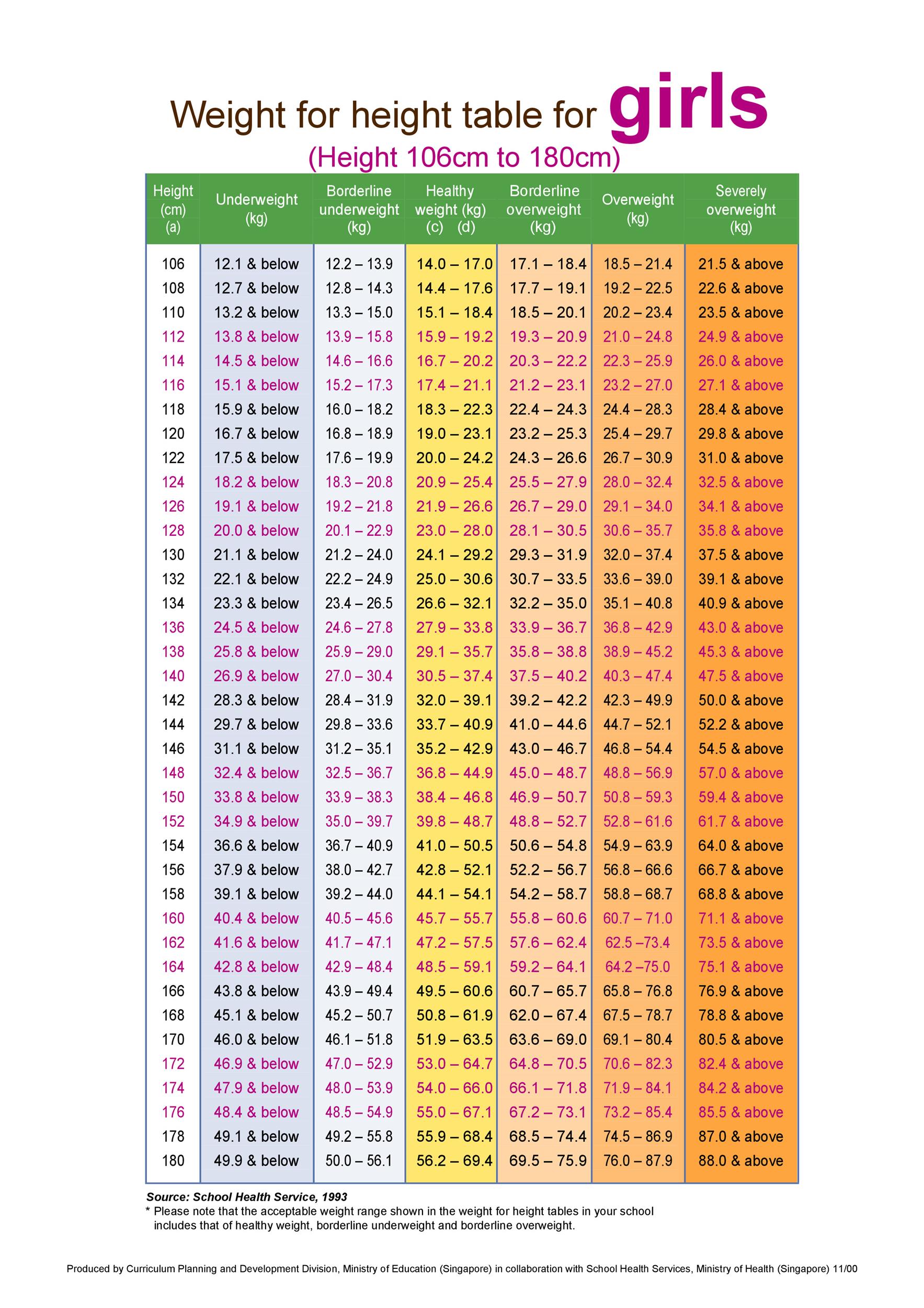
Understanding the Female Age Height And Weight Chart
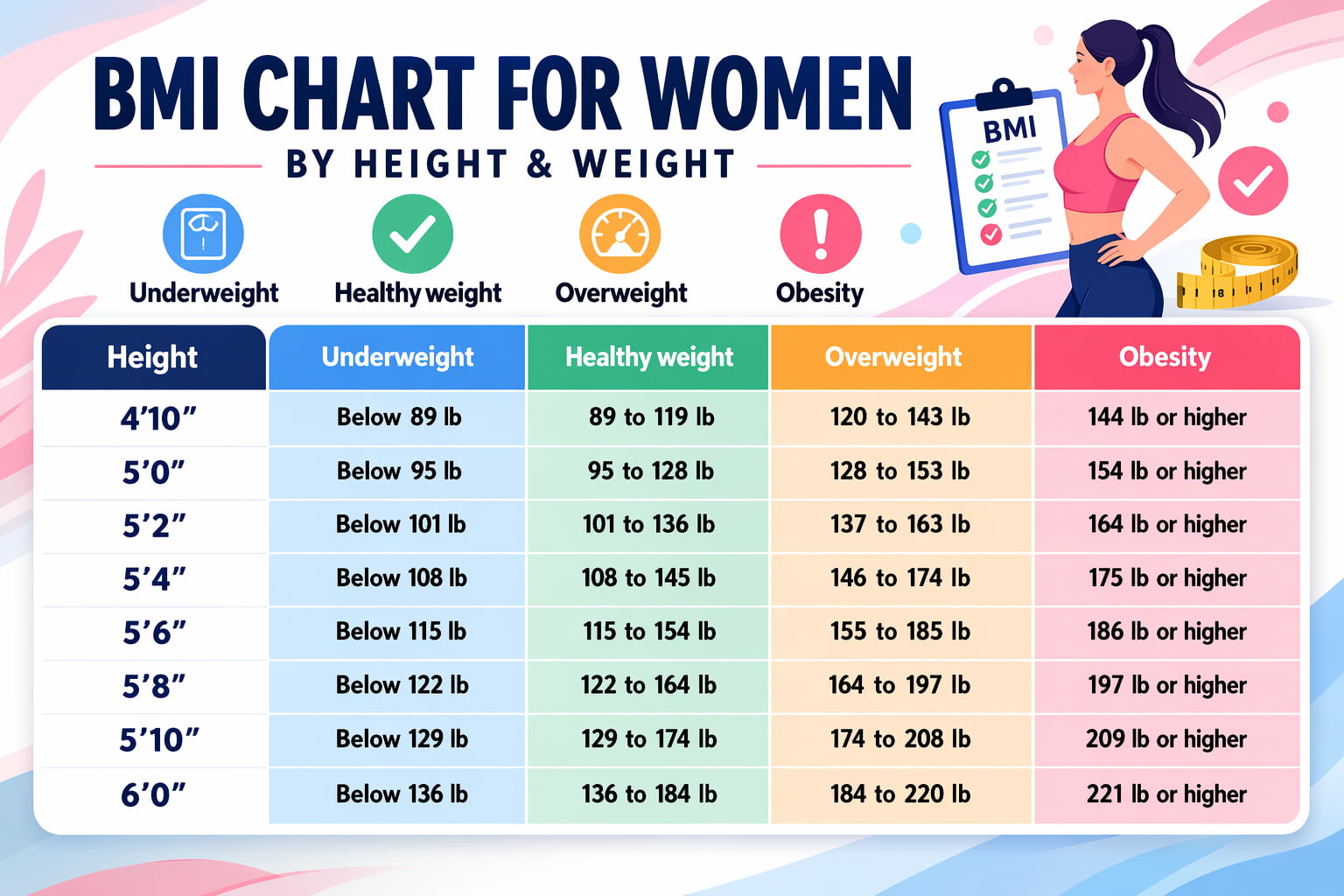
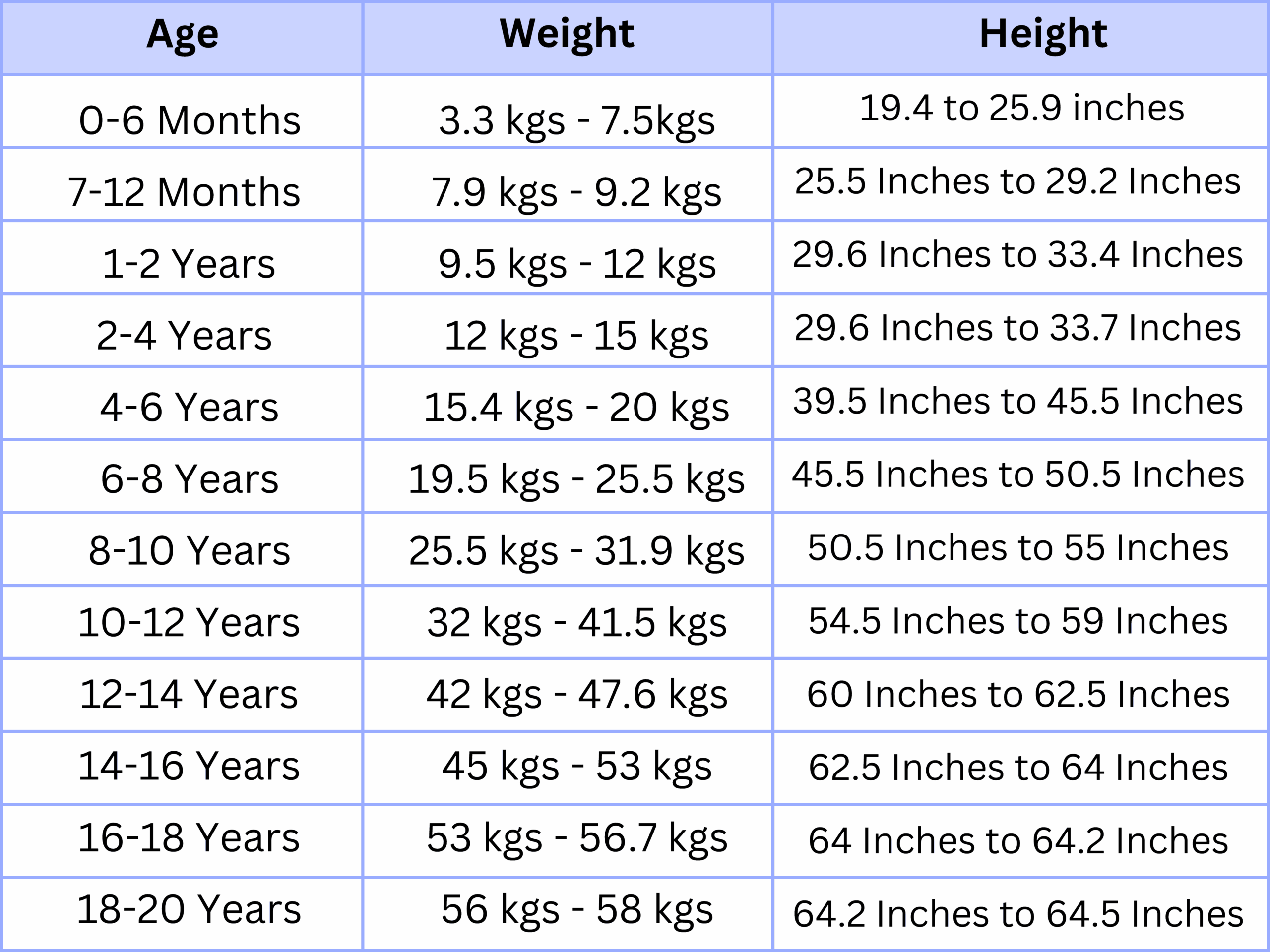
The Female Age Height And Weight Chart organizes data in a straightforward manner. Typically, you’ll find the ages listed along one axis, with corresponding average heights and weights on the other. This layout helps you quickly identify where your child falls in comparison to national averages.
To read the chart, locate your daughter’s age on the left side. Then, you can see the corresponding height and weight ranges. This information is particularly useful during regular check-ups, as it allows you to discuss growth patterns with your pediatrician confidently.
How to Use the Chart for Monitoring Growth
Using the Female Age Height And Weight Chart effectively involves a few simple steps. Here’s a handy guide to help you navigate this resource:
- Gather Necessary Information: Before using the chart, measure your child’s height and weight accurately. Make sure to use a stadiometer for height and a reliable scale for weight.
- Identify the Right Age Range: Once you have your child’s measurements, locate her age on the chart. This is crucial because growth patterns can vary significantly at different developmental stages.
- Compare Measurements: Find where your child’s height and weight intersect on the chart. Is she within the average range, or is she above or below? This visual representation can help you understand her growth trajectory.
- Keep a Record: It’s a good idea to note your child’s measurements over time. Create a simple table or chart of her height and weight at each pediatric appointment. This will help you spot trends and growth spurts.
- Consult with Professionals: If your child’s measurements are consistently outside the average range, don’t hesitate to consult with your pediatrician. They can provide tailored advice and support.
The Importance of Regular Monitoring
Regularly using the Female Age Height And Weight Chart can provide insights into your child’s overall health. Monitoring growth is important for several reasons:
- Early Detection: Catching any potential growth concerns early can make a significant difference in addressing them effectively. If your child is consistently below the average height or weight, it could indicate nutritional deficiencies or health issues.
- Encouraging Healthy Habits: Understanding where your child stands can motivate you to encourage healthy eating and physical activity. If you notice she’s not meeting the average, it might be a prompt to focus on nutrition and exercise.
- Building Confidence: Knowing her growth is on track can help your daughter feel more confident and secure in her development. It can also foster open discussions about health and wellness.
Printable Resources to Enhance Tracking
To make the most of the Female Age Height And Weight Chart, consider enhancing your tracking methods with additional printable resources. Here are some ideas:
- Growth Tracking Sheets: Create a printable sheet to log your child’s height and weight at each check-up. This can be an easy way to visualize growth over time.
- Monthly Growth Tracker: Consider a monthly printable where you can write down her measurements, favorite healthy meals, and activities. This not only tracks growth but also encourages healthy habits.
- Health & Nutrition Planner: A planner can help you organize meal plans and activities that support your child’s growth. It can also be a fun way for her to get involved in her health journey.
- Coloring Pages: Engage your child with fun, themed coloring pages related to health and nutrition. This can make learning about growth and health exciting!
Tips for Setting Up and Using the Chart
When setting up your Female Age Height And Weight Chart, here are a few practical tips:
- Choose the Right Format: Opt for a PDF version that you can print out easily. This avoids any formatting issues that might arise with image files.
- Use Quality Paper: If you plan to keep physical records, use cardstock for durability. This will help the chart hold up better over time.
- Portrait Layout: Portrait orientation typically works better for most home printers. This layout allows you to see all the ages and corresponding measurements at a glance.
- Update Regularly: Make it a habit to update the chart after each pediatric visit. Consistency is key in tracking your child’s growth accurately.
- Involve Your Child: Encourage your daughter to participate in measuring her height and weight. This can make her feel more involved in her health journey and teach her the importance of monitoring growth.
By using the Female Age Height And Weight Chart, you’re not just tracking numbers; you’re engaging in a meaningful way to support your child’s health and development. Start today by downloading a chart and setting up a tracking system that works for you!
